


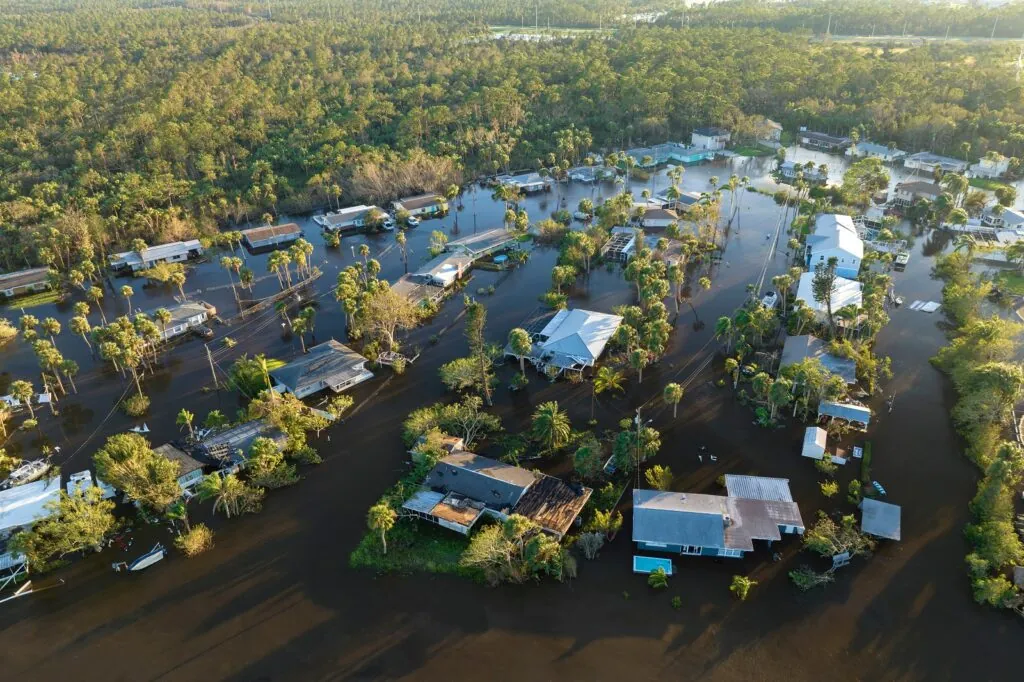

Flooding remains the most common and most expensive natural disaster in the United States, and recent data shows that the threat is intensifying. According to updated 2024–2025 FEMA, NOAA, and NWS flood assessments, millions more properties are now classified as vulnerable than earlier models suggested. These updated evaluations make it clear that the states most at risk for flooding are facing growing challenges driven by extreme weather and infrastructure strain.
The latest national reports show:
- 14.6 million U.S. properties now face substantial flood risk, 67% more than traditional FEMA maps identified.
- Flood disasters are increasing, with 2024 recording 45 major flood-related billion-dollar events.
- Many catastrophic floods occurred outside FEMA flood zones, proving that official risk maps are often outdated or incomplete.
Below is the updated 2025 list of the most flood-prone states, why they are experiencing heightened risk, and the environmental and structural factors driving these hazards.
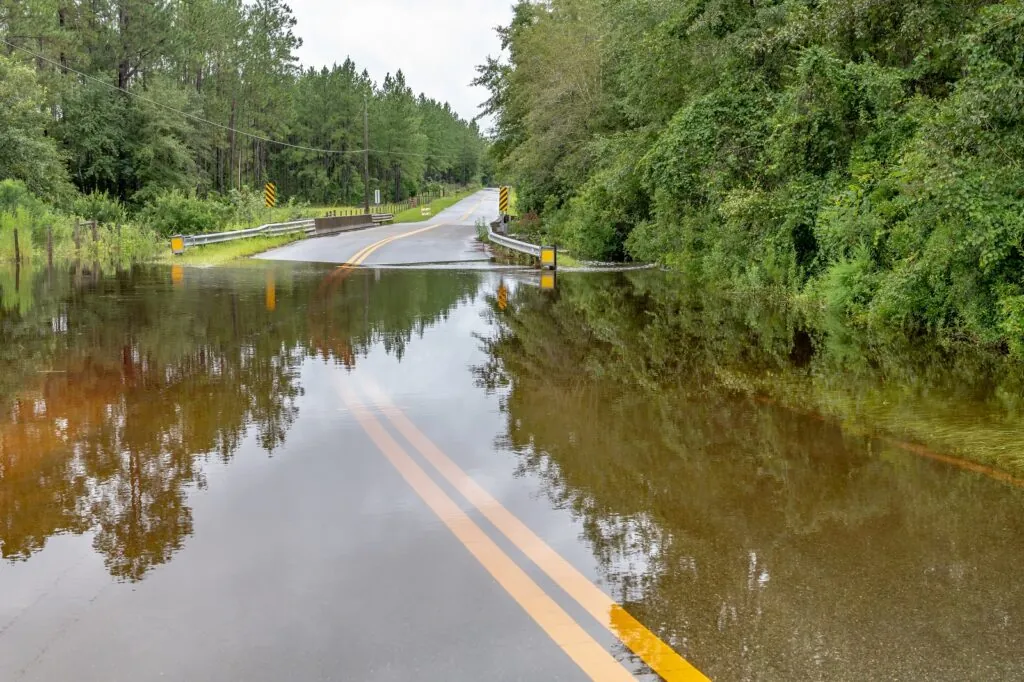
Top 10 States Most at Risk for Flooding
1. Florida
Florida ranks #1 among the most flood-prone states, with over 2.7 million residents living in high-risk flood zones. Its geography and climate create perfect conditions for severe flooding:
- Low elevation and flat terrain, allow water to spread rapidly
- Heavy rainfall and tropical storms that routinely overwhelm drainage systems
- Frequent hurricanes, often producing historic rainfall totals
- A long, exposed coastline is highly vulnerable to storm surge and sea-level rise
NOAA’s 2024–2025 data shows sharp increases in high-tide flooding and even “sunny-day flooding,” particularly along Florida’s Atlantic and Gulf coasts. These patterns strain infrastructure and result in widespread, costly flood events across both coastal and inland communities.
2. Texas
Texas is one of the states most at risk for flooding due to its enormous geographic variety and extreme weather. Approximately 1.8 million residents live in areas with substantial flood exposure.
Key risk drivers include:
- Gulf Coast hurricanes are pushing storm surge far inland
- Flash flooding in the Hill Country, one of the nation’s most dangerous flood-prone regions
- Major river flooding along the Trinity, Brazos, Colorado, and Red River systems
Texas regularly experiences some of the deadliest and most expensive flood disasters in the U.S. The 2025 Central Texas flash floods, which devastated areas outside FEMA-designated flood zones, demonstrated how unpredictable and widespread the state’s flood risk has become.
3. Louisiana
Louisiana remains one of the most flood-prone states, with 1.5 million residents living in high-risk areas. Its flood vulnerability is shaped by a combination of geography, climate, and land loss.
Primary contributing factors include:
- Very low elevation, with many communities at or below sea level
- Storm surge from the Gulf of Mexico, intensified by sea-level rise
- Intense rainfall, especially during tropical systems
- Frequent hurricanes produce catastrophic flooding
Louisiana continues to experience some of the fastest coastal land loss in the world, intensifying long-term flood risk. Low-lying regions, particularly around New Orleans, Baton Rouge, and the bayous, remain highly vulnerable to both storm-induced and routine rainfall flooding.
4. California
California has roughly 1.3 million residents living in high-risk flood zones, making it a significant member of the most flood-prone states despite its reputation for drought.
Flood risks stem from:
- Heavy winter rain, driven by powerful atmospheric rivers
- Rapid Sierra Nevada snowmelt, causing rivers and reservoirs to overflow
- Potential dam and levee failures during extreme storms
- Coastal storm surges impacting Pacific shoreline communities
California faces both inland and coastal flood hazards. Atmospheric river events in recent years produced historic rainfall totals, overwhelming rivers, damaging levees, and straining outdated drainage and reservoir systems.
5. New Jersey
With 1.2 million residents exposed to flood hazards, New Jersey is consistently ranked among the top states most at risk for flooding, especially along the Atlantic Coast.
Major risk factors include:
- Storm surge from the Atlantic, particularly during hurricanes
- Powerful nor’easters, which bring strong winds, prolonged rain, and coastal erosion
- Inland flooding from rivers like the Passaic, Delaware, and Raritan after heavy rainfall
New Jersey has one of the densest coastal populations in the nation, placing more homes and businesses in harm’s way. Recent studies (2024–2025) identify several New Jersey counties among the highest-risk coastal zones in the United States.
6. New York
New York remains one of the states most at risk for flooding, with approximately 1.1 million residents living in high-exposure zones. The state faces a combination of coastal, urban, and inland flood hazards.
Key flood drivers include:
- Coastal flooding along New York City, Long Island, and the Hudson Valley
- Extreme rainfall is overwhelming aging stormwater infrastructure
- Urban flash flooding in densely developed regions
- Snowmelt-driven river flooding in Upstate and mountain regions
New York’s flood risk is increasing as storms become more intense and rainfall totals rise. Major events in 2023–2024 demonstrated how easily severe rain can cripple drainage systems in New York City and surrounding suburbs, making it one of the most flood-prone states even outside hurricane season.
7. North Carolina
With roughly 1 million residents exposed to flood hazards, North Carolina is consistently ranked among the most flood-prone states in the U.S. It faces risk from both coastal and inland events.
Major factors include:
- Hurricanes and tropical storms are impacting the Atlantic coastline
- Storm surge along the Outer Banks and low-elevation coastal counties
- Heavy rainfall is causing widespread river flooding in central regions
- Flash flooding in the mountainous west after rapid rainfall
North Carolina is notable for experiencing all major flood types including coastal surge, river flooding, flash flooding, and rainfall-driven overflow — making it one of the states most at risk for flooding across diverse terrain.
8. South Carolina
South Carolina has approximately 900,000 residents living in high-risk areas, placing it solidly within the list of most flood-prone states.
Its growing risk is fueled by:
- Coastal storm surge from hurricanes and tropical systems
- Intense rainfall that overwhelms creeks and rivers
- Urban flash flooding during heavy downpours
- Rapid development is reducing natural drainage pathways
Sea-level rise is causing more frequent coastal floods, while severe storms are pushing more rainfall inland. As a result, both coastal and inland communities are now counted among the states most at risk for flooding from multiple sources.
9. Mississippi
Mississippi remains one of the most flood-prone states due to its geography, proximity to the Gulf, and extensive river networks. About 800,000 residents live in high-risk zones.
Primary contributors include:
- Hurricanes and tropical storms that bring prolonged rainfall
- Mississippi River and tributary flooding, particularly in the spring
- Low-lying terrain that fills quickly with stormwater
- Wetlands and slow-draining soils that prolong flooding impacts
Both coastal counties and inland river communities face recurring flood events. Because many areas sit at low elevation, Mississippi stands out as one of the states most at risk for flooding during major storm cycles.
10. Missouri
Missouri may not have a coastline, but it consistently ranks among the top states most at risk for flooding because of its enormous river systems and increasing rainfall extremes. Around 700,000 residents live in high-risk areas.
Key hazards include:
- River flooding from the Missouri and Mississippi Rivers
- Heavy rainfall events that lead to widespread flash flooding
- Snowmelt contributing to seasonal river surges
- Smaller tributaries and creeks that overflow during storms
Missouri experiences some of the nation’s most severe inland flood events, and 2024–2025 data confirms that rainfall intensity is rising. This places the state firmly within the group of most flood-prone states, despite having no coastal exposure.
If you live in one of these states, you should take extra precautions. Learn more about the different types of floods and how to protect your home from flooding. For flood water damage repair and mold remediation service, contact your local PuroClean office.
Why Flood Risk Is Rising Across the United States
Understanding the factors that contribute to flood risk is essential for mitigating the impact on the most flood-prone states. Several key elements play a significant role in determining how and why certain areas are more susceptible to flooding. These include climate change, urbanization, topography and geography.

Climate Change & Extreme Weather
NOAA confirms that storms are becoming more frequent, more intense, and capable of producing unprecedented rainfall. Effects include:
- Higher storm surges from stronger hurricanes
- Heavier downpours leading to flash flooding
- More frequent “rain bombs”
- Increased hurricane rainfall totals
- Rapid snowmelt leading to river flooding
Sea-Level Rise
According to NOAA 2024–2025 sea-level predictions:
- U.S. coastlines may see 10–12 inches of additional sea-level rise by 2050
- Many coastal cities are already seeing “sunny-day flooding” several times per year
- High tide floods are increasing annually
Coastal states in the top 10 list are heavily affected.
Urbanization & Impervious Surfaces
As cities expand, natural land is replaced with concrete and asphalt — preventing water from being absorbed. The EPA notes this leads to:
- Increased stormwater runoff
- Overwhelmed drainage systems
- More flash flooding in urban and suburban areas
Rapidly developing states (Texas, California, Florida, North Carolina) face higher exposure.
Topography and Geography
The natural landscape features of an area, including its topography and geography, play a significant role in influencing flood risk. Low-lying coastal states like New Jersey and South Carolina are particularly vulnerable to flooding due to their proximity to the ocean and low elevation.
Inland states with major river systems, such as Missouri and Mississippi, are prone to riverine flooding caused by heavy rainfall and snowmelt. The United States Geological Survey (USGS) provides detailed information on how these natural features contribute to flood hazards in different regions.
How Homeowners Can Prepare
If you live in a high-risk state, it’s essential to:
- Understand your true flood risk using updated tools
- Review flood insurance options (home insurance does not cover flooding)
- Improve property drainage and grading
- Install sump pumps and backflow valves
- Prepare an emergency evacuation plan
And after a flood event, fast, professional water restoration is critical to prevent mold growth and long-term structural issues. PuroClean combines local response with national resources, allowing teams to mobilize quickly while following proven restoration standards.
Summary
Flooding Risk Is Increasing
- 2025 data shows flood-risk exposure is 67% higher than previous FEMA estimates.
- Extreme rainfall, sea-level rise, and stronger storms are reshaping risk nationwide.
- Many recent floods occurred outside official flood zones, catching homeowners off guard.
Top 10 Most Flood-Prone States (2025)
- Florida — Sea-level rise, storm surge, heavy rainfall
- Texas — Hurricanes, flash floods, major river systems
- Louisiana — Low elevation, coastal storms, rapid land loss
- California — Atmospheric rivers, snowmelt, coastal surge
- New Jersey — High coastal risk, dense population
- New York — Coastal + inland flooding, extreme rainfall
- North Carolina — Hurricanes, storm surge, mountain floods
- South Carolina — Coastal floods, inland flash flooding
- Mississippi — Gulf storms, Mississippi River flooding
- Missouri — Major rivers, heavy rainfall, snowmelt
Why Risk Is Rising
- Climate change intensifies storms and rainfall
- Sea levels continue to rise, increasing coastal flooding
- Urbanization creates more runoff and flash flooding
- Rivers, dams, and outdated drainage systems are increasingly stressed
What Homeowners Should Do
- Check updated flood-risk tools
- Improve drainage and stormwater protection
- Review or purchase flood insurance
- Have a plan and know local flood warnings
- Call PuroClean for emergency water removal and restoration after a flood
Call PuroClean for Water Damage Restoration
Flooding can cause severe damage to your home and belongings. PuroClean provides:
- 24/7 emergency water removal
- Structural drying
- Mold prevention and remediation
- Damage repair and full restoration
Flood damage is overwhelming, and having a trusted restoration partner makes the recovery process clearer and faster. PuroClean focuses on clear communication, reliable service, and care throughout the restoration process, when homeowners need it most. With a nationwide network of trained restoration professionals, PuroClean is equipped to respond quickly and consistently when flooding impacts homes and communities.
If your home is affected by flooding, contact your local PuroClean immediately to begin recovery and prevent further damage. Call (800) 775-7876 or use our office locator to find your local PuroClean specialist.
FAQs
Which U.S. state has the highest flood risk in 2025?
Florida remains the most flood-prone state due to low elevation, sea-level rise, frequent hurricanes, and extreme rainfall.
Why is flood risk increasing in the United States?
Climate change is causing heavier rainfall, stronger storms, higher storm surges, and rising sea levels. Urbanization also increases runoff, while outdated drainage systems struggle to keep up.
Which states face the most coastal flooding?
Florida, Louisiana, New Jersey, New York, North Carolina, and South Carolina have some of the highest coastal flood exposure.
Which states face the most inland flooding?
Texas, Missouri, Mississippi, and California face frequent inland floods from heavy rainfall, river overflow, and flash-flood events.
Are FEMA flood maps accurate in 2025?
Many recent floods occurred outside FEMA flood zones. Updated independent models show millions more properties at risk than FEMA’s historical maps indicate.
How can homeowners reduce flood damage?
Improve drainage, elevate utilities, install sump pumps, review flood insurance, and prepare emergency plans. Professional restoration after a flood is essential to prevent mold and structural issues.



