


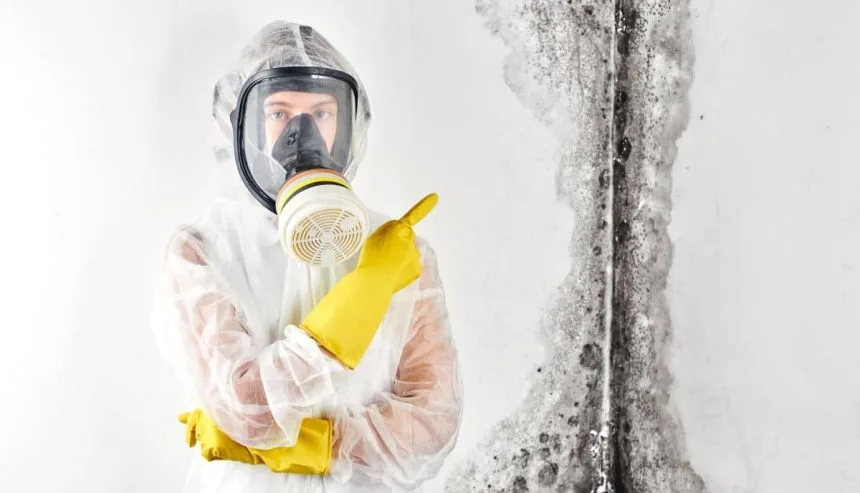
Black mold refers to several dark-colored mold species that grow in damp environments and release airborne spores that can affect indoor air quality. While mold spores naturally exist in the environment, problems begin when moisture allows mold to grow indoors, often after leaks, flooding, or humidity issues.
If mold growth appears inside your home, the most important step is to identify and fix the moisture source while addressing the mold contamination quickly. In many cases, professional remediation services are recommended to safely contain and remove mold from affected areas.
What Is Black Mold?
Black mold is not a single fungus but a group of dark-colored mold species that grow on organic materials commonly found in homes.
These molds thrive in environments with:
- Excess moisture
- Poor ventilation
- Water damage
- Condensation inside walls or attics
Mold spores are microscopic and always present in indoor and outdoor air. When spores land on damp surfaces, they can begin growing in as little as 24–48 hours.
Common surfaces where mold develops include:
- Drywall
- Wood framing
- Carpet
- Insulation
- Wallpaper backing
- Ceiling tiles
According to the EPA’s guide to mold in homes, controlling moisture is the most important step in preventing mold growth.
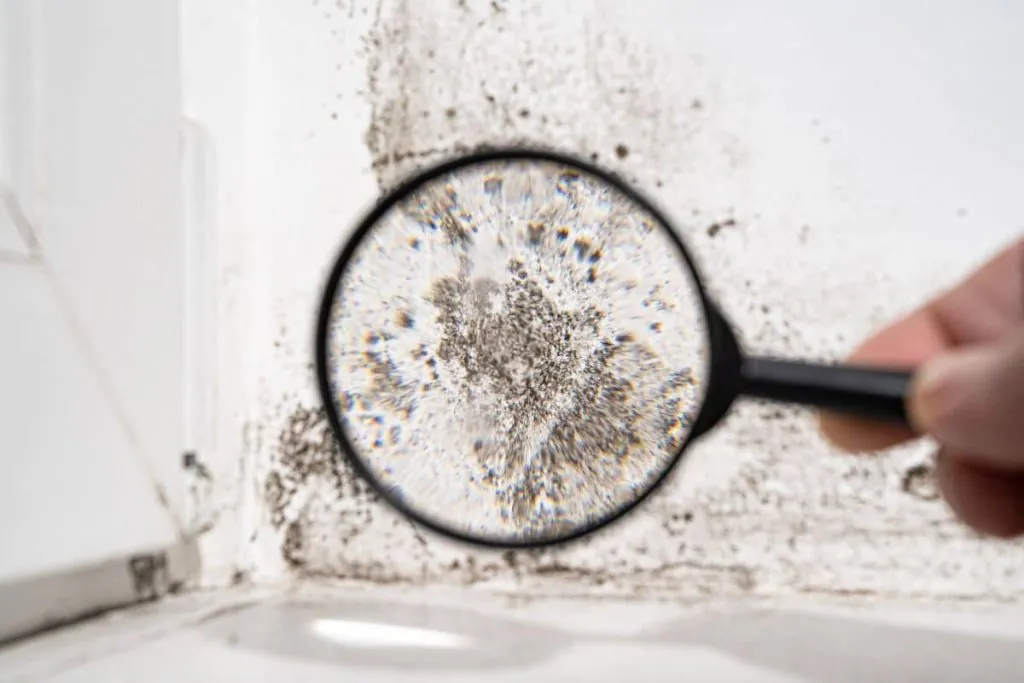
Magnifying glass looking closely at black mold
What Does Black Mold Look Like?
Black mold usually appears dark green, blue-green, or greenish-black, though its appearance can vary depending on the species and surface.
Several fungi are commonly referred to as black mold:
Stachybotrys chartarum
Often called “toxic black mold,” this species produces dark green or black spores and typically grows on cellulose materials like drywall and wood.
Memnoniella echinata
This mold appears bluish-green and fuzzy and commonly grows on:
- Wood
- Carpet
- Insulation
- Wallpaper backing
Aspergillus niger
This species often appears as a powdery black mold and can grow on a wide range of building materials.
Regardless of the specific species, mold growth should be addressed quickly to prevent spores from spreading throughout the property.
What Are the Effects of Black Mold Exposure?
Exposure to mold spores or mycotoxins may cause respiratory irritation and allergic reactions, particularly in sensitive individuals.
Common symptoms include:
- Wheezing or breathing difficulties
- Persistent coughing
- Nasal congestion
- Sinus irritation
- Headaches or fatigue
- Skin rashes or irritation
Children, pets, and individuals with asthma or weakened immune systems may be more vulnerable. Learn more about potential risks in this guide about black mold exposure and long-term health considerations for children and pets.
Even if symptoms are mild or not immediately noticeable, mold growth inside a home should never be ignored.
Where Does Black Mold Grow in Homes?
Black mold commonly grows in warm, humid areas with limited airflow.
Typical locations include:
- Basements and crawlspaces
- Bathrooms and kitchens
- Around leaking pipes
- Attics with ventilation problems
- Inside walls affected by condensation
- HVAC systems or air conditioners
Homes that have experienced flooding or water damage are especially vulnerable. If materials are not dried within 24–48 hours, mold growth can begin quickly.
Mold feeds on cellulose-based building materials, which include:
- Wood framing
- Drywall
- Insulation
- Carpet and fabric materials
Because these materials are widely used in construction, moisture problems inside a home can quickly lead to mold contamination.
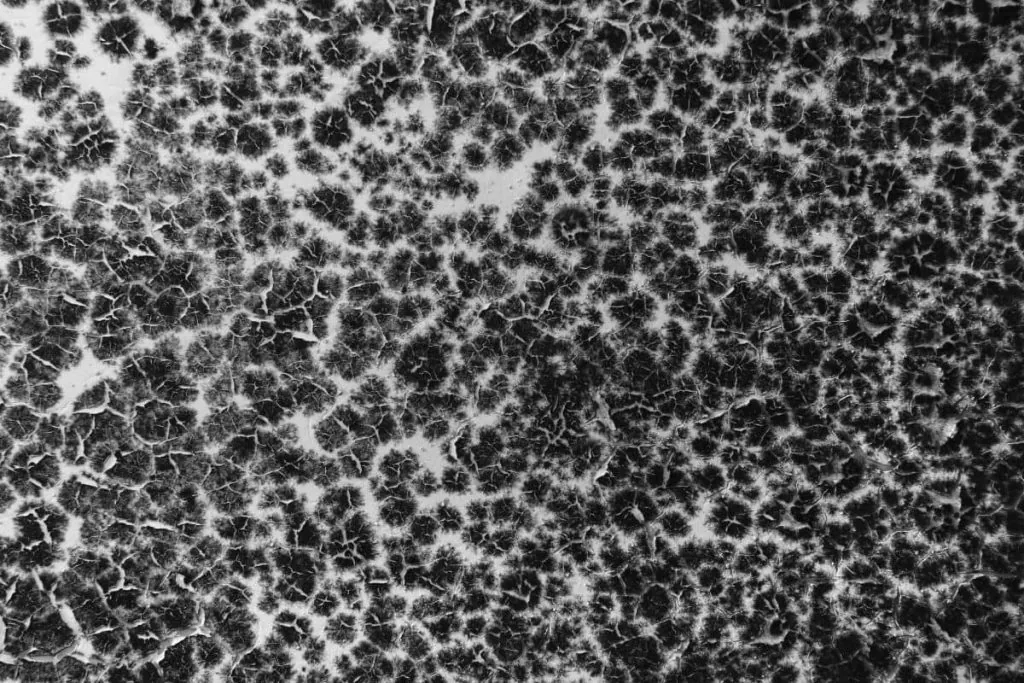
black mold pattern in wall
How Do You Treat Black Mold Growth?
The first step in treating black mold is identifying both the mold growth and the moisture source causing it.
If mold is visible on walls or ceilings:
- Avoid disturbing the mold growth
- Do not dry sweep or vacuum the area
- Limit airflow that could spread spores
Professional remediation specialists use containment systems, air filtration equipment, and moisture detection tools to safely remove contamination.
For example, professional mold removal services typically include:
- Moisture detection
- Containment barriers
- HEPA air filtration
- Removal of contaminated materials
- Structural drying and sanitation
If the affected area is small, homeowners may attempt basic cleanup while wearing protective equipment.
For detailed guidance, see this guide on black mold removal and remediation.
How to Prevent Black Mold in Your Home
Preventing mold growth focuses on controlling moisture and improving ventilation.
Address Water Damage Quickly
Repair leaks in:
- Plumbing systems
- Roofs and gutters
- Walls or ceilings
Even small leaks can create ideal conditions for mold growth.
Control Indoor Humidity
Maintain indoor humidity between 30–50%.
Helpful tools include:
- Dehumidifiers
- Air conditioners
- Humidity monitors
Prevent Condensation
Condensation forms when warm air meets cooler surfaces.
Reduce condensation by:
- Improving insulation
- Lowering indoor humidity
- Increasing ventilation
Improve Ventilation
Ventilate areas that generate moisture, such as:
- Bathrooms
- Kitchens
- Laundry rooms
Using exhaust fans or opening windows can help remove moisture from indoor air.
Use Mold-Resistant Materials
When renovating or repairing areas prone to moisture, consider using:
- Mold-resistant drywall
- Mold-resistant paint
- Treated building materials
These materials are designed to better resist mold growth.
Frequently Asked Questions
Is black mold always toxic?
Not all black-colored mold produces toxins. The term “black mold” describes several species, some of which produce mycotoxins. However, any mold growth indoors should be addressed quickly.
How quickly does black mold grow?
Mold can begin growing within 24–48 hours after water damage if moisture remains present.
Can you remove black mold yourself?
Small areas may be cleaned with proper protective equipment. Larger infestations should be handled by professionals.
What causes black mold in homes?
The most common causes include:
- Plumbing leaks
- Roof leaks
- Flooding
- High humidity
- Poor ventilation
- Condensation inside walls
When should I call a professional mold remediation company?
Professional remediation is recommended when mold:
- Keeps returning after cleaning
- Is hidden behind walls or flooring
- Appears after major water damage
You can find your nearest PuroClean office here to schedule a professional inspection and remediation service.
Contact PuroClean for Black Mold Remediation
If you suspect black mold in your home, taking action quickly can prevent property damage and potential health risks. PuroClean restoration professionals are trained to detect moisture sources, contain mold contamination, and safely remediate affected areas.
Contact PuroClean 24/7 or find your local office to begin the remediation process and restore healthy indoor air quality.



