For immediate Disaster Response call: (800) 775-7876

Hurricane Helene brought widespread flooding and property damage across multiple states, impacting homes, businesses, and critical infrastructure throughout parts of the Southeast. In several regions, the storm compounded damage from earlier weather events, increasing saturation levels, prolonging drying timelines, and placing added strain on affected communities.
Storms like Hurricane Helene demonstrate how successive or overlapping disasters can significantly increase restoration complexity. When water exposure continues over time, the risks of secondary damage, material failure, and health concerns rise quickly.
Large hurricanes that affect multiple regions often overwhelm drainage systems, infrastructure, and emergency resources simultaneously. Prolonged rainfall and repeated storm impacts allow water to penetrate structures deeply and remain trapped, particularly in walls, flooring, crawlspaces, and subflooring.
Common risks following hurricane-related flooding include:
Floodwater associated with hurricanes is frequently classified as Category 3 “black water,” meaning it may contain bacteria, sewage, and other hazardous contaminants that require professional handling.
What Professional Flood Restoration Typically Involves
Flooding events like those caused by Hurricane Helene often require a coordinated restoration approach, including:
Early professional intervention helps reduce uncertainty, limit secondary damage, and shorten recovery timelines—especially when multiple storms affect the same areas.
Hurricane Helene underscored several essential realities about large-scale flood recovery, particularly when disasters compound across regions:
These principles play a critical role in managing both the technical challenges of flood restoration and the human impact experienced by affected communities.
Every flood event is different, and restoration outcomes depend on water category, building materials, and response time. Acting quickly after water intrusion is one of the most effective ways to reduce health risks, structural damage, and long-term recovery costs. For additional guidance on protecting your property and navigating next steps after a hurricane, view our blog: What to Do After a Hurricane.
📞 Call (800) 775-7876 for immediate assistance
Every insurance policy is different. You should contact your broker/agent or your insurance company to determine the amount of coverage that you have.
First, contact a water-damage restoration company, such as PuroClean, as soon as possible. Don’t wait, as water can cause mold and irremediable damage to the wood, walls, and carpet in your home. Then, contact your insurance company to start the claim process. If safe, shut off the utilities in your home to avoid further damage. Don’t enter your home if it has suffered structural damage. Don’t walk through floodwater if electricity hasn’t been turned off, and avoid contaminants.
There are many variables that determine whether a flooded home can be saved: the amount of water is one, even more important is the amount of time the water was in/around the home. Every situation is different!
Water damage can occur after natural disasters, such as thunderstorms or hurricanes that cause flooding, from pipe bursts, appliance malfunctions, roof leaks, foundation leaks, septic tank overflows, poor drainage, and more. Flash flooding, pipe bursts, and sewage backups are especially dangerous as they can produce several inches of water in less than a day.
Every insurance policy is different. You should contact your broker/agent or your insurance company to determine the amount of coverage that you have.
First, contact a water-damage restoration company, such as PuroClean, as soon as possible. Don’t wait, as water can cause mold and irremediable damage to the wood, walls, and carpet in your home. Then, contact your insurance company to start the claim process. If safe, shut off the utilities in your home to avoid further damage. Don’t enter your home if it has suffered structural damage. Don’t walk through floodwater if electricity hasn’t been turned off, and avoid contaminants.
There are many variables that determine whether a flooded home can be saved: the amount of water is one, even more important is the amount of time the water was in/around the home. Every situation is different!
Water damage can occur after natural disasters, such as thunderstorms or hurricanes that cause flooding, from pipe bursts, appliance malfunctions, roof leaks, foundation leaks, septic tank overflows, poor drainage, and more. Flash flooding, pipe bursts, and sewage backups are especially dangerous as they can produce several inches of water in less than a day.
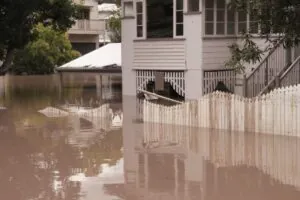
Severe winter flooding impacted Seattle on December 8, 2025. Learn about flood-related risks, black water…
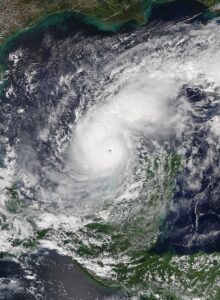
Hurricane Milton was an incredibly powerful and destructive storm, ranking as the second-most intense Atlantic…
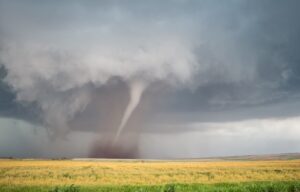
On the afternoon of April 26, 2024, a powerful and destructive tornado tore through the…
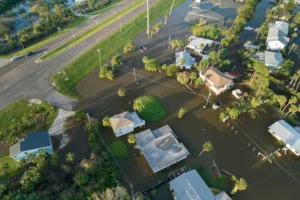
Hurricane Debby caused prolonged flooding across parts of Florida in August 2024. This page explains…



© 2026 PuroClean. All Rights Reserved.
© 2026 PuroClean. All Rights Reserved.