For immediate Disaster Response call: (800) 775-7876

On December 8, 2025, prolonged, heavy rainfall caused significant flooding across Seattle and surrounding communities, impacting homes, businesses, and critical infrastructure. Winter flooding in the Pacific Northwest often creates complex restoration challenges, including prolonged moisture exposure, contaminated water, and increased mold risk due to cold, damp conditions.
Floodwater from events like this is frequently classified as Category 3 “black water,” meaning it may contain sewage, bacteria, and other hazardous contaminants that require professional handling and specialized remediation protocols.
Flooding differs from hurricane-driven events. Extended rainfall, saturated soil, and limited drying conditions can accelerate damage and complicate recovery efforts.
Common risks following winter flooding include:
Flooding events of this nature often require:
Early professional intervention helps limit secondary damage and reduces long-term repair costs.
Every flood event is different, and restoration outcomes depend on water category, building materials, and response time. Acting quickly after water intrusion is one of the most effective ways to reduce health risks, structural damage, and recovery timelines.
📞 Call (800) 775-7876 for immediate assistance
Every insurance policy is different. You should contact your broker/agent or your insurance company to determine the amount of coverage that you have.
First, contact a water-damage restoration company, such as PuroClean, as soon as possible. Don’t wait, as water can cause mold and irremediable damage to the wood, walls, and carpet in your home. Then, contact your insurance company to start the claim process. If safe, shut off the utilities in your home to avoid further damage. Don’t enter your home if it has suffered structural damage. Don’t walk through floodwater if electricity hasn’t been turned off, and avoid contaminants.
There are many variables that determine whether a flooded home can be saved: the amount of water is one, even more important is the amount of time the water was in/around the home. Every situation is different!
Water damage can occur after natural disasters, such as thunderstorms or hurricanes that cause flooding, from pipe bursts, appliance malfunctions, roof leaks, foundation leaks, septic tank overflows, poor drainage, and more. Flash flooding, pipe bursts, and sewage backups are especially dangerous as they can produce several inches of water in less than a day.
Every insurance policy is different. You should contact your broker/agent or your insurance company to determine the amount of coverage that you have.
First, contact a water-damage restoration company, such as PuroClean, as soon as possible. Don’t wait, as water can cause mold and irremediable damage to the wood, walls, and carpet in your home. Then, contact your insurance company to start the claim process. If safe, shut off the utilities in your home to avoid further damage. Don’t enter your home if it has suffered structural damage. Don’t walk through floodwater if electricity hasn’t been turned off, and avoid contaminants.
There are many variables that determine whether a flooded home can be saved: the amount of water is one, even more important is the amount of time the water was in/around the home. Every situation is different!
Water damage can occur after natural disasters, such as thunderstorms or hurricanes that cause flooding, from pipe bursts, appliance malfunctions, roof leaks, foundation leaks, septic tank overflows, poor drainage, and more. Flash flooding, pipe bursts, and sewage backups are especially dangerous as they can produce several inches of water in less than a day.
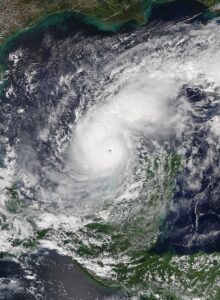
Hurricane Milton was an incredibly powerful and destructive storm, ranking as the second-most intense Atlantic…
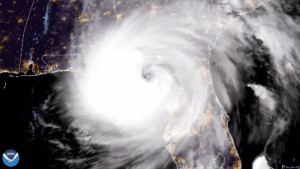
Hurricane Helene was a catastrophic storm that ravaged the Southeastern United States in late September…
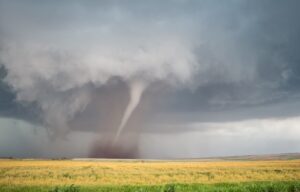
On the afternoon of April 26, 2024, a powerful and destructive tornado tore through the…
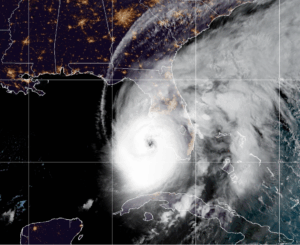
Hurricane Ian formed as a tropical disturbance near the Windward Islands on September 19. It…



© 2026 PuroClean. All Rights Reserved.
© 2026 PuroClean. All Rights Reserved.