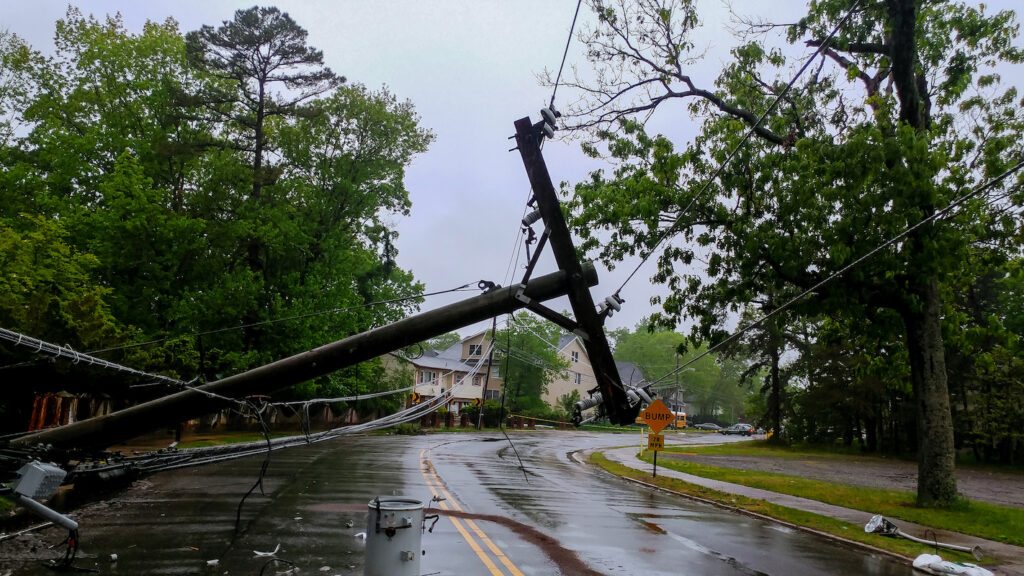

Officially, the hurricane season starts on June 1 and ends on November 30. However, in the Eastern Caribbean and along the US East Coast, the peak season for hurricanes runs mostly from mid-August through mid-September.
Hurricanes are powerful and unpredictable storms that can cause immense damage to anything in their path. To stay safe and protect your property during a hurricane, preparedness is key. You should build an emergency kit, make a family evacuation plan, learn community hurricane evacuation routes, get flood insurance coverage and secure your property.
How to prepare for the hurricane season:
- Create an emergency kit. FEMA recommends packing the following items in your emergency kit:
- Water for drinking and sanitation to last at least 3 days;
- Non-perishable food for at least 3 days;
- A Hand crank or battery-powered radio (tuned in to NOAA Weather Radio), as well as spare batteries;
- A Flashlight with extra batteries;
- A First aid kit with bandages, gauze and sports tape, ginger chews, and pain medication;
- A Whistle to call for help or alert others;
- A Dust mask, plastic sheeting and duct-tape for shelter making;
- Moist towelettes and garbage bags for personal sanitation and safe disposal;
- Pliers or a wrench to turn off utilities;
- A Can opener for any canned foods
- Local maps of the area
- A Cell phone with an extra phone charger.
- Make a family evacuation plan together with the members of your household. Discuss and practice the plan with them to help reduce confusion and fear in the event of a hurricane.
- Learn community hurricane evacuation routes and determine the meeting place, as well as the routes to get there.
- Get flood insurance protection (sold separately from regular home insurance) well before the hurricane season.
- Know the geographical area you live in.
- Find out whether your property is flood-prone due to its elevation level.
- If there are any levees and dams in your area, find out if they pose a hazard to you and where you live when the storm hits.
- Make copies of important documents, such as proof of ownership of any property, identification, and any prescriptions. Store them in your waterproof emergency kit.
- Secure your property:
- Cover your home’s windows with permanent storm shutters or marine plywood, unless your windows are made of laminated glass with impact-resistant glazing. Check the sealant on your windows as well so no water can enter your house.
- Securely fasten your roof by installing straps or additional clips to reduce damage.
- Trim the trees and shrubs around your home for more wind resistance. Trim off any dead or hanging branches to to reduce damage to your home if they break off.
- Keep your rain gutters and downspouts clean and unclogged from debris and fallen leaves.
- Strengthen your garage door to make it withstand fast, powerful winds.
- When the storm approaches, bring in all your outdoor furniture, bikes, garbage cans. Anything that is not secured to the ground and can fly away.
- Consider purchasing an electricity generator to run essential appliances if the power goes out.
- Consider building a safe room for better protection for yourself and your family during hurricanes.
- Learn how to shut off the power and gas to your home and have the tools for the job handy incase of a disaster.
In the words of Sheri Fink, “the threat from extreme weather events highlights the importance of investing in preparedness”, so make sure you are well prepared before a hurricane hits. If you need assistance in how to prepare, keep this blog handy. For any property damage restoration emergency involving water, fire or smoke damage, contact your local PuroClean office.