


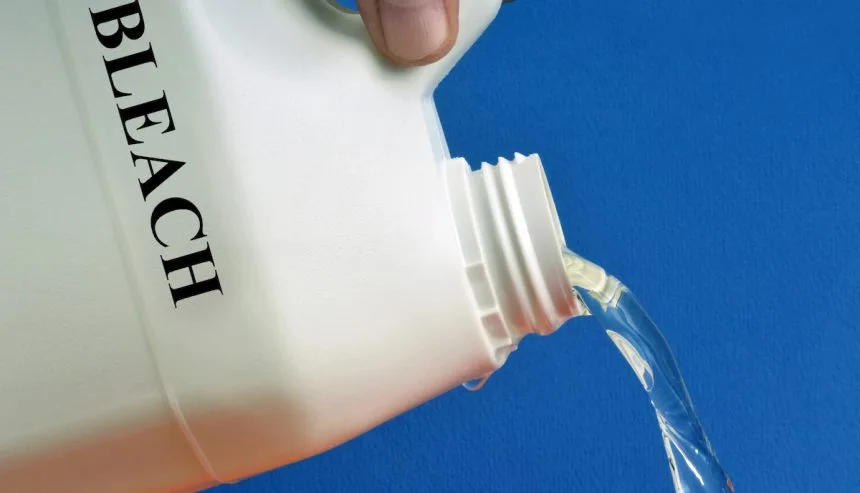
Does bleach kill mold? Bleach can kill surface mold on hard, non-porous materials, but it does not effectively eliminate mold on porous surfaces, where mold commonly grows, like drywall, wood, or carpet. Because bleach cannot penetrate these materials to reach mold roots and spores, mold often returns after cleaning.
For this reason, experts, including the U.S. Environmental Protection Agency’s mold guidance, do not recommend bleach as a routine solution for mold cleanup. If mold affects a large area or keeps returning, professional mold removal services are typically the safest and most effective option.
What Is Mold and Why Is It Dangerous?
Mold is a fungus that grows in damp environments and spreads through microscopic airborne spores. These spores settle on surfaces and begin growing when moisture is present.
Mold may appear in several colors, including:
The texture can also vary. Some molds appear fuzzy or powdery, while others look slimy or wet.
Exposure to mold can trigger symptoms in some individuals, especially those with allergies or respiratory conditions.
Common symptoms of mold exposure include:
- Watery or irritated eyes
- Coughing or wheezing
- Chest tightness or breathing difficulty
- Skin irritation or rashes
- Nasal congestion
- Headaches or fatigue
If these symptoms occur while mold is present in your home, seek medical advice and address the mold problem quickly.
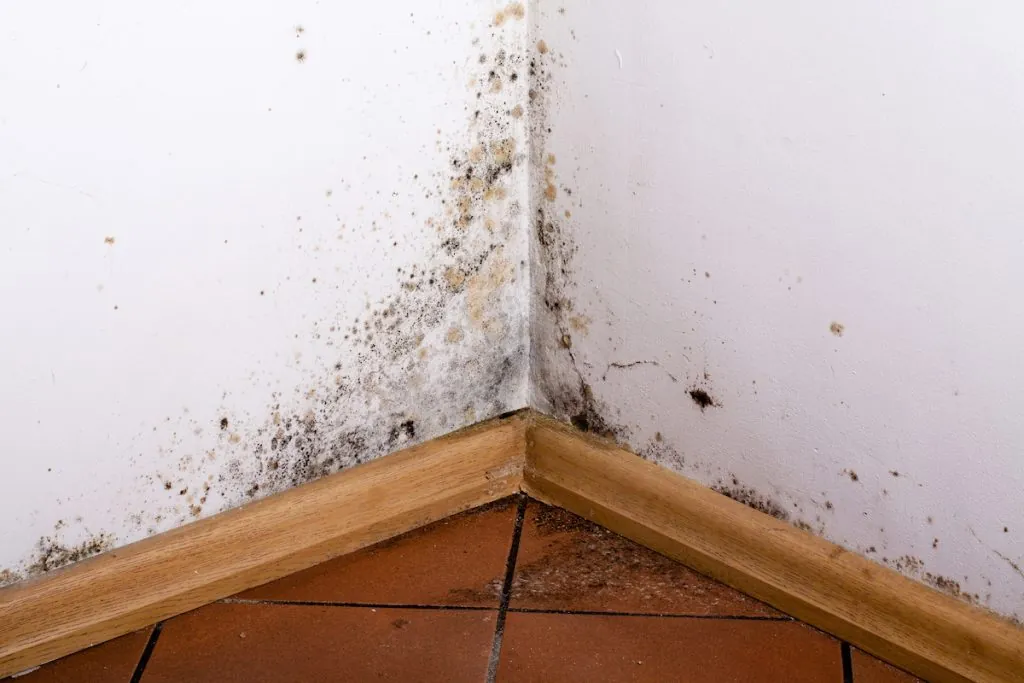
Black mold pattern on the wall
Does Bleach Kill Mold?
Bleach can disinfect surfaces and kill bacteria and viruses, but it is not an effective mold remediation solution in many cases. The belief that bleach eliminates every mold problem is one of several common mold myths debunked by restoration professionals.
Why Bleach Is Ineffective Against Mold
1. Bleach Cannot Penetrate Porous Materials
Mold frequently grows inside materials such as:
- Drywall
- Wood
- Carpet
- Insulation
- Ceiling tiles
Bleach only removes mold on the surface. The roots of the mold remain embedded within the material and can regrow quickly.
2. Bleach Evaporates Quickly
The chlorine in bleach evaporates rapidly. After a short time, it becomes ineffective against mold spores, even if the surface initially appears clean.
3. The Water in Bleach Can Feed Mold
Bleach is mostly water. When applied to porous materials, the water can soak into the material and create conditions that help mold regrow.
4. Bleach Can Damage Building Materials
Bleach is highly corrosive and may weaken materials such as wood by breaking down fibers. This can potentially affect the structural integrity of the material.
5. Bleach Loses Strength Over Time
Even unopened bleach products gradually lose effectiveness and may become significantly weaker within a few months.
The Health Risks of Using Bleach
Bleach may also create health risks if used improperly.
Possible side effects include:
- Skin burns or irritation
- Eye irritation or damage
- Respiratory irritation from bleach fumes
- Increased asthma symptoms
Bleach fumes can linger even after the surface dries, especially in poorly ventilated areas.
When dealing with mold, always wear proper personal protective equipment (PPE) such as:
- N-95 respirator masks
- Gloves
- Eye protection
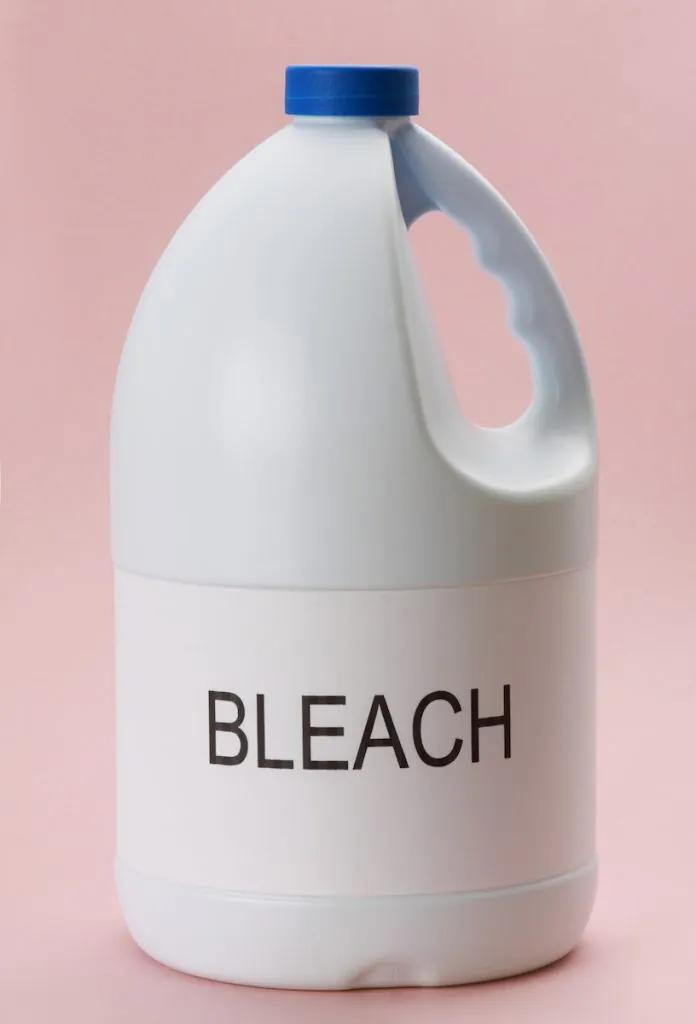
A bottle of bleach that many people use to kill mold
What to Use Instead of Bleach for Mold
For small mold areas, some household cleaning solutions may help remove surface mold. However, these methods are not substitutes for professional remediation if mold growth is extensive.
Comparison of Mold Cleaning Alternatives
| Solution | How It Works | Best Use |
| Baking Soda | Absorbs moisture and acts as a mild disinfectant | Small mold patches |
| Vinegar | Penetrates porous materials and kills many mold species | Hard surfaces and mild porous materials |
| Hydrogen Peroxide | Antifungal and antibacterial solution | Hard surfaces and stain removal |
Step-by-Step Household Solutions for Small Mold Areas
1. Baking Soda
Baking soda acts as a natural deodorizer and mild disinfectant.
Steps:
- Mix equal parts baking soda and water to form a paste.
- Apply the paste to the moldy area.
- Let it sit for about 15 minutes.
- Scrub and rinse with warm water.
Baking soda can also help absorb excess moisture.
2. Vinegar
White vinegar is a common household mold cleaner.
Steps:
- Mix vinegar and water in a 1:3 ratio in a spray bottle.
- Spray the affected area.
- Let it sit for 15 minutes or more.
- Scrub and rinse the surface.
Vinegar may penetrate porous materials better than bleach.
3. Hydrogen Peroxide
Hydrogen peroxide has antifungal and antibacterial properties.
Steps:
- Mix hydrogen peroxide with water in a 1:4 ratio.
- Spray onto the moldy surface.
- Allow it to sit for 10 minutes.
- Wipe clean with a cloth.
Hydrogen peroxide can also help reduce mold staining.
When to Call Professional Mold Remediation
DIY methods may work for very small areas, but professional remediation is recommended when the contamination is extensive or keeps returning. Review these black mold remediation steps to understand how professionals contain the affected area, remove contaminated materials, and address underlying moisture.
- Mold returns repeatedly after cleaning
- Mold is hidden behind walls or under flooring
- Your property experienced flooding or significant water damage
Professional mold removal services use specialized equipment such as:
- HEPA air filtration systems
- Containment barriers
- Moisture detection tools
- Commercial drying equipment
These techniques help remove mold safely while preventing spores from spreading throughout the property.
Frequently Asked Questions
Does bleach kill black mold?
Bleach can kill surface mold on hard surfaces, but does not remove mold roots inside porous materials. As a result, mold often returns.
Why does mold return after using bleach?
Bleach cannot penetrate materials like drywall or wood. Mold spores and roots remain inside these materials and regrow when moisture is present.
Is vinegar better than bleach for mold?
Vinegar is generally more effective because it can penetrate porous materials and kill some mold species at their source.
What is the safest way to remove mold?
Professional mold remediation is the safest approach because it addresses the contamination, moisture source, and airborne spores.
When should I call a mold remediation company?
You should contact professionals if mold is serious, returns repeatedly, or appears after flooding or water damage.
Call PuroClean for Professional Mold Remediation
If mold develops in your home due to leaks, humidity, or water damage, it’s important to address the problem quickly. PuroClean technicians are trained to identify moisture sources, contain mold contamination, and safely remove mold from affected materials.
With professional mold removal services available 24/7, PuroClean can help restore your home to a safe, healthy environment.



