


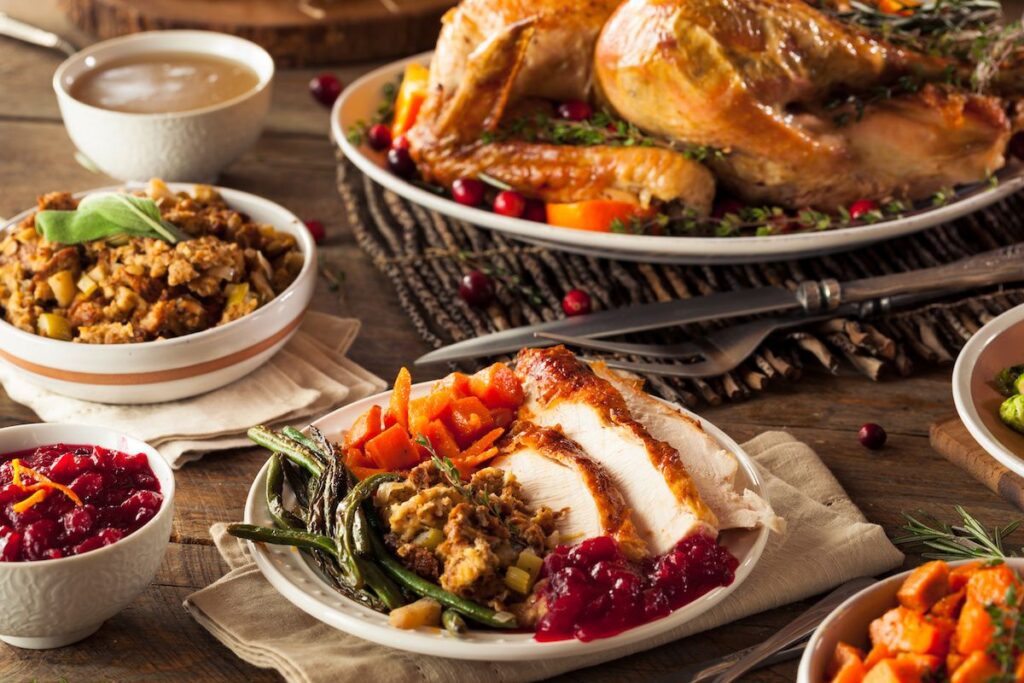
Thanksgiving is one of the busiest cooking days of the year, making it also one of the most common days for home cooking fires. Following these safety tips for Thanksgiving can help reduce the risk of kitchen fires, burns, and foodborne illness while protecting your family and your home. A little preparation before you start cooking can help make your holiday memorable for all the right reasons.
According to the National Fire Protection Association (NFPA), Thanksgiving is the peak day for home cooking fires in the United States, with significantly more cooking fires reported than on any other day of the year.
Common Causes of Kitchen Fires
Understanding the most common causes of kitchen fires is one of the best home safety tips for Thanksgiving.
Many Thanksgiving fires occur because people become distracted while preparing multiple dishes at once.
Common causes include:
- Cooking over high heat
- Leaving food unattended
- Grease fires
- Appliance malfunctions
- Clutter near the stovetop
- Loose clothing catching fire
- Cooking while tired or under the influence of alcohol
Being aware of these hazards can help you prevent accidents before they happen.
Thanksgiving Fire Safety Tips
Practicing good Thanksgiving fire safety habits while cooking is one of the easiest ways to protect your home.
Never Leave Cooking Unattended
Stay in the kitchen whenever you are:
- Frying
- Grilling
- Broiling
- Cooking with oil or grease
If you need to leave the room, even briefly, turn off the burner whenever possible.
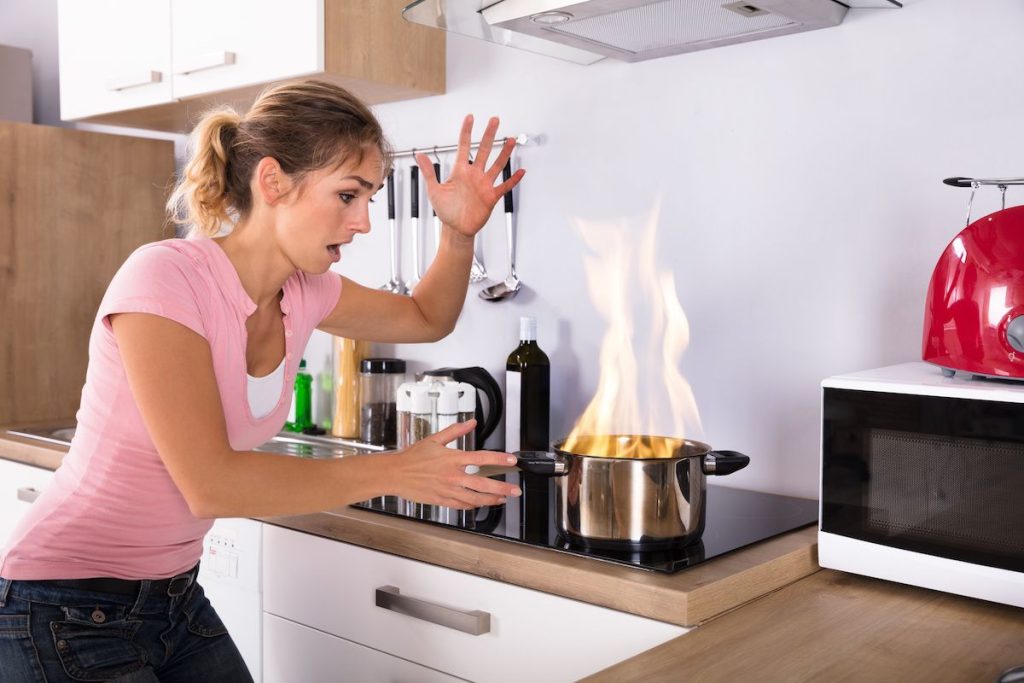
Keep a Lid Nearby for Grease Fires
A grease fire should never be extinguished with water.
Instead:
- Turn off the burner.
- Carefully slide a lid over the pan.
- Leave the lid in place until the pan has cooled completely.
If the fire spreads or you cannot safely control it, leave the home immediately and call 911.
Wear Safe Clothing While Cooking
Loose sleeves, scarves, and dangling clothing can easily catch fire.
For safer cooking:
- Wear short or close-fitting sleeves.
- Tie back long hair.
- Use oven mitts when handling hot cookware.
These small precautions can help reduce the risk of burns during holiday meal preparation.
Keep Children and Pets Away From the Stove
One of the simplest home safety tips for Thanksgiving is creating a child- and pet-free zone around the cooking area.
The NFPA recommends keeping children and pets at least three feet away from the stove and oven whenever cooking is taking place. Hot liquids, steam, and grease can all cause serious burns. For additional seasonal advice, read our Holiday Safety for Pets guide.
Check Smoke Alarms Before Thanksgiving
Smoke alarms provide an early warning if a fire starts.
Before Thanksgiving:
- Test every smoke alarm.
- Replace batteries if needed.
- Make sure alarms are installed on every level of your home.
Working smoke alarms significantly improve your chances of safely escaping a home fire.
Keep a Fire Extinguisher Nearby
A properly maintained fire extinguisher can help control a small grease fire, but only if it is safe to use. Everyone in the household should know:
- Where the extinguisher is located.
- How to operate it.
- When to evacuate instead of attempting to fight a fire.
If the fire spreads quickly, leave the building immediately and contact emergency services.
Consider Battery-Operated Candles
Decorative candles create a festive atmosphere but also increase fire risk.
Battery-operated LED candles provide a safer alternative while still creating a warm holiday setting.
If you’re decorating for multiple holiday celebrations, our Holiday Lights Safety Tips article offers additional guidance for reducing seasonal fire hazards.
Prevent Turkey Fryer Fires
Deep-frying a turkey requires extra caution because hot oil can ignite quickly.
If you use a turkey fryer:
- Follow the manufacturer’s instructions carefully.
- Use the fryer outdoors on a flat, noncombustible surface.
- Keep it well away from buildings, decks, and vehicles.
- Never overfill the fryer with oil.
- Make sure the turkey is fully thawed and dry before lowering it into the hot oil.
Never leave a turkey fryer unattended while it is operating.
Thanksgiving Cooking Safety Tips
Practicing good Thanksgiving cooking safety helps reduce the risk of foodborne illness while ensuring your holiday meal is both delicious and safe to enjoy.
Wash Your Hands and Prepare Food Safely
Before preparing food:
- Wash your hands thoroughly with soap and warm water.
- Wash your hands again after handling raw poultry.
- Clean countertops, utensils, and cutting boards frequently.
Good hygiene helps reduce the spread of bacteria throughout the kitchen.
Prevent Cross-Contamination
One of the most important Thanksgiving safety tips is preventing raw poultry from contaminating ready-to-eat foods.
To reduce the risk:
- Use separate cutting boards for raw meat and vegetables.
- Wash knives and utensils after preparing raw poultry.
- Keep raw turkey away from cooked foods.
- Store raw meat on the lowest refrigerator shelf to prevent drips.
Following USDA food safety recommendations helps reduce the risk of foodborne illness.
Cook Turkey to a Safe Temperature
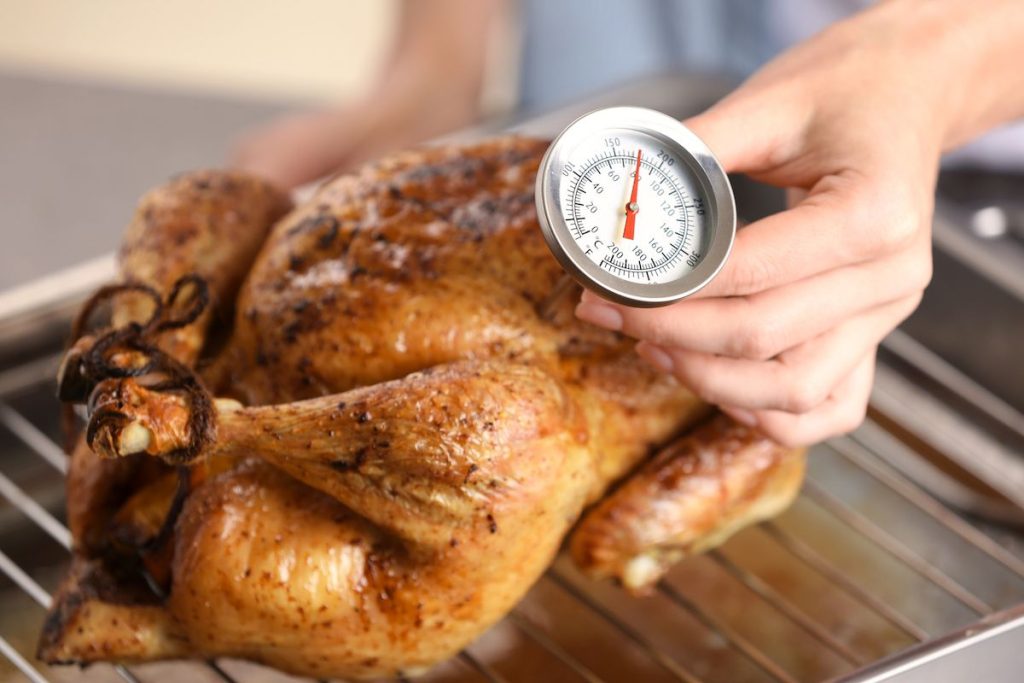
The only reliable way to know your turkey is fully cooked is by using a food thermometer.
The U.S. Department of Agriculture (USDA) recommends cooking turkey to an internal temperature of 165°F.
Remember:
- Do not rely on the color of the meat.
- Check multiple locations, including the thickest part of the breast and thigh.
- Allow the turkey to rest after cooking according to your recipe.
Prepare Stuffing Safely
Stuffing prepared with raw meat, poultry, or shellfish requires extra attention.
For safer preparation:
- Cook raw ingredients before mixing them into stuffing whenever possible.
- Cook stuffing to an internal temperature of 165°F.
- Use a food thermometer to verify doneness.
Proper cooking helps reduce the risk of harmful bacteria surviving inside the stuffing.
Store Leftovers Promptly
One of the most overlooked Thanksgiving cooking safety practices is storing leftovers correctly.
To help prevent bacterial growth:
- Refrigerate leftovers within two hours of serving.
- Divide large portions into shallow containers so they cool more quickly.
- Store leftovers in airtight containers.
- Reheat leftovers to 165°F before eating.
Proper food storage helps reduce waste while keeping your family safe.
Celebrate Thanksgiving Safely
Following these safety tips for Thanksgiving can help reduce the risk of kitchen fires, burns, and foodborne illness while making your holiday more enjoyable. Staying attentive while cooking, practicing proper food safety, and preparing for emergencies can help protect both your loved ones and your home.
If a cooking accident results in fire, smoke, or water damage, PuroClean is ready to help. You can also find your local PuroClean office or explore the PuroClean Blog for more seasonal home safety and property protection tips.
Frequently Asked Questions
What are the most important safety tips for Thanksgiving?
Some of the most important safety tips for Thanksgiving include never leaving cooking unattended, keeping children and pets away from the stove, using a food thermometer to cook turkey to 165°F, and testing smoke alarms before guests arrive.
Why is Thanksgiving the leading day for home cooking fires?
According to the National Fire Protection Association (NFPA), Thanksgiving has more home cooking fires than any other day of the year because people often prepare multiple dishes at once, become distracted, and spend more time cooking.
How can I prevent a grease fire?
Never leave cooking unattended, avoid overheating oil, and keep a lid nearby to smother small grease fires. Never pour water on a grease fire, as it can spread the flames.
What temperature should a Thanksgiving turkey be cooked to?
The USDA recommends cooking turkey to an internal temperature of 165°F, measured with a food thermometer.
How long can Thanksgiving leftovers stay out?
Perishable foods should be refrigerated within two hours of serving. Prompt refrigeration helps reduce the risk of foodborne illness.
What should I do if a Thanksgiving cooking fire damages my home?
Your first priority is getting everyone to safety and calling emergency services if needed. Once the property has been declared safe to enter, find your local PuroClean office to connect with restoration professionals who can assess the damage and begin the recovery process.



