


Table of Contents
Summer storms can cause sudden wind damage, hail impacts, flooding, and power outages, often with little warning. The best way to protect your home is to prepare before storms arrive: secure loose items, manage drainage, review insurance coverage, and know what to do if damage occurs. Planning ahead reduces repair costs, safety risks, and recovery time after severe summer storms.
Why Summer Storms Are So Dangerous
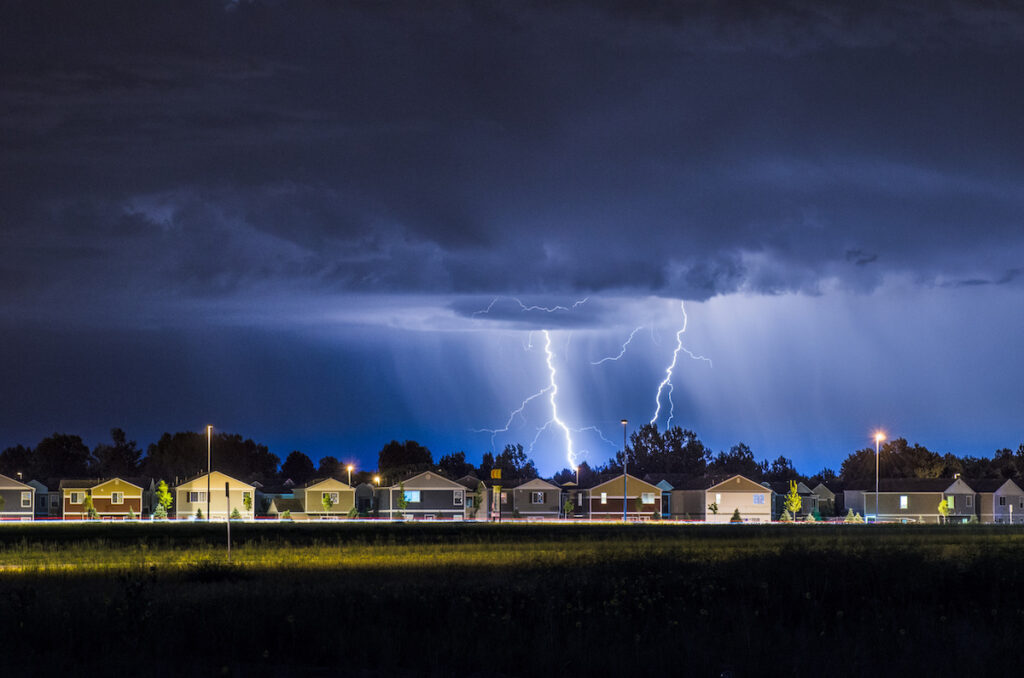
Summer storms are among the most destructive weather events because they combine multiple hazards in a short time frame.
Summer storms are severe weather events common in warmer months, including thunderstorms, high winds, hail, flash flooding, and lightning.
These storms can develop quickly, overwhelm drainage systems, and cause widespread property damage within minutes.
Common Types of Summer Storm Damage
Wind Damage
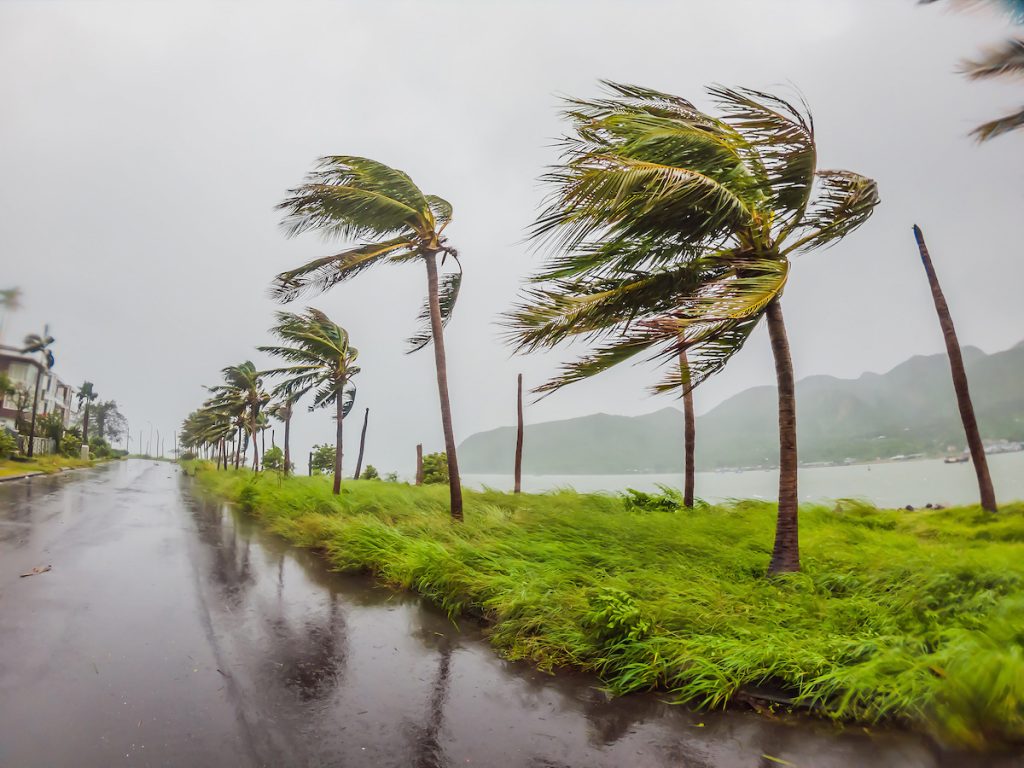
High winds can damage roofs, siding, windows, and fencing. Even moderate gusts can:
- Lift shingles
- Break tree limbs
- Turn outdoor items into projectiles
Fallen trees and debris are also a major cause of secondary damage.
Hail Damage
Hailstones form in strong thunderstorm updrafts and can fall at high speeds. Damage often includes:
- Cracked or punctured roofing
- Dented siding and gutters
- Broken windows and skylights
Severe hail is most common during supercell thunderstorms.
Flooding and Flash Floods
Heavy rainfall can overwhelm storm drains and cause water to enter homes quickly.
- Flash floods can occur within minutes
- Six inches of moving water can knock a person down
- Two feet of water can sweep vehicles away
Important: Most standard homeowners’ policies do not include flood insurance. Coverage should be reviewed before storm season.
Power Outages
Summer storms frequently knock out power due to downed lines and damaged infrastructure. Outages can last hours or days and may cause:
- Food spoilage
- Loss of air conditioning
- Medical equipment disruptions

How to Prepare for the Storm Season
Preparation reduces risk and speeds up recovery.
Home Preparation Checklist
- Secure patio furniture, trash cans, and loose outdoor items
- Trim trees and remove weak branches near your home
- Clean gutters and downspouts to ensure proper drainage
- Inspect your roof for loose or damaged shingles
Emergency Planning
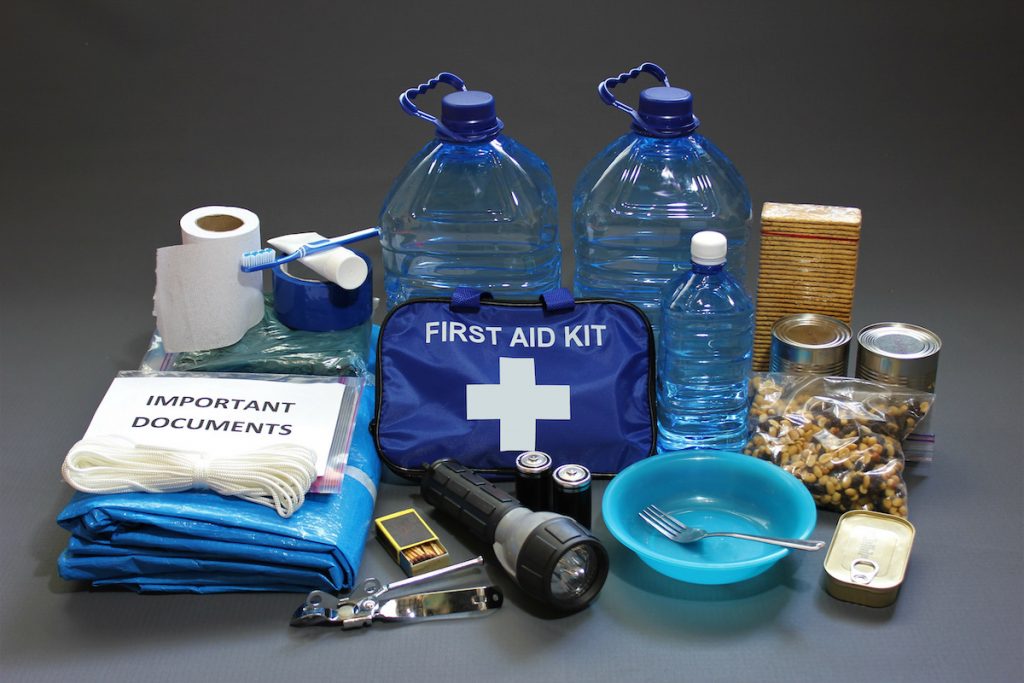
- Prepare an emergency kit with water, flashlights, batteries, medications, and first aid supplies
- Keep phones charged and have backup power banks
- Identify safe areas in your home away from windows
For areas prone to tropical weather, review your hurricane preparedness guide and broader storm preparation resources to ensure full seasonal coverage.
Stay Informed
- Monitor local forecasts regularly
- Keep a battery-powered weather radio available
- Understand the difference between a watch (possible) and a warning (imminent or occurring)
What to Do After Summer Storm Damage
Knowing the right steps after a storm helps prevent further loss.
Immediate Safety Steps
- Avoid entering structurally damaged buildings
- Stay clear of downed power lines
- Do not enter flooded areas until authorities say it’s safe
Document and Report Damage
- Take photos and videos for insurance claims
- Contact your insurance provider as soon as possible
- Do not discard damaged items until instructed
When Professional Help Is Needed
Water intrusion, hidden moisture, and structural damage often require professional assessment. Standing water and damp materials can lead to mold growth if not addressed quickly.
DIY Cleanup vs Professional Restoration
| Situation | DIY Cleanup | Professional Restoration |
|---|---|---|
| Minor exterior debris | ✅ | ❌ |
| Roof or siding damage | ❌ | ✅ |
| Water intrusion or flooding | ❌ | ✅ |
| Hidden moisture or mold risk | ❌ | ✅ |
| Large insurance claims | ❌ | ✅ |
FAQs About Summer Storm Damage
Are summer storms more dangerous than winter storms?
They can be. Summer storms develop faster and often include wind, hail, flooding, and lightning all at once.
How can I protect my home from storm flooding?
Keep gutters clear, ensure proper grading away from your home, and know evacuation routes if flash flooding occurs.
Does homeowners’ insurance cover summer storm damage?
Wind and hail damage are usually covered, but flood damage typically requires separate flood insurance.
When should I call a restoration professional?
If your home has water intrusion, structural damage, or lingering moisture after a storm.
For Professional Storm Damage Restoration, Call PuroClean
Recovering from summer storm damage can be overwhelming. PuroClean provides professional water damage restoration, structural drying, and storm recovery services to help return your property to its pre-loss condition.
Our teams are available 24/7 to respond quickly and minimize further damage.
Call (800) 775-7876 to get help today.
Key Takeaways
- Summer storms can cause wind, hail, flooding, and power outages
- Preparation before storm season reduces damage and stress
- Secure outdoor items and maintain drainage systems
- Flood insurance is not included in most standard policies
- Safety comes first after storm damage
- Water intrusion requires fast professional response
- Planning ahead makes recovery faster and safer



