


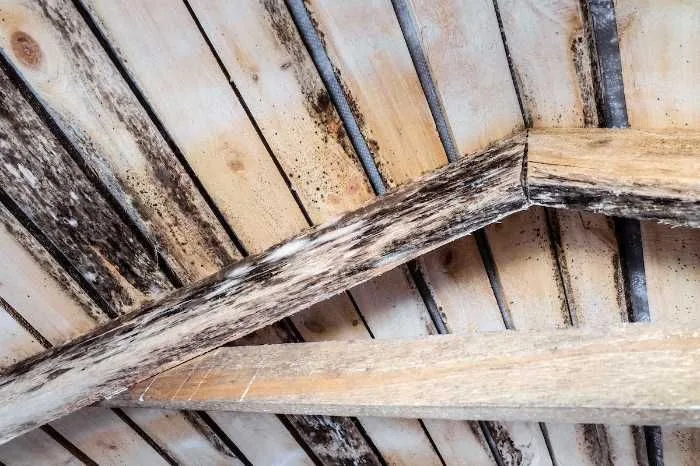

Mold in attic areas is commonly caused by trapped moisture, heat, and poor ventilation. Left untreated, attic mold growth can spread through the home, affect indoor air quality, and damage structural materials. Early detection, proper removal, and moisture control are essential to preventing long-term problems.
Why Mold in Attic Spaces Is So Common
Homeowners are often surprised to discover mold in attic spaces because these areas are rarely visited. However, attics are highly vulnerable to moisture problems due to temperature differences between indoor and outdoor air.
Attic mold typically develops when warm, moist air rises from the living space below and becomes trapped. When this moisture meets cooler attic surfaces, condensation forms, creating the ideal environment for mold spores to grow.
Common attic materials, such as wood framing, roof sheathing, insulation, and stored cardboard, provide organic food sources that allow mold in attic areas to spread quickly.
The Effects of Mold in Attic Areas
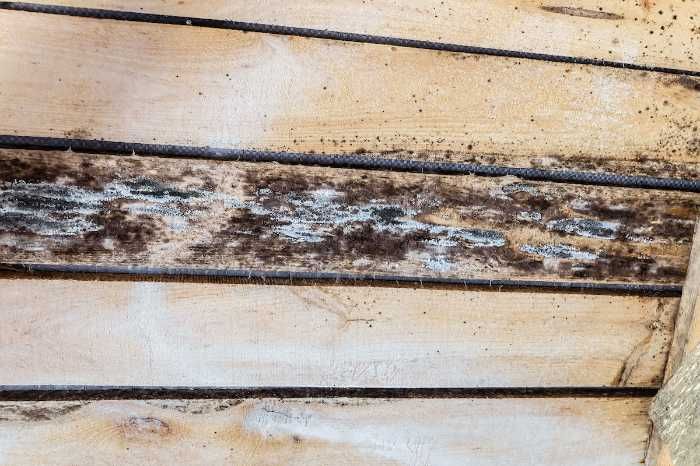
Mold in attic spaces can impact both health and home structure. Mold exposure may aggravate allergies, asthma, and respiratory issues in some individuals, particularly those with pre-existing conditions, and can spread contamination beyond the attic where air leakage paths or HVAC systems are present.
Potential effects of attic mold growth include:
- Musty odors throughout the home
- Worsened allergy or asthma symptoms
- Reduced indoor air quality
- Deterioration of wood beams and roof decking
- Costly structural repairs if left untreated
Once mold spores multiply, air movement through vents and ductwork can spread contamination far beyond the attic, sometimes before visible growth is noticed.
How Mold in Attic Areas Spreads
Mold originates from microscopic mold spores that exist naturally in the air. These spores remain dormant until they encounter consistent moisture and a suitable surface.
In attic environments, mold in attic spaces often spreads due to:
- Roof leaks or damaged flashing
- Improperly vented bathroom fans, kitchen exhausts, or clothes dryers
- Poor attic ventilation causing trapped humid air
- Insufficient or improperly installed insulation
- Air leaks allowing warm indoor air to rise into the attic
When warm, moist air rises and mixes with cooler attic air, condensation forms. This ongoing moisture cycle fuels attic mold growth, especially in poorly ventilated attics.
How to Safely Address Mold in Attic Spaces
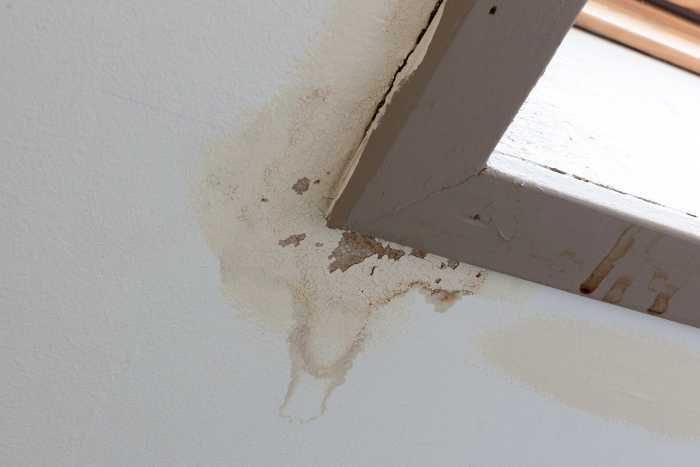
Early intervention makes attic mold remediation far more manageable. However, safety is critical, as even limited exposure to mold spores during cleanup can pose health risks.
Small areas of mold in attic spaces may be manageable with extreme caution. Areas larger than about 10 square feet, or any mold affecting insulation, structural materials, or concealed spaces, are best handled by trained professionals.
Professional mold remediation teams use:
- HEPA filtration and vacuums
- Personal protective equipment (PPE)
- Specialized containment methods
- Advanced drying and air treatment equipment
If mold has spread into hidden areas such as insulation, wall cavities, or roof decking, DIY methods are often ineffective.
Removing Materials Affected by Attic Mold Growth
When mold in attic areas is linked to moisture intrusion, affected porous materials should be removed promptly.
These may include:
- Wet or contaminated insulation
- Cardboard boxes and paper products
- Fabric-based items such as clothing or carpet
- Wood materials showing extensive or persistent mold growth that cannot be effectively cleaned
Removing contaminated materials helps limit further spread and supports effective attic mold remediation.

Fixing the Moisture Source Behind Mold in Attic
Removing visible mold without correcting moisture problems will almost always result in regrowth.
Key corrective steps include:
- Sealing air leaks in ceilings and wall penetrations
- Repairing roof leaks and flashing issues
- Ensuring bathroom and kitchen exhaust fans vent outdoors
- Improving attic ventilation systems
- Verifying insulation is properly installed and balanced
Because warm air rises, maintaining proper airflow and temperature control is essential to preventing condensation that leads to mold in attic spaces.
How to Prevent Future Mold in Attic Problems
Preventing attic mold growth starts with proactive inspections and moisture management.
Recommended prevention strategies include:
- Seasonal attic inspections throughout the year
- Checking ventilation after winter thaw and summer humidity
- Clearing vents of debris in autumn
- Watching for ice dams and condensation in winter
- Ensuring insulation allows proper airflow
- Keeping exhaust fans clean and correctly routed outside
Over-insulation without proper airflow can trap warm, moist air, increasing condensation risk on cold attic surfaces and increasing the risk of mold in attic areas during colder months.
DIY Prevention vs. Professional Mold Remediation
DIY efforts may help with moisture awareness, but professional mold remediation is recommended when:
- Mold in attic areas return after cleanup
- Mold is present on roof sheathing or structural wood
- Musty odors persist throughout the home
- Insulation or framing is affected
- HVAC systems may be circulating spores
Professionals address both attic mold growth and the conditions that caused it, reducing the risk of recurrence.

Frequently Asked Questions About Mold in Attic
Can mold in attic spaces spread to living areas?
Yes. Mold spores from attic areas can move through ductwork and air leaks, affecting indoor air quality throughout the home.
Is attic mold growth always visible?
No. Mold in attic spaces often begins on hidden surfaces such as insulation, roof decking, or behind stored items before becoming visible.
Does attic insulation prevent mold in attic areas?
Proper insulation helps regulate temperature, but poor installation or over-insulation without ventilation can actually increase attic mold growth.
Are roof leaks the main cause of mold in attic spaces?
Roof leaks are a common cause, but poor ventilation and improperly vented exhaust fans are equally frequent contributors to mold in attic problems.
When should I call a professional for attic mold remediation?
If mold in attic areas cover more than a small surface, return after cleanup, or affect wood or insulation, professional mold remediation is strongly recommended.
Contact PuroClean for Professional Mold Remediation
If you suspect or discover mold in attic areas, acting quickly can help prevent health concerns and structural damage. Attic mold growth often indicates underlying moisture issues that require professional attention. Professional mold remediation typically follows industry-recognized standards that emphasize source control, containment, and safe work practices.
PuroClean provides expert mold remediation services, including identifying moisture sources, safely removing mold, and restoring affected areas. Contact your local PuroClean office to address mold in attic spaces and protect your home’s indoor air quality.



