



You may have experienced this situation before: the air in your home feels stuffy, your allergies are acting up, or there’s a lingering musty smell that won’t go away. These issues often lead homeowners to explore ways to improve indoor air quality. At that point, many people face the same question: should you choose an air purifier, a dehumidifier, or both?
Understanding the difference between air purifiers vs. dehumidifiers is essential before deciding which solution fits your home, climate, and health needs. While both devices improve comfort, they address very different problems.
Air purifiers vs. dehumidifiers: the debate comes down to what you want to remove from the air. Air purifiers remove airborne particles like allergens and smoke, while dehumidifiers remove excess moisture that leads to mold and musty odors. Some homes benefit from using both.
What Is an Air Purifier?

An air purifier is designed to clean the air by removing airborne contaminants. Common pollutants targeted by air purifiers include dust, pollen, pet dander, smoke particles, mold spores, and volatile organic compounds (VOCs).
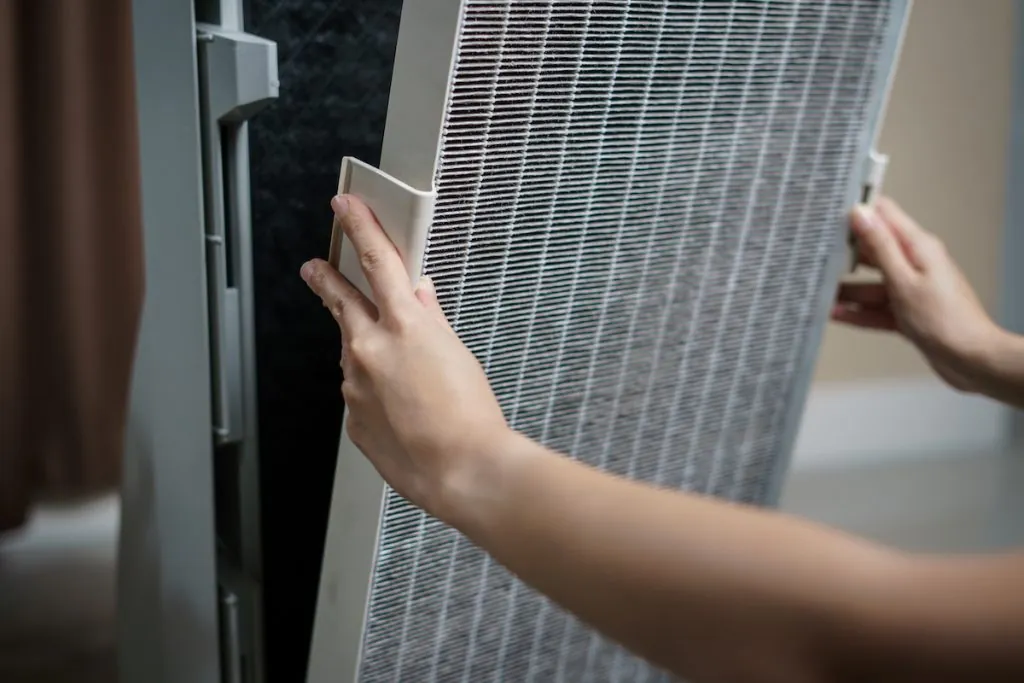
Most air purifiers work by pulling air through one or more filters that trap contaminants before circulating cleaner air back into the room.
Common Air Purifier Technologies
HEPA air purifiers: High-Efficiency Particulate Air filters capture up to 99.97% of particles as small as 0.3 microns. These are widely recommended for allergy and asthma sufferers.
Activated carbon filters: Used to reduce odors, smoke, and chemical gases, are often combined with HEPA filtration.
PECO filtration technology: Photo Electrochemical Oxidation (PECO) technology actively destroys pollutants such as mold, bacteria, viruses, and VOCs, rather than simply trapping them. This newer technology represents a significant advancement in air purification systems.
Ionic air purifiers: Release charged ions to bind particles, though some models may generate ozone, which should be used cautiously.
What Are the Benefits of an Air Purifier?
Air purifiers can be advantageous for many reasons. They can:
Using an air purifier can provide several advantages, especially in homes with allergies or air quality concerns.
Key benefits of air purifiers include:
- Improved indoor air quality
- Reduced allergy symptoms and asthma triggers
- Removal of pet dander and fine dust
- Reduction of smoke particles from cooking or tobacco
- Odor reduction when paired with carbon filtration
- Support for respiratory comfort and overall well-being
While air purifiers can reduce airborne mold spores, they do not address moisture problems that allow mold to grow.
A dehumidifier removes excess moisture from the air. High humidity creates ideal conditions for mold growth, mildew, dust mites, and persistent odors.
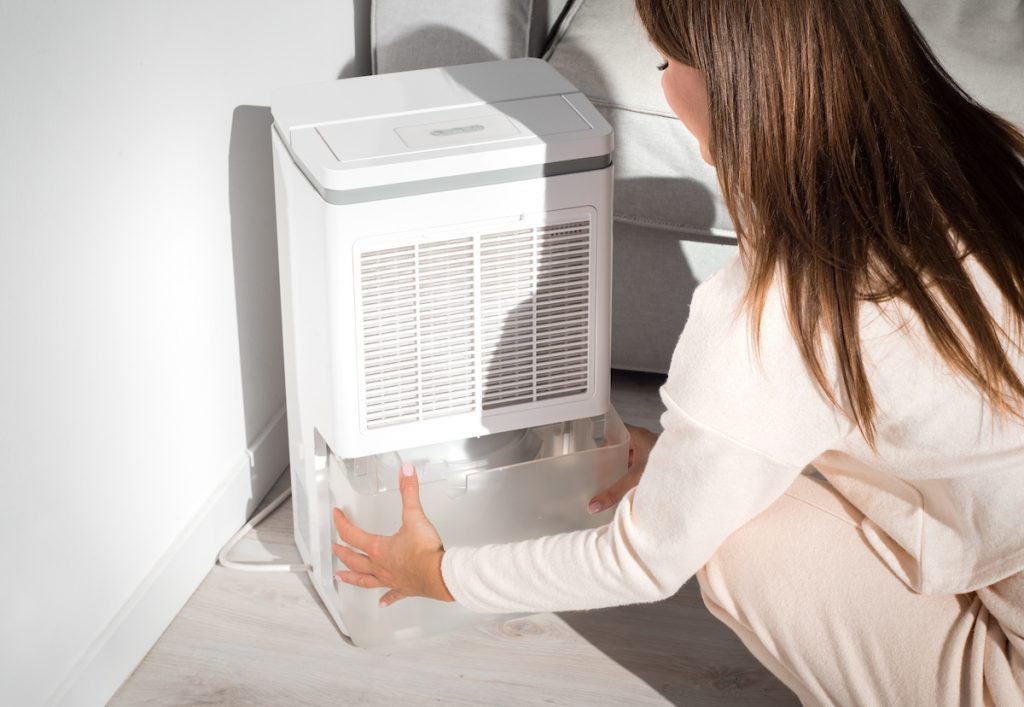
Dehumidifiers work by drawing air across cooled coils. Moisture condenses into water droplets, which collect in a tank or drain through a hose.
Modern whole-home dehumidifiers can integrate with HVAC systems, while portable dehumidifiers are common for basements, bathrooms, and crawl spaces.
What Is a Dehumidifier?
A dehumidifier removes excess moisture from the air. High humidity creates ideal conditions for mold growth, mildew, dust mites, and persistent odors.
Dehumidifiers work by drawing air across cooled coils. Moisture condenses into water droplets, which collect in a tank or drain through a hose.
Modern whole-home dehumidifiers can integrate with HVAC systems, while portable dehumidifiers are common for basements, bathrooms, and crawl spaces.
What Are the Benefits of a Dehumidifier?
A dehumidifier focuses on controlling moisture, which is critical in humid environments or areas prone to dampness.
Key benefits of dehumidifiers include:
- Reduced mold growth by lowering humidity
- Decreased dust mite populations
- Elimination of musty odors
- Protection of wood furniture, flooring, and instruments
- Improved comfort, as humid air feels warmer
- Support for healthier humidity levels indoors
Dehumidifiers prevent mold conditions but do not remove airborne allergens or particles.
Air Purifiers vs. Dehumidifiers: Side-by-Side Comparison
| Feature | Air Purifiers | Dehumidifiers |
|---|---|---|
| Primary function | Remove airborne contaminants | Remove excess moisture |
| Targets | Dust, pollen, smoke, pet dander, VOCs | Humidity, condensation, musty odors |
| Mold control | Reduces airborne spores | Prevents ideal mold growth conditions |
| Odor reduction | Yes (with carbon filters) | Yes (by reducing moisture) |
| Best for | Allergies, asthma, air quality | Damp homes, basements, humid climates |
| Maintenance | Filter replacement or cleaning | Emptying tank or drain setup |
Pros and Cons of Air Purifiers
Pros
- Improve indoor air quality
- Effective for allergy and asthma relief
- Reduce airborne pollutants and smoke
- Quiet operation in most modern models
Cons
- Do not reduce humidity
- Filters require regular replacement
- Less effective against mold sources without moisture control
Pros and Cons of Dehumidifiers
Pros
- Prevent mold growth by controlling humidity
- Reduce musty smells and condensation
- Protect home materials and furnishings
- Improve comfort in humid environments
Cons
- Do not remove airborne particles
- Require regular tank emptying or drainage
- Can generate heat and noise in smaller spaces
Which One Should You Choose?
Choosing between air purifiers vs. dehumidifiers depends on your specific concerns.
Choose an air purifier if:
- Allergies or asthma are your main concern
- You want to remove airborne irritants
- Smoke or pet dander is an issue
Choose a dehumidifier if:
- Your home feels damp or smells musty
- You’re concerned about mold growth
- You live in a humid climate or have a basement
In many homes, especially those with humidity and allergy issues, using both an air purifier and a dehumidifier provides the most complete solution.
PuroClean Is Available 24/7 for Your Restoration Needs
While air purifiers and dehumidifiers help manage indoor conditions, they cannot resolve existing mold damage, water damage, or smoke contamination. If your home has already been affected, professional restoration is essential.
PuroClean is available 24/7 to assist with mold remediation, water damage restoration, and fire and smoke cleanup. Our trained professionals respond quickly to restore your property safely and effectively. Use our online office locator or call (800) 775-7876 to connect with your local PuroClean team.



