


Main takeaway: The best way to fix a flooding yard is to improve drainage and redirect water away from low areas and your home’s foundation. Solutions range from grading and French drains to rain gardens and dry wells, depending on the cause and severity of flooding.
A flooded yard is more than an inconvenience. Standing water can damage your lawn, erode soil, weaken your home’s foundation, and increase the risk of mold and water intrusion. This guide explains how to fix flooding yard issues, what causes them, and which solutions work best for different property types.
Quick Answer: How to Fix Flooding Yard
To fix a flooding yard:
- Identify low spots and poor drainage areas
- Redirect water away from your home
- Improve grading and soil absorption
- Install drainage systems where needed
- Address runoff from roofs and hard surfaces
If flooding persists after heavy rain or snowmelt, call a professional for help.
Why Yard Flooding Happens
Before choosing a solution, it’s important to understand why your yard floods. Most properties experience flooding due to a combination of drainage limitations and weather conditions.
Common causes of yard flooding
- Clay-heavy soil that drains slowly
- Low-lying areas that collect water
- Improper grading toward the house
- Lack of vegetation to absorb moisture
- Roof runoff pooling near foundations
- Snowmelt in colder climates
- Severe or repeated storms
When water has nowhere to go, it settles, often close to your home. Reviewing the top flooding-risk states can also help homeowners understand how regional weather patterns and repeated storms contribute to property flooding.
How to Fix Flooding Yard: 8 Proven Solutions
1. Install a French Drain
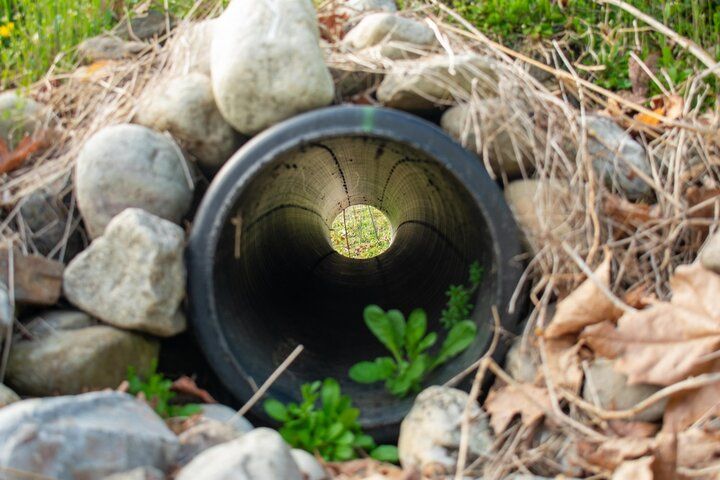
A French drain is one of the most effective long-term solutions for yard flooding. It uses a gravel-filled trench and perforated pipe to collect and redirect water away from problem areas.
Best for:
- Low spots in the yard
- Water collecting near foundations
- Sloped landscapes
French drains quietly move water to a safe discharge point, preventing saturation and erosion.
2. Choose the Right Yard Drainage System
Not all drainage problems require the same fix. Depending on your yard layout, you may need:
- Surface drains for pooling water
- Channel drains for heavy runoff
- Catch basins for large volumes
A drainage professional can help match the system to your property’s terrain and water flow.
3. Improve Yard Grading
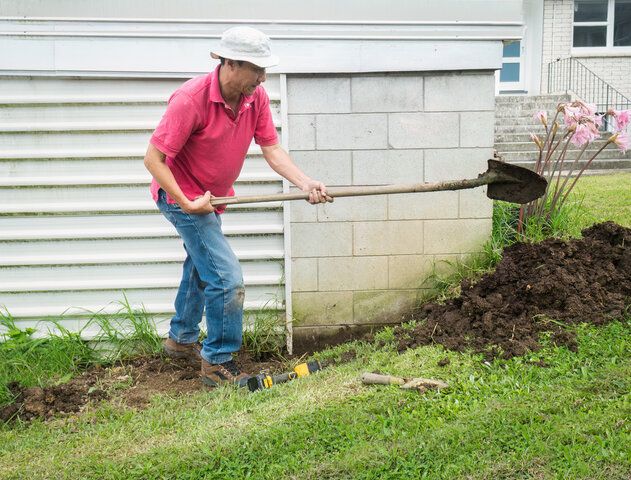
Poor grading causes water to flow toward your house instead of away from it. Regrading reshaping the yard so water drains naturally to safe runoff areas.
Key points:
- Maintain a gentle slope away from the home
- Use erosion-resistant materials
- Follow local building codes
Because grading affects water flow beyond your property, professional guidance is often necessary.
4. Install Storm Drain Channels for Hardscapes
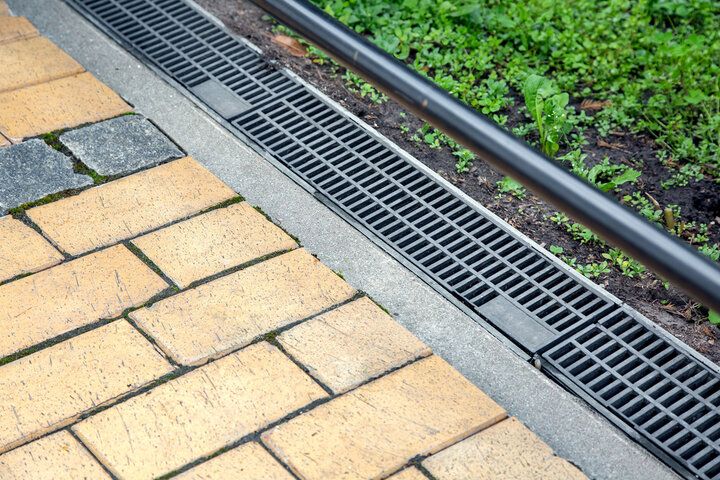
Patios, walkways, and driveways block water absorption. Storm drain channels installed along these surfaces capture runoff and move it away efficiently.
Benefits:
- Protects foundations
- Prevents patio flooding
- Handles heavy rain quickly
These systems combine function with clean, low-profile designs.
5. Use Sump Pumps to Control Groundwater
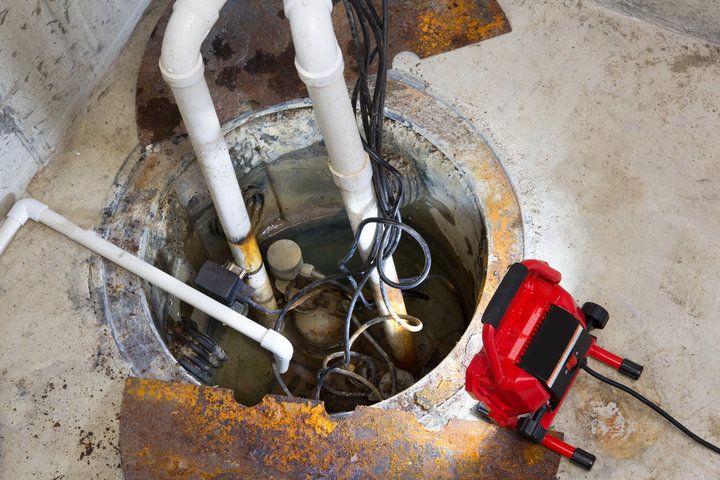
Sump pumps aren’t just for basements. Exterior sump systems can redirect groundwater away from your yard and foundation.
Best for:
- Homes with basement water issues
- High water tables
- Persistent groundwater flooding
6. Use Landscaping Features to Control Water Flow Naturally
Flooding is becoming more common. Proactive landscaping is one of the smartest long-term ways to fix a flooding yard. Strategic landscaping isn’t just about appearance—it controls water movement and keeps it away from vulnerable areas.
Key landscaping strategies that help prevent yard flooding include:
- Proper grading so the ground slopes away from your home (about 6 inches over 10 feet)
- Permeable surfaces like gravel, permeable pavers, or grass pavers that allow water to soak into the soil
- Rain gardens in low-lying areas to collect and absorb runoff naturally
- Swales (shallow, vegetated channels) that guide water safely toward drainage zones
Native plants absorb excess water, stabilize soil, and reduce erosion. Together, these landscaping elements create a natural drainage system that significantly reduces standing water and flooding risk.
7. Install Dry Wells
Dry wells collect water from gutters and downspouts and slowly release it underground. They’re ideal for yards with limited space.
Benefits:
- Managing stormwater discreetly
- Reducing roof runoff flooding
- Preventing soil erosion

8. Call in Professional Landscaping Help
Some flooding problems require more than DIY fixes, especially when poor grading, heavy clay soil, or repeated storm events are involved. Professional landscapers and drainage specialists can assess how water moves across your property and design a tailored solution to fix flooding yard issues permanently.
Professionals may recommend:
- Regrading improper slopes
- Installing French drains, swales, or dry wells together
- Adding retaining walls with proper drainage to control runoff
- Redesigning landscaping to slow and absorb water naturally
If yard flooding has already caused water intrusion into your home, structural issues, or mold concerns, it’s critical to act quickly. In these cases, PuroClean can help. Certified teams respond 24/7 to assess damage, remove water, and prevent further issues, while also offering guidance to reduce future flooding risks.
Call (800) 775-7876 or use the online office locator to connect with your local PuroClean team.
Comparison Table: Yard Flooding Solutions
| Solution | Best For | Pros | Cons |
| French drain | Low spots | Long-term fix | Requires excavation |
| Regrading | Poor slope | Natural drainage | Needs expertise |
| Rain garden | Light flooding | Eco-friendly | Space required |
| Dry well | Roof runoff | Compact solution | Limited capacity |
When Yard Flooding Causes Property Damage
If yard flooding leads to:
- Water entering your home
- Foundation cracks
- Mold growth
- Structural damage
It’s critical to act quickly. Delaying repairs can significantly increase restoration costs. If floodwater has entered your property, consult this water damage restoration guide to understand the cleanup process and the steps needed to prevent further damage.
FAQs: How to Fix Flooding Yard
What is the fastest way to fix a flooding yard?
Redirecting water with surface drains or temporary channels offers quick relief.
Can yard flooding damage my foundation?
Yes. Repeated saturation weakens soil and can lead to cracks or shifting.
Do rain gardens really work?
Yes, for moderate flooding and runoff control.
Is regrading expensive?
Costs vary, but it’s often cheaper than repairing foundation damage later.
When should I call a professional?
If flooding happens after every heavy rain or causes indoor water damage.
Has Yard Flooding Caused Water Damage?
If yard flooding has already led to water damage, mold, or foundation issues, professional help is essential. The cost to fix water damage depends on the extent of the affected area, the materials involved, and how quickly restoration begins. PuroClean provides 24/7 water damage and restoration services.
Call (800) 775-7876 or use the office locator to connect with your local PuroClean team and protect your property today.



