PuroClean of Natick — 841 Worcester St., Suite 334, Natick, MA 01760
Newton was settled in 1630 as part of Cambridge, split off as Cambridge Village in 1681, and took its current name in 1766 before becoming a city — nicknamed “The Garden City” — in 1874. Rather than one downtown, Newton is a patchwork of thirteen villages built around seven hills and roughly twelve miles of Charles River frontage: Auburndale and West Newton in the north, Newton Corner and Newtonville along the old rail corridor, Nonantum — once known as Silver Lake for the pond that was filled in and developed after its mill era ended — Newton Centre and Chestnut Hill inland, and Newton Upper Falls and Newton Lower Falls, both built where early water-powered mills once ran along the Charles. Crystal Lake, a 33-acre spring-fed pond in Newton Centre once called Wiswall’s Pond after the family that settled its shore in 1654, remains one of the city’s defining natural landmarks. Each village keeps its own commercial center, and more than 180 sites across Newton are listed on the National Register of Historic Places, a reflection of just how much pre-1900 construction still stands throughout the city.
That density of old housing stock, spread across thirteen villages with very different building histories, makes Newton one of the more complex damage profiles in our service area. Mill-village construction in Nonantum and the Falls villages carries different risk than the Victorian and converted two-family homes elsewhere in the city, and the Charles River itself remains a live factor for the villages built along its banks. We regularly respond to:
PuroClean of Natick dispatches from 841 Worcester St., Suite 334, and Route 9 carries us directly into Newton, continuing east as Boylston Street through Chestnut Hill and Newton Centre. For Newton Centre and Chestnut Hill calls, we stay on Route 9 and turn onto Centre Street or Hammond Street depending on the block, typically arriving within twenty to twenty-five minutes under normal traffic.
For Auburndale, West Newton, and Newtonville along the northern edge of the city, we take the Massachusetts Turnpike or Route 30 (Commonwealth Avenue) west to east, which runs directly through those village centers. For Nonantum and Newton Corner, we typically approach via Watertown Street or the Pike, and for Newton Upper Falls and Newton Lower Falls, we come in off Route 9 or Needham Street along the Charles River.
Because Newton’s thirteen villages each have their own street layout, commercial center, and traffic pattern, our dispatcher confirms which village and cross street a call is coming from before routing a crew, rather than treating Newton as a single destination. That village-by-village familiarity is part of why we can give an accurate ETA in a city where two addresses a mile apart can mean two very different drives.
Newton’s water risk starts with the Charles River, which wraps roughly twelve miles around the city’s northern and western edge, running directly past Auburndale, Newton Lower Falls, and Newton Upper Falls. Homes in these villages were often built specifically because of the river’s early water-power advantage, and that same proximity today means elevated groundwater and periodic flood concern during spring snowmelt and after sustained rain, particularly in the low-lying areas near the old mill sites.
Newton’s age is the other defining factor. With more than 180 National Register-listed sites and dense concentrations of pre-1900 construction across nearly every village, a large share of Newton’s housing predates 1978, which means EPA RRP-compliant lead-safe work practices apply to demolition on a significant share of the calls we take here, and older homes in Nonantum, Newton Upper Falls, and similar mill-era neighborhoods often carry asbestos-containing pipe insulation, floor tile, and duct wrap that require testing and licensed abatement before any wall or floor comes out. Original plumbing, aging heating systems — including oil-fired burners prone to puff-back, which distributes soot throughout a house rather than just at the source — and foundations built without modern waterproofing are common across the city’s older stock.
Newton’s mix of dense two- and three-family conversions, condominiums, and single-family homes adds a shared-building dimension not present in more purely single-family towns: a failure in one unit or one floor routinely affects a neighbor below or beside it, raising the same unit-boundary and master-policy questions that come up in any densely built city. New England’s usual seasonal drivers — ice damming on older, lower-slope roofs, frozen pipes in unheated additions and crawl spaces, and nor’easter wind and tree damage through Newton’s mature canopy — apply throughout the city, but the age and construction of the specific building usually determines how severe the resulting loss becomes.
Owned & Operated by Nigel Belgrave
841 Worcester St., Natick, MA, 01760
(781) 474-0200
Water damage can result from unexpected leaks, flooding from storms, plumbing failures, or appliance malfunctions. Our certified teams focus on rapid water removal, drying, and stabilization to help prevent further damage and mold growth.
 Explore Our Water Damage Mitigation Services
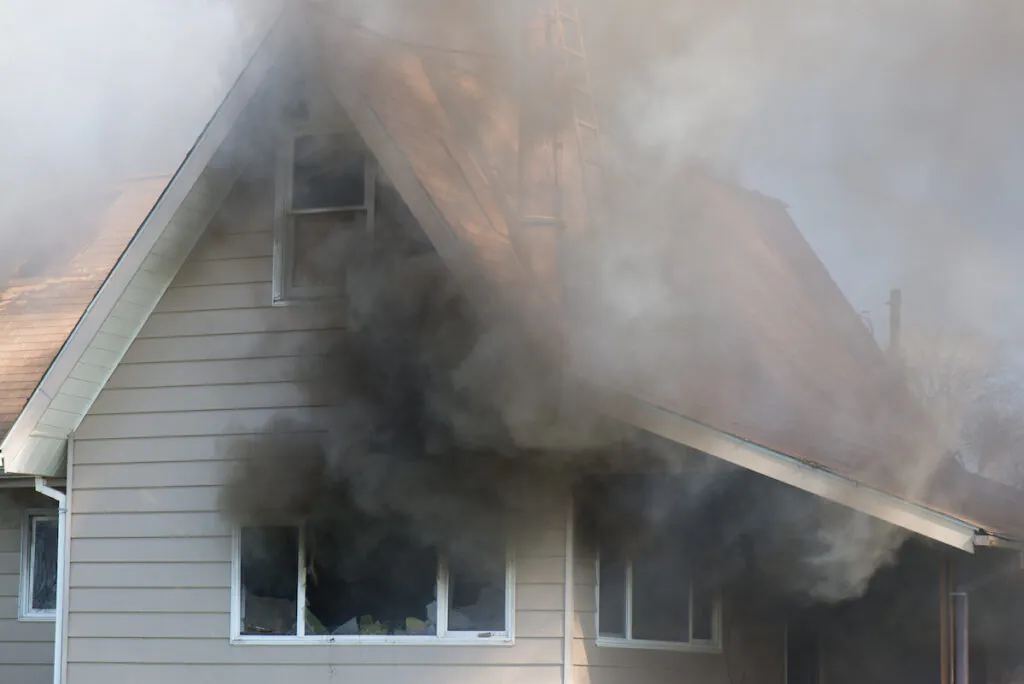
Even after a fire is extinguished, smoke, soot, and odor can continue to affect your home. Fire damage restoration services address visible damage while also helping reduce lingering effects that impact indoor air quality and surfaces.
Explore Our Fire and Smoke Damage Restoration Services
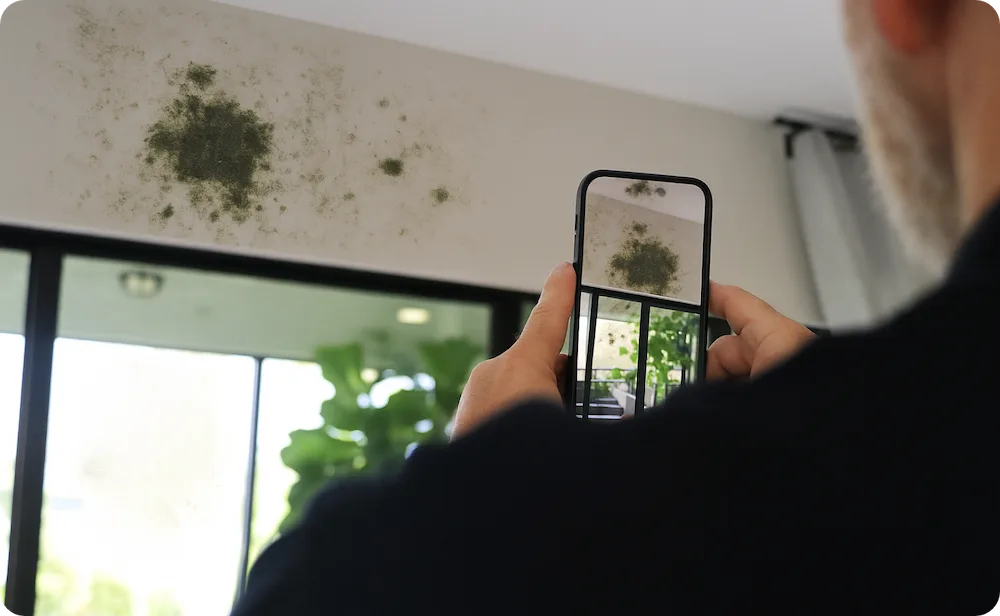
Mold often develops as a result of unresolved moisture or hidden water damage. Professional mold remediation helps identify affected areas, contain growth, and restore healthy indoor conditions.
Explore Our Mold Removal and Remediation Services
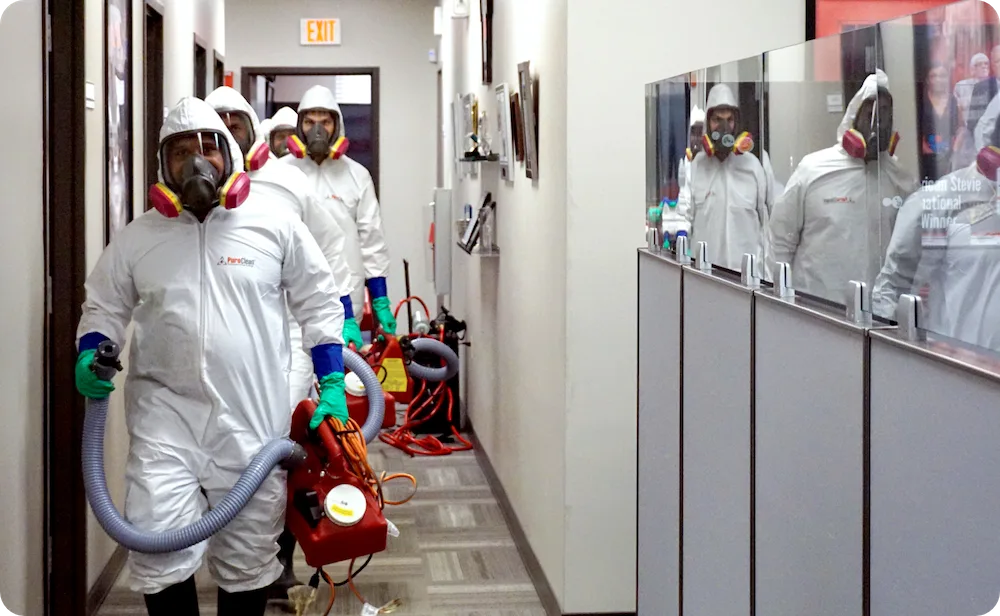
Biohazard situations, including crime scene cleanup and virus decontamination, require specialized cleaning and handling to protect health and safety. Biohazard cleanup services address contamination using proper protocols and professional care.
Explore Our Biohazard Cleanup Services
PuroClean provides 24/7 commercial property damage restoration services for businesses and facilities across the United States.
Explore Our Commercial Services
Water damage can result from unexpected leaks, flooding from storms, plumbing failures, or appliance malfunctions. Our certified teams focus on rapid water removal, drying, and stabilization to help prevent further damage and mold growth.
Explore Our Water Damage Mitigation Services
Answers for Newton homeowners and business owners dealing with water, mold, fire, or storm damage.
Auburndale, along with Newton Lower Falls and Newton Upper Falls, sits directly on the Charles River in areas that were originally settled for the river’s water power. Homes close to the riverbank see elevated groundwater and periodic flood concern that tracks the river’s seasonal levels, especially during spring snowmelt and after sustained rain. Risk varies significantly by exact elevation and distance from the bank, so we measure moisture at your specific foundation and can tell you honestly whether your home’s pattern reflects real river exposure or a separate drainage issue.
Likely yes. Puff-back is a malfunction in an oil-fired burner that distributes fine soot throughout the ductwork and living space rather than containing it near the unit, and it’s especially common in Newton’s older homes that still run oil heat. The soot is corrosive to metals and electronics and settles into fabrics, carpets, and HVAC systems well beyond the immediate area around the burner. We assess the full extent of the spread, including inside the HVAC system, before cleaning, since treating only the visible soot typically leaves residue that continues to circulate and re-settle.
Newton has one of the highest concentrations of converted two- and three-family homes and condominiums in our service area, and a failure in one unit affecting another is one of our most common calls here. Responsibility typically depends on the unit boundary definitions in your condo documents or the property’s insurance structure, and whether the source was a shared system or something specific to the unit above. We document the source and affected areas clearly enough for both owners and their insurers to work from the same facts, and we coordinate with all parties throughout.
Homes from Newton Upper Falls’ mill era and other pre-1978 neighborhoods often contain asbestos-containing materials — pipe insulation, floor tile and mastic, and duct wrap — that require testing and, if positive, licensed abatement before any demolition can proceed. This step, along with EPA RRP lead-safe work practices required in any pre-1978 home, adds time that’s easy to underestimate if it isn’t flagged early. We test proactively on older Newton homes and communicate the timeline as soon as we know it, rather than surprising you mid-project.
The technical standard is identical everywhere — the same moisture readings, containment practices, and documentation — but the buildings differ significantly by village. Nonantum’s dense, closely built mill-era housing tends toward shared-wall and shared-system losses and calls for tighter containment in close quarters, while Chestnut Hill and Newton Centre more often involve larger single-family homes with more room to work. Wherever you are among Newton’s thirteen villages, you get a live answer, a specific ETA, and a technician who explains the scope in plain language.
Auburndale, along with Newton Lower Falls and Newton Upper Falls, sits directly on the Charles River in areas that were originally settled for the river’s water power. Homes close to the riverbank see elevated groundwater and periodic flood concern that tracks the river’s seasonal levels, especially during spring snowmelt and after sustained rain. Risk varies significantly by exact elevation and distance from the bank, so we measure moisture at your specific foundation and can tell you honestly whether your home’s pattern reflects real river exposure or a separate drainage issue.
Likely yes. Puff-back is a malfunction in an oil-fired burner that distributes fine soot throughout the ductwork and living space rather than containing it near the unit, and it’s especially common in Newton’s older homes that still run oil heat. The soot is corrosive to metals and electronics and settles into fabrics, carpets, and HVAC systems well beyond the immediate area around the burner. We assess the full extent of the spread, including inside the HVAC system, before cleaning, since treating only the visible soot typically leaves residue that continues to circulate and re-settle.
Newton has one of the highest concentrations of converted two- and three-family homes and condominiums in our service area, and a failure in one unit affecting another is one of our most common calls here. Responsibility typically depends on the unit boundary definitions in your condo documents or the property’s insurance structure, and whether the source was a shared system or something specific to the unit above. We document the source and affected areas clearly enough for both owners and their insurers to work from the same facts, and we coordinate with all parties throughout.
Homes from Newton Upper Falls’ mill era and other pre-1978 neighborhoods often contain asbestos-containing materials — pipe insulation, floor tile and mastic, and duct wrap — that require testing and, if positive, licensed abatement before any demolition can proceed. This step, along with EPA RRP lead-safe work practices required in any pre-1978 home, adds time that’s easy to underestimate if it isn’t flagged early. We test proactively on older Newton homes and communicate the timeline as soon as we know it, rather than surprising you mid-project.
The technical standard is identical everywhere — the same moisture readings, containment practices, and documentation — but the buildings differ significantly by village. Nonantum’s dense, closely built mill-era housing tends toward shared-wall and shared-system losses and calls for tighter containment in close quarters, while Chestnut Hill and Newton Centre more often involve larger single-family homes with more room to work. Wherever you are among Newton’s thirteen villages, you get a live answer, a specific ETA, and a technician who explains the scope in plain language.
What Our Customers Say:
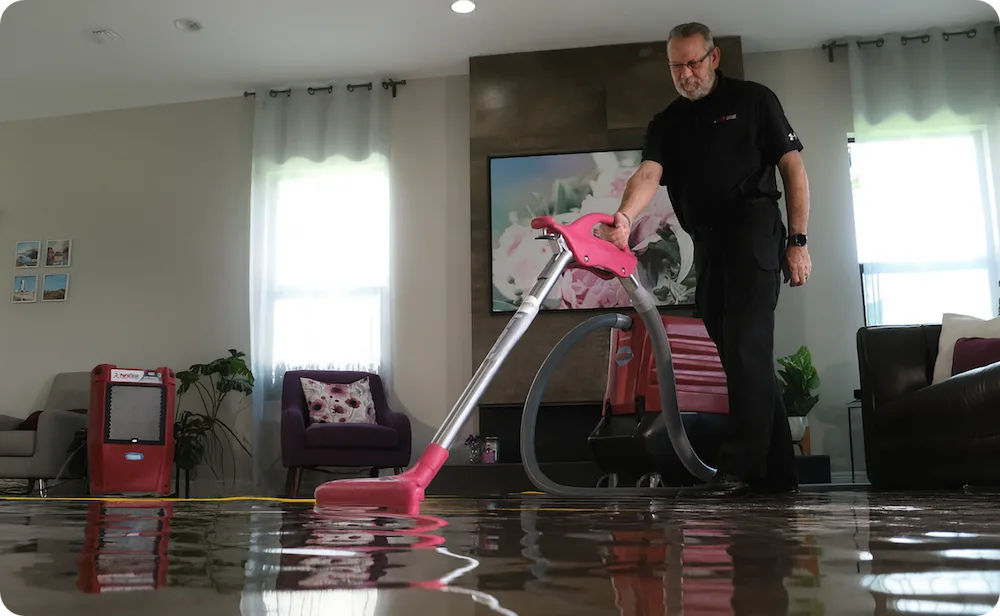
When you need water damage restoration services near you, call the experts at PuroClean. We are here day or night, 24/7, to help remove any standing water quickly and begin your water restoration service. We monitor the drying process so you can rest assured that your property is dried thoroughly. We offer commercial water restoration services for businesses and residential water damage restoration for homeowners.

PuroClean of Natick
(781) 474-0200
841 Worcester St., Suite 334, Natick, MA 01760


© 2026 PuroClean. All Rights Reserved.