


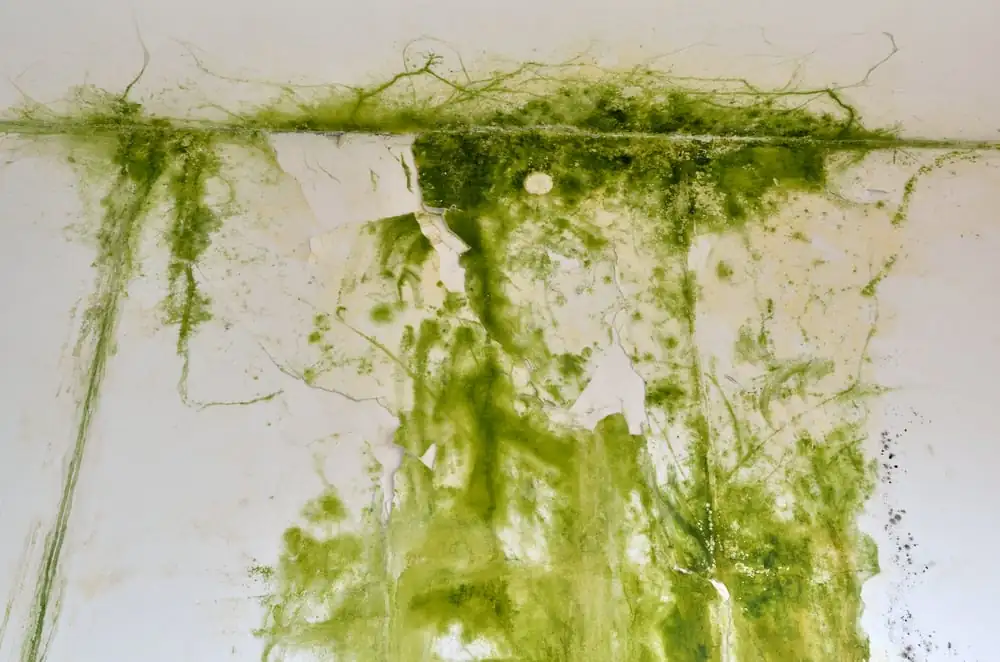

Green mold is a common type of household mold that appears in various shades of green and grows in damp environments. It is not a single species but a group of fungi, most commonly Cladosporium, Aspergillus, and Penicillium. Green mold can grow on food, walls, carpets, and other moist surfaces in the home. While not always highly toxic, it can trigger allergies, respiratory problems, and asthma symptoms, especially with long-term exposure. Because mold spreads quickly through airborne spores, it should be removed promptly and the moisture source addressed.
What is Green Mold?
Green mold is an umbrella term that refers to different species of fungi that grow in shades of green. It appears sGreen mold is a general term for several types of fungi that appear green in color. These molds reproduce by releasing microscopic spores that travel through the air and settle on damp surfaces.
When the environment has moisture and organic material, mold spores can grow rapidly and form visible colonies.
Common Types of Green Mold
Several species of mold can appear green indoors.
Cladosporium
- Olive-green or dark green color
- Often found on plants and organic materials
- Can grow on walls, cabinets, and fabrics
Aspergillus
- Frequently appears on spoiled food like bread or fruit
- Can grow in basements, attics, and HVAC systems
Penicillium
- Typically blue-green in color
- Known for producing the antibiotic penicillin
- Thrives on damp materials such as insulation, carpets, and wallpaper
Because different species can look similar, visual identification alone cannot confirm the exact type of mold.
Where Does Green Mold Grow in Homes?
Green mold develops anywhere moisture is present, especially in areas where water damage, humidity, or condensation occur. Common locations include bathrooms, basements, crawl spaces, attics, laundry rooms, carpets, and HVAC systems.
For example, mold often appears in damp foundations and poorly ventilated subfloors, which is why moisture control is critical in areas such as crawl spaces, where hidden humidity can allow mold colonies to develop and spread as described in this guide on preventing crawl space mold.Mold can begin growing within 24–48 hours after water exposure, according to industry standards from organizations like the Institute of Inspection Cleaning and Restoration Certification (IICRC).
Green Mold vs. Algae
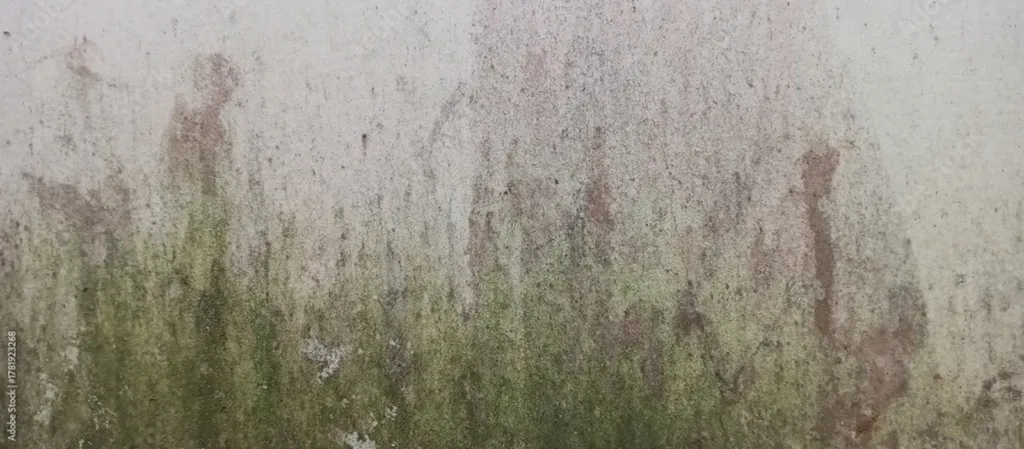
Green mold is sometimes mistaken for algae because both organisms can appear green on surfaces. However, they differ significantly in structure, growth patterns, and environmental roles.
| Feature | Green Mold | Algae |
| Type | Fungus | Photosynthetic organism |
| Growth method | Spreads through airborne spores | Grows through photosynthesis |
| Typical environment | Damp indoor surfaces | Water and outdoor environments |
| Appearance | Fuzzy, powdery, or velvety | Slimy or film-like |
| Impact | Can affect indoor air quality | Typically harmless indoors |
Algae usually develop in areas exposed to water and sunlight, while mold spreads in damp indoor environments where moisture accumulates.
Is Green Mold Dangerous?
Green mold can pose health risks, especially with prolonged exposure in enclosed indoor environments. Although not all molds produce toxins, mold spores can irritate the respiratory system and trigger allergic reactions.
Exposure may lead to symptoms such as:
- Nasal congestion
- Sneezing and coughing
- Eye irritation
- Skin irritation
- Asthma flare-ups
People with allergies, asthma, or weakened immune systems are typically more sensitive to mold exposure. Because mold spores spread easily through the air, visible growth should be removed promptly and the underlying moisture problem corrected.
How to Remove Green Mold
Small areas of mold can sometimes be cleaned using household disinfectants, although larger infestations often require professional remediation.
Step-by-Step Mold Removal
1. Identify the moisture source
Leaks, condensation, or water intrusion frequently cause mold growth, particularly in areas such as basements where persistent moisture problems occur if drainage or waterproofing issues are not addressed, as explained in these tips for keeping water out of your basement.
2. Protect yourself
Wear protective equipment including:
- Gloves
- Eye protection
- An N95 mask or respirator
3. Clean the affected surfaces
For small patches on non-porous materials:
- Apply a mold-removal cleaner or diluted bleach solution
- Scrub the surface thoroughly
- Dispose of contaminated materials safely
4. Dry the area completely
Use fans, ventilation, or dehumidifiers to eliminate excess moisture.
5. Replace damaged materials
Porous materials such as drywall, insulation, or carpeting may require replacement if mold growth has penetrated deeply.
How to Prevent Green Mold
Preventing mold growth requires controlling indoor moisture and improving ventilation, particularly in high-humidity rooms such as bathrooms where condensation from showers and sinks frequently creates ideal conditions for mold development, an issue commonly addressed in guides covering bathroom mold prevention and removal.
Effective prevention strategies include:
- Keeping indoor humidity below 50%
- Using bathroom and kitchen exhaust fans
- Fixing plumbing leaks promptly
- Drying wet materials within 24–48 hours
- Improving ventilation in enclosed spaces
Maintaining proper airflow and moisture control throughout the home significantly reduces the likelihood of mold growth.
When to Call a Mold Remediation Professional
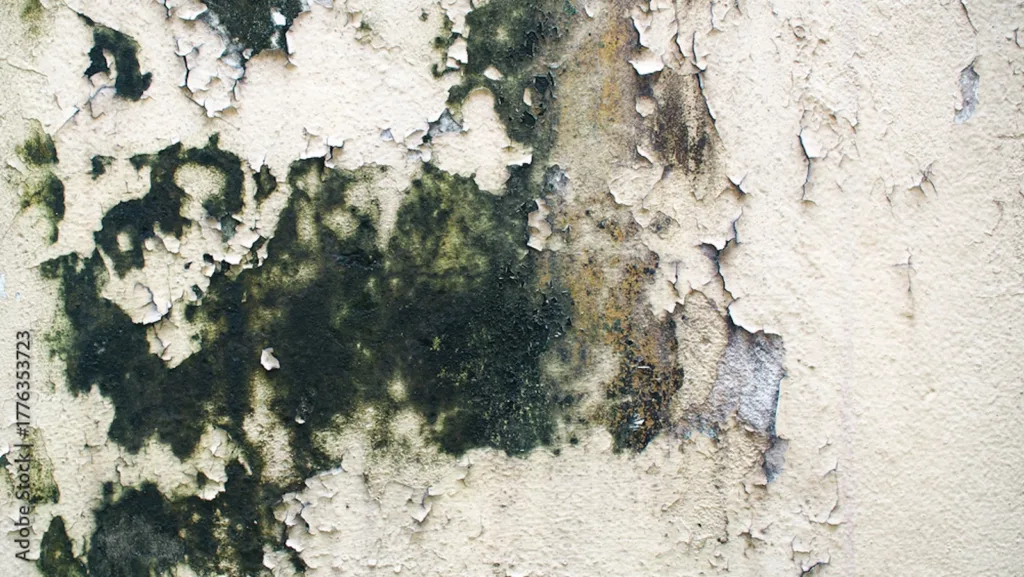
Professional remediation may be necessary when mold covers a large area, repeatedly returns after cleaning, or spreads inside walls, insulation, or HVAC systems. Water damage from leaks, floods, or hidden moisture can allow mold to spread beyond visible surfaces.
Certified mold remediation professionals use specialized equipment such as air scrubbers, containment barriers, and moisture detection tools to remove contamination safely and prevent spores from spreading to unaffected areas.
Professional Help for Green Mold Problems
If green mold appears after water damage, leaks, or flooding, professional remediation may be necessary to eliminate contamination and prevent it from returning.
PuroClean’s certified restoration professionals use advanced moisture detection equipment and containment systems to remove mold safely and restore indoor environments.
Contact yourlocal PuroClean office for a professional inspection and customized remediation plan.
FAQs
What causes green mold in homes?
Green mold grows when airborne spores land on damp surfaces containing organic material, such as wood, drywall, dust, or fabric. Moisture from leaks, flooding, or humidity usually triggers mold growth.
Is green mold worse than black mold?
Not necessarily. Mold color does not determine toxicity. Both green and black mold can cause respiratory irritation, allergies, and indoor air quality problems.
Can I remove green mold myself?
Small patches on non-porous surfaces can often be cleaned with disinfectants. However, widespread mold growth or mold inside structural materials typically requires professional remediation.
What does green mold look like?
Green mold often appears fuzzy, powdery, or velvety and can range from light green to dark olive. It typically spreads outward in irregular patches.
How fast does green mold grow?
Mold can begin growing within 24–48 hours after moisture exposure, particularly in warm and humid environments.
Further reading:
- How to Prevent and Remove Mold Growth in the Laundry Room
- Mold in Attic: A Common Problem for Homeowners
- Preventing and Treating Mold on Houseplants
- How to Prevent Mold in HVAC Systems
- How to Prevent Mold Growth in Your Closets
- Prevent Mold on Carpets with These 5 Tips
- Tips to Remove Mold from Washing Machines



