


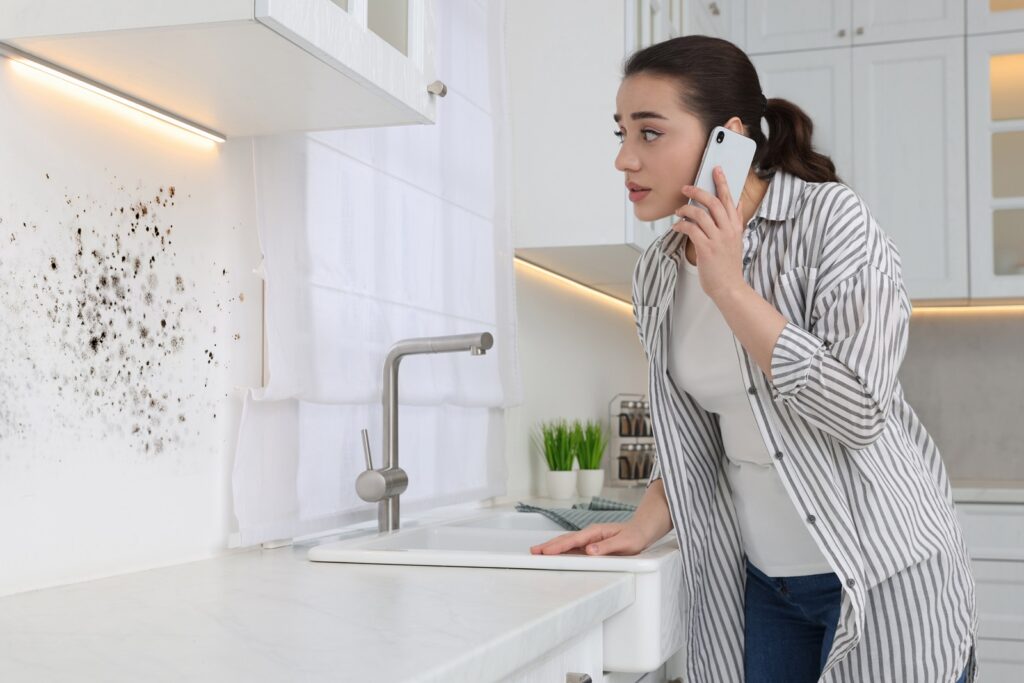

Black mold remediation is the process of safely removing mold growth and addressing the moisture problems that allow it to develop. Because mold can spread quickly and affect indoor air quality, remediation should focus on containing contamination, removing affected materials, and eliminating moisture sources.
Understanding how black mold grows and how remediation works can help you respond quickly and prevent further damage.
What Is Black Mold?
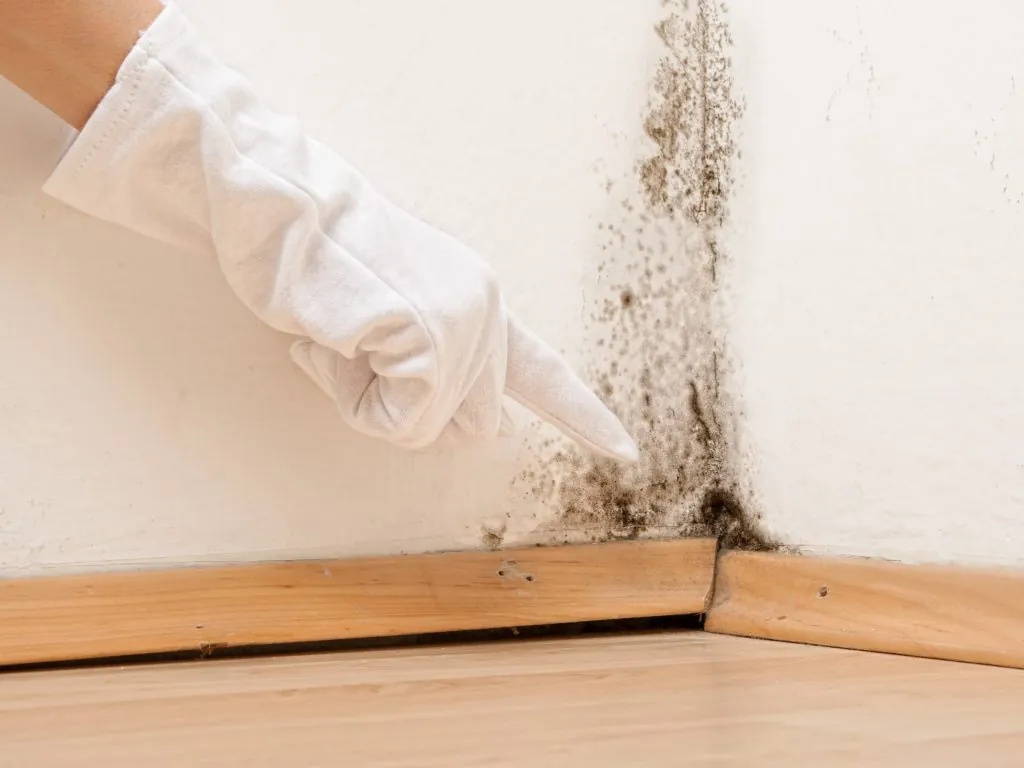
Black mold is a general term used to describe dark-colored mold species, often including Stachybotrys chartarum. These fungi thrive in damp, humid environments and can grow on many surfaces, including:
- Drywall
- Wood
- Carpet
- Ceiling tiles
- Insulation
- Wallpaper
Mold reproduces through microscopic spores that are always present in the air. When spores land on moist surfaces, they can begin growing within 24–48 hours.
Common places where black mold develops include:
- Bathrooms
- Basements
- Around leaking pipes
- Under sinks
- Behind drywall or wallpaper
- Areas affected by water damage
Not all mold is visible. In many cases, hidden mold grows behind walls or flooring.
Is Black Mold Dangerous?
Black mold can cause health symptoms and respiratory irritation, especially in people who are sensitive to mold.
Possible health effects include:
- Allergic reactions
- Coughing or sneezing
- Eye or throat irritation
- Asthma flare-ups
- Headaches or fatigue
Children, pets, older adults, and individuals with asthma or weakened immune systems may be particularly sensitive to mold exposure. If you want to understand the long-term health considerations of black mold exposure for vulnerable household members, see this guide on black mold, children, and pets.
Because of these risks, mold growth should always be addressed quickly.
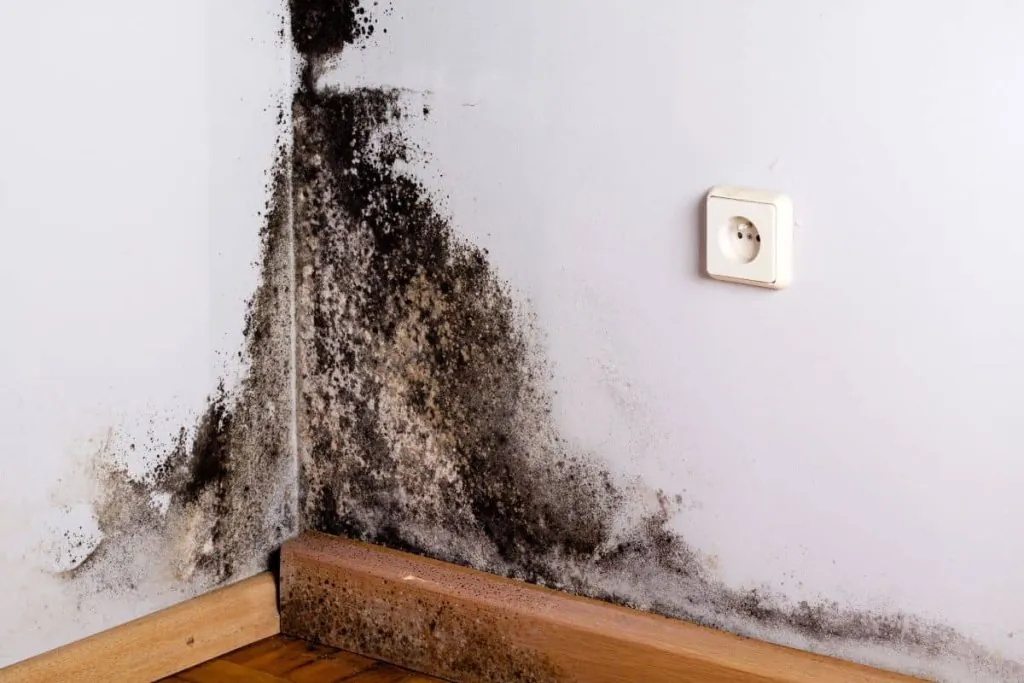
Black Mold Removal vs. Mold Remediation
Many people use the terms interchangeably, but they mean slightly different things.
| Term | Meaning | Goal |
| Mold Removal | Cleaning visible mold from surfaces | Eliminate surface growth |
| Mold Remediation | Full professional process to control contamination | Remove mold and prevent regrowth |
Professional remediation focuses on identifying moisture sources, containing spores, cleaning contaminated materials, and restoring safe indoor conditions.If mold growth is extensive or recurring, professional help may be necessary. PuroClean offers professional mold removal and remediation services designed to safely eliminate contamination and restore indoor air quality.
When DIY Black Mold Removal Is Safe
According to EPA guidance, homeowners may clean mold if it’s not too serious and there is no ongoing moisture problem.
DIY cleanup may be appropriate when:
- Mold is limited to a small area
- The growth is on non-porous surfaces
- There are no health concerns among occupants
- The moisture source has been fixed
Larger infestations, hidden mold, or contamination in HVAC systems should always be handled by professionals.
Step-by-Step Black Mold Remediation (Small Areas)
If the affected area is small, these basic mold cleanup steps can help reduce contamination.
1. Identify and Fix the Moisture Source
Mold will return if moisture problems remain.
Common causes include:
- Leaking pipes
- Roof leaks
- Flood damage
- Poor bathroom ventilation
- Condensation around windows or HVAC systems
Always fix the source before attempting mold removal.
2. Wear Proper Protective Equipment
Personal protective equipment (PPE) helps reduce exposure to mold spores.
Recommended protection includes:
- N-95 respirator mask
- Safety goggles
- Rubber gloves
- Long sleeves and closed shoes
Avoid direct skin contact with contaminated materials.
3. Improve Ventilation
Proper airflow helps reduce airborne spores.
Open windows and doors if possible and use:
- Exhaust fans
- Portable fans
- Dehumidifiers
Maintaining humidity below 50% helps prevent mold growth.
4. Clean the Mold-Affected Surface
For small areas on non-porous surfaces:
- Apply a commercial mold cleaner or homemade solution.
- A common mixture includes equal parts white vinegar and water with baking soda.
- Spray the solution on the affected surface.
- Allow it to sit for 30–60 minutes.
- Scrub with a sponge or brush.
- Dry the surface completely.
Repeat if necessary until visible mold is removed.
5. Dispose of Contaminated Materials
Porous materials such as:
- Carpet
- Ceiling tiles
- Insulation
- Drywall
May need to be removed and discarded if mold growth is extensive. These materials can trap spores and allow mold to return.
How to Prevent Black Mold Growth
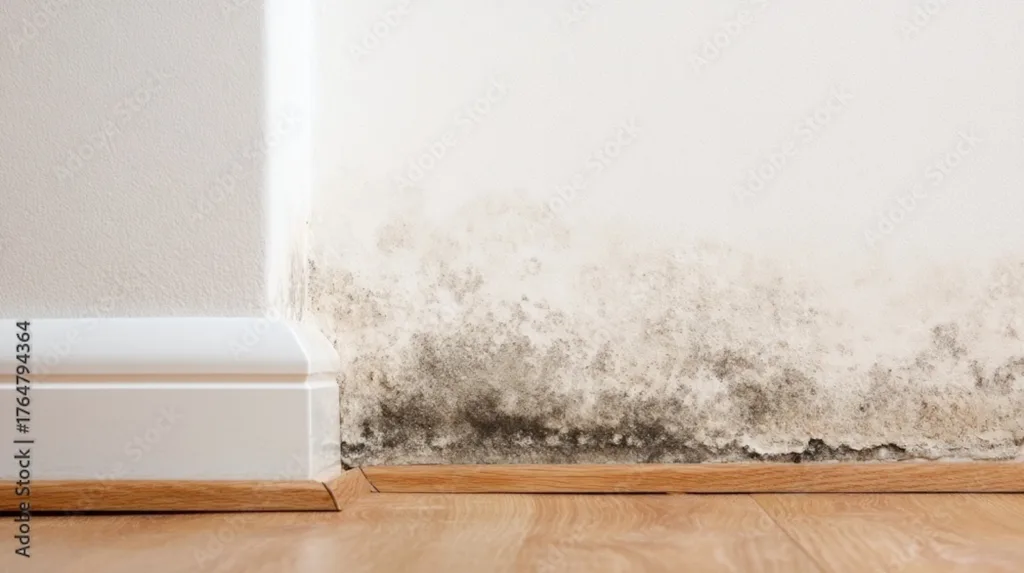
Preventing moisture buildup is the most effective way to stop mold growth.
Key prevention tips include:
- Keep indoor humidity below 50%
- Use exhaust fans when cooking or showering
- Repair plumbing leaks immediately
- Maintain proper roof drainage
- Dry water-damaged areas within 24–48 hours
- Install dehumidifiers in basements or humid areas
Regular inspections after water damage can also help detect mold early.
Why Professional Mold Remediation Is Often Necessary
Professional mold remediation services use specialized equipment and procedures to safely manage contamination.
A professional restoration team may use:
- HEPA air filtration systems
- Containment barriers
- Negative air pressure
- Moisture detection tools
- Commercial dehumidifiers
- Antimicrobial treatments
These methods help prevent mold spores from spreading to other areas of the property.
Professional remediation is strongly recommended when:
- Mold returns after cleaning
- HVAC systems are contaminated
- The property has experienced major water damage
Frequently Asked Questions
How do you get rid of black mold permanently?
Permanent mold removal requires fixing the moisture source first, then cleaning or removing contaminated materials. Without addressing humidity or leaks, mold will likely return.
Can I remove black mold myself?
Yes, but only for small areas and when the moisture problem has been resolved completely. Larger infestations should be handled by professional mold remediation specialists.
How quickly does black mold grow?
Mold can begin growing within 24 to 48 hours after water damage occurs. This is why rapid drying and restoration are critical.
Does bleach kill black mold?
Bleach may remove surface mold on non-porous materials, but it does not penetrate porous surfaces like drywall or wood. Professional remediation methods are more effective for deeper contamination.
What causes black mold in homes?
The most common causes include:
- Water leaks
- Flooding
- High humidity
- Poor ventilation
- Condensation from HVAC systems
Mold growth always requires moisture and organic material.
Call PuroClean for Professional Black Mold Remediation
If mold covers a large area or continues to return, professional help is the safest solution. PuroClean restoration specialists use advanced equipment to identify moisture sources, contain contamination, and restore safe indoor conditions.
Contact your local PuroClean team for 24/7 professional mold remediation services and expert support during the cleanup process.



