


Example: Imagine opening a hallway closet on a weekday morning and stepping onto damp carpet outside your water heater. When you need water heater leak cleanup in Terra Linda, your first 24 hours matter most. Stay out of standing water near electrical equipment, shut off the tank only if it is safe, and arrange an inspection.
At PuroClean of San Rafael, we help townhome owners, renters, and property managers handle water damage and mold work. If your home shares a wall, a slab edge, or a floor with a neighbor, the first day brings urgent questions. What should you shut off first? Who repairs the tank, and who dries the building? How do you know whether water reached the unit next door?
This guide walks through general residential steps for attached townhomes. It helps you plan your first 24 hours, though it is not an on-site inspection of your home.
What should you do first if your water heater leaks?
Protect your safety before you touch the tank. Keep out of standing water if outlets, power cords, a recirculating pump, or an electrical panel sit near the wet area.
If the breaker panel sits in a dry spot, turn off power to an electric water heater or wet circuits. If you have a gas tank and smell rotten eggs or hear hissing, leave the building right away. Call your utility or 911 from outside, and never flip switches if gas may be present.
Once the space around the tank is safe to reach, take these first-hour steps:
- Close the cold-water shutoff valve on the pipe entering the top of the tank. Turn a wheel handle clockwise, or turn a lever a quarter-turn across the pipe.
- Leave stuck or corroded valves alone. Forcing an older valve can snap the pipe and turn a drip into a heavy spray.
- Call a licensed plumber if the tank valve fails to close or you need to shut off the building line.
- Avoid draining the tank yourself unless a plumber guides you. Hot water and tank sediment can cause burns or clog a drain.
- Take clear photos from a dry doorway before you move rugs, boxes, or baseboards.
Not sure where your main water shutoff sits? Marin Water’s leak detection guide notes that the utility owns the street meter and the line up to it. The pipe from the meter to your property belongs to the owner. In a townhome complex, shutoff layouts vary, so ask your HOA or property manager if your unit has its own valve.
Who to call in the first hour
One trade rarely handles both the plumbing fix and structural drying. Call a licensed plumber first to stop the leak and repair or replace the tank, relief valve, or piping.
Then call PuroClean of San Rafael at (628) 888-2911 for water extraction, moisture mapping, and drying. We answer 24/7. If a repair falls outside restoration work, we tell you which licensed trade should handle it.
If your townhome shares a wall, concrete slab, or stacked floor with another unit, alert your HOA or property manager the same day. Early notice lets neighbors check the other side of a shared wall before hidden dampness sits.
Why do townhome water heater leaks spread faster than you expect?
Townhome water heaters often sit in a tight hallway closet, alcove, or garage bay next to drywall and framing. Once water escapes a pan or overflows a blocked drain line, gravity pulls it along hidden seams.
Water rarely stays inside the closet where it started. It wicks up drywall paper and hollow wall cavities behind baseboards. Along a ground-floor slab, it creeps under tack strips, carpet pad, laminate backing, or vinyl planks.
When a tank sits on an upper floor or above a garage, water can run along joists and drip onto the ceiling below. A small hallway puddle can leave wet materials several rooms away or across a party wall.
What older Terra Linda housing stock means before demolition
In ZIP code 94903, which covers Terra Linda and nearby northern San Rafael neighborhoods, federal Census figures give helpful context on building age. The U.S. Census Bureau’s 2020–2024 American Community Survey 5-Year Estimates list roughly 12,665 housing units there (margin of error 539). About 876 are single-unit attached homes such as townhomes (margin of error 210), and the median year built is 1968—with roughly 72% built in 1979 or earlier.
Census records count housing types and ages across the ZIP code, not plumbing updates in any one townhome. Still, building age matters when a tank leak soaks drywall, flooring, or pipe wrap.
Homes built before about 1980 can contain asbestos in drywall joint compound, textured ceilings, insulation, or old vinyl backing. Following EPA guidance on asbestos, suspect materials need evaluation and accredited testing before cutting or demolition. Never scrape, sand, or pull out damaged older materials yourself.
Homes built before 1978 may also have lead-based paint on trim, doors, or walls. Check EPA guidance on lead and wait for proper testing and certified handling before disturbing older painted surfaces during cleanup.
What happens during water heater leak cleanup in Terra Linda?
Organized water heater leak cleanup in Terra Linda follows a clear sequence: check safety, confirm the plumber stopped the source, map wet materials, extract standing water, and dry the structure with daily tracking. Moving early helps keep clean tank water from turning dirty as it sits.
A fresh leak from a supply pipe or tank usually begins as clean water, called Category 1 in restoration work. Water that sits, warms, or picks up soil and debris from carpet pad, wall cavities, or insulation can worsen over time, sometimes quickly. Only an on-site assessment sets the contamination category and drying class for your townhome.
Our project managers and technicians hold IICRC certifications (Institute of Inspection, Cleaning and Restoration Certification). We follow widely used industry restoration standards such as ANSI/IICRC S500. Because every townhome layout differs, the inspection determines what dries in place and what needs removal.
Moisture mapping along shared walls and cabinetry
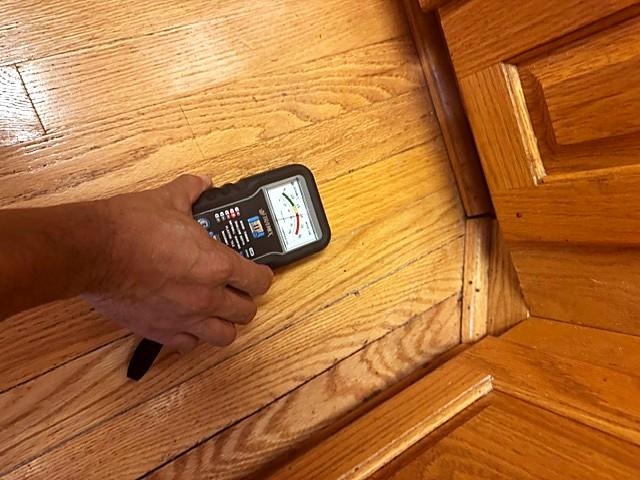
Dry-looking paint and tile do not prove the wall cavity behind them is dry. Our water damage mitigation service uses pin meters, pinless meters, and thermal imaging cameras to trace where water traveled.
A thermal camera highlights temperature differences across drywall, baseboards, and floors that point to spots worth testing. Moisture meters then measure actual moisture inside framing, subfloors, and drywall. Technicians compare wet readings with dry materials in unaffected rooms of your unit to set a dry baseline.
In a townhome, that inspection checks closet framing, nearby kitchen or bath cabinets, hallway floors, and accessible edges of a shared wall. If you live in an older raised-floor home rather than a slab unit, water can also affect framing below the floor. You can read how that works in our guide on crawl space moisture in San Rafael.
Water extraction and material decisions
Technicians remove standing water first with commercial extraction tools. Next, they evaluate wet materials one by one based on water cleanliness, saturation, and construction type.
Wet carpet pad holds water tight against subfloors and concrete slabs, so it often needs removal before the floor underneath can dry. Swollen particleboard cabinet toe-kicks, soaked lower drywall, and wet fiberglass insulation may also need controlled removal once any required asbestos or lead checks clear.
Sound wood framing and intact hard surfaces can often be cleaned and dried in place when caught early. Your crew should explain why any material stays or comes out before removal starts.
Controlled drying and daily monitoring
After extraction and needed material removal, technicians place dehumidifiers and air movers sized to your rooms and wall cavities. Dehumidifiers pull water vapor out of indoor air, while air movers push airflow across damp surfaces.
Each day, the crew logs room temperature, relative humidity, grains per pound (a measure of airborne moisture), and material moisture readings. Equipment keeps running until readings match the dry baseline from unaffected rooms. Never shut off drying equipment early just because hallway carpet feels dry on top.
Most residential drying takes several days. Dense hardwood, layered subfloors, or closed cabinet cavities can take longer. Technicians verify progress with daily meter readings rather than guessing an end date upfront.
How do you lower the risk of mold after a tank leak?
Fast structural drying is the most reliable way to stop mold from taking hold behind baseboards or inside a utility closet. According to EPA’s brief guide to mold and moisture, drying damp areas within 24 to 48 hours helps prevent mold growth. Moisture control also has to stay in place alongside any cleanup.
If a slow drip ran behind the tank for weeks before you spotted it, mold may already be growing on drywall paper or cabinet backs. Spraying bleach or painting over stained drywall does not remove hidden growth.
When active mold appears—especially over about 10 square feet or near air ducts—our mold removal and remediation service sets up containment barriers and negative air pressure with HEPA filtration. Crews physically remove contaminated porous materials and HEPA-vacuum remaining framing and surfaces. On larger or complex jobs, an independent indoor environmental professional (IEP) often conducts post-remediation verification after cleanup finishes.
If anyone in your home has asthma, allergies, or health questions tied to dampness or mold, check with a doctor. A restoration crew measures moisture in building materials; it cannot diagnose health symptoms.
What should you document for townhome insurance and your HOA?
Thorough records protect both your unit claim and your HOA coordination from the first hour. Before crews move wet belongings, take wide and close-up photos of the tank, serial label, shutoff valve, wet flooring, and any shared wall staining.
Standard homeowners and condo/townhome (HO-6) policies often cover sudden, accidental pipe or tank ruptures differently from slow leaks tied to wear or maintenance. Policies also split responsibility differently between an HOA building policy and your individual unit policy.
Coverage depends on your policy and your HOA’s governing documents, so confirm details with your insurance agent, adjuster, and HOA manager early. Most policies also include a duty to mitigate, meaning owners must take reasonable steps to stop water and limit further damage.
Ask your restoration team to keep these records together:
- Dated photos from initial arrival through final dry-out
- Moisture maps and daily drying logs showing your dry baseline targets
- Equipment placement and run-time logs
- Itemized Xactimate estimates that adjusters and HOA managers can compare line by line
Clear paperwork keeps emergency mitigation (water removal and drying) separate from plumbing replacement and final rebuild repairs.
Frequently asked questions about Terra Linda water heater leaks
Should I turn off the power or gas before touching a leaking water heater?
Yes, if you can reach the shutoff from a dry spot. Flip the breaker for an electric tank only when the panel area is dry. If you smell gas near a gas unit, leave right away without touching electrical switches and call your utility or 911 from outside.
Who fixes the broken water heater—a plumber or PuroClean?
A licensed plumber repairs or replaces the water heater, relief valve, or leaking pipe. PuroClean of San Rafael handles water extraction, moisture mapping, structural drying, and mold work when needed. Calling both early keeps the leak stopped and drying on schedule.
What if water from my townhome reached a shared wall with my neighbor?
Notify your HOA or property manager and alert your neighbor the same day. Moisture meters and thermal cameras can check both sides of a shared wall before trapped water sits unseen. Early notice also helps both households document conditions cleanly.
Can wet carpet pad or baseboards dry out in place after a water heater leak?
Intact wood baseboards can sometimes dry in place if caught early and not swollen, though crews often detach them temporarily to dry drywall edges behind them. Wet carpet pad acts like a sponge and usually needs removal so the slab or subfloor beneath it can dry.
How long does water heater leak cleanup in Terra Linda usually take?
Most residential drying takes several days once the leak stops and equipment is running. Moisture trapped under cabinets, behind shared walls, or under wood floors can add time. Technicians confirm completion with daily meter readings rather than a preset calendar date.
Does homeowners or HOA insurance cover a leaking water heater?
Coverage depends on your policy, your deductible, and your HOA’s CC&Rs or building policy. Many policies cover sudden water damage from an unexpected failure while excluding the worn tank itself or long-term slow leaks. Contact your insurance agent, adjuster, and HOA manager to confirm how coverage applies.
Need water heater leak cleanup in Terra Linda?
Call PuroClean of San Rafael 24/7 at (628) 888-2911 to talk through what has changed in your townhome and schedule a moisture assessment. We serve Terra Linda, San Rafael, and surrounding communities from our office on Kerner Boulevard.
A licensed plumber handles tank and pipe repairs, while our crew focuses on fast water removal, accurate moisture tracking, and documented structural drying.
PuroClean of San Rafael
3095 Kerner Boulevard, Suite T, San Rafael, CA 94901
(628) 888-2911