PuroClean of San Rafael — 3095 Kerner Boulevard, Suite T, San Rafael, CA 94901
Larkspur is one of the most architecturally and historically layered communities in Marin County, incorporated as a city in 1908 along the banks of Larkspur Creek and the tidal flats of Corte Madera Creek at their convergence with Richardson Bay. The city’s name is drawn from the wild blue larkspur that once bloomed across the valley floor in spring, and its development followed the Northwestern Pacific Railroad line that brought San Francisco residents north into Marin’s woodlands and creek valleys beginning in the late nineteenth century. The historic downtown — centered on Magnolia Avenue between King Street and Ward Street — retains much of its original early-twentieth-century commercial character, with brick-facade storefronts, restored Victorian cottages on the side streets, and a walkable scale that draws both longtime residents and visitors to its restaurants and boutiques.
Larkspur’s residential geography divides naturally into several distinct neighborhoods, each with its own property damage profile. The flatland neighborhoods along Doherty Drive, Cane Street, and the blocks adjacent to Corte Madera Creek represent the older, lower-elevation residential stock — mostly 1920s through 1950s construction on crawl space foundations with original or partially updated plumbing. The Baltimore Canyon neighborhood, climbing the steep south-facing slopes of the watershed above Madrone Avenue and Baltimore Canyon Road, contains some of the most dramatically sited homes in Marin County — tucked among old-growth redwoods and canyon streams, many dating to the 1930s and 1940s, with access via winding single-lane roads. The Greenbrae Boardwalk and Murray Park neighborhoods along the bayfront represent later development, with 1960s and 1970s construction closer to the water’s edge.
For PuroClean of San Rafael, Larkspur generates some of the most varied and technically demanding water and mold damage calls in our service area. The combination of creek flooding exposure in the flatlands, canyon stream and redwood canopy moisture in Baltimore Canyon, aging historic commercial structures along Magnolia Avenue, and bayfront multi-unit residential properties along the Greenbrae Boardwalk creates a service environment where no two jobs look alike. We bring IICRC-certified technicians, thermal imaging, full psychrometric logging, and Xactimate-format insurance documentation to every call — from a Magnolia Avenue Victorian cottage to a Baltimore Canyon redwood home that has been absorbing canyon moisture for eighty years.
Types of damage calls we handle in Larkspur:
From our San Rafael base at 3095 Kerner Boulevard, Larkspur is a direct and efficient drive. We head south on US-101 and use either the Tamalpais Drive exit for southern Larkspur addresses or the Sir Francis Drake Boulevard exit at Greenbrae for central and northern Larkspur locations. From the Tamalpais Drive exit, we travel west and connect north via Doherty Drive directly into the Larkspur flatland neighborhoods and the Magnolia Avenue downtown corridor. From the Sir Francis Drake exit, we head west briefly and then north on Magnolia Avenue into the heart of the city. Under normal traffic conditions, most Larkspur addresses are reachable from our location in fourteen to twenty minutes.
Baltimore Canyon presents its own access considerations. The canyon is reached via Madrone Avenue off Magnolia, which transitions to Baltimore Canyon Road — a single-lane paved road that winds steeply into the redwood canyon for approximately a mile before terminating at the Larkspur Canyon trailhead. Properties along this road have extremely limited vehicle turnout points, and our technicians arrive in appropriately sized vehicles and carry portable equipment configurations that can be staged and operated without large truck access to the immediate work site. We coordinate with Baltimore Canyon homeowners about access and equipment staging as part of our pre-arrival communication so there are no surprises on arrival.
For the Greenbrae Boardwalk and bayfront Murray Park addresses, we approach from the north via Sir Francis Drake Boulevard and Doherty Drive, or from the south via the Tamalpais Drive corridor depending on real-time traffic conditions. Larkspur’s proximity to the Greenbrae 101 interchange means we have multiple viable routing options for any address in the city, and our technicians select the approach that minimizes transit time based on current conditions. The Magnolia Avenue downtown corridor can experience parking congestion on weekend afternoons and during community events, a factor we account for when scheduling equipment staging for commercial jobs in that area.
Larkspur sits at the confluence of two creek systems — Larkspur Creek descending from the Baltimore Canyon watershed and Corte Madera Creek arriving from the Kentfield and Ross valleys — and both contribute to the city’s significant flood exposure. Larkspur Creek, in particular, has a documented history of flash flooding during high-intensity rain events. The Baltimore Canyon watershed above the city is steep, heavily forested, and generates rapid, high-volume runoff that can translate into flash flood conditions along lower Baltimore Canyon Road and Larkspur Creek’s channel through the flatlands within hours of a major rainfall onset. FEMA flood mapping designates portions of the Larkspur flatland neighborhood as Zone AE, and properties within the creek’s historic floodplain face genuine and recurring inundation risk during significant storm years.
Baltimore Canyon itself presents a distinct and in some ways more complex environmental risk profile than the flatland neighborhoods. The canyon’s old-growth redwood forest creates a perpetual moisture environment — the tree canopy intercepts rainfall and releases it slowly through drip from branches and bark, keeping the canyon floor wet for days after a storm has passed. Canyon stream channels in Baltimore Canyon can overflow their informal banks during concentrated rain events, sending water across residential lots, into crawl spaces, and through the lower-level entries of canyon homes that were built to live among the trees rather than to repel water from them. Many Baltimore Canyon homes from the 1930s and 1940s have minimal waterproofing, original redwood framing in direct or near-direct contact with the soil, and crawl spaces that have been accumulating organic moisture for decades.
The downtown Magnolia Avenue corridor adds a commercial historic structure dimension that is unique within our service territory. The brick and wood-frame commercial buildings along Magnolia between King and Ward Streets date to the early 1900s and carry the specific vulnerabilities of that era’s construction — unreinforced masonry facades, original roof structures with minimal modern weatherproofing, aging commercial plumbing running through walls and floors that have never been opened since installation. Water intrusion in a historic commercial building on Magnolia Avenue is often far more extensive than a superficial assessment would suggest, because moisture follows the path of least resistance through building assemblies that were never designed with moisture management in mind.
The bayfront development along the Greenbrae Boardwalk and Murray Park, built primarily in the 1960s and 1970s on filled tidal marsh, carries the near-sea-level elevation and groundwater proximity risks common to all such development along Richardson Bay. King tide events combined with storm surge have periodically affected the lowest-elevation portions of this area, and the chronic salt air exposure along the waterfront accelerates the deterioration of building envelopes, window seals, and exterior cladding in ways that create ongoing water intrusion vulnerability even between major storm events.
Owned & Operated by Nicholas Ondrejka
3095 Kerner Boulevard, San Rafael, CA, 94901
(628) 888-2911
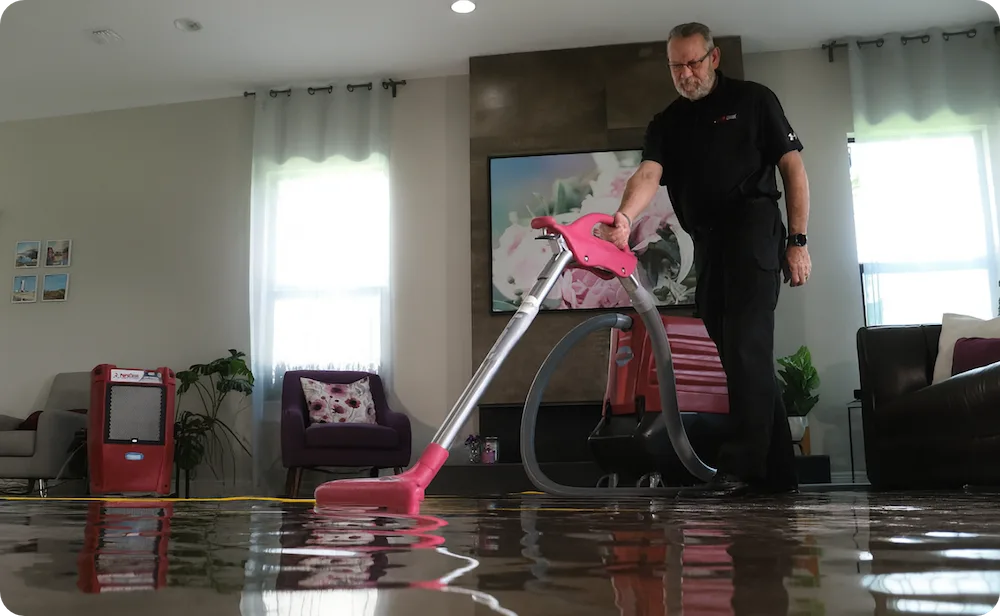
Water damage can result from unexpected leaks, flooding from storms, plumbing failures, or appliance malfunctions. Our certified teams focus on rapid water removal, drying, and stabilization to help prevent further damage and mold growth.
 Explore Our Water Damage Mitigation Services
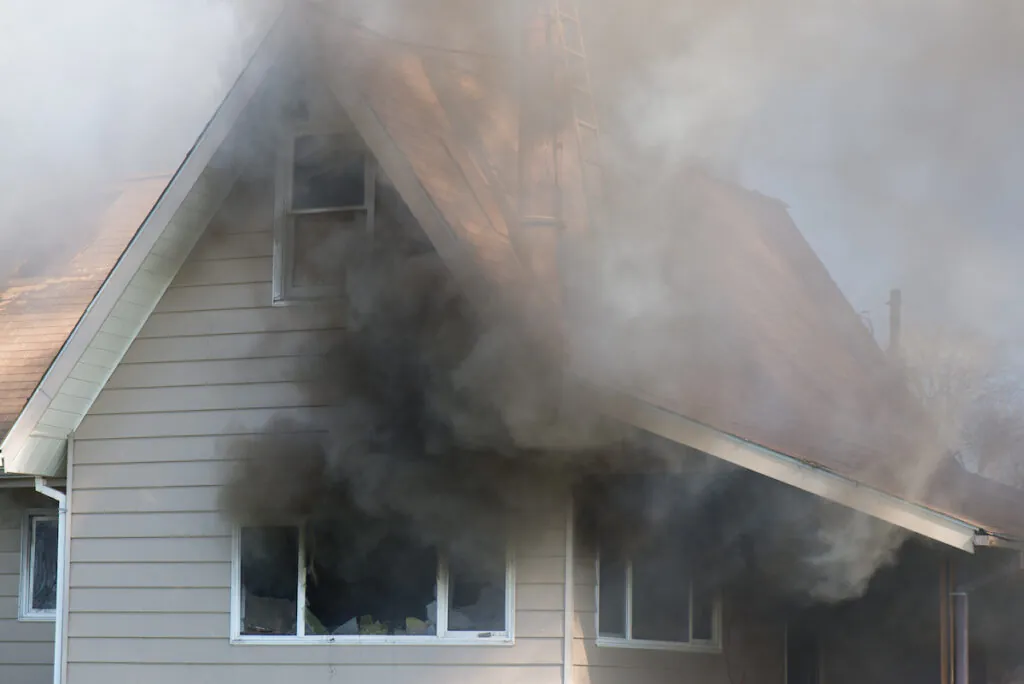
Even after a fire is extinguished, smoke, soot, and odor can continue to affect your home. Fire damage restoration services address visible damage while also helping reduce lingering effects that impact indoor air quality and surfaces.
Explore Our Fire and Smoke Damage Restoration Services
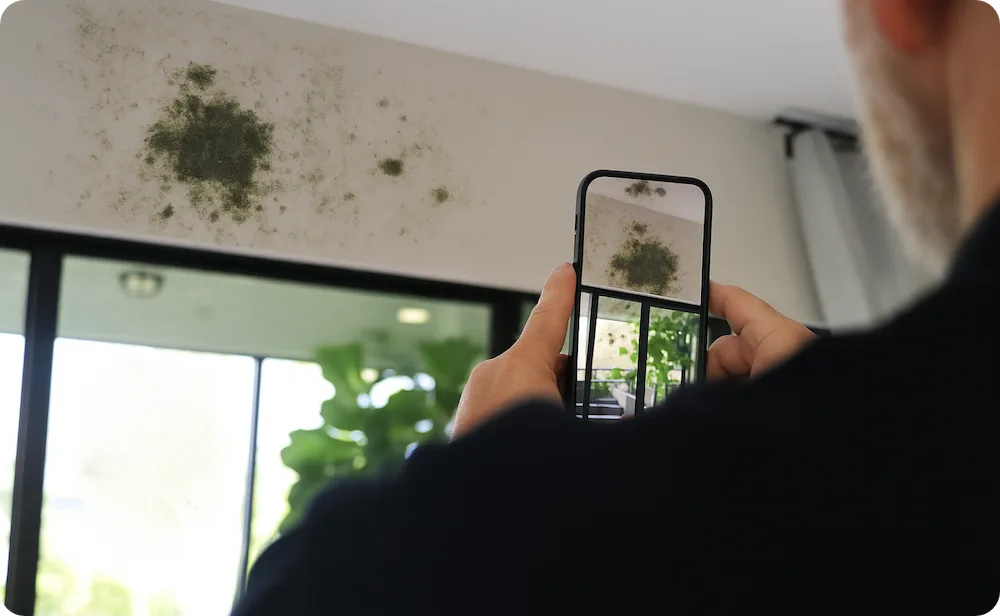
Mold often develops as a result of unresolved moisture or hidden water damage. Professional mold remediation helps identify affected areas, contain growth, and restore healthy indoor conditions.
Explore Our Mold Removal and Remediation Services
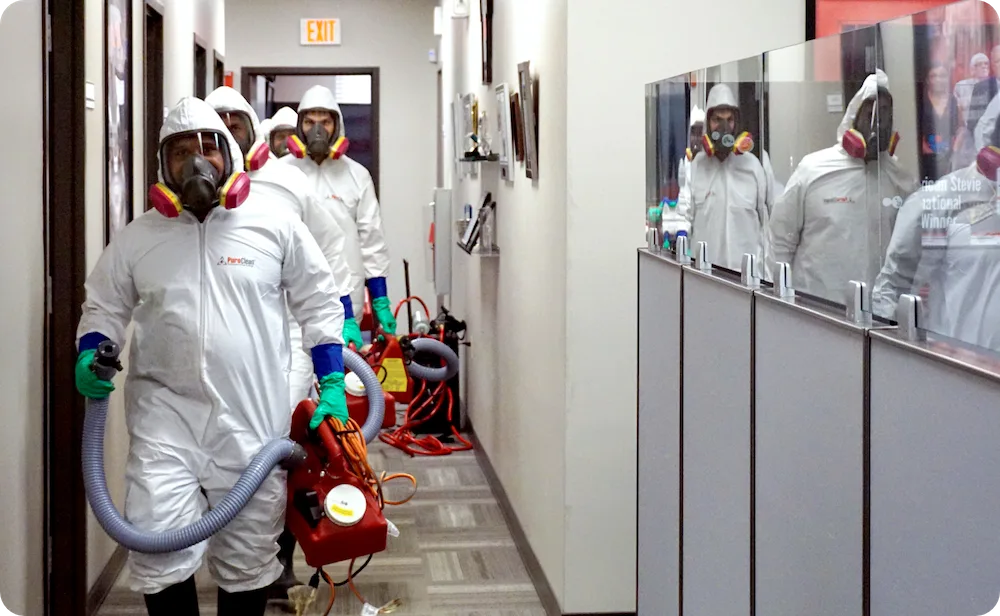
Biohazard situations, including crime scene cleanup and virus decontamination, require specialized cleaning and handling to protect health and safety. Biohazard cleanup services address contamination using proper protocols and professional care.
Explore Our Biohazard Cleanup Services
PuroClean provides 24/7 commercial property damage restoration services for businesses and facilities across the United States.
Explore Our Commercial Services
Water damage can result from unexpected leaks, flooding from storms, plumbing failures, or appliance malfunctions. Our certified teams focus on rapid water removal, drying, and stabilization to help prevent further damage and mold growth.
Explore Our Water Damage Mitigation Services
Specific answers for Larkspur homeowners, business owners, and property managers
Victorian-era cottages in the Larkspur flatlands carry a predictable set of age-related vulnerabilities that we see regularly. Original galvanized supply pipes are either already failing or approaching the end of their service life, cast-iron drain lines beneath the structure have likely developed root intrusion or corrosion-related partial blockages, and the original crawl space vapor management — if it exists at all — has long since degraded. Roof flashings around chimneys, dormers, and valleys are common water entry points in homes with original or older replacement rooflines. Before any demolition during mitigation, we test for asbestos-containing materials in flooring adhesives and plaster formulations, and for lead paint in earlier decorative layers — both are standard finds in pre-1940 Larkspur construction. We document everything with thermal imaging and moisture metering, and our Xactimate-format estimates give your insurance adjuster a complete scope to work from.
Stream overflow entering a structure from outside is generally classified as a flood event under standard insurance policy definitions, placing it outside the coverage of a typical HO-3 homeowners policy. To be covered for water entering from an overflowing canyon stream, you would need a separate NFIP or private flood insurance policy. That said, the determination can sometimes be more nuanced — if the water entry was driven by a roof failure, a broken foundation vent, or a compromised building envelope component rather than direct inundation from the stream, there may be a covered building component failure involved. We identify the precise entry mechanism during our moisture assessment and document it clearly so you and your adjuster have the factual basis to make an accurate coverage determination. The mitigation work proceeds the same way regardless of the coverage outcome — getting the crawl space dried and treated is the priority.
Historic commercial buildings along Magnolia Avenue present restoration challenges that a standard commercial restoration approach is not always equipped to address. Original unreinforced brick masonry absorbs water differently than modern construction materials and requires a carefully managed drying approach — applying aggressive heat or airflow to wet brick can cause surface spalling and accelerate mortar deterioration. Original wood-framed floor and ceiling assemblies in these buildings often contain materials requiring hazmat assessment before any demolition. And the aesthetic and historic character of these buildings means that material replacement decisions — flooring, plaster, millwork — should match original specifications rather than defaulting to modern substitutes. We coordinate with historic preservation-aware contractors for the reconstruction phase and document pre-existing conditions and material specifications thoroughly before any work begins, which protects both the building owner and the historic fabric of the structure.
Yes — surface water entry through a door threshold or below-grade wall opening is a scenario we respond to regularly in the Larkspur flatlands. The mitigation process is the same regardless of entry point: we extract standing water, deploy LGR dehumidifiers and air movers to dry structural materials, apply antimicrobial treatment to any affected organic materials, and document the full scope with psychrometric logs and moisture mapping. For the prevention question, we assess the entry mechanism and drainage conditions during our visit and can identify contributing factors — negative lot grade toward the structure, undersized or blocked area drains, inadequate door threshold height — that a licensed contractor can address. We do not perform the grading or drainage work ourselves, but we can clearly describe the causal conditions in writing so you have a basis for that conversation with a landscape or drainage contractor.
When a water damage event originates from a public infrastructure failure — a municipal sewer main backup, a storm drain overflow, or a water main break — the liability and claims pathway is distinct from a typical homeowners insurance claim. The affected property owner may have a third-party liability claim against the public agency responsible for the failed infrastructure, in addition to whatever first-party coverage their own policy provides. Our role is to document the damage thoroughly and identify the source and entry point of the water intrusion as precisely as possible — that documentation becomes essential evidence if a third-party claim against the city or county is pursued. We provide complete written scope documentation, moisture logs, and photo packages that meet the evidentiary standards attorneys and public agency claims adjusters require, and we communicate directly with any adjuster or legal representative involved in the claim coordination.
What Our Customers Say:
When you need water damage restoration services near you, call the experts at PuroClean. We are here day or night, 24/7, to help remove any standing water quickly and begin your water restoration service. We monitor the drying process so you can rest assured that your property is dried thoroughly. We offer commercial water restoration services for businesses and residential water damage restoration for homeowners.

PuroClean of San Rafael
(628) 888-2911
3095 Kerner Boulevard, Suite T, San Rafael, CA 94901


© 2026 PuroClean. All Rights Reserved.