PuroClean of San Rafael — 3095 Kerner Boulevard, Suite T, San Rafael, CA 94901
Belvedere is one of the most distinctive communities in all of Marin County — a small, incorporated city occupying the hilly terrain of Belvedere Island and the adjoining Belvedere Lagoon shoreline, connected to the Tiburon Peninsula by a single causeway along San Rafael Avenue. With a permanent population of just over two thousand residents, Belvedere consistently ranks among the wealthiest communities in California, and its residential properties reflect that standing. Homes perch along the steep contours of the island’s interior hillside and along the waterfront lots of Belvedere Cove and the Lagoon, with sweeping views of San Francisco Bay, Angel Island, and the Tiburon harbor. Many of these properties carry market values well in excess of three and four million dollars, and several historic estates along Belvedere Avenue and West Shore Road date to the late nineteenth and early twentieth centuries.
The City of Belvedere incorporated in 1896, initially developed as a summer retreat for San Francisco society families who built shingle-style cottages and Victorian-era estates on the island’s slopes. The San Francisco Yacht Club established its presence on the island’s southern point, and the social and architectural character of Belvedere has been shaped by that legacy ever since. Today, the narrow winding streets — Belvedere Avenue, Golden Gate Avenue, San Rafael Avenue, and the private lanes that branch off them — are lined with an extraordinary mix of original historic structures, mid-century modern homes built in the 1950s and 1960s by prominent Bay Area architects, and contemporary rebuilds on the same premium view lots.
For PuroClean of San Rafael, Belvedere represents a property damage environment unlike any other in our service territory. The combination of high-value historic and architecturally significant structures, direct waterfront exposure on multiple sides, and the unique drainage constraints of a small island community creates a restoration context where documentation quality, material sensitivity, and insurance coordination complexity are all elevated above the regional norm. When we respond to a water or mold event in Belvedere, we bring the same IICRC-certified process we use everywhere — IICRC S500 drying standards, full psychrometric logging, Xactimate-format scope documentation — but we apply it with the heightened attention to finish materials, historic fabric, and high-value contents that these properties require.
Types of damage calls we handle in Belvedere:
From our base at 3095 Kerner Boulevard in San Rafael, we reach Belvedere by heading south on US-101 to the Tiburon Boulevard exit in Corte Madera, then traveling east on Tiburon Boulevard — a straight, well-maintained arterial that runs the full length of the Tiburon Peninsula — approximately five miles to the San Rafael Avenue causeway that connects to Belvedere Island. The total drive under normal traffic conditions runs between twenty and twenty-eight minutes, making Belvedere one of the more distant points in our primary service territory but still well within our sixty-minute emergency response commitment for acute events.
Tiburon Boulevard is the only practical vehicle route onto the peninsula from the north, which means that during peak commute hours — particularly the westbound afternoon backup as residents return from Tiburon’s ferry terminal — transit times can extend. For emergency dispatch, our technicians use real-time traffic routing and will communicate an accurate ETA at the time of the call so clients are not left wondering. For non-emergency assessment appointments in Belvedere, we typically schedule outside commute windows to avoid unnecessary delays.
Once on Belvedere Island, navigation requires familiarity with the community’s narrow, winding streets and limited vehicle turnout points. Belvedere Avenue and Golden Gate Avenue are the primary access routes, with most residential addresses branching off on private lanes and short cul-de-sacs that restrict large vehicle access. Our crews bring appropriately sized vehicles and portable equipment configurations for island access, and we coordinate directly with the client about any driveway or gate access requirements before arrival — particularly relevant for gated waterfront estate properties.
Belvedere’s position as a small island community surrounded on most sides by San Francisco Bay and the Belvedere Lagoon creates an environmental exposure profile that has no direct parallel elsewhere in our service territory. On the bay-facing western and southern sides of the island, properties along Belvedere Cove are subject to direct wave action during wind events, elevated salt air exposure that accelerates the corrosion of metal components including copper water supply lines, steel structural fasteners, and HVAC equipment. The salt air environment also degrades roof membrane materials, window seals, and exterior cladding at a faster rate than inland Marin properties, creating multiple potential water intrusion pathways in structures that may appear sound from the street.
The Belvedere Lagoon on the eastern side of the island presents a different but equally significant moisture risk. The Lagoon’s still, sheltered water creates a persistently humid microclimate along the eastern shoreline lots, where morning fog lingers longer, overnight dew points remain elevated, and the ambient relative humidity in crawl spaces and lower-level rooms is measurably higher than in properties even a few hundred feet uphill. For historic structures along the Lagoon waterfront that may have original wood floor framing sitting within feet of tidal influence, chronic structural moisture is a serious long-term concern that can manifest as mold colonization, wood rot, and eventually compromised structural capacity before a homeowner notices anything visible from inside the home.
The island’s hilly topography concentrates stormwater runoff from the upper hillside streets down through the mid-island residential zone and ultimately toward the lower waterfront lots. The storm drain system on Belvedere Island is limited in capacity relative to the runoff volume generated during an atmospheric river event, and the residential streets themselves — narrow, paved, with minimal landscape infiltration on either side — function as de facto drainage channels during heavy rain. Properties at the lower end of Belvedere Avenue and along the causeway approach on San Rafael Avenue can experience sheet flow across driveways and into garages and lower-level entries during significant storms.
From a structural standpoint, the inventory of Victorian and Edwardian-era homes on the island presents specific restoration challenges. Many of these structures predate modern building codes and contain materials — lead paint in early layers, asbestos in original floor tile adhesives and plaster formulations, and old-growth redwood framing that, while remarkably durable, can harbor concealed mold in the interior of large timbers that does not appear on surface inspection. Any restoration project in a Belvedere home built before 1940 should include pre-demolition material testing as a standard protocol.
Owned & Operated by Nicholas Ondrejka
3095 Kerner Boulevard, San Rafael, CA, 94901
(628) 888-2911
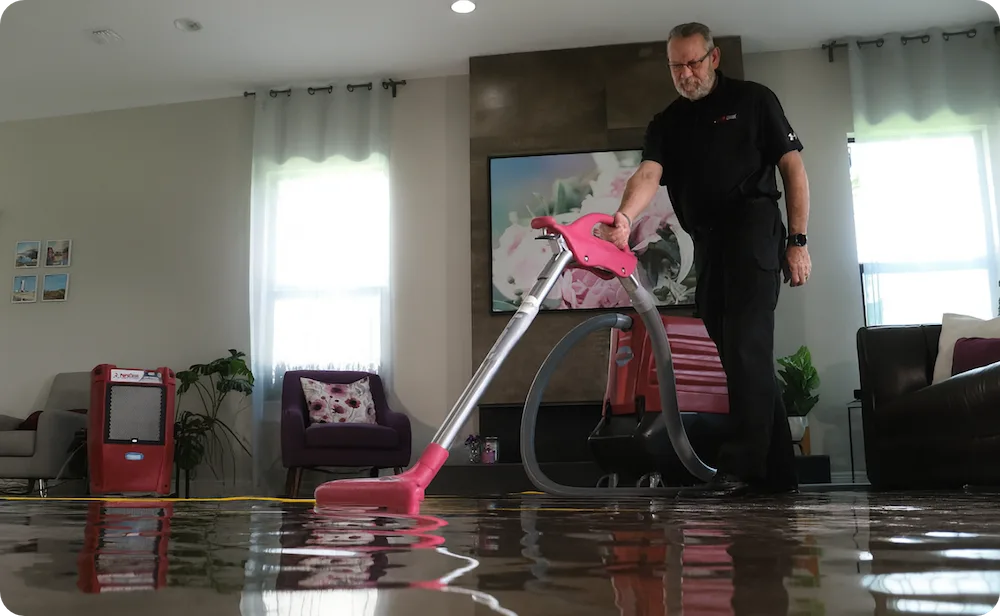
Water damage can result from unexpected leaks, flooding from storms, plumbing failures, or appliance malfunctions. Our certified teams focus on rapid water removal, drying, and stabilization to help prevent further damage and mold growth.
 Explore Our Water Damage Mitigation Services
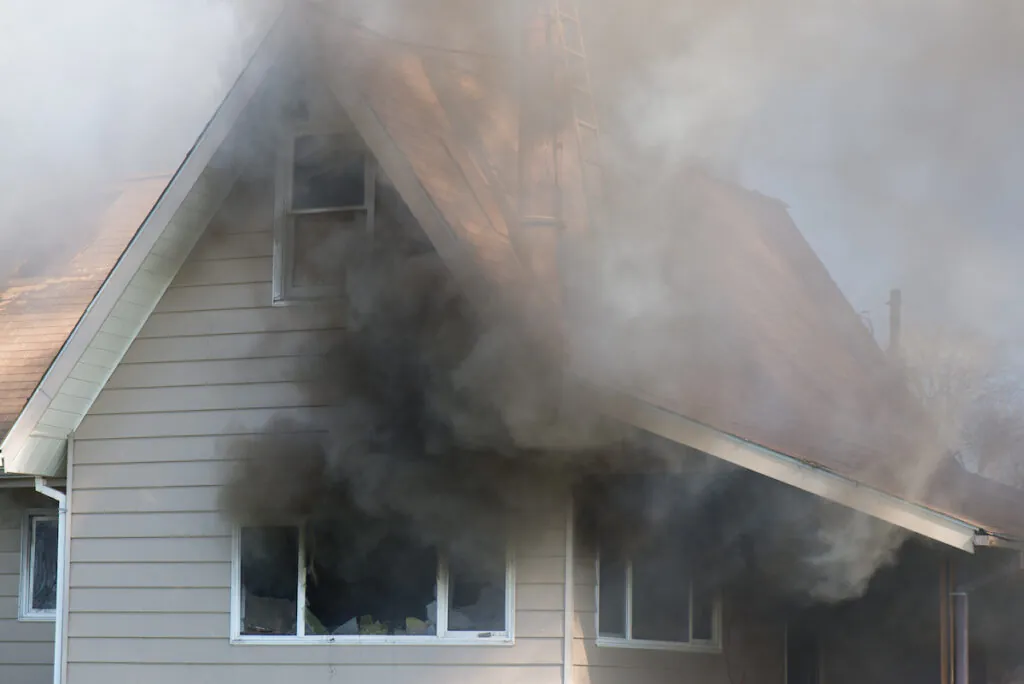
Even after a fire is extinguished, smoke, soot, and odor can continue to affect your home. Fire damage restoration services address visible damage while also helping reduce lingering effects that impact indoor air quality and surfaces.
Explore Our Fire and Smoke Damage Restoration Services
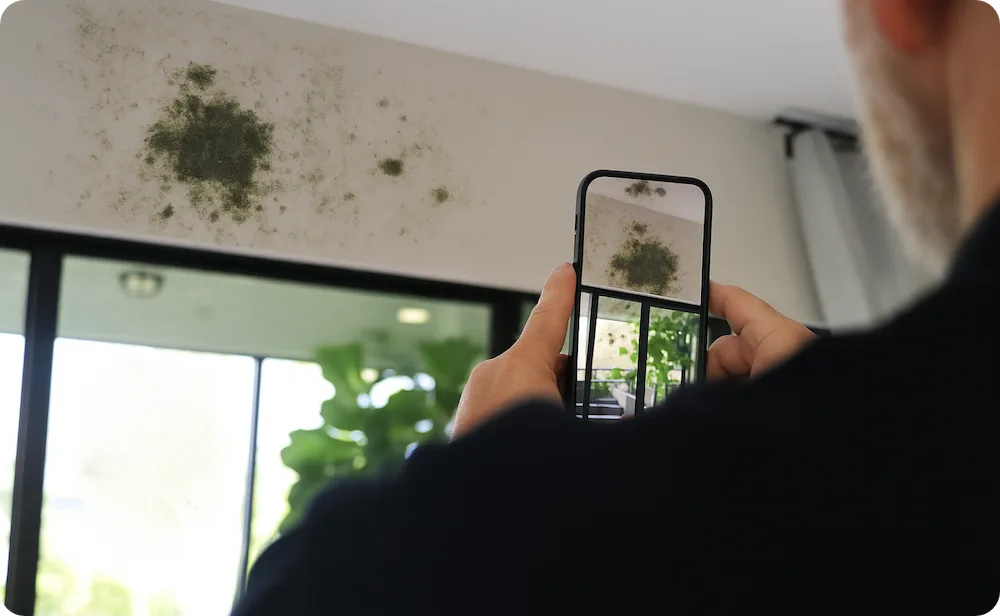
Mold often develops as a result of unresolved moisture or hidden water damage. Professional mold remediation helps identify affected areas, contain growth, and restore healthy indoor conditions.
Explore Our Mold Removal and Remediation Services
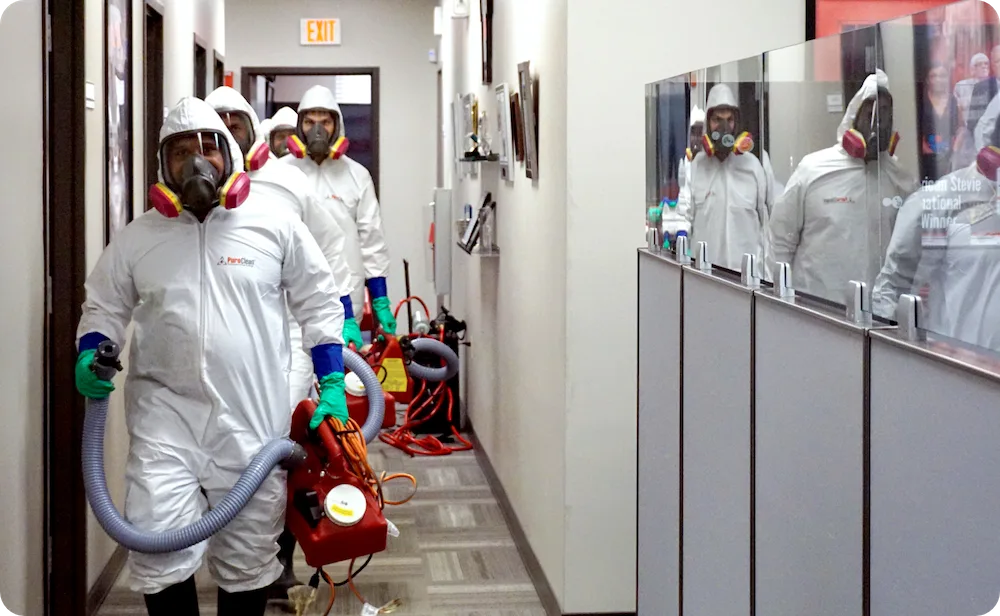
Biohazard situations, including crime scene cleanup and virus decontamination, require specialized cleaning and handling to protect health and safety. Biohazard cleanup services address contamination using proper protocols and professional care.
Explore Our Biohazard Cleanup Services
PuroClean provides 24/7 commercial property damage restoration services for businesses and facilities across the United States.
Explore Our Commercial Services
Water damage can result from unexpected leaks, flooding from storms, plumbing failures, or appliance malfunctions. Our certified teams focus on rapid water removal, drying, and stabilization to help prevent further damage and mold growth.
Explore Our Water Damage Mitigation Services
Specific answers for Belvedere homeowners and property managers
It can be both, and sorting out which is which is exactly what our initial moisture assessment is designed to do. Chronic dampness in below-grade or lower-level spaces near the Lagoon is typically driven by a combination of lateral soil moisture migration, elevated ambient humidity from the water surface, and in some cases minor tidal influence on groundwater levels. If the moisture has been present long enough to support mold colonization in wall framing, insulation, or subfloor assemblies, then remediation is the right starting point — we contain, remediate, and dry the affected structural materials to IICRC S520 and S500 standards. We also identify the ongoing moisture source and can coordinate with a licensed contractor to address the underlying building envelope issue so the problem does not return after remediation.
Most general restoration crews are not equipped to work in a home where original plaster walls, old-growth redwood millwork, hardwood floors with historic finish layers, and irreplaceable architectural details are the norm. At PuroClean, we approach high-value historic properties with a scope of work that prioritizes material preservation over speed. That means using low-moisture drying techniques where invasive demolition would otherwise be considered, coordinating with specialty subcontractors for plaster repair and period-appropriate material matching, and documenting pre-existing conditions thoroughly before any work begins. We also flag pre-1978 materials for lead testing and pre-1980 materials for asbestos testing before any demolition, which is a non-negotiable standard practice in homes of this age.
Property value itself does not change the claims process, but the complexity of high-value home restoration does. In Belvedere, where finish materials, appliances, and architectural details often carry replacement costs far above regional Xactimate averages, it is common for the initial adjuster scope to underestimate the actual replacement cost of damaged materials. This is where having a restoration company that is experienced in supplemental claims matters — we document every material specification, obtain subcontractor bids for specialty work, and advocate with the adjuster for a scope that reflects the actual RCV of the damaged elements rather than a generic regional average. Clients with guaranteed replacement cost endorsements on their policy are in the best position, but even standard RCV policies can support full restoration when the scope is properly documented.
Wave action or storm surge water entry is generally classified as flood damage under standard insurance definitions, which means it falls outside the coverage of a typical HO-3 homeowners policy and would require NFIP or private flood coverage to be addressed. However, the exact classification depends on how the water entered and what your specific policy language says about wind-driven rain versus flood. If the water entered because the storm created a breach in the building envelope — a window seal failure, a damaged door threshold — there may be a wind-driven rain component that your homeowners policy partially covers. We document the intrusion mechanism precisely during our initial assessment, which gives you and your adjuster the factual basis to make the correct coverage determination rather than guessing.
Yes, and we handle real estate transaction mold cases in Belvedere regularly. The timeline pressure in a Marin County escrow is real — we prioritize rapid inspection scheduling, typically within 24 to 48 hours of contact, and can produce a written assessment with remediation scope and estimated timeline within one business day of the inspection. If remediation is required, we coordinate with an independent industrial hygienist for post-remediation verification clearance testing and deliver a complete documentation package — scope of work, remediation records, clearance report — suitable for lender review and escrow file submission. We have completed this full cycle within five to seven business days for transaction clients when timeline required it.
What Our Customers Say:
When you need water damage restoration services near you, call the experts at PuroClean. We are here day or night, 24/7, to help remove any standing water quickly and begin your water restoration service. We monitor the drying process so you can rest assured that your property is dried thoroughly. We offer commercial water restoration services for businesses and residential water damage restoration for homeowners.

PuroClean of San Rafael
(628) 888-2911
3095 Kerner Boulevard, Suite T, San Rafael, CA 94901


© 2026 PuroClean. All Rights Reserved.