PuroClean of San Rafael — 3095 Kerner Boulevard, Suite T, San Rafael, CA 94901
Tiburon is an incorporated town of approximately nine thousand residents occupying the southern end of the Tiburon Peninsula, where the land narrows to a point between Richardson Bay to the west and San Francisco Bay to the east, offering some of the most panoramic water views available anywhere in the Bay Area. The town’s name derives from the Spanish word for shark — a reference to the leopard sharks that inhabit the shallow bay waters surrounding the peninsula — and Tiburon was established as a terminus of the San Francisco and North Pacific Railroad in 1884, when rail car ferries carried freight and passengers from the Tiburon waterfront across the bay to San Francisco. The old railroad infrastructure gave way over decades to the waterfront commercial district that defines the town today — Ark Row, the converted historic rail car storage buildings that now house boutiques and restaurants along Tiburon Boulevard near Main Street, and the Tiburon ferry terminal that still carries passengers to San Francisco and Angel Island daily.
Tiburon’s residential geography divides into several distinct communities along the peninsula’s length and across its varying elevations. The Tiburon downtown and the neighborhoods immediately adjacent to it — including the streets above Main Street and the blocks along Tiburon Boulevard toward the Belvedere causeway — contain the older residential stock, with homes dating from the late nineteenth and early twentieth centuries mixed among later infill construction. Moving north along Tiburon Boulevard, the Boardwalk and Trestle Glen neighborhoods represent mid-century development from the 1950s and 1960s. The Knoll neighborhood on the peninsula’s elevated central spine offers large-lot homes with elevated bay views, and Paradise Cay on the eastern bayfront is a planned boating community developed in the 1950s with direct water access, private docks, and the specific moisture exposure that comes with residential construction immediately adjacent to open bay water.
For PuroClean of San Rafael, Tiburon represents one of the most varied and in some respects most demanding communities in our service territory. The combination of high-value properties across a wide range of construction eras, direct bayfront exposure on multiple sides of the peninsula, the salt air environment that accelerates building envelope deterioration throughout the community, and the hillside drainage concentration in the Knoll and upper residential neighborhoods creates a property damage environment where accurate assessment, careful material handling, and thorough insurance documentation all matter enormously. We bring IICRC-certified technicians, full psychrometric logging, and Xactimate-format insurance coordination to every Tiburon job, from a Paradise Cay waterfront home to a Main Street-area Victorian with a century of plumbing history.
Types of damage calls we handle in Tiburon:
From our base at 3095 Kerner Boulevard in San Rafael, we reach Tiburon by heading south on US-101 to the Tiburon Boulevard exit in Corte Madera, then traveling east on Tiburon Boulevard — the single arterial road that runs the full length of the Tiburon Peninsula from its junction with US-101 approximately six miles to the Tiburon downtown waterfront. Tiburon Boulevard is a well-maintained two-lane road through most of its length, passing through Corte Madera, along the Strawberry area, and across the Ring Mountain Open Space Preserve before descending into Tiburon proper. Under normal traffic conditions, total drive time from our San Rafael location to the Tiburon downtown area runs between twenty-four and thirty-five minutes, placing most Tiburon addresses within our sixty-minute emergency response commitment with meaningful margin.
Tiburon Boulevard is the only practical vehicle route onto the peninsula from the north, which creates a single point of access that can become congested during peak commute hours — particularly the westbound afternoon queue as peninsula residents return from Tiburon’s ferry terminal and the eastbound morning merge toward the 101 interchange. For emergency response we dispatch immediately and maintain real-time ETA communication. For addresses in Paradise Cay, which sits on the eastern bayfront side of the peninsula accessed via Paradise Drive off Tiburon Boulevard, we turn east before the downtown and approach the waterfront community from the north. For the Knoll neighborhood on the peninsula’s central elevation, we access via the residential streets branching off Tiburon Boulevard on the uphill side.
Within Tiburon, the downtown and waterfront area around Main Street and Ark Row can experience weekend and tourist-season congestion, particularly during summer afternoons when ferry arrivals and the Tiburon dining scene draw significant visitor traffic. For commercial response in the downtown core, we coordinate staging and access logistics with business owners before arrival to minimize any additional disruption during an already stressful event. The residential streets above the downtown and in the Knoll and Boardwalk neighborhoods are generally accessible without the congestion variables of the waterfront core, and our technicians navigate these areas efficiently with direct knowledge of the peninsula’s residential street network.
The Tiburon Peninsula’s position extending into San Francisco Bay on its eastern face and Richardson Bay on its western face means that bay exposure is not a peripheral condition for some properties — it is the defining environmental reality for the entire community. Salt air from two bay systems simultaneously reaches every structure on the peninsula regardless of elevation, accelerating the oxidation of ferrous metal components throughout Tiburon’s residential and commercial building stock in ways that compound the existing age-related vulnerabilities of older construction. Galvanized steel supply lines already corroding from internal scale develop additional external corrosion from salt air contact. Roof fasteners, window frame hardware, and exterior door threshold components all deteriorate faster than in more sheltered inland communities with comparable building stock. In Paradise Cay, where waterfront residential properties sit within feet of open bay water, this salt air corrosion dynamic is most acute and the building envelope maintenance cycle is the shortest anywhere in our service territory.
Paradise Cay itself represents a distinct and concentrated flood and moisture risk environment. The community was developed in the 1950s as a planned boating neighborhood with residential lots fronting on a network of private lagoons connected to San Francisco Bay, giving many properties direct water access via private docks in their backyards. The residential buildings in Paradise Cay were constructed at relatively low elevations above bay water level — some lots sit only two to four feet above mean high water — making storm surge, king tide flooding, and wave action during wind events a realistic and recurring threat to the lowest-elevation building components, including garages, crawl spaces, and any below-grade or at-grade entries facing the lagoon. The lagoon water itself, which circulates with the tidal cycle, keeps groundwater beneath Paradise Cay lots at near-surface levels throughout much of the year, creating the same chronic crawl space moisture exposure we see in other bay-margin communities we serve.
The Knoll neighborhood on the peninsula’s central elevated spine presents the hillside drainage risk profile common to Marin County’s elevated residential areas, but with the additional factor that the Knoll sits between two bay water bodies with no inland moisture buffer on either side. Stormwater draining off the Knoll’s hillsides flows rapidly downhill in both directions — toward Tiburon Boulevard and the bay on the east, and toward Richardson Bay on the west — concentrating at the mid-slope and lower-elevation residential properties on both faces of the ridge. The homes on the upper Knoll addresses benefit from the views but face the most direct wind exposure during storm events, with wind-driven rain penetration through hillside-facing building envelope components a recurring water intrusion mechanism.
The historic commercial and residential structures in the Tiburon downtown area — including the Ark Row buildings along Beach Road, which are converted historic railroad car float storage structures dating to the late nineteenth century — carry specific restoration challenges related to their age, construction type, and waterfront orientation. These buildings have been adapted over decades from industrial waterfront use to commercial retail occupancy, and the original industrial construction does not always translate cleanly into a moisture-managed commercial environment. Water intrusion in a Main Street-area historic commercial building can involve original structural elements, specialized building materials, and historic character features that require the same preservation-aware restoration approach we apply to residential historic structures in communities like Ross and Belvedere.
Owned & Operated by Nicholas Ondrejka
3095 Kerner Boulevard, San Rafael, CA, 94901
(628) 888-2911
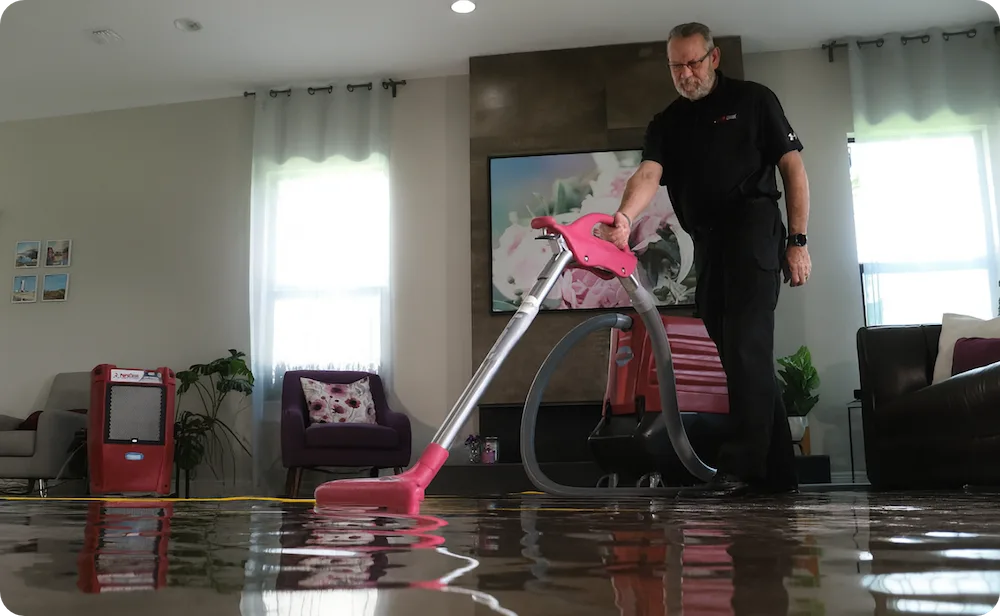
Water damage can result from unexpected leaks, flooding from storms, plumbing failures, or appliance malfunctions. Our certified teams focus on rapid water removal, drying, and stabilization to help prevent further damage and mold growth.
 Explore Our Water Damage Mitigation Services
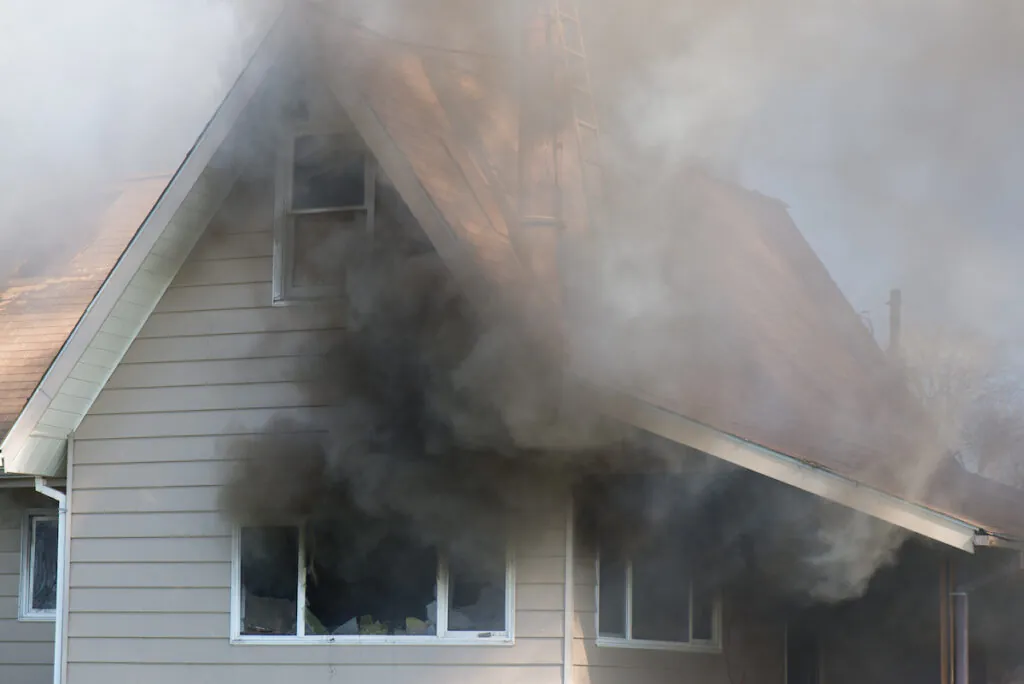
Even after a fire is extinguished, smoke, soot, and odor can continue to affect your home. Fire damage restoration services address visible damage while also helping reduce lingering effects that impact indoor air quality and surfaces.
Explore Our Fire and Smoke Damage Restoration Services
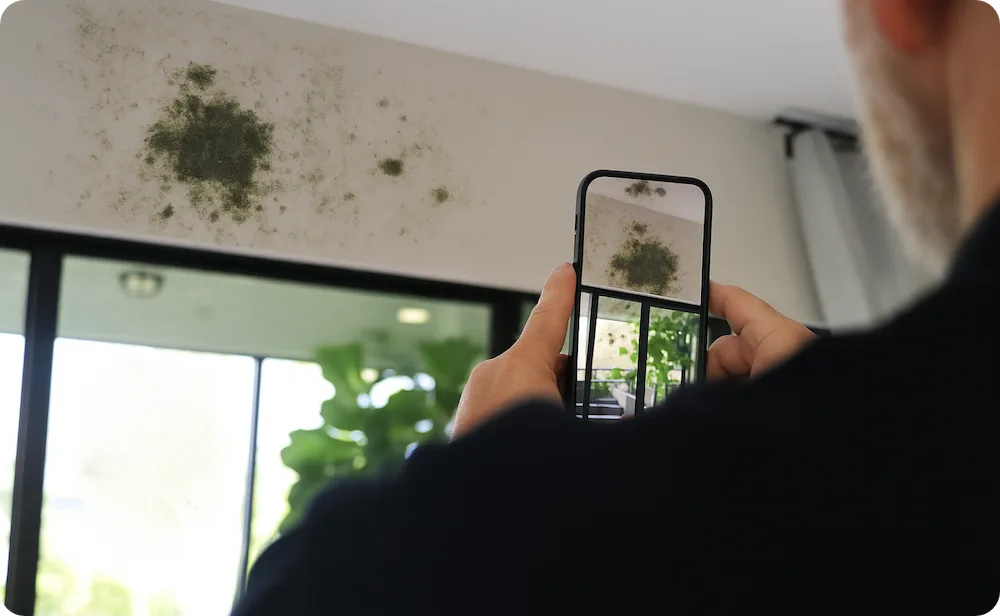
Mold often develops as a result of unresolved moisture or hidden water damage. Professional mold remediation helps identify affected areas, contain growth, and restore healthy indoor conditions.
Explore Our Mold Removal and Remediation Services
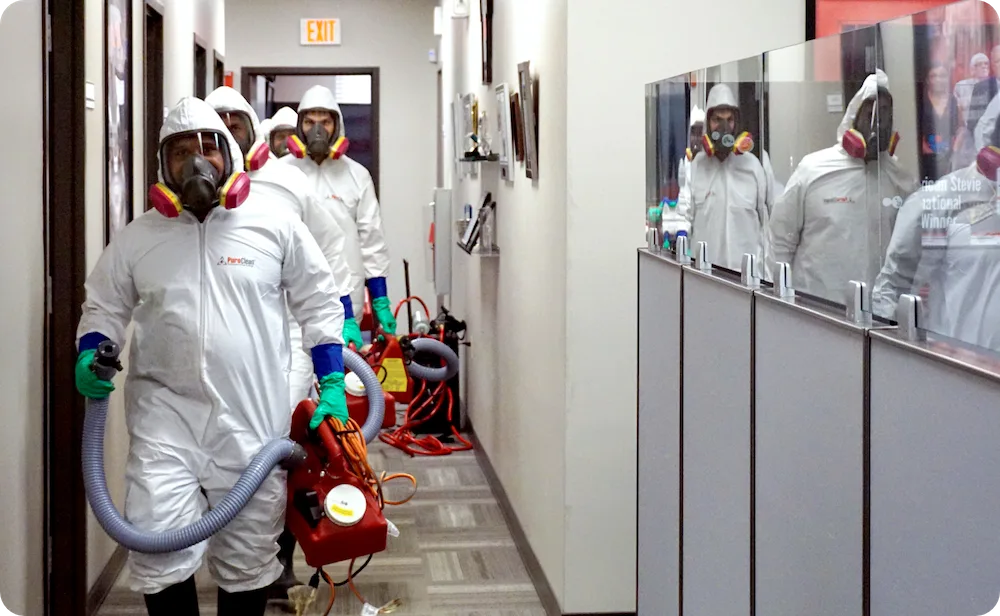
Biohazard situations, including crime scene cleanup and virus decontamination, require specialized cleaning and handling to protect health and safety. Biohazard cleanup services address contamination using proper protocols and professional care.
Explore Our Biohazard Cleanup Services
PuroClean provides 24/7 commercial property damage restoration services for businesses and facilities across the United States.
Explore Our Commercial Services
Water damage can result from unexpected leaks, flooding from storms, plumbing failures, or appliance malfunctions. Our certified teams focus on rapid water removal, drying, and stabilization to help prevent further damage and mold growth.
Explore Our Water Damage Mitigation Services
Specific answers for Tiburon homeowners, Paradise Cay residents, and business owners
Water entering your garage from a lagoon overflow during a storm event is classified as flooding under standard insurance definitions, placing it outside the coverage of a typical HO-3 homeowners policy. Coverage for this type of bay-connected lagoon overflow requires a separate NFIP or private flood insurance policy. Given Paradise Cay’s documented low-elevation bayfront exposure and the FEMA flood zone designations that apply to portions of the community, flood insurance is not an optional consideration for Paradise Cay homeowners — it is a foundational financial protection tool. NFIP residential building coverage caps at $250,000, which may fall short of the actual replacement cost for higher-value Paradise Cay properties, making private flood insurance with higher limits worth evaluating through your independent insurance agent. Regardless of coverage, the mitigation work is the same — we extract water, dry structural materials to IICRC S500 standards, and document the full scope with the psychrometric logs and moisture mapping your flood adjuster will require.
Two supply line failures in four years in a salt air peninsula environment is consistent with what we see in Tiburon, particularly in homes with original or partially original galvanized supply lines where external salt air corrosion compounds the internal scale buildup already shortening the pipe’s service life. For documentation, each event needs to be clearly recorded as a distinct sudden and accidental failure — a new leak at a new location — rather than a continuation of an existing known condition, which is what our written scope documentation establishes for each call. On the carrier concern: insurance companies do monitor claim frequency, and repeated claims within a short period can affect your renewal terms or prompt a coverage conversation about the underlying condition. The durable solution in a Tiburon salt air environment is a comprehensive repipe of the supply system using materials better suited to the exposure — cross-linked polyethylene or copper with appropriate fittings — rather than continued repair of individual galvanized failures. We can refer you to licensed plumbers in our trade partner network with Tiburon-area experience for that conversation.
The Ark Row buildings are among the most historically significant commercial structures in Tiburon, and their conversion from late-nineteenth-century railroad car float storage facilities to occupied commercial retail space means they carry a layered material and structural history that a standard commercial restoration approach is not always equipped to handle. Before any demolition or material removal following a water intrusion event, we conduct thorough pre-work documentation of all original structural elements, finish surfaces, and architectural features in the affected area. We assess all materials in the demolition zone for asbestos and lead content before proceeding — both are realistic finds in construction of this era. We use low-moisture drying techniques where invasive demolition would damage historically significant structural elements, and we coordinate reconstruction with contractors experienced in period-appropriate material matching for commercial historic structures. We also document the pre-existing condition of all original materials before work begins, which protects you from disputes about what was damaged by the water event versus what was pre-existing wear.
The sequence matters here, and getting it right protects you from paying for reconstruction that gets wet again before it is complete. Our role is to address the existing moisture damage inside the wall assembly — we map the full extent of moisture migration using thermal imaging and calibrated moisture metering, determine whether mold has established in the wall framing or insulation, scope and execute any required remediation to IICRC S520 standards, dry the structural assemblies to IICRC S500 drying goals, and document everything for your insurance adjuster. The stucco repair and any related exterior work is the licensed contractor’s scope — and critically, that exterior repair needs to happen before or concurrent with our interior reconstruction phase so that the repaired wall cavity is not re-exposed to weather before it is closed. We coordinate our work schedule directly with your contractor to ensure the sequence is correct, and we can refer you to licensed stucco and exterior envelope contractors in our Marin County trade partner network if you need one.
A prior remediation disclosure is worth verifying thoroughly before closing, and the standard of verification goes beyond reviewing the previous contractor’s paperwork. We perform an independent post-remediation assessment that includes calibrated moisture metering of all structural elements in and around the previously affected area, thermal imaging to identify any residual moisture patterns that would indicate incomplete drying, visual inspection for any signs of mold recurrence or continuing moisture intrusion, and a review of whatever documentation the previous remediation contractor provided. If that prior documentation includes post-remediation clearance testing by an independent industrial hygienist, we evaluate whether the clearance sampling locations and methods were adequate for the scope of the original event. If the prior remediation was not accompanied by IH clearance — which is common with lower-quality contractors — we coordinate air quality sampling as part of our assessment to establish the current indoor air quality baseline. Written assessment report within one business day of the inspection, remediation scope if indicated within one additional business day. In a Tiburon waterfront escrow at current market values, the cost of thorough pre-purchase verification is a straightforward investment.
Water entering your garage from a lagoon overflow during a storm event is classified as flooding under standard insurance definitions, placing it outside the coverage of a typical HO-3 homeowners policy. Coverage for this type of bay-connected lagoon overflow requires a separate NFIP or private flood insurance policy. Given Paradise Cay’s documented low-elevation bayfront exposure and the FEMA flood zone designations that apply to portions of the community, flood insurance is not an optional consideration for Paradise Cay homeowners — it is a foundational financial protection tool. NFIP residential building coverage caps at $250,000, which may fall short of the actual replacement cost for higher-value Paradise Cay properties, making private flood insurance with higher limits worth evaluating through your independent insurance agent. Regardless of coverage, the mitigation work is the same — we extract water, dry structural materials to IICRC S500 standards, and document the full scope with the psychrometric logs and moisture mapping your flood adjuster will require.
Two supply line failures in four years in a salt air peninsula environment is consistent with what we see in Tiburon, particularly in homes with original or partially original galvanized supply lines where external salt air corrosion compounds the internal scale buildup already shortening the pipe’s service life. For documentation, each event needs to be clearly recorded as a distinct sudden and accidental failure — a new leak at a new location — rather than a continuation of an existing known condition, which is what our written scope documentation establishes for each call. On the carrier concern: insurance companies do monitor claim frequency, and repeated claims within a short period can affect your renewal terms or prompt a coverage conversation about the underlying condition. The durable solution in a Tiburon salt air environment is a comprehensive repipe of the supply system using materials better suited to the exposure — cross-linked polyethylene or copper with appropriate fittings — rather than continued repair of individual galvanized failures. We can refer you to licensed plumbers in our trade partner network with Tiburon-area experience for that conversation.
The Ark Row buildings are among the most historically significant commercial structures in Tiburon, and their conversion from late-nineteenth-century railroad car float storage facilities to occupied commercial retail space means they carry a layered material and structural history that a standard commercial restoration approach is not always equipped to handle. Before any demolition or material removal following a water intrusion event, we conduct thorough pre-work documentation of all original structural elements, finish surfaces, and architectural features in the affected area. We assess all materials in the demolition zone for asbestos and lead content before proceeding — both are realistic finds in construction of this era. We use low-moisture drying techniques where invasive demolition would damage historically significant structural elements, and we coordinate reconstruction with contractors experienced in period-appropriate material matching for commercial historic structures. We also document the pre-existing condition of all original materials before work begins, which protects you from disputes about what was damaged by the water event versus what was pre-existing wear.
The sequence matters here, and getting it right protects you from paying for reconstruction that gets wet again before it is complete. Our role is to address the existing moisture damage inside the wall assembly — we map the full extent of moisture migration using thermal imaging and calibrated moisture metering, determine whether mold has established in the wall framing or insulation, scope and execute any required remediation to IICRC S520 standards, dry the structural assemblies to IICRC S500 drying goals, and document everything for your insurance adjuster. The stucco repair and any related exterior work is the licensed contractor’s scope — and critically, that exterior repair needs to happen before or concurrent with our interior reconstruction phase so that the repaired wall cavity is not re-exposed to weather before it is closed. We coordinate our work schedule directly with your contractor to ensure the sequence is correct, and we can refer you to licensed stucco and exterior envelope contractors in our Marin County trade partner network if you need one.
A prior remediation disclosure is worth verifying thoroughly before closing, and the standard of verification goes beyond reviewing the previous contractor’s paperwork. We perform an independent post-remediation assessment that includes calibrated moisture metering of all structural elements in and around the previously affected area, thermal imaging to identify any residual moisture patterns that would indicate incomplete drying, visual inspection for any signs of mold recurrence or continuing moisture intrusion, and a review of whatever documentation the previous remediation contractor provided. If that prior documentation includes post-remediation clearance testing by an independent industrial hygienist, we evaluate whether the clearance sampling locations and methods were adequate for the scope of the original event. If the prior remediation was not accompanied by IH clearance — which is common with lower-quality contractors — we coordinate air quality sampling as part of our assessment to establish the current indoor air quality baseline. Written assessment report within one business day of the inspection, remediation scope if indicated within one additional business day. In a Tiburon waterfront escrow at current market values, the cost of thorough pre-purchase verification is a straightforward investment.
What Our Customers Say:
When you need water damage restoration services near you, call the experts at PuroClean. We are here day or night, 24/7, to help remove any standing water quickly and begin your water restoration service. We monitor the drying process so you can rest assured that your property is dried thoroughly. We offer commercial water restoration services for businesses and residential water damage restoration for homeowners.

PuroClean of San Rafael
(628) 888-2911
3095 Kerner Boulevard, Suite T, San Rafael, CA 94901


© 2026 PuroClean. All Rights Reserved.