PuroClean of San Rafael — 3095 Kerner Boulevard, Suite T, San Rafael, CA 94901
Mill Valley is one of the most recognizable and beloved communities in Marin County, incorporated as a city in 1900 and built around the terminus of the Mount Tamalpais and Muir Woods Railway, the narrow-gauge ‘crookedest railroad in the world’ that carried passengers from the Northwestern Pacific depot at the foot of Miller Avenue up the mountain’s southern slopes to the Tavern of Tamalpais and beyond. The city’s downtown — centered on the Depot Plaza at Throckmorton Avenue and Miller Avenue — retains the intimate, pedestrian scale of a genuine early-twentieth-century California town, ringed by independent bookstores, restaurants, and the beloved Sweetwater Music Hall, all drawing on a cultural identity that has made Mill Valley one of the most sought-after addresses in the Bay Area for decades.
The city’s residential geography is defined by its dramatic topography. The valley floor along Miller Avenue and Camino Alto carries the older flatland neighborhoods — craftsman bungalows, Victorian cottages, and early ranch homes built from the 1890s through the 1940s on streets like Lovell Avenue, Sycamore Avenue, and Buena Vista Avenue. Rising steeply in every direction from the valley floor, the canyon neighborhoods climb into the Mount Tamalpais watershed along roads like Cascade Drive, Edgewood Avenue, and Summit Avenue, where redwood-shaded homes of varying ages perch on canyon lots with creek frontage, limited vehicular access, and the persistent moisture that comes with living inside a working watershed. The Tam Valley neighborhood to the south, Strawberry to the east, and the Homestead Valley area to the north each add further residential variety to a city that manages to contain multitudes within its roughly five square miles.
For PuroClean of San Rafael, Mill Valley is one of the highest-volume communities in our service territory, and with good reason. The city’s combination of older housing stock on the valley floor, canyon homes with direct creek and hillside drainage exposure, a Very High Fire Hazard Severity Zone designation across most of its hillside area, and the elevated ambient humidity of its redwood canyon neighborhoods creates persistent and varied demand for water damage mitigation, mold remediation, and fire restoration services. We bring IICRC-certified technicians, commercial-grade drying equipment, full psychrometric logging, and Xactimate-format documentation to every Mill Valley job — from a Lovell Avenue craftsman with a burst galvanized pipe to a Cascade Drive canyon home flooded by a winter creek event.
Types of damage calls we handle in Mill Valley:
From our base at 3095 Kerner Boulevard in San Rafael, we reach Mill Valley by heading south on US-101 to the East Blithedale Avenue exit, which delivers us directly onto East Blithedale — the primary east-west arterial connecting the freeway to Mill Valley’s downtown and valley floor neighborhoods. From the freeway exit, Miller Avenue and the Depot Plaza area are approximately one mile west, reachable in three to five minutes under normal conditions. Total drive time from our San Rafael location to the Mill Valley valley floor runs between sixteen and twenty-four minutes, placing us well within our sixty-minute emergency response commitment for any address on or near the valley floor.
Canyon neighborhoods present longer and more variable access times. Cascade Drive, which climbs from the valley floor into the Cascade Canyon neighborhood, is a narrow winding road with limited turnout points and significant grade. Properties on the upper reaches of Cascade Drive, Edgewood Avenue, and Summit Avenue can add five to twelve minutes to transit time beyond the valley floor estimate, and winter storm conditions on canyon roads — wet pavement, leaf debris, and occasional fallen branches — require additional care. Our technicians are familiar with the access routes throughout the Mill Valley canyon system and carry portable equipment configurations suited to canyon residential work where large vehicle access to the immediate work site may be impossible.
For Strawberry area addresses east of US-101, we use the East Blithedale exit and proceed east on East Blithedale to the Seminary Drive intersection, approaching Strawberry from the north. Tam Valley addresses in the southern part of the city are best reached via the Almonte Boulevard exit or through surface streets connecting from the Tamalpais Valley corridor. The Homestead Valley neighborhood north of the downtown is accessible directly from Throckmorton Avenue and its connecting canyon roads. Mill Valley’s diverse geography means we maintain familiarity with multiple entry routes into the city and select the most efficient approach based on the specific address and current road conditions at the time of dispatch.
Mill Valley sits within the most active portion of the Mount Tamalpais watershed, and the hydrology of that watershed shapes the city’s water damage risk profile more directly than any other factor. Cascade Creek, Warner Creek, and several smaller named and unnamed seasonal streams descend from the mountain’s southern and southeastern slopes directly through the city’s canyon neighborhoods before converging toward the valley floor and ultimately draining toward Richardson Bay. During atmospheric river events — which have delivered sustained rainfall intensities in Marin County that exceed historical norms in several recent seasons — these creek channels can rise rapidly and overflow their banks, sending water across canyon roads, into driveways, through garage doors and crawl space vents, and in some cases into the lower levels of homes built close to the creek channel. The speed of creek rise during high-intensity events in a steep watershed like Tamalpais is measured in minutes, not hours, leaving homeowners little time to respond before water has already entered the structure.
The canyon neighborhoods’ old-growth and second-growth redwood forest creates a moisture environment that has no parallel in the more exposed parts of Marin County. The tree canopy intercepts rainfall and redistributes it slowly — through drip from branches, through bark runoff, and through the organic duff layer on the forest floor that saturates and then releases water gradually over days following a storm. This extended moisture release keeps canyon soils wet, canyon air humid, and the building assemblies of redwood-shaded homes in a state of chronic moisture exposure that has no natural off-season. Ambient relative humidity in Mill Valley’s deeper canyon neighborhoods regularly exceeds 90 percent on winter nights, and in particularly sheltered canyon lots it may remain above 80 percent even during the summer dry season. IICRC S500 drying timelines in these environments are consistently longer than regional averages, and mold germination risk in any wetted building assembly is high.
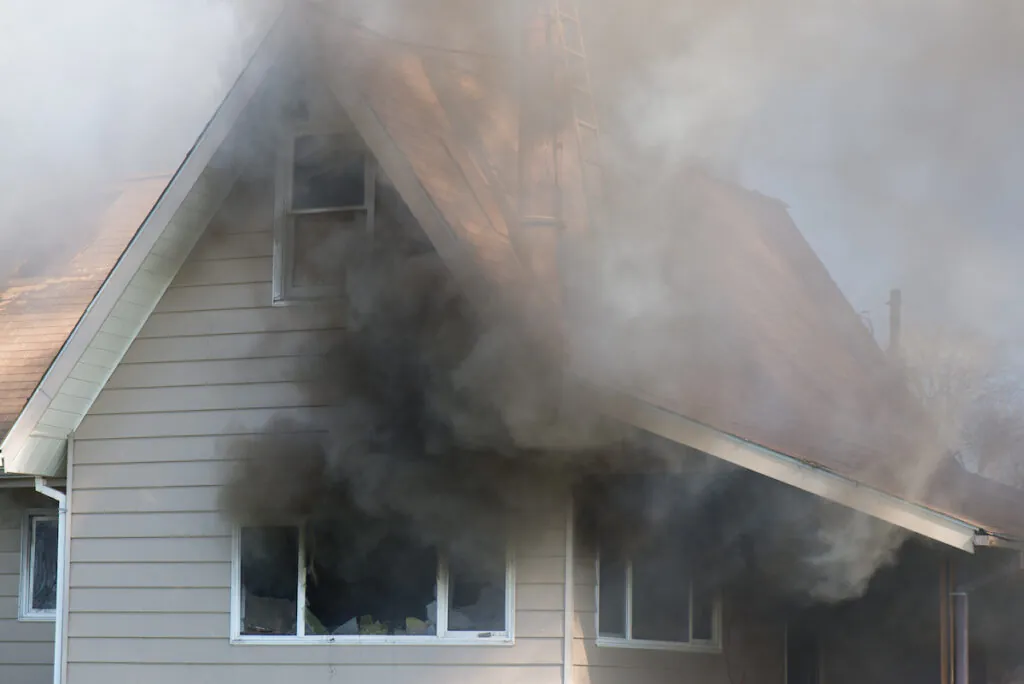
The wildfire risk profile of Mill Valley is among the most significant in all of Marin County. The city sits almost entirely within a designated Very High Fire Hazard Severity Zone under Cal Fire mapping, and its canyon neighborhoods — with dense native vegetation, limited road access for fire apparatus, and prevailing winds that channel through canyon corridors — are routinely cited in regional fire risk assessments as among the most vulnerable in the North Bay. The 2019 Woodacre fire and years of regional fire events have kept fire restoration as an active service category for Mill Valley properties, encompassing soot removal, smoke odor treatment with hydroxyl generators, content pack-out, and coordination with reconstruction contractors for structural repair. The suppression water used by fire crews also generates a distinct water damage scope that requires immediate professional mitigation to prevent secondary mold development in fire-affected structures.
The valley floor housing stock carries its own risk profile independent of the canyon environment. Pre-1940 homes along Lovell Avenue, Sycamore Avenue, and the blocks radiating from the Depot Plaza are at or approaching the century mark in age, with the plumbing, roof, and foundation vulnerabilities that come with that age. Original galvanized supply pipes in these homes are a known failure risk, and original cast-iron drain lines beneath the crawl space foundations accumulate root intrusion and corrosion scale over time that eventually leads to backup events. The commercial buildings along Miller Avenue and Throckmorton Avenue are similarly aged, and water intrusion in a mixed-use downtown building can affect multiple tenants and ownership interests simultaneously.
Owned & Operated by Nicholas Ondrejka
3095 Kerner Boulevard, San Rafael, CA, 94901
(628) 888-2911
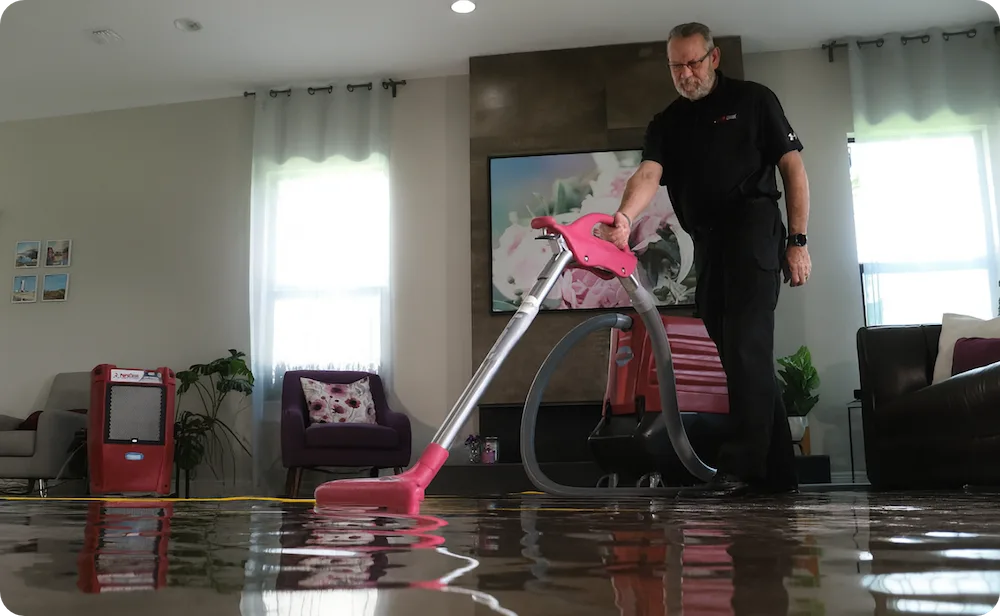
Water damage can result from unexpected leaks, flooding from storms, plumbing failures, or appliance malfunctions. Our certified teams focus on rapid water removal, drying, and stabilization to help prevent further damage and mold growth.
 Explore Our Water Damage Mitigation Services
Even after a fire is extinguished, smoke, soot, and odor can continue to affect your home. Fire damage restoration services address visible damage while also helping reduce lingering effects that impact indoor air quality and surfaces.
Explore Our Fire and Smoke Damage Restoration Services
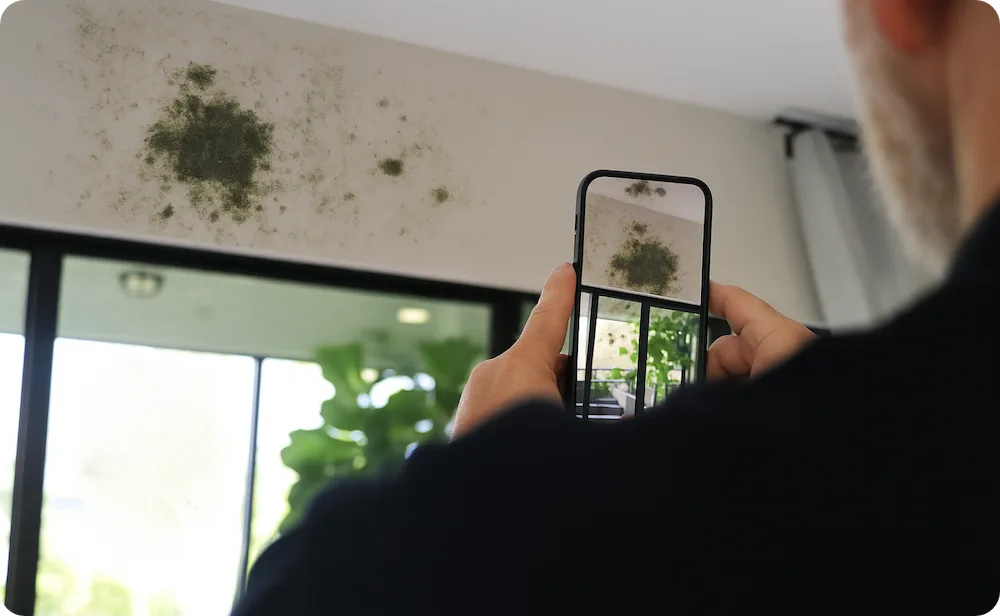
Mold often develops as a result of unresolved moisture or hidden water damage. Professional mold remediation helps identify affected areas, contain growth, and restore healthy indoor conditions.
Explore Our Mold Removal and Remediation Services
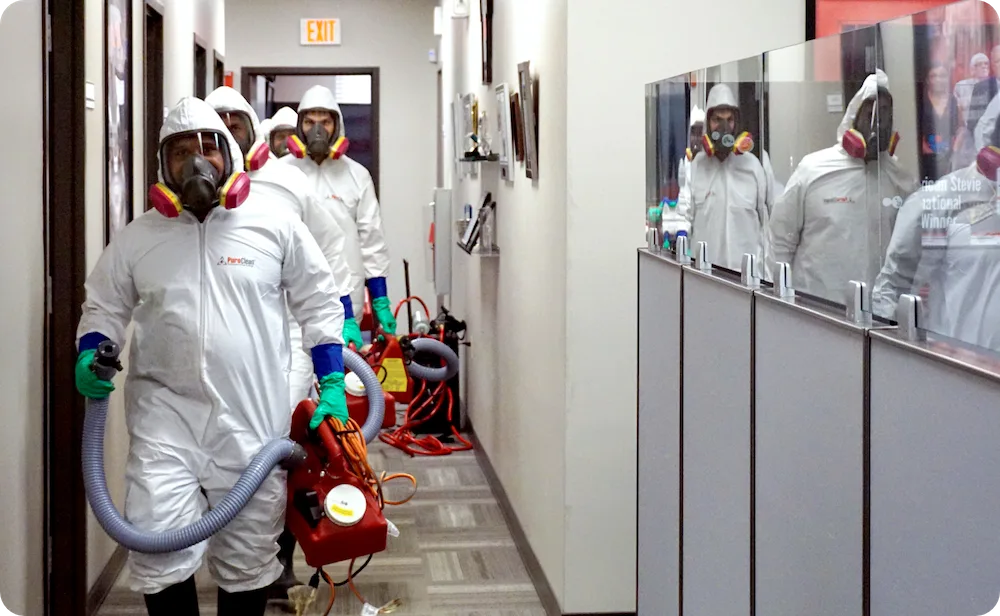
Biohazard situations, including crime scene cleanup and virus decontamination, require specialized cleaning and handling to protect health and safety. Biohazard cleanup services address contamination using proper protocols and professional care.
Explore Our Biohazard Cleanup Services
PuroClean provides 24/7 commercial property damage restoration services for businesses and facilities across the United States.
Explore Our Commercial Services
Water damage can result from unexpected leaks, flooding from storms, plumbing failures, or appliance malfunctions. Our certified teams focus on rapid water removal, drying, and stabilization to help prevent further damage and mold growth.
Explore Our Water Damage Mitigation Services
Specific answers for Mill Valley homeowners, canyon residents, and business owners
Creek overflow entering a crawl space is classified as a flood event under standard insurance definitions, which means it falls outside a typical HO-3 homeowners policy and requires a separate NFIP or private flood policy for coverage. If you do not carry flood insurance, the mitigation work is still necessary and we provide itemized self-pay estimates with clear payment options. The restoration process for a flooded crawl space begins with water extraction using portable submersible pumps and wet vacuums, followed by removal of any contaminated insulation or degraded vapor barrier, HEPA vacuuming and antimicrobial treatment of all structural surfaces in the crawl space, installation of commercial drying equipment positioned to create effective airflow across the subfloor assembly and foundation walls, and daily psychrometric monitoring until drying goals are achieved. For Category 3 events involving contaminated creek water, all porous materials in contact with the water are removed, and post-remediation clearance testing by an independent industrial hygienist confirms the space is safe before reinstallation of insulation and vapor barrier.
A musty odor that intensifies seasonally in a canyon home is almost always a moisture-driven mold indicator rather than a coincidence. In Mill Valley’s redwood canyon environment, the most common locations for concealed mold colonization are the crawl space — particularly around the perimeter foundation walls and any area where drainage from the slope above contacts the building — the attic, where inadequate ventilation and leaf debris accumulation on the roof surface keep sheathing wet, and wall cavities adjacent to exterior walls on the uphill side of the structure where hillside moisture migrates laterally through the soil and contacts the foundation. We assess all three zones using calibrated moisture meters and thermal imaging as part of our mold investigation, and we can coordinate air quality sampling with an independent industrial hygienist to confirm the presence and species of airborne mold before committing to a full remediation scope. That sequence protects you from paying for remediation without a confirmed diagnosis.
We handle both within a single integrated scope of work, which is a meaningful advantage during what is already an overwhelming experience. Fire restoration encompasses soot and char removal from all affected surfaces, smoke odor treatment using hydroxyl generators and in some cases thermal fogging, content pack-out and off-site cleaning of salvageable belongings, and structural assessment of fire-affected framing and materials. The suppression water component is treated as a concurrent water damage event — we extract standing water, deploy structural drying equipment to address saturated wall assemblies and flooring, and monitor drying progress daily. Both scopes are documented together in a single Xactimate-format estimate that your insurance adjuster receives as a unified scope of loss, which simplifies claim processing and avoids the coordination problems that arise when fire and water damage are handled by separate contractors writing competing estimates.
A moisture flag in a crawl space inspection report on a 1920s Mill Valley home should be taken seriously, and we strongly recommend a dedicated moisture and mold assessment before closing rather than relying solely on a general home inspector’s observation. Our assessment includes calibrated moisture metering of all crawl space structural members, thermal imaging of the subfloor assembly from below, visual inspection for active mold colonization, and identification of the moisture source — whether it is hillside drainage, a plumbing leak, inadequate vapor management, or some combination. If mold is confirmed, we can produce a written remediation scope and timeline that your attorney or real estate agent can use to negotiate a seller credit or require remediation as a condition of close. We turn around written assessment reports within one business day of the inspection, which keeps the transaction timeline intact for an active Mill Valley escrow.
The VHFHSZ designation affects your insurance premiums and your carrier’s appetite for writing or renewing your policy, but it does not change how we document a fire damage claim — we document every fire event the same way regardless of zone designation. What the VHFHSZ context does affect is the complexity of the reconstruction scope following a significant fire event, because rebuilding a hillside home in a high fire risk zone may require updated defensible space compliance, current fire-resistive construction materials, and design modifications that bring an older structure into conformance with current Cal Fire regulations. These reconstruction requirements can substantially increase the total scope and cost beyond what a straight like-for-like replacement would involve, and we flag this clearly in our initial fire assessment so that the insurance scope submitted to your adjuster reflects the full actual replacement cost rather than an estimate based on pre-fire construction standards that may no longer be permitted.
What Our Customers Say:
When you need water damage restoration services near you, call the experts at PuroClean. We are here day or night, 24/7, to help remove any standing water quickly and begin your water restoration service. We monitor the drying process so you can rest assured that your property is dried thoroughly. We offer commercial water restoration services for businesses and residential water damage restoration for homeowners.

PuroClean of San Rafael
(628) 888-2911
3095 Kerner Boulevard, Suite T, San Rafael, CA 94901


© 2026 PuroClean. All Rights Reserved.