PuroClean of Appleton — 400 S Linwood Ave, #4, Appleton, WI 54914
Combined Locks got its name honestly. The village grew up around the combined boat locks that once skirted the Fox River shoreline here, part of a 39-mile chain of 17 hand-operated locks and dams between Lake Winnebago and Green Bay that’s still listed on the National Register of Historic Places today. In 1889, the Van Nortwick family built the first dam and pulp mill on this stretch of river, organizing the Combined Locks Paper Company and turning a farming community into a company town almost overnight. Small worker cottages went up along the eastern end of the village to house mill families, and the settlement grew steadily enough that it incorporated as its own village in 1920. That mill — known today as McKinley Paper after passing through Appleton Coated and Midwest Paper Group — still anchors the riverfront, and the Locks Business Park has grown up around it as newer commercial development.
What makes Combined Locks unusual in the flat Fox Valley is its terrain — local agents describe the village as rolling and hilly, a legacy of the same glacial topography that shaped the river’s 168-foot drop over 39 miles. Wallace Street runs through the historic core past the Civic Center and Memorial Park, where century-old mill-worker homes with original plumbing sit blocks from the Fox River and its tributary, Garner’s Creek. Head toward the newer Locks Grand development or the residential streets off Van Zeeland Park and Marcella Avenue, and you’re in homes with modern sump systems built on ground that still funnels stormwater toward the river and its low-lying edges. Bordered by Kimberly, Little Chute, Kaukauna, and the Town of Buchanan — together known as the Heart of the Valley — Combined Locks gives our crews a mix of century-old mill housing, mid-century infill, and newer subdivisions, each with its own water damage pattern. Here’s what we’re called out for most often:
Our crew runs out of 400 S Linwood Ave in Appleton, and Combined Locks sits roughly nine miles east — usually a 15 to 20 minute drive depending on the address and time of day. For most calls, we head north on S Oneida Street to WI-441, the Tri-County Expressway, cross the Fox River, and pick up WI-96/Wisconsin Avenue heading east through Little Chute. From there we cross back south toward Combined Locks, arriving near Wallace Street and the historic village core where the Civic Center and Memorial Park anchor the community. That route puts us minutes from the older mill-worker cottages on the village’s east end, where original plumbing and clay laterals cause most of our winter and spring calls.
For calls near the Locks Grand development, Van Zeeland Park, or the residential streets off Marcella Avenue and Darboy Road, we stay on WI-96 slightly longer before cutting south, giving us direct access to the village’s newer subdivisions without navigating through the historic core. Commercial calls near McKinley Paper and the Locks Business Park on the riverfront route similarly, with easy access via DeBruin Road once we’re in the village. Because Combined Locks borders Kimberly to the west and Kaukauna to the east, we also coordinate closely with crews working those adjacent communities, so a call near the Buchanan town line or the Kaukauna border never falls into a gap between service areas. Every route is planned to keep our first-hour emergency response commitment intact no matter which corner of the village the call comes from.
Combined Locks sits directly on the Fox River, and the village’s entire reason for existing — the hand-operated lock and dam system built in the 1840s through early 1900s — still shapes water behavior here. The locks regulate river levels for navigation, but heavy regional rainfall or fast snowmelt upstream can still push the river high enough to raise groundwater along its banks, particularly near the historic village core and the McKinley Paper riverfront. Garner’s Creek, the tributary that runs through the village, adds a second drainage path that can back up during intense storms, and homes closest to either waterway see recurring Category 1 seepage in basements even without a plumbing failure.
The village’s rolling topography is the other major factor, and it’s unusual for this part of the Fox Valley. Instead of the flat grid common to neighboring communities, Combined Locks has real elevation change, which means stormwater doesn’t just sit — it runs downhill toward low-lying yards, basement window wells, and street-level catch basins that can be overwhelmed during summer thunderstorm systems moving through the region. The village has been actively upgrading aging infrastructure, including sanitary sewer, water lateral, and storm sewer work on streets like Marcella Avenue, which speaks to how much of the underground infrastructure here dates back to the mill-town era and is only now being modernized. Until that work is complete street by street, older sections of the village remain more exposed to sewer backup during heavy rain events than newer subdivisions with updated systems.
Winter brings the same freeze-thaw risk seen across the Fox Cities: century-old mill-worker cottages near Wallace Street often have plumbing runs along uninsulated exterior walls, making them prone to burst pipes during a hard cold snap. Newer homes in developments like Locks Grand face a different seasonal risk — sump pump failure during spring thaw, especially when a power outage coincides with rapid snowmelt on already-saturated, hilly ground. And because Combined Locks retains an active industrial corridor along the river, commercial water losses near McKinley Paper and the Locks Business Park often involve a mix of process water, stormwater, and structural moisture that requires the same thorough documentation — moisture mapping, thermal imaging, and Category classification — we’d use on any residential loss, just at commercial scale.
Owned & Operated by Osagie Enodunmwenben
400 S Linwood Ave, Appleton, WI, 54914
(920) 944-2320
Water damage can result from unexpected leaks, flooding from storms, plumbing failures, or appliance malfunctions. Our certified teams focus on rapid water removal, drying, and stabilization to help prevent further damage and mold growth.
 Explore Our Water Damage Mitigation Services
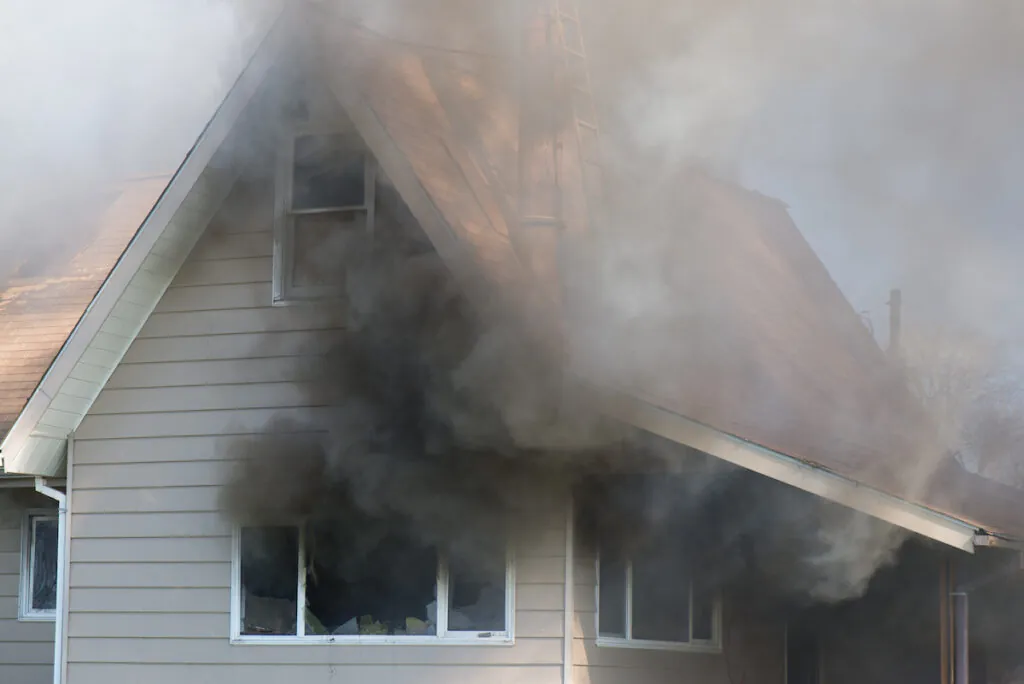
Even after a fire is extinguished, smoke, soot, and odor can continue to affect your home. Fire damage restoration services address visible damage while also helping reduce lingering effects that impact indoor air quality and surfaces.
Explore Our Fire and Smoke Damage Restoration Services
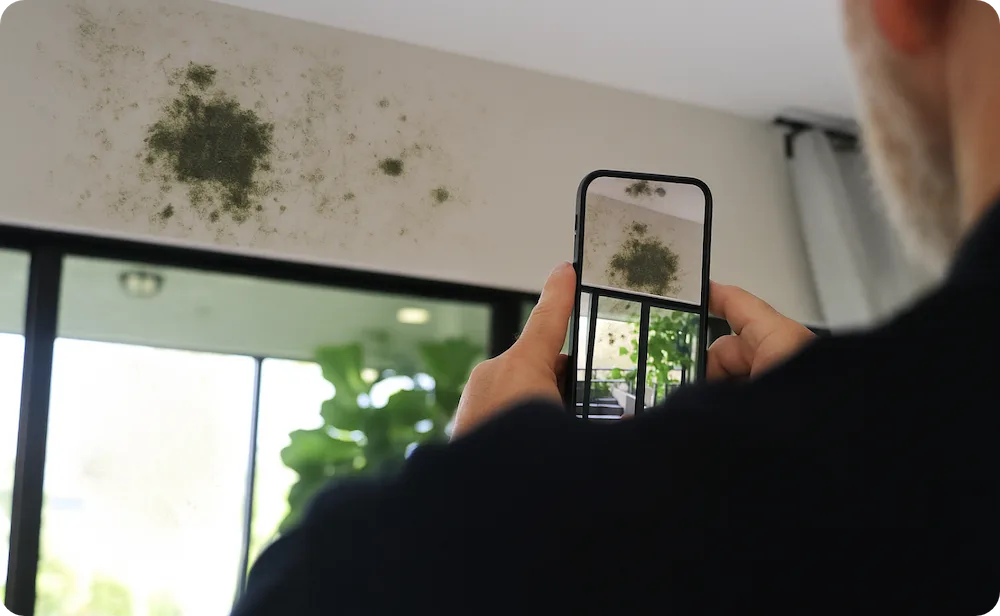
Mold often develops as a result of unresolved moisture or hidden water damage. Professional mold remediation helps identify affected areas, contain growth, and restore healthy indoor conditions.
Explore Our Mold Removal and Remediation Services
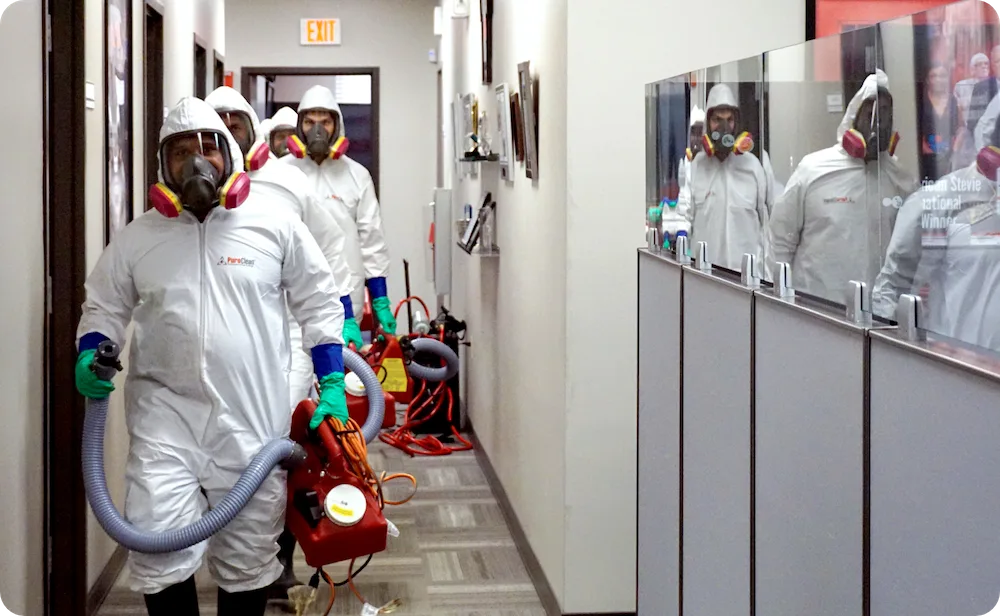
Biohazard situations, including crime scene cleanup and virus decontamination, require specialized cleaning and handling to protect health and safety. Biohazard cleanup services address contamination using proper protocols and professional care.
Explore Our Biohazard Cleanup Services
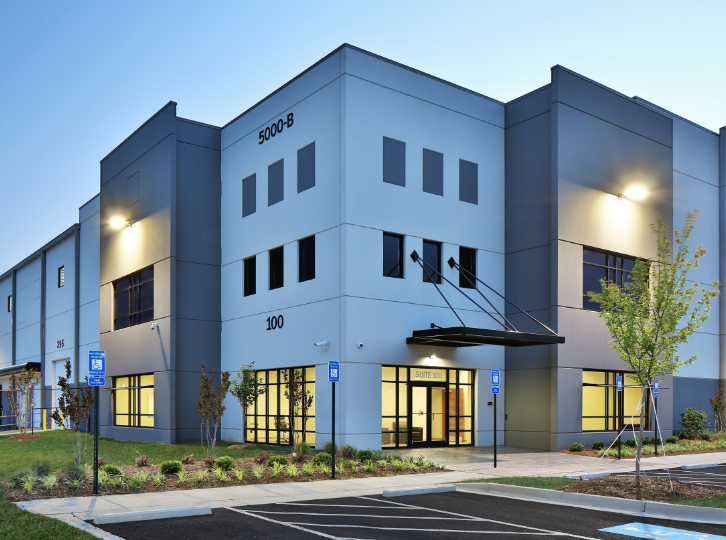
PuroClean provides 24/7 commercial property damage restoration services for businesses and facilities across the United States.
Explore Our Commercial Services
Water damage can result from unexpected leaks, flooding from storms, plumbing failures, or appliance malfunctions. Our certified teams focus on rapid water removal, drying, and stabilization to help prevent further damage and mold growth.
Explore Our Water Damage Mitigation Services
Combined Locks-specific questions we hear most from homeowners and business owners
Yes. Homes built in the late 1880s through early 1900s to house Combined Locks Paper Company workers typically have original plumbing runs, older clay sewer laterals, and construction that predates modern moisture barriers. A pipe break or sewer backup in one of these homes often means water traveled further and hid longer than it would in a newer structure. Our technicians factor construction age and materials into the initial assessment, using moisture meters and thermal imaging to map exactly how far water migrated before building the scope of work and the Xactimate estimate for your insurance adjuster.
From our Appleton shop, the Locks Grand development and other newer subdivisions in Combined Locks are typically a first-hour response, reached via WI-441 and WI-96 through Little Chute. Sump pump failures in this part of the village are almost always tied to a power outage or a pump overwhelmed by snowmelt running downhill across the village’s rolling terrain. Standing water in a finished basement can start supporting mold growth within 24 to 48 hours, so we prioritize getting extraction and drying equipment on site before that window closes, especially during the spring thaw season when calls cluster.
Commercial losses near the riverfront industrial corridor often involve larger square footage, process equipment, and a mix of water sources that residential losses don’t, so yes, the approach scales up. We document the loss with the same moisture mapping and photo evidence used on a home, but prepare a commercial-scale Xactimate estimate and coordinate directly with your business interruption and property adjusters. Minimizing downtime is the priority for any Combined Locks business, since every day near the Locks Business Park that a facility is offline affects both revenue and, often, the surrounding supply chain.
Combined Locks has more elevation change than most of its Fox Valley neighbors, and that rolling terrain means stormwater runs downhill toward low points rather than sitting evenly across a flat lot. Yards near parks and lower-lying residential streets are more likely to collect runoff during intense summer thunderstorms, and that water can find its way into basements through foundation cracks, window wells, or under-capacity drain tile faster than homeowners expect. We use thermal imaging to trace the entry point and can advise on grading or drainage improvements alongside the immediate mitigation work.
Standard homeowners policies generally exclude river flooding, which is why NFIP coverage through the National Flood Insurance Program matters for properties closest to the Fox River and Garner’s Creek, even with the lock and dam system regulating navigation levels upstream. Most of the water losses we see in Combined Locks — pipe bursts, sewer backups, sump pump failures, storm-driven seepage through foundation walls — fall under a standard HO-3 policy rather than NFIP flood coverage, but we always document the water source clearly, since that distinction determines which policy responds and how the claim gets filed.
What Our Customers Say:
When you need water damage restoration services near you, call the experts at PuroClean. We are here day or night, 24/7, to help remove any standing water quickly and begin your water restoration service. We monitor the drying process so you can rest assured that your property is dried thoroughly. We offer commercial water restoration services for businesses and residential water damage restoration for homeowners.

PuroClean of Appleton
(920) 944-2320
400 S Linwood Ave, #4, Appleton, WI 54914

© 2026 PuroClean. All Rights Reserved.