


Table of Contents
Mold vs. Mildew: while often used interchangeably, the difference between these two fungi is critical for your home’s health. Mildew is a surface-level fungus that is usually white or gray and powdery, whereas mold grows deep into porous materials and appears fuzzy or slimy in colors like black, green, or red. If you have a persistent fungal problem, professional Mold Remediation Services in Burlington are necessary because mold can cause structural rot and significant respiratory issues. Acting fast ensures that a simple cleaning task doesn’t turn into a massive home restoration project.
Is that gray smudge on your shower tile just a bit of soap scum, or is it the start of a total home takeover? For homeowners in Southeastern Wisconsin, identifying the difference between mold and mildew is the first step in maintaining a safe environment. While both are types of fungi that thrive in the damp conditions of a Burlington basement or bathroom, they require very different levels of concern. When a surface-level cleaning isn’t enough, seeking Mold Remediation Services in Burlington is the only way to ensure your property remains sound and your air stays clean.
In Burlington, WI, the high humidity of our lake-effect summers and the condensation of our freezing winters provide the perfect fuel for fungal growth. Understanding whether you are dealing with a “wipe-away” mildew problem or an “invasive” mold colony can save you thousands of dollars in property damage.
What is the main difference between mold and mildew?
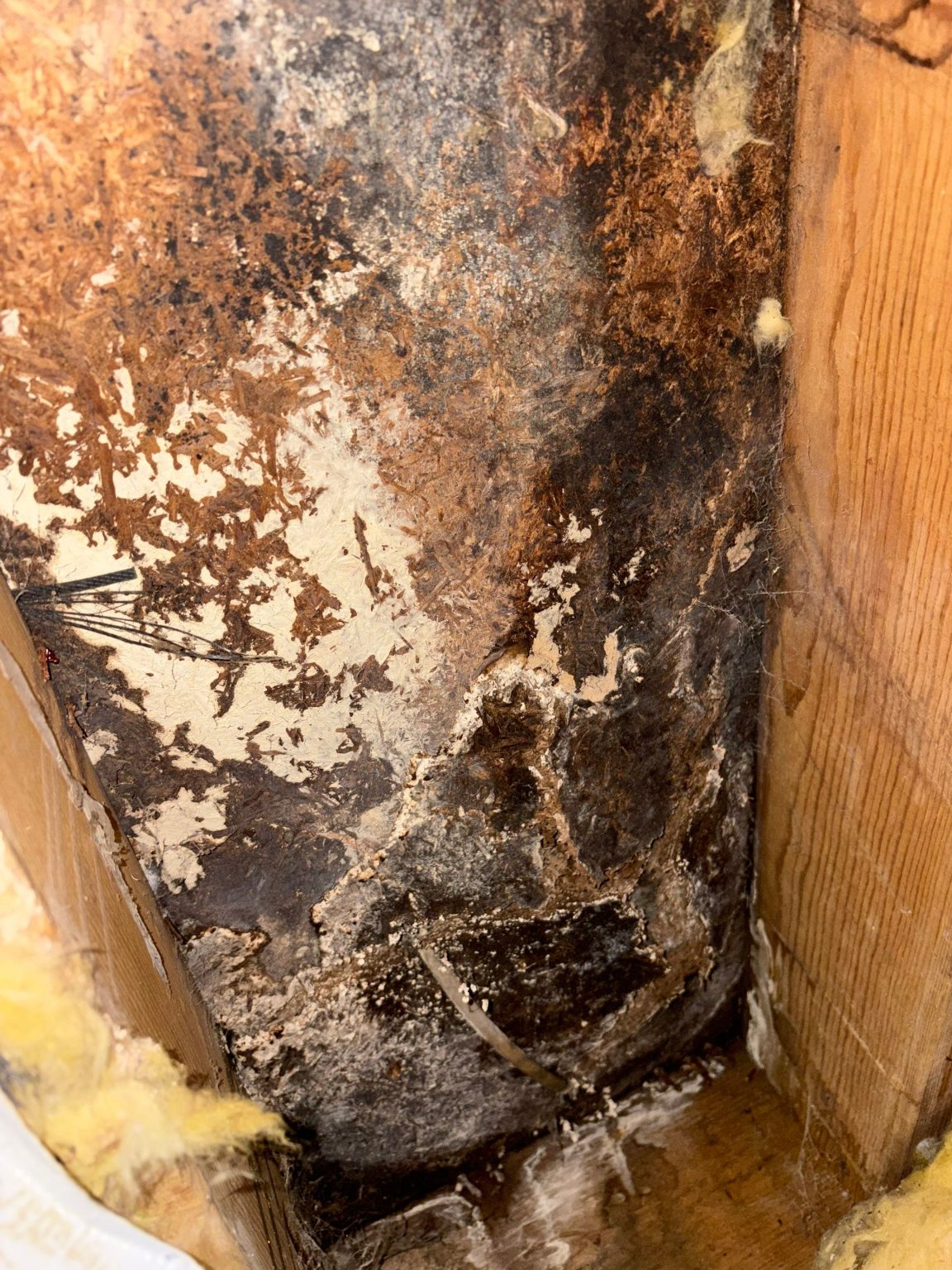
Snippet-friendly Answer: The main difference lies in the depth of growth and appearance. Mildew is a “surface” fungus that grows flat, appears powdery, and is typically gray or white. Mold is much more invasive; it grows deep into porous materials like drywall and wood, has a fuzzy or slimy texture, and comes in various colors including black, green, and bright orange.
According to the Federal Emergency Management Agency (FEMA), mold and mildew can begin to grow on a damp surface within 24 to 48 hours. If you find yourself searching for Mold Remediation Services in Burlington near me, it’s likely because the fungus has moved past the surface and into the structure of your home.
1. Appearance: Flat vs. Fuzzy
The easiest way to tell the two apart is by looking at their physical structure.
How do I identify mildew? Mildew almost always looks like a dusting of flour or a patch of gray spots. It remains flat against the surface and never develops a “raised” or “hairy” look. If you can wipe it away easily with a damp cloth, it is likely mildew.
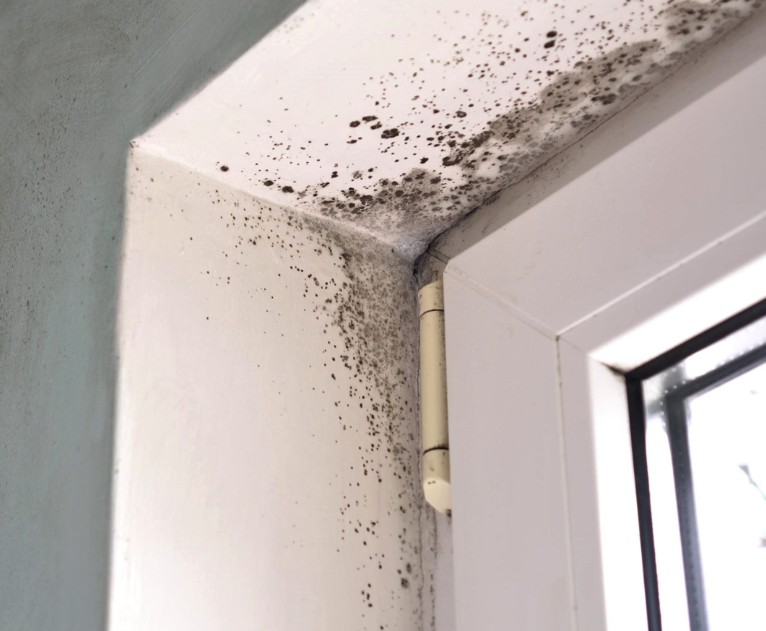
How do I identify mold? Mold has a three-dimensional growth pattern. It looks fuzzy, velvety, or slimy. If the patch looks like it has “height” or “depth,” you are looking at mold, which likely requires professional Mold Remediation Services in Burlington to safely remove without spreading spores through your HVAC system.
2. Color: The Fungal Spectrum
Color is a major clue in the mold vs. mildew debate.
- Mildew: Usually begins as white and turns gray or brown as it ages.
- Mold: Can be almost any color. While “Black Mold” is the most famous, mold in Burlington homes is often deep green, bright yellow, or even a reddish-pink (common in showers).
3. Depth of Penetration: Surface vs. Structural
This is the most dangerous difference. Mildew is like a tan on your skin; it’s only on the very top layer. Mold, however, is like a root system. It produces “hyphae” that dig deep into the fibers of wood, insulation, and drywall.
4. Health Risks and Air Quality
While both can trigger allergies, mold is significantly more hazardous to your respiratory system.
Can mold make you sick? Yes. Mold releases mycotoxins and high concentrations of spores into the air. This can lead to chronic coughing, skin irritation, and severe asthma attacks. While mildew might make you sneeze, mold requires professional Mold Remediation Services in Burlington because it can compromise the air quality of the entire house.
5. Preferred Habitats: Where They Hide
- Mildew: Prefers non-porous, damp surfaces like tile, grout, or the leaves of your indoor plants.
- Mold: Prefers organic, porous materials. You’ll find mold feasting on the paper backing of drywall, the plywood in your attic, or the underside of your carpeting.
6. Ease of Removal
Mildew is a DIY project. A store-bought cleaner or a mixture of vinegar and water will usually kill it. Mold is a different story. Because mold grows inside the material, spraying the surface with bleach won’t kill the roots. In fact, the EPA warns that bleach can actually provide more moisture to the mold’s root system, causing it to grow back faster.
7. Long-Term Damage: Aesthetic vs. Rot
Mildew is an aesthetic problem; it makes things look dirty. Mold is a structural problem. Left unchecked, mold will literally digest the wood and paper in your home, leading to sagging ceilings, crumbling walls, and a massive decrease in your home’s resale value.
When to Call for Mold Remediation Services in Burlington
If you notice any of the following, the “mildew” you suspected is actually a mold infestation:
- The patch is larger than 10 square feet.
- The area smells intensely musty or earthy.
- The “spot” grows back within days of being cleaned.
- Family members are experiencing unexplained respiratory issues.
FAQ’s
-
Can mildew turn into mold?
No. They are different species of fungi. However, the conditions that allow mildew to grow (high moisture and poor airflow) are the exact same conditions that invite mold. If you have mildew, mold is often lurking nearby.
-
Is “Pink Mold” actually mold?
Usually, the pink “slime” in bathrooms is actually a bacteria called Serratia marcescens. While not a fungus, it still indicates that your bathroom is too damp and requires better ventilation.
-
How do professionals test for mold vs. mildew?
Mold Remediation Services in Burlington use air quality testing and “tape lift” samples. These are sent to a lab to identify the specific species and the concentration of spores in your breathing zone
Conclusion: Protect Your Wisconsin Home
In summary, the difference between mold and mildew comes down to depth, appearance, and risk. Mildew is a powdery, surface-level nuisance, while mold is a fuzzy, invasive threat to your home’s structure. By recognizing these 7 differences, you can take the right action before a small spot becomes a major insurance claim.
PuroClean of Burlington: Your Fungal Experts
Don’t take chances with your family’s health. If you suspect that your “mildew” problem is actually a deep-seated mold issue, PuroClean of Burlington is here to help. We are the premier provider of Mold Remediation Services in Burlington.
Our IICRC-certified team doesn’t just “clean” the mold; we identify the moisture source, contain the area to prevent cross-contamination, and use industrial-grade HEPA filtration to scrub your air clean. Whether you’ve recently used our Water Damage Services and want a follow-up check or you’ve found a suspicious patch in your crawlspace, we provide the expertise you need.
PuroClean of Burlington 📞 Call Now: (262) 342-2226 🕒 Available 24/7 — Because disasters don’t wait.
🔗 Quick Links: Instagram | Google Reviews & Directions | Facebook