


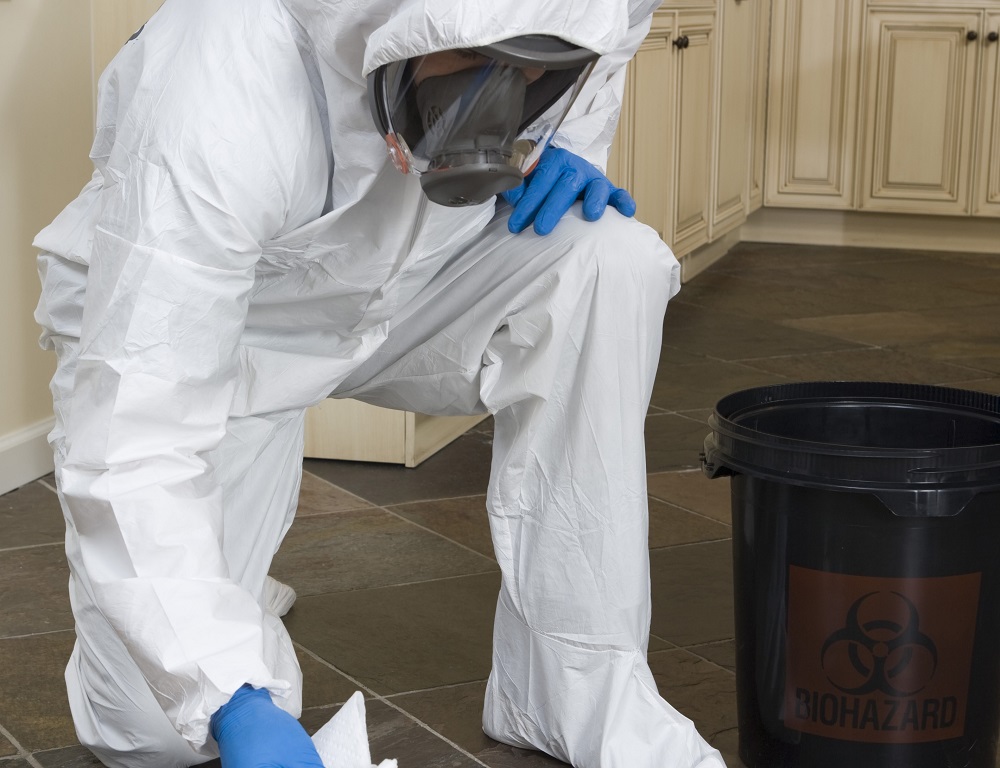
QUICK ANSWER: Steps for Biohazard Cleanup After Sewage Backup
Biohazard cleanup after a sewage backup requires five essential steps that differ significantly from a standard water-damage response. First, evacuate the affected area immediately and keep children and pets away entirely. Second, avoid all direct contact with contaminated water and materials. Third, contact professional biohazard cleanup after sewage backup specialists rather than attempting DIY cleaning, since sewage qualifies as category 3 black water containing serious pathogens. Fourth, document damage from a safe distance for insurance purposes before any cleanup begins. Fifth, allow professionals to handle proper disinfection, contaminated material disposal, and air quality verification before the space is considered safe for reoccupation. Sewage contamination poses genuine health dangers that make professional intervention necessary rather than optional.
Biohazard Cleanup After Sewage Backup: Why This Isn’t a DIY Situation
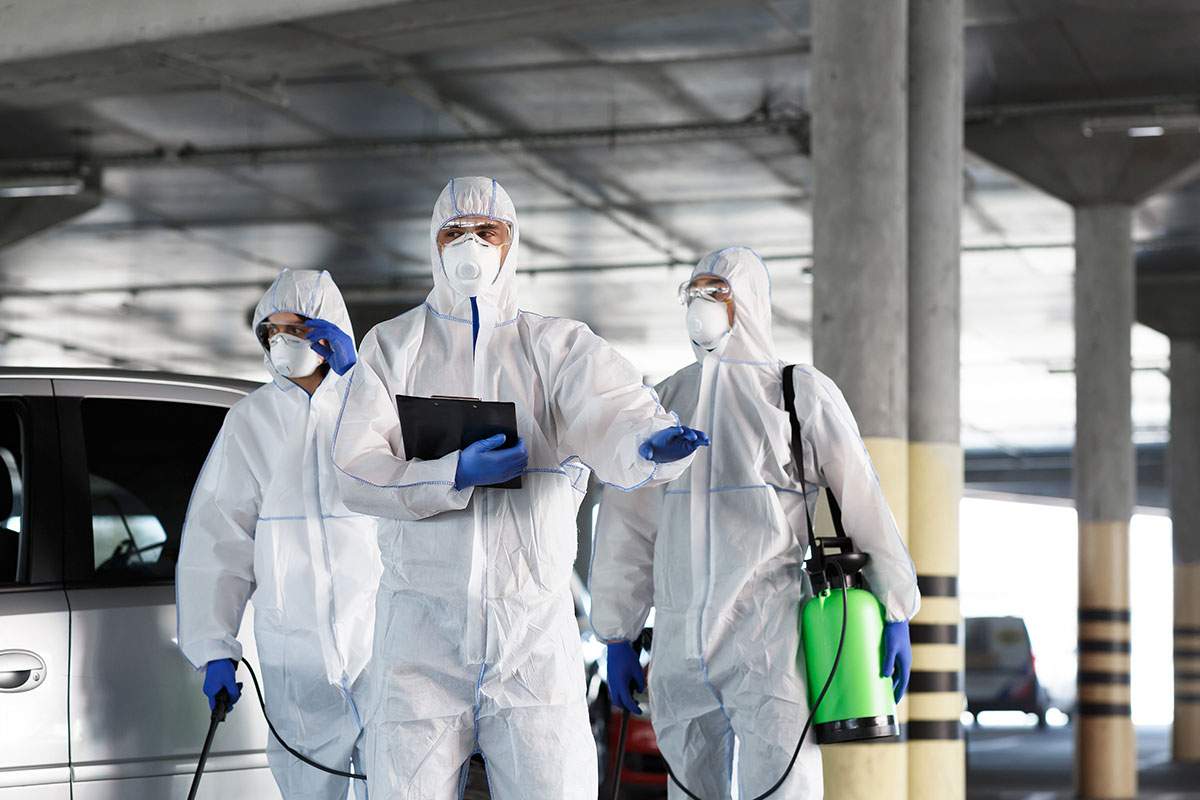
Sewage is backing up into your home, and your instinct might be to grab a mop and towels and start cleaning immediately.
Stop. This is exactly the wrong first move, and understanding why matters for your family’s health. Biohazard cleanup after sewage backup involves genuinely dangerous contamination, not just an unpleasant mess to wipe away. What’s flowing into your home carries bacteria, viruses, and parasites capable of causing serious illness.
For immediate biohazard cleanup after sewage backup throughout Wisconsin and Illinois, call PuroClean of Burlington at (262) 342-2226 for professional emergency response.
I’ve responded to countless sewage emergencies where homeowners, understandably wanting to minimize damage, started cleaning before realizing the actual risk involved. Understanding these five essential steps helps protect your family while the situation gets handled properly.
This guide walks through exactly what needs to happen, in order, when sewage backs up into your home.
Step 1: Evacuate the Area Immediately
Why does biohazard cleanup after sewage backup start with evacuation rather than cleanup?
Answer: Sewage water is classified as category 3 “black water,” meaning it contains bacteria, viruses, parasites, and other pathogens capable of causing serious illness through contact or even airborne exposure. Biohazard cleanup after a sewage backup begins with evacuation because remaining in the contaminated area, even briefly, increases exposure risk for every family member present.
Getting everyone away from the contamination comes before anything else.
Understanding category 3 water:
Water damage professionals classify contamination, with category 3 representing the most dangerous level. According to the CDC, sewage contains pathogens including E. coli, hepatitis A, and various parasites capable of causing serious gastrointestinal and other illnesses.
Why children and pets face elevated risk:
Children naturally explore environments at floor level and put hands near their mouths more frequently, while pets may walk through or even drink contaminated water without understanding the danger. Both groups need to be kept completely away from affected areas.
Airborne contamination concerns:
Beyond direct contact, sewage backup can release harmful bacteria and mold spores into the air, particularly as water evaporates or is disturbed, meaning proximity alone carries risk even without physical contact.
Closing off the affected space:
If possible, close doors to contain the area and prevent contamination from spreading to unaffected rooms while you wait for professional biohazard cleanup after sewage backup to begin.
This first step feels obvious once explained, but it’s exactly the step people skip in the rush to minimize damage.
Step 2: Avoid All Direct Contact With Contaminated Materials
What should I avoid touching during biohazard cleanup after sewage backup?
Answer: Avoid direct skin contact with sewage water, affected carpeting, furniture, or any porous materials the contamination has touched. Biohazard cleanup after sewage backup requires proper personal protective equipment that most households simply don’t have access to, making any DIY contact genuinely risky.
Your hands and skin are more vulnerable than you might think.
Why bare skin contact is dangerous:
Pathogens present in sewage can enter your body through cuts, scrapes, or even intact skin in some cases, and contaminated hands touching your face, eyes, or mouth afterward creates additional exposure risk.
Items you shouldn’t attempt to salvage yourself:
Porous materials like carpeting, upholstered furniture, and drywall that have absorbed sewage water are typically unsalvageable and require professional assessment and proper disposal rather than any attempt at personal cleaning.
What limited protective equipment actually requires:
Professional biohazard cleanup after sewage backup involves specific-grade gloves, respiratory protection, and protective clothing designed for pathogen exposure, equipment that goes well beyond typical household rubber gloves and dust masks.
Even “quick” cleanup attempts carry risk:
The instinct to just grab a few obviously ruined items or wipe up a small amount before help arrives still involves direct contact with contaminated material, carrying the same health risks as more extensive cleanup attempts.
Resisting the urge to touch anything, even briefly, protects your health while waiting for proper equipment and expertise.
Step 3: Contact Professional Biohazard Specialists Rather Than DIY Cleaning
Why does biohazard cleanup after sewage backup require professionals specifically?
Answer: Professional biohazard cleanup after sewage backup involves proper pathogen-rated protective equipment, EPA-registered disinfectants specifically effective against sewage-related contaminants, appropriate disposal procedures for contaminated materials, and expertise in determining what can be salvaged versus what requires complete removal, none of which household cleaning products or methods can adequately replicate.
This is where professional expertise becomes genuinely necessary rather than optional.
Why household cleaners fall short:
Standard household disinfectants aren’t formulated or tested for the specific pathogen loads present in sewage contamination, meaning typical cleaning products provide a false sense of safety without actually eliminating the relevant health risks.
Proper material assessment:
Professionals conducting biohazard cleanup after sewage backup can determine which materials might be salvageable through proper disinfection versus which require complete removal and disposal, a distinction that significantly affects both health outcomes and restoration costs.
Containment during active cleanup:
Professional response includes proper containment procedures preventing contamination from spreading to unaffected areas during the cleanup process itself, something DIY efforts typically cannot achieve without specialized equipment.
Regulatory disposal requirements:
Contaminated materials from sewage backup often require specific disposal procedures rather than standard trash removal, and professional biohazard cleanup after sewage backup services understand and follow these requirements appropriately.
Calling professionals immediately, rather than attempting any cleanup first, genuinely protects both your health and your home’s long-term condition.
Step 4: Document Damage From a Safe Distance Before Cleanup Begins
How should I document damage without risking exposure?
Answer: Take photographs or video from outside the contaminated area, or from just inside the doorway without stepping into affected water, capturing the extent of damage for insurance purposes. This documentation supports your claim while professional biohazard cleanup after a sewage backup proceeds without requiring you to enter contaminated spaces.
Documentation matters, but it shouldn’t require exposure risk.
Photographing from an appropriate distance:
Standing at the edge of the affected area or using zoom capabilities on your phone camera allows you to capture necessary documentation without stepping into contaminated water or touching affected surfaces.
What to capture for insurance purposes:
Wide shots showing the extent of affected areas, along with any visible damage to belongings or structural elements, provide useful documentation supporting your claim throughout the biohazard cleanup after sewage backup process.
Noting the timeline:
Record when you first discovered the backup and what you believe caused it, since this information helps both your insurance claim and the professional team’s understanding of the situation upon arrival.
Let professionals document the rest:
Once biohazard cleanup after sewage backup specialists arrive, they’ll conduct their own thorough documentation as part of the professional assessment process, supplementing what you were able to safely capture beforehand.
Your initial photos provide a helpful starting point without requiring you to take on any unnecessary risk.
Step 5: Allow Complete Professional Remediation Before Reoccupying the Space
What does complete biohazard cleanup after a sewage backup involve before an area is safe again?
Answer: Full remediation includes complete water extraction, removal of unsalvageable contaminated materials, thorough disinfection using appropriate antimicrobial treatments, structural drying to prevent secondary mold growth, and verification that the space meets safety standards before anyone, especially children or individuals with compromised immune systems, reoccupies the area.
Rushing back in before this process completes undermines the entire point of proper remediation.
Complete extraction and material removal:
Professional biohazard cleanup after sewage backup includes removing standing contaminated water along with any porous materials determined unsalvageable during assessment, addressing the contamination at its source.
Thorough disinfection procedures:
EPA-registered antimicrobial treatments appropriate for sewage-related pathogens are applied to all affected surfaces, going beyond what standard household cleaning products can achieve.
Structural drying preventing secondary problems:
Since sewage backup introduces significant moisture alongside contamination, proper structural drying prevents mold growth from developing as a secondary issue following the primary sewage problem.
Verification before reoccupation:
Reputable biohazard cleanup after sewage backup services don’t simply declare an area finished based on visual inspection alone; instead, they confirm through proper assessment that the space genuinely meets safety standards.
Why patience here protects your family:
Returning to a space before remediation is genuinely complete reintroduces exposure risk that the entire process was designed to eliminate, making patience during this final step just as important as the earlier response steps.
Complete professional remediation, start to finish, is what actually makes your home safe again.
Understanding Why Sewage Backup Requires This Level of Caution
Sewage backup differs fundamentally from other water damage situations specifically because of contamination level rather than water volume alone. Even a relatively small sewage backup carries the same category 3 classification and associated health risks as a larger event, which is exactly why the response protocol remains consistent regardless of how contained the situation initially appears.
If you’re dealing with recurring plumbing issues that might lead to future sewage problems, understanding common causes can help with prevention. For related water damage situations that share some response similarities, our guide on water damage restoration near me: critical things to do before the team arrives covers general emergency response, though sewage-specific situations always warrant the additional biohazard precautions covered here.
Frequently Asked Questions About Biohazard Cleanup After Sewage Backup
How quickly should professional biohazard cleanup after sewage backup begin?
As soon as possible after discovery. Sewage contamination poses immediate health risks, and prompt professional response also helps prevent secondary issues like mold growth from developing alongside the primary contamination.
Can any items be salvaged after sewage contamination?
Non-porous items like certain plastics, glass, or metal objects may be salvageable through proper professional disinfection. Porous materials like carpeting, upholstered furniture, and drywall typically cannot be safely salvaged and require replacement.
Is sewage backup typically covered by homeowners insurance?
Coverage varies significantly by policy, with many standard policies excluding sewage backup unless a specific endorsement or additional coverage was purchased. Reviewing your specific policy or contacting your provider clarifies your situation.
What health symptoms should I watch for after sewage exposure?
Gastrointestinal symptoms, skin irritation, or respiratory issues following any contact with sewage-contaminated water or materials warrant medical attention. Contact a healthcare provider if you experience symptoms after exposure.
Can I use bleach for biohazard cleanup after sewage backup myself?
This isn’t recommended. Bleach isn’t formulated for the specific pathogen loads present in sewage contamination, and DIY attempts still involve direct contact risk without proper protective equipment. Professional remediation uses appropriate EPA-registered disinfectants specifically suited for this contamination type.
How long does complete biohazard cleanup after sewage backup typically take?
Timeline depends on the extent of contamination and affected area size. Minor situations might resolve within a few days, while more extensive contamination requiring significant material removal and structural drying can take longer.
Professional Biohazard Cleanup and Sewage Backup Services

PuroClean of Burlington provides comprehensive emergency response:
✓ True 24/7 Emergency Response for sewage emergencies
✓ Proper Protective Equipment and containment procedures
✓ Complete Water Extraction from contaminated areas
✓ Professional-Grade Disinfection using EPA-registered products
✓ Safe Material Assessment and Disposal following regulations
✓ Structural Drying preventing secondary mold growth
✓ Insurance Documentation Support throughout the claims process
✓ Verification Testing confirming safe reoccupation
We proudly serve all Wisconsin and Illinois communities, including:
Kenosha County | Racine County | Walworth County | Milwaukee County | Waukesha County | Ozaukee County | Washington County | Rock County | Dane County | Jefferson County | Lake County, IL | McHenry County, IL | Boone County, IL | Winnebago County, IL
Related Articles:
- Water Damage Restoration Near Me: Critical Things to Do Before the Team Arrives
- Emergency Restoration Services: Why Every Minute Matters
Related Services:
Sewage Backup Emergency Right Now?
Get Professional Biohazard Cleanup Immediately
☎️ CALL: (262) 342-2226
24/7 Emergency Response | Proper Protective Equipment | Complete Remediation
Serving All Wisconsin & Illinois Communities
Summary: Handling Biohazard Cleanup After Sewage Backup Safely
Sewage backup demands a fundamentally different response than typical water damage, precisely because of the serious health risks category 3 black water contamination presents. Five essential steps protect your family: evacuating the affected area immediately, avoiding all direct contact with contaminated materials, contacting professional biohazard specialists rather than attempting DIY cleaning, documenting damage safely from a distance, and allowing complete professional remediation before anyone reoccupies the space.
Each step exists for genuine safety reasons rather than excessive caution. Sewage pathogens can cause serious illness, household cleaning products aren’t formulated to address this specific contamination level, and rushing back into a space before remediation genuinely completes reintroduces exactly the exposure risk the entire process aims to eliminate.
If sewage has backed up into your Wisconsin or Illinois home, don’t attempt cleanup yourself. Contact PuroClean of Burlington at (262) 342-2226 for immediate professional biohazard cleanup after sewage backup and expert guidance protecting your family’s health throughout the entire process.