


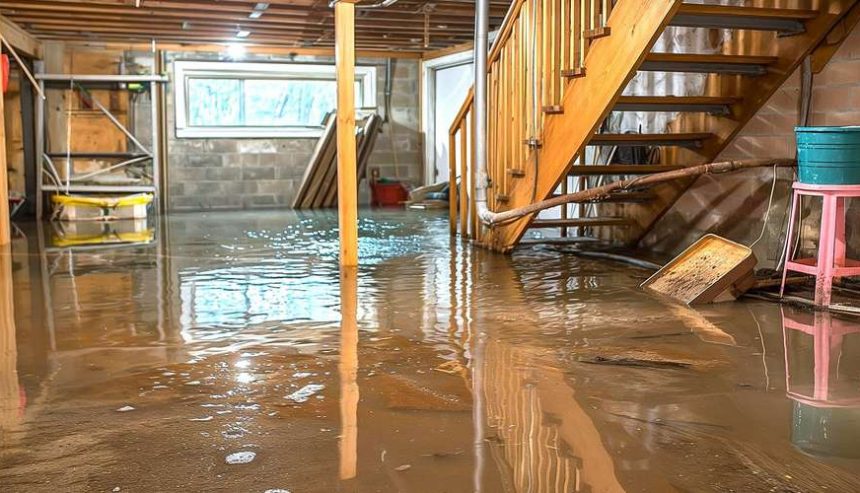
First 24 Hours Basement Flood Cleanup Priority
Immediate basement flood cleanup action within the first 24 hours includes evaluating occupant safety, preventing electrical shock, identifying the water source, enabling shutdown, documenting damage through photographs supporting insurance claims, contacting professional water removal specialists initiating emergency response, removing portable items from contamination, implementing temporary containment preventing spread to upper floors, and avoiding activities disturbing contaminated water, spreading contamination, and creating health hazards. Professional basement flood cleanup within 24-48 hours prevents mold growth beginning within 48 hours, while rapid water removal minimizes structural damage and content loss throughout Wisconsin and Illinois properties.
Your basement fills with water from a burst pipe or heavy rainfall.
Panic sets in knowing that damage escalates rapidly. You feel overwhelmed, not knowing where to start.
Those first 24 hours prove critical in determining whether basement flood cleanup prevents catastrophic damage or allows problems to compound dangerously.
For emergency basement flood cleanup throughout Wisconsin and Illinois, call PuroClean of Burlington at (262) 342-2226 for immediate 24/7 response.
I have coordinated countless basement flood cleanup situations throughout Burlington, Lake Geneva, Kenosha, Racine, Milwaukee, and surrounding communities. Quick, decisive action during the first 24 hours dramatically improves outcomes.
This guide provides your basement flood cleanup action plan for those critical first hours.
Step 1: Evaluate Safety Before Basement Flood Cleanup Begins
What safety hazards exist during basement flooding?
Answer: Basement flood cleanup immediately following electrical hazards from standing water contacting outlets and panels, structural dangers from water-saturated foundations, and contamination risks from sewage-contaminated floodwaters require evaluation before entry, preventing electrocution, structural collapse, and serious illness from pathogenic exposure.
Safety evaluation prevents serious injury during flood situations.
Electrical hazard identification:
Standing water conducts electricity, creating electrocution risks near outlets, circuit panels, and appliances. Never enter flooded basements without shutting off electrical power at the main panel from upper levels, preventing electrical hazards.
Properties throughout Kenosha County, Racine County, Walworth County, and Milwaukee County experience electrical dangers during basement flooding, requiring immediate power shutdown before basement flood cleanup.
Structural assessment:
Water-saturated foundation walls may crack or bow from hydrostatic pressure. Ceiling leaks may indicate structural weakness. Avoid areas showing damage signs.
Contamination evaluation:
Determine the floodwater source. Sewage backup creates category 3 biohazard contamination, requiring professional handling. Clean groundwater poses different risks than contaminated sources. Source identification guides appropriate response.
Mold prevention urgency:
Mold establishes within 24-48 hours. The first 24-hour basement flood cleanup response determines whether professional intervention prevents contamination or allows establishment.
Safety evaluation before basement flood cleanup entry prevents injuries, enabling an effective response.
Step 2: Shut Off Water and Electrical Systems
How do I prevent continued water introduction during basement flood cleanup?
Answer: Locate and shut off the main water supply valve at the property entrance or basement shut-off point, preventing additional water introduction while basement flood cleanup preparations occur, and disable electrical power at the main circuit breaker panel from upper floors before entering flooded areas, preventing electrocution during water contact.
System shutdown prevents damage escalation during flood situations.
Water shut-off location:
Main water valves are typically installed near water meters or property entrances. Locate and turn the valve fully closed, stopping the water supply. Continued water input requires proportionally increased basement flood cleanup effort.
Waukesha County, Ozaukee County, Washington County, and Rock County residents should familiarize themselves with shut-off locations enabling rapid response during emergencies.
Electrical disconnection:
Access the main circuit breaker panel from the upper floors. Switch the main breaker to the OFF position, disconnecting power throughout the basement. Never enter flooded basements with electrical power active.
Gas system assessment:
If gas-powered appliances occupy basements, shut off the gas supply at the meter if water threatens the equipment. Contact utility providers if uncertain about safe shutdown procedures.
System confirmation:
After shutting off water and electricity, verify that water flow stops at fixtures and outlets remain inactive, confirming complete disconnection. Continued issues indicate improper shutdown requiring professional assessment.
System shutdown during basement flood cleanup prevents continued damage and safety hazards.
Step 3: Document Damage Thoroughly for Insurance Claims
How should I document basement flood cleanup damage?
Answer: Photograph flooded areas showing water extent and affected materials; videotape room views from multiple angles documenting damage scope; note water levels on walls; create a written damage inventory including destroyed items and furniture; and maintain this documentation supporting insurance claims, enabling appropriate reimbursement for basement flood cleanup and restoration.
Comprehensive documentation protects financial recovery during flooding.
Photographic evidence:
Photograph all affected areas showing the extent, damaged materials, and destroyed items. Date-stamp photos identifying documentation timing. Multiple angles document comprehensive damage.
Dane County, Jefferson County, Janesville, Beloit, and surrounding properties benefit from thorough photographic documentation supporting insurance claims.
Video documentation:
Walk through flooded basements, filming conditions. Narrate observed damage, describing water levels, affected materials, and destroyed belongings. The video provides a comprehensive damage record.
Written inventory:
List all affected items, including furniture, electronics, documents, and personal belongings, with descriptions. Note item conditions before proceeding, enabling insurance valuation. Document salvageable versus destroyed items.
Water level marking:
Mark water levels on walls with a permanent marker, indicating the flooding height. This documentation supports insurance assessment and professional restoration planning during basement flood cleanup.
Insurance notification:
Contact insurance providers immediately after flooding, providing documentation. Prompt notification enables coverage authorization, facilitating a professional response during basement flood cleanup.
Documentation supporting insurance claims maximizes reimbursement, preventing financial loss from basement flooding.
Step 4: Contact Professional Basement Flood Cleanup Services Immediately
When should I call professional basement flood cleanup services?
Answer: Call professional basement flood cleanup specialists immediately upon water discovery, providing 24-hour emergency response with rapid professional response within hours, preventing mold growth and structural damage impossible to prevent through household approaches or delay.
Immediate professional response prevents catastrophic damage escalation.
24-hour availability requirement:
Professional basement flood cleanup services, maintaining true 24-hour availability, provide rapid response regardless of timing. Flooding does not wait for business hours, requiring immediate specialist response.
Properties throughout Milwaukee County, West Allis, Wauwatosa, Oak Creek, Franklin, and surrounding areas require rapid professional basement flood cleanup within hours, preventing damage.
Experience requirement:
Professional specialists understand water damage consequences and coordinate complete basement flood cleanup, addressing water extraction, structural drying, mold prevention, and content restoration. PuroClean of Burlington at (262) 342-2226 provides 24-hour emergency response.
Detailed communication:
Describe water source, flooding extent, affected areas, and any occupant health concerns, enabling response preparation with appropriate equipment and personnel.
Insurance coordination:
Professional basement flood cleanup services coordinate with insurance providers, providing assessment documentation supporting claim approval, enabling rapid reimbursement.
Immediate professional notification, initiating basement flood cleanup, prevents damage escalation during critical first hours.
Step 5: Remove Portable Items from Contamination
What items should I rescue during basement flood cleanup?
Answer: Remove portable items, including important documents, photographs, electronics, jewelry, valuable collections, and family heirlooms, from contaminated water, preventing loss while avoiding water contact and protecting yourself from contamination risks during recovery.
Item rescue prevents total loss during flooding.
Priority assessment:
Focus on irreplaceable items, including family photographs, documents, and sentimental belongings. Furniture and replaceable items prove secondary to irreplaceable possessions.
Lake Geneva, Elkhorn, Delavan, Whitewater, and East Troy properties should prioritize irreplaceable item recovery during basement flood cleanup.
Document storage:
Important documents stored in basements require immediate rescue. Water-damaged documents may be recoverable through professional restoration or become permanently lost.
Electronics protection:
Move electronics above the water level. Water-damaged electronics rarely recover. Immediate removal prevents total loss.
Personal item salvation:
Family photos, artwork, and sentimental items deserve priority recovery. These irreplaceable items cannot be replaced by insurance compensation.
Contaminated item handling:
Avoid contact with contaminated water. Wear protective equipment during item rescue. Minimize health exposure during recovery efforts.
Temporary storage:
Place recovered items in dry, safe locations above potential flood reach, preventing recontamination. Temporary holding enables professional assessment to determine salvageability after water removal.
Item rescue during basement flood cleanup prevents irreplaceable loss.
Step 6: Implement Temporary Containment and Ventilation
How do I prevent flooding from spreading to upper floors?
Answer: Close basement doors, creating barriers; place towels and temporary barriers at doorways, preventing water spread to staircases; open windows, enabling air circulation supporting initial drying; and maintain separation between basement and upper floor areas, preventing contamination distribution during basin flood cleanup, awaiting professional response.
Temporary containment limits damage spread to unaffected areas.
Door sealing:
Close all basement doors tightly, preventing water migration to adjacent areas. Place towels underneath doors, creating temporary barriers, slowing water spread.
Brookfield, New Berlin, Muskego, Menomonee Falls, and Waukesha properties should immediately seal basement doors during flooding, preventing upper-floor water damage.
Stairway barriers:
Place towels and temporary barriers at stairway bottoms, preventing water from climbing stairs to upper floors. Block water paths, preventing distribution.
Window opening:
Open windows enabling air circulation, supporting initial moisture evaporation. Cross-ventilation creates air movement, assisting drying before professional equipment arrives.
Dehumidifier placement:
If available, place household dehumidifiers in basements to assist moisture removal. Note that professional equipment far exceeds household capacity, requiring a professional response for complete drying.
Item elevation:
Place recovered items on shelving or upper surfaces, keeping them above flood reach. Elevation prevents re-contamination during the basement flood cleanup process.
Temporary containment preventing spread protects the upper floors from water and mold contamination.
Frequently Asked Questions: Basement Flood Cleanup
How long does basement flood cleanup take?
Professional basement flood cleanup timelines vary by water extent. Minor flooding may require 3-5 days. Extensive flooding with structural saturation may take 2-3 weeks. Professional assessment provides specific timeline estimates.
Can I clean up the basement flooding myself?
Household approaches prove inadequate in addressing extensive flooding. Professional basement flood cleanup equipment removes thousands of gallons rapidly, while household approaches cannot manage. Professional response proves necessary to prevent damage escalation.
Does homeowners insurance cover basement flooding?
Coverage varies by policy. Sudden water damage, like burst pipes, typically receives coverage. Flooding from heavy rain or groundwater often requires separate flood insurance. Contact insurance providers immediately to discuss available coverage.
What causes basement flooding?
Causes include burst pipes, roof leaks, foundation cracks, sump pump failures, and heavy precipitation overwhelming drainage. Professional assessment determines specific causes enabling prevention solutions.
When does mold begin growing after basement flooding?
Mold establishes within 24-48 hours after water exposure. Professional basement flood cleanup within 24 hours prevents mold colonization. A delayed response allows contamination establishment.
What areas does PuroClean serve for basement flood cleanup?
PuroClean provides emergency basement flood cleanup throughout Wisconsin and Illinois, including Kenosha County (Kenosha, Pleasant Prairie, Bristol, Somers, and Twin Lakes); Racine County (Racine, Burlington, Caledonia, Mount Pleasant, and Sturtevant); Walworth County (Lake Geneva, Elkhorn, Delavan, East Troy, and Williams Bay); Milwaukee County (Milwaukee, West Allis, Wauwatosa, Oak Creek, and Franklin); Waukesha County (Waukesha, Brookfield, New Berlin, and Muskego); Ozaukee County (Mequon and Cedarburg); Washington County (West Bend and Hartford); Rock County (Janesville and Beloit); Dane County (Madison and Middleton); Jefferson County (Fort Atkinson and Watertown); and Illinois Lake County, McHenry County, Boone County, and Winnebago County.
Professional Basement Flood Cleanup Services
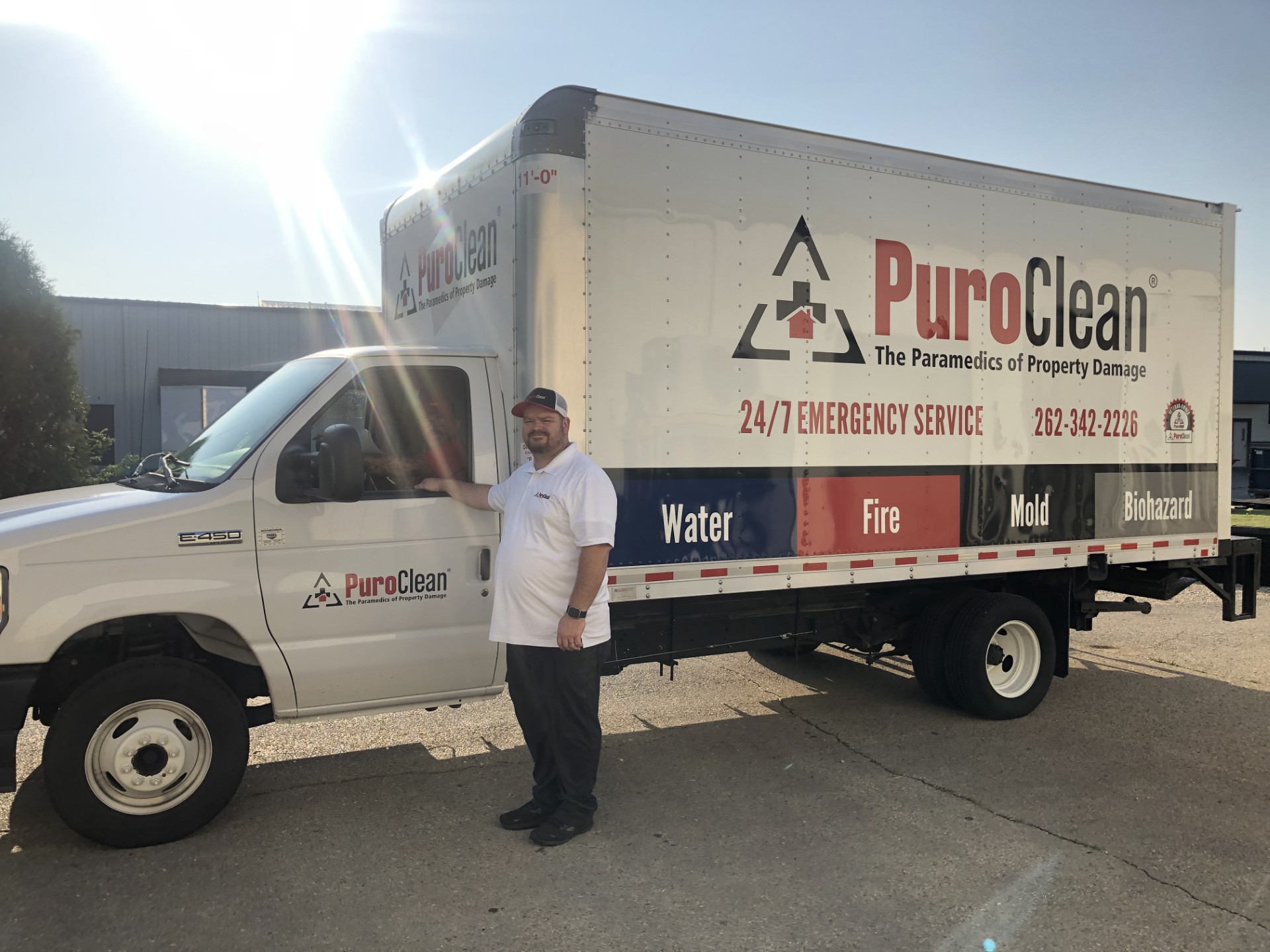
When basement flooding strikes, professional specialists provide a complete emergency response.
PuroClean of Burlington’s basement flood cleanup services:
✓ 24/7 Emergency Response within 1-2 hours
✓ Complete Water Extraction using industrial equipment
✓ Professional Structural Drying, preventing mold growth
✓ Moisture Assessment determining affected areas
✓ Content Salvage: protecting recoverable items
✓ Mold Prevention through rapid drying
✓ Documentation supporting insurance claims
✓ Complete Restoration: returning basements to a safe condition
Related Services:
Water Damage Restoration
Mold Removal Services
Water Leak Detection
Basement Flooding Emergency Requiring Immediate Cleanup?
Get Professional Help Now
☎️ CALL: (262) 342-2226
24-Hour Emergency Response | Complete Water Removal | Professional Restoration
Serving All Wisconsin & Illinois Areas
Summary: First 24 Hours Basement Flood Cleanup
Those critical first 24 hours determine whether basement flood cleanup prevents catastrophic damage or allows problems to compound. Evaluate safety, prevent electrical hazards, shut off water and electrical systems, document damage supporting insurance claims, contact professional specialists immediately, rescue irreplaceable items, and implement temporary containment limiting spread.
Professional basement flood cleanup response within 24-48 hours prevents mold growth, while rapid water removal minimizes structural damage. Delay in enabling problems advancing to catastrophic stages requiring expensive restoration.
When basement flooding threatens your Wisconsin or Illinois property, immediately call PuroClean of Burlington at (262) 342-2226 for a 24-hour emergency basement flood cleanup response protecting health and property throughout all service areas.
PuroClean of Burlington 📞 Call Now: (262) 342-2226 🕒 Available 24/7—because disasters don’t wait.
🔗 Quick Links: Instagram | Google Reviews & Directions | Facebook | Pinterest