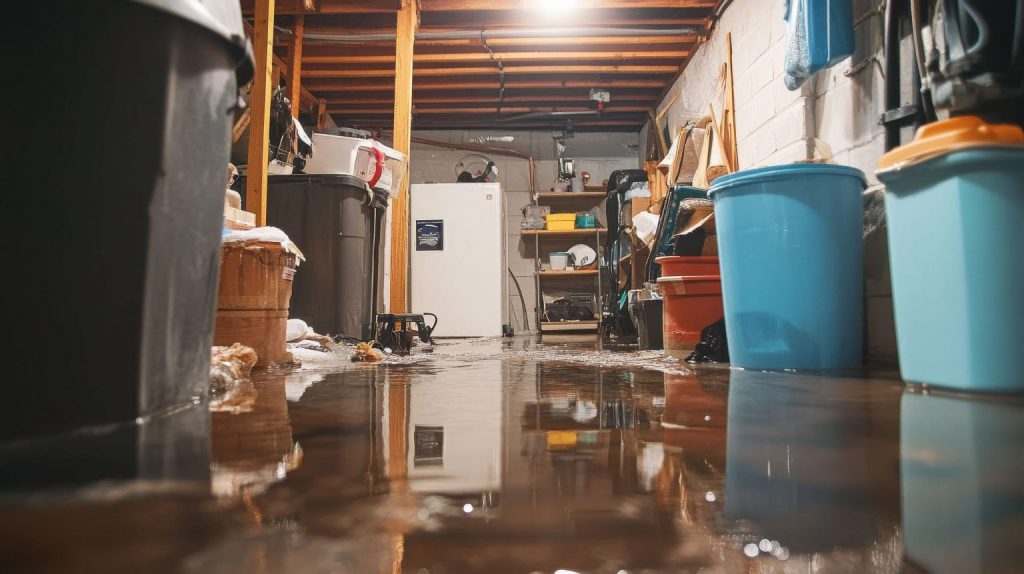
In a basement flood, the first hour decides how much damage you end up with. Six crucial steps come first: put safety before everything else by avoiding standing water near electricity, stop the water source if you can do so safely, keep family members and pets out of the water, photograph the damage before anything moves, relocate valuables from dry vantage points only, and call a professional for basement water damage emergency removal. Quick professional extraction and drying matter because mold can begin colonizing within 24 to 48 hours, and household tools rarely dry a basement completely. The right first steps protect your safety, your property, and your insurance claim.
Basement Water Damage Emergency Removal: The First Hour Matters Most
You hear it before you see it.
A trickle, a gurgle, or maybe nothing at all until you walk downstairs and your foot meets water. Your heart sinks. Boxes are soaked, the carpet squishes, and your mind races through a dozen decisions at once.
Take a breath. In a basement flood, what you do in the first hour shapes everything that follows. Basement water damage emergency removal works best when you follow the right steps in the right order, starting with safety and ending with professional extraction and drying.
For immediate basement water damage emergency removal throughout Wisconsin and Illinois, call PuroClean of Burlington at (262) 342-2226. We respond 24/7.
I have walked into many flooded basements, and the pattern is consistent. Homeowners who stay calm for the first few minutes and call for help quickly almost always end up with less damage. This guide walks through the six steps that matter most.
Step 1: Put Safety Before Everything Else
Why does safety come first in basement water damage emergency removal?
Answer: Water and electricity create a serious shock hazard. If water is near outlets, appliances, or your electrical panel, stay out of the basement and shut off power only if the breaker is reachable from a dry spot. Safety always outranks saving belongings.
No item in your basement is worth an injury.
Electrical hazards:
Never wade through standing water if outlets, cords, a furnace, a water heater, or a panel are nearby. If you cannot reach the breaker without stepping in water, wait for professionals or call your utility.
Structural and air concerns:
Deep flooding can weaken stairs and flooring. If water came from a sewage backup, treat it as contaminated and keep everyone out. Our guide on biohazard cleanup after sewage backup explains why that situation needs special handling.
When in doubt, stay out:
Calling for help from upstairs costs nothing. Entering a hazardous basement can cost far more.
Step 2: Stop the Water Source If You Safely Can
How do I stop the water during basement water damage emergency removal?
Answer: Shut off the main water valve if a pipe or fixture is the source. If the cause is groundwater, a failed sump pump, or heavy rain, you cannot stop it directly, so focus on safety and call professionals right away.
Removing water is pointless while more keeps arriving.
Plumbing sources:
Burst pipes, failed water heaters, and washing machine lines are stopped at the main shutoff or the individual valve. Know where yours is before an emergency.
Sump pump and groundwater:
If your sump pump has stopped, do not reach into a flooded pit with the power on. Groundwater and storm intrusion often cannot be stopped from inside, which is why fast extraction matters.
Gutters and grading:
Repeated flooding after storms often traces back to drainage. Our article on clogged gutters leading to basement flood covers that connection.
Step 3: Keep People and Pets Out of the Water
Why keep family out of a flooded basement?
Answer: Floodwater can carry bacteria and chemicals, and it hides tripping and electrical hazards. Children and pets are especially vulnerable, so keep them upstairs until professionals confirm the space is safe.
Floodwater is rarely as clean as it looks.
Hidden contamination:
Basement water can pick up soil, household chemicals, and bacteria from floor drains and stored items. Skin contact and splashing are real exposure routes.
Protecting vulnerable family members:
Close the basement door, block stair access, and keep pets away. Wash hands thoroughly if anyone touches the water.
Step 4: Document the Damage Before Anything Moves
What should I photograph during basement water damage emergency removal?
Answer: Take wide photos of each affected area, close-ups of water lines and damaged items, and a short walkthrough video. Note the time you discovered the problem and the likely cause. This record supports your insurance claim.
Photos taken now save arguments later.
What to capture:
Water depth on walls, soaked flooring, damaged furniture, stored boxes, appliances, and the suspected source. Shoot from the stairs or doorway if conditions are unsafe.
Notes that help:
Write down when you found the water, when it last rained, and what you did before help arrived. Professional crews will add moisture readings and detailed reports to your documentation.
Step 5: Move Only What You Can Safely Reach
Which belongings should I save first?
Answer: Prioritize irreplaceable items like photos and documents, but only retrieve what you can grab from dry footing without entering standing water. Leave heavy furniture and anything near electrical hazards for the professional team.
Irreplaceable comes before expensive.
What to grab:
Photo albums, important papers, small electronics from upper shelves, and anything light and dry-adjacent.
What to leave:
Waterlogged boxes, heavy furniture, and anything touching contaminated water. Professionals can often salvage contents through specialized drying when they arrive quickly.
Avoid common mistakes:
Skip household fans and regular vacuums on standing water. Fans can push moisture into walls, and standard vacuums create a shock risk.
Step 6: Call Professionals for Extraction and Structural Drying
Why call for basement water damage emergency removal instead of drying it myself?
Answer: Professionals use commercial pumps, industrial dehumidifiers, air movers, and moisture meters to extract water and verify complete drying. Household tools often leave moisture trapped in walls and flooring, which supports mold growth within 24 to 48 hours.
Dry-looking is not the same as dry.
What the professional process includes:
- Rapid water extraction
- Moisture mapping with meters and thermal imaging
- Commercial dehumidification and air movement
- Antimicrobial treatment where needed
- Drying verification before equipment is removed
According to the EPA, mold can start growing within 24 to 48 hours of water exposure, which is why speed matters.
Why verification matters:
Surfaces feel dry long before framing and drywall are. Meter readings, not touch, confirm the job is done. Our guide on basement water removal in Burlington walks through the full drying sequence.
What to Watch For in the Days After
Even after basement water damage emergency removal is complete, stay alert. Musty odors, new staining, or soft spots can signal moisture that was missed. Our guide on hidden water damage signs lists what to look for.
Frequently Asked Questions About Basement Water Damage Emergency Removal
How fast should basement water damage emergency removal begin?
Within hours. Prompt extraction limits how deeply water soaks into materials and reduces mold risk.
Can I use a wet vac for basement water damage emergency removal?
For a tiny spill, maybe. For real flooding, wet vacs are too slow and do not dry structural materials.
How long does drying take?
Extraction takes hours. Full structural drying commonly takes several days, confirmed with moisture readings.
Will insurance cover basement flooding?
It depends on the policy and the cause. Sudden plumbing failures are more often covered than groundwater or sump pump issues. Check your policy.
What if the water might be sewage?
Stay out and call professionals immediately. Contaminated water requires protective equipment and disinfection.
Should I leave my home?
Usually not for clean water, but leave if there is electrical danger, structural concern, or contamination.
Professional Basement Water Damage Emergency Removal
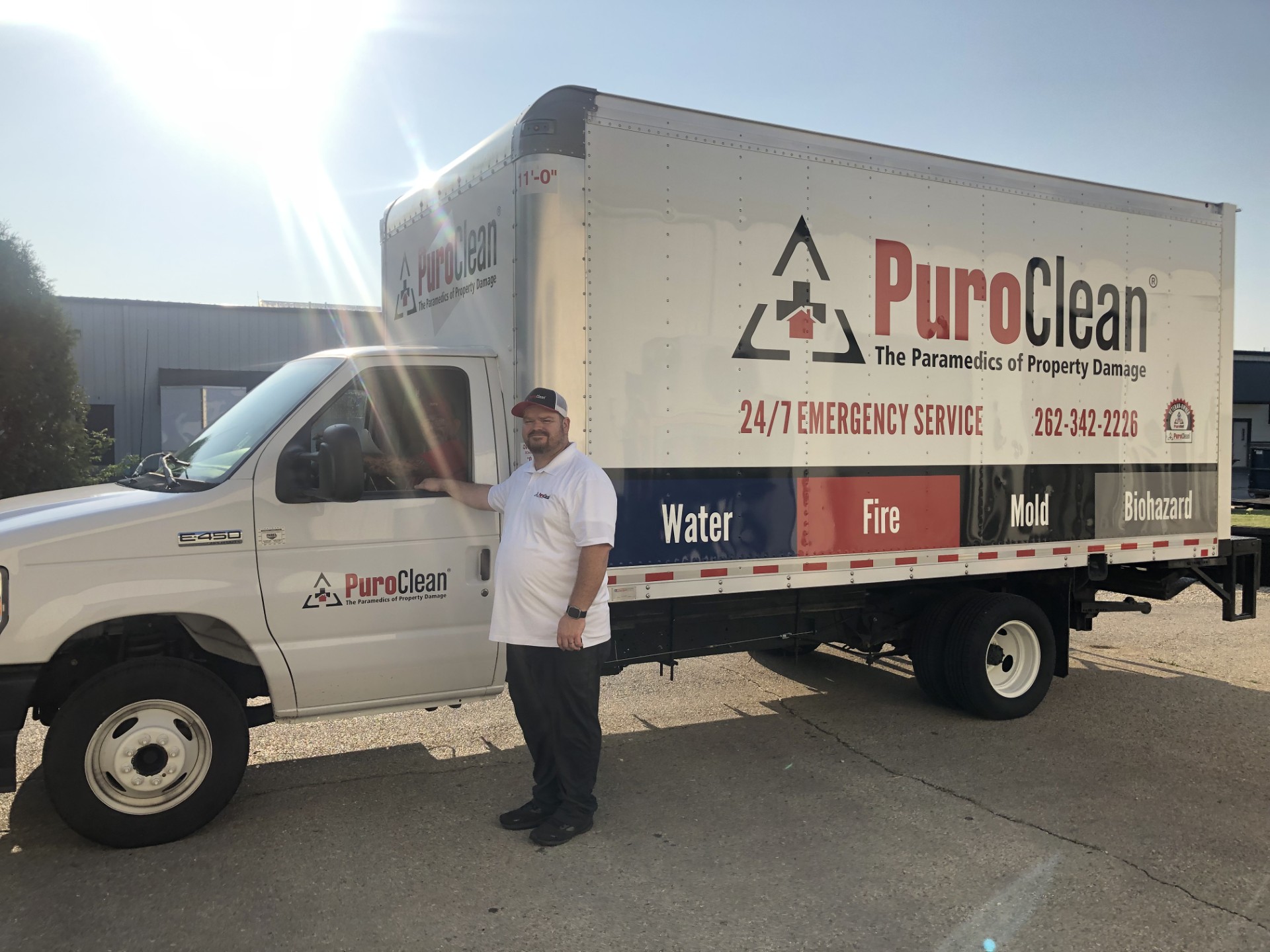
PuroClean of Burlington provides:
✓ 24/7 Emergency Response
✓ Commercial Water Extraction
✓ Structural Drying and Dehumidification
✓ Moisture Meter and Thermal Imaging Verification
✓ Antimicrobial Mold Prevention
✓ Contents Salvage
✓ Insurance Documentation and Coordination
✓ IICRC Certified Technicians
We serve all Wisconsin and Illinois communities, including: Kenosha, Racine, Walworth, Milwaukee, Waukesha, Ozaukee, Washington, Rock, Dane, and Jefferson Counties, plus Lake, McHenry, Boone, and Winnebago Counties in Illinois.
Related Services:
- Water Damage Restoration Services
- Mold Removal Services
- Water Leak Detection
Basement Flooded Right Now?
Get Basement Water Damage Emergency Removal Immediately
☎️ CALL: (262) 342-2226
24/7 Response | IICRC Certified | Insurance Coordination
Serving All Wisconsin & Illinois Communities
Summary: Basement Water Damage Emergency Removal Starts With the First Hour
In a basement flood, safety comes first, then stopping the source, keeping people and pets out, documenting damage, saving only what is safe to reach, and calling professionals fast. Quick basement water damage emergency removal prevents mold, protects your structure, and supports your insurance claim.
Call PuroClean of Burlington at (262) 342-2226 for basement water damage emergency removal any hour of the day or night.
PuroClean of Burlington 📞 Call Now: (262) 342-2226 🕒 Available 24/7 — Because disasters don’t wait.
🔗 Quick Links: Instagram | Google Reviews & Directions | Facebook | Pinterest