


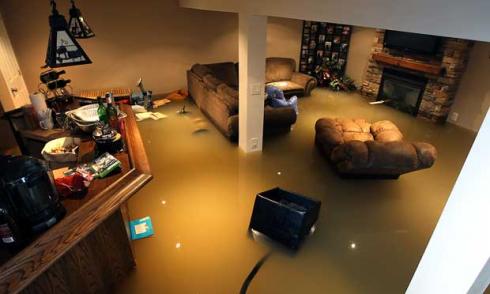
Basement water removal in Burlington requires a specific sequence to genuinely protect your home rather than just address visible water. Seven critical steps matter: first, ensure electrical and structural safety before entering the space. Second, identify and stop the water source if possible. Third, remove standing water through proper extraction equipment. Fourth, begin structural drying using commercial dehumidifiers and air movers rather than household fans alone. Fifth, verify moisture levels with meters rather than guessing when materials feel dry. Sixth, apply antimicrobial treatment to prevent mold establishment within the critical 24-48 hour window. Seventh, document everything for insurance purposes throughout the process. Skipping or rushing any of these steps during basement water removal in Burlington often leads to hidden moisture, mold growth, or insurance claim complications down the road.
Basement Water Removal in Burlington: Why Order and Thoroughness Matter
Water is pooling across your basement floor, and your first instinct is to grab a wet vac and start sucking it up as fast as possible.
That instinct isn’t wrong, but it’s incomplete. Basement water removal in Burlington genuinely effective enough to prevent mold, structural damage, and recurring problems involves more than just removing visible water. It requires a specific sequence of steps, each one setting up the next for success.
I’ve seen homeowners remove every visible drop of water from their basement, feel satisfied with a job well done, and then discover mold growing behind baseboards three weeks later. The water was gone, but the moisture wasn’t, and that distinction matters enormously.
For professional basement water removal in Burlington that addresses the complete problem, call PuroClean of Burlington at (262) 342-2226 for rapid response and thorough restoration.
This guide walks through the seven steps that genuinely protect your Burlington home, not just the visible surface of the problem.
Step 1: Assess Safety Before Entering the Basement
Why does safety assessment come first in basement water removal in Burlington?
Answer: Standing water near electrical outlets, panels, or appliances creates serious shock hazards, while structural concerns from significant flooding can affect stability. Basement water removal in Burlington should always begin with a safety check, turning off electricity to affected areas when it can be done without entering standing water, before any cleanup begins.
Rushing in before checking safety creates risk that outweighs any time saved.
Electrical hazard assessment:
If water has risen near outlets, your electrical panel, or any plugged-in appliances, avoid entering that area entirely. Shutting off power at the breaker, if accessible from a dry location, adds an important layer of protection.
Checking for structural concerns:
Significant flooding can occasionally affect foundation stability or create concerns with stairs and flooring. If anything feels unstable or looks visibly compromised, wait for professional assessment rather than proceeding.
Ventilation considerations:
Basements with standing water, particularly if any sewage involvement is suspected, may have air quality concerns warranting caution before extended time spent in the space.
When to skip straight to calling professionals:
If you’re uncertain about any safety aspect, or if the water appears contaminated rather than clean, this is exactly the situation where waiting for professional basement water removal in Burlington makes more sense than attempting any DIY assessment yourself.
Taking a few minutes to confirm safety protects you before anything else happens.
Step 2: Identify and Stop the Water Source
How does source identification fit into basement water removal in Burlington?
Answer: Removing water without stopping its source means you’re fighting a losing battle, since more water will simply continue accumulating. Basement water removal in Burlington should include identifying whether the source is a burst pipe, sump pump failure, foundation crack, or surface water intrusion, then addressing that source before or alongside extraction efforts.
You can’t successfully remove water that keeps coming back.
Common Burlington basement water sources:
Sump pump failures, foundation cracks allowing groundwater intrusion, window well drainage problems, and burst or leaking pipes represent frequent causes of basement flooding throughout our service area.
Sump pump troubleshooting:
If your basement has a sump pump, check whether it’s actually running and discharging water properly. A failed pump during a storm event is one of the most common and most fixable sources behind basement flooding.
Surface water versus plumbing sources:
Water entering along basement walls or through floor cracks typically indicates groundwater or surface drainage issues, while water pooling near specific fixtures often points toward a plumbing source requiring different intervention.
When source identification requires professionals:
Sometimes the water source isn’t obvious, particularly with slow foundation seepage or hidden pipe leaks. Professional basement water removal in Burlington includes proper source investigation as part of the overall assessment.
Addressing the source, even partially, before or during extraction prevents you from essentially bailing water into a boat with a hole still in it.
Step 3: Remove Standing Water Through Proper Extraction
What equipment does effective basement water removal in Burlington actually require?
Answer: Commercial-grade extraction pumps and vacuums remove standing water significantly faster and more thoroughly than household wet vacs, which matters because every additional hour of saturation increases how deeply materials absorb moisture. Professional basement water removal in Burlington uses equipment capable of handling substantial water volume efficiently.
Speed and thoroughness during extraction set up everything that follows.
Why extraction speed matters:
The longer water sits, the deeper it penetrates into concrete, drywall, and any stored belongings, meaning faster extraction directly reduces how much secondary drying and restoration work becomes necessary afterward.
Household equipment limitations:
Standard wet vacs designed for occasional household use typically cannot match the volume capacity or continuous run time that significant basement flooding requires, often becoming a bottleneck rather than a solution.
Addressing water in all affected areas:
Thorough basement water removal in Burlington includes checking behind and under furniture, inside wall cavities if accessible, and within any storage areas where water may have pooled out of immediate sight.
What happens to extracted water:
Proper disposal of extracted water matters, particularly if contamination is suspected, following appropriate guidelines rather than simply directing it toward storm drains without consideration.
Getting standing water out quickly and completely creates the foundation for successful drying in the steps that follow.
Step 4: Begin Structural Drying With Commercial Equipment
Why can’t household fans handle the drying phase of basement water removal in Burlington?
Answer: Household fans move air but don’t actually remove moisture from it, meaning they can push humid air around a space without accomplishing genuine drying. Professional basement water removal in Burlington uses commercial dehumidifiers capable of removing 200-300 gallons of moisture daily, combined with air movers creating proper airflow patterns across wet surfaces.
This is the step where visible progress can be deceiving.
Understanding what dehumidifiers actually do:
Commercial dehumidifiers pull moisture from the air itself, lowering overall humidity in ways that genuinely draw moisture out of saturated materials like drywall, concrete, and framing lumber.
Why air movement alone falls short:
Fans circulating already-humid basement air don’t accomplish much, since there’s nowhere for that moisture to actually go without proper dehumidification working alongside air movement.
Typical drying timeline:
Complete structural drying for a significantly flooded basement typically requires three to five days of continuous equipment operation, not the few hours many homeowners initially expect based on how quickly visible water disappeared.
Monitoring throughout the drying process:
Professional basement water removal in Burlington includes checking equipment placement and effectiveness throughout the drying period, adjusting as needed rather than simply running equipment and hoping for the best.
This phase takes longer than most homeowners expect, but rushing it is exactly what leads to hidden moisture problems later.
Step 5: Verify Moisture Levels With Proper Testing
How do I know when basement water removal in Burlington has actually achieved complete drying?
Answer: Materials can feel dry to the touch while still retaining moisture levels well above safe thresholds, which is why professional basement water removal in Burlington relies on moisture meters providing objective readings rather than subjective assessment. Materials should reach specific target moisture percentages before drying equipment is removed.
Touch alone genuinely cannot tell you what you need to know.
Why “feels dry” isn’t a reliable standard:
Surface moisture evaporates relatively quickly, giving materials a dry feel even while deeper moisture remains trapped within drywall, framing, or concrete that continues supporting potential mold growth.
What moisture meters actually measure:
These devices provide numerical readings indicating actual moisture content within materials, allowing comparison against established safe thresholds rather than relying on guesswork.
Checking multiple materials and locations:
Thorough verification during basement water removal in Burlington includes testing drywall, flooring, and framing at multiple points throughout the affected area, since moisture levels can vary significantly even within the same room.
Why premature equipment removal causes problems:
Removing dehumidifiers and air movers based on visual or touch assessment alone, before moisture meters confirm genuine dryness, frequently results in residual moisture that supports mold growth in the following weeks.
This verification step is what separates genuinely complete basement water removal in Burlington from restoration that only appears finished.
Step 6: Apply Antimicrobial Treatment Within the Critical Window
Why does mold prevention treatment matter even after successful water removal?
Answer: Mold spores exist virtually everywhere and begin colonizing wet materials within 24 to 48 hours of water exposure. Even thorough basement water removal in Burlington benefits from antimicrobial treatment applied to affected surfaces, providing an additional layer of protection during the drying process when conditions still technically support mold establishment.
Prevention during this window costs far less than remediation afterward.
Understanding the colonization timeline:
According to the EPA, mold growth can begin within 24 to 48 hours when moisture and organic material combine, making the early hours after flooding particularly important for prevention efforts.
What antimicrobial treatment accomplishes:
EPA-registered antimicrobial products applied to affected surfaces help prevent mold spores from establishing colonies while materials are still in the drying process, adding protection beyond extraction and dehumidification alone.
Areas deserving particular attention:
Framing lumber, the back side of drywall where accessible, and any areas where water sat longest before extraction all represent locations where antimicrobial treatment provides meaningful additional protection.
This step complements, not replaces, proper drying:
Antimicrobial treatment works alongside thorough structural drying, not as a substitute for it. Basement water removal in Burlington that skips proper drying and instead relies only on treatment doesn’t address the underlying moisture problem.
This relatively quick step provides valuable insurance against the most common secondary problem following basement flooding.
Step 7: Document Everything for Insurance Purposes
What documentation does basement water removal in Burlington require for insurance claims?
Answer: Photographs and videos of the original damage, moisture meter readings throughout the drying process, and detailed records of all restoration steps provide the documentation insurance companies typically require to approve a claim. Professional basement water removal in Burlington creates this documentation automatically as part of the restoration process.
Good documentation protects your claim from unnecessary disputes.
Initial damage photography:
Capturing the extent of flooding, affected belongings, and visible damage before any cleanup begins establishes a clear baseline for your insurance claim.
Ongoing moisture readings as evidence:
Documented moisture meter readings throughout the drying process demonstrate that proper procedures were followed and provide objective evidence that drying was verified rather than assumed.
Itemizing affected belongings:
Creating a list of damaged items, ideally with photographs, supports any contents claim portion of your overall insurance submission.
Professional documentation advantages:
Established companies handling basement water removal in Burlington typically provide detailed reports as a standard part of service, offering more thorough documentation than most homeowners would create independently.
Thorough documentation throughout the process, not just at the beginning, genuinely smooths your path through the insurance claims process.
What Happens If You Skip Steps
Homeowners sometimes stop after step three, feeling satisfied once visible water disappears. Unfortunately, this is exactly where hidden problems develop. If you’re seeing signs that previous basement water removal wasn’t thorough enough, our guide on hidden water damage signs every Burlington homeowner should recognize covers the warning signs worth watching for after any flooding event.
If your basement flooding resulted from clogged gutters or drainage issues, addressing that underlying cause prevents recurrence. Our article on clogged gutters leading to basement flood prevention covers this specific connection in detail.
Frequently Asked Questions About Basement Water Removal in Burlington
How quickly should basement water removal in Burlington begin after flooding?
As soon as possible, ideally within hours of discovery. Since mold can begin establishing within 24-48 hours, prompt professional response genuinely reduces both total damage and remediation complexity.
Can I handle basement water removal in Burlington myself for minor flooding?
Very minor situations, like a small amount of water from a brief issue, might be manageable with prompt DIY response. However, any significant standing water or flooding lasting more than a few hours benefits from professional equipment and moisture verification.
How long does complete basement water removal in Burlington typically take?
Initial extraction happens relatively quickly, often within hours. Complete structural drying with verification typically requires three to five days of continuous dehumidification and monitoring before the process is genuinely complete.
Does homeowners insurance cover basement water removal in Burlington?
Coverage depends heavily on your specific policy and the water source. Sudden events like burst pipes are more commonly covered than gradual seepage or sump pump failures, though specific policy language varies considerably.
Will professional basement water removal in Burlington prevent future flooding?
Professional restoration addresses the current water damage thoroughly, but preventing future flooding often requires addressing underlying causes like sump pump reliability, foundation cracks, or drainage grading, which may involve separate preventive measures.
What’s the risk if I only remove visible water without proper drying verification?
Residual moisture trapped within materials despite a dry surface appearance commonly leads to mold growth within weeks, often in hidden locations like behind baseboards or within wall cavities where it goes unnoticed until problems become significant.
Professional Basement Water Removal Services
PuroClean of Burlington provides complete, properly sequenced restoration:
✓ 24/7 Emergency Response throughout Burlington
✓ Commercial-Grade Extraction Equipment for rapid water removal
✓ Professional Structural Drying with industrial dehumidifiers
✓ Moisture Meter Verification confirming genuine dryness
✓ Antimicrobial Treatment preventing mold establishment
✓ Complete Insurance Documentation supporting your claim
✓ IICRC Certified Technicians following proper procedures
Related Articles:
- Hidden Water Damage Signs Every Burlington Homeowner Should Recognize
- Clogged Gutters Leading to Basement Flood Prevention Guide
- Basement Water Damage Repair Near Me: Choosing the Right Company
Related Services:
Basement Flooding in Your Burlington Home?
Get Complete Professional Water Removal
☎️ CALL: (262) 342-2226
24/7 Response | Proper Drying Verification | Mold Prevention
Serving Burlington & All Surrounding Communities
Summary: Doing Basement Water Removal in Burlington the Right Way
Genuinely effective basement water removal in Burlington requires more than simply extracting visible water. Seven critical steps matter in sequence: safety assessment, identifying and stopping the water source, thorough extraction, proper structural drying with commercial equipment, moisture verification through meter testing, antimicrobial treatment within the critical window, and complete documentation throughout the process.
Skipping or rushing any of these steps, particularly the drying verification phase, often leads to hidden moisture retention that supports mold growth weeks after the basement appears visually dry. Each step builds on the previous one, creating restoration that actually protects your home rather than just addressing the most visible symptom of the problem.
If your Burlington basement has flooded, don’t stop at removing the water you can see. Contact PuroClean of Burlington at (262) 342-2226 for complete, properly verified basement water removal throughout Burlington and all surrounding service areas.