


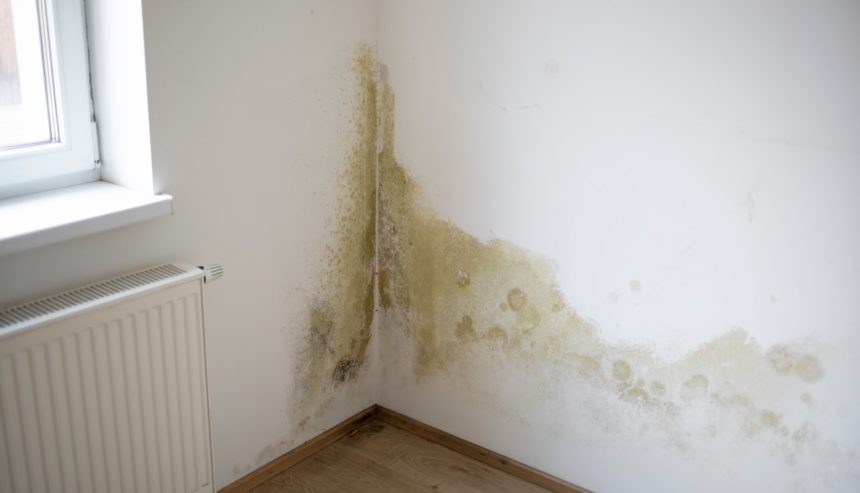
Using bleach on mold poses serious health risks and fails to eliminate contamination. Bleach on mold produces toxic fumes, particularly when mixed with other chemicals; kills only surface growth while missing mycelial roots, enabling regrowth; adds water, which actually promotes mold spread and releases spores that contaminate additional areas; and damages structural materials, accelerating deterioration. Professional remediation addressing complete contamination through proper material removal and structural decontamination proves far superior to household bleach attempts destined for failure. Understanding why bleach on mold backfires helps homeowners avoid expensive mistakes while protecting family health.
Bleach on Mold Health Dangers: The Risky Mistake Homeowners Keep Making
You notice mold growing in your bathroom.
Your first instinct? Grab the bleach. It seems logical. Bleach kills germs, right? So it must kill mold. You spray it on the affected area, watching the visible growth disappear.
You feel satisfied thinking the problem is solved. But here’s the uncomfortable reality: bleach just created more problems than solutions.
The truth about bleach and mold health dangers isn’t widely discussed in household cleaning circles, but professionals dealing with mold consequences see these mistakes repeatedly. What homeowners believe helps actually creates serious complications. Understanding what actually happens when bleach contacts mold helps explain why this common approach fails so dramatically.
For professional mold removal avoiding household mistakes, call PuroClean of Burlington at (262) 342-2226 for expert assessment and proper remediation.
I’ve investigated numerous properties where bleach-on-mold attempts created cascading problems. Frustrated homeowners repeatedly applied bleach, watching mold return within weeks. Some experienced health consequences from fume exposure. Others discovered structural damage from moisture introduced during bleach treatment. The pattern repeats consistently: bleach on mold seems helpful but backfires spectacularly.
This guide explains why bleach on mold creates dangers and fails to address actual problems.
Toxic Fume Production: The Immediate Health Danger
What toxic fumes result from bleach application to mold?
Answer: Bleach produces chlorine gas and other harmful compounds, creating respiratory damage, allergic reactions, and serious health consequences. Mixing bleach with ammonia creates even more dangerous chlorine gas exposure. Even non-mixed bleach fumes create health hazards during application with inadequate ventilation.
Bleach on mold creates immediate chemical hazards.
Chlorine gas production:
Bleach (sodium hypochlorite) releases chlorine gas when applied to surfaces. Chlorine gas damages respiratory tissue, creating coughing, wheezing, and breathing difficulty. Exposure to high concentrations causes serious lung damage.
According to the EPA, mixing bleach with other household chemicals, including ammonia, creates toxic chlorine gas exposure, creating life-threatening respiratory consequences.
Ammonia combination danger:
Bathroom cleaners, urine residue, and many household products contain ammonia. Mixing bleach with ammonia creates chlorine gas at dangerous concentrations, potentially causing severe respiratory damage or death.
Inadequate ventilation consequences:
Even with windows open, indoor bleach mold application creates dangerous fume concentrations. Adequate ventilation requires proper air exchange rates most homes cannot achieve through household methods.
Vulnerable population risks:
Children, elderly occupants, and individuals with respiratory conditions face particularly severe risks from bleach-on-mold fume exposure. Asthma, allergies, and lung conditions worsen dramatically with chemical exposure.
Cumulative exposure effects:
Repeated bleach applications on mold create cumulative chemical exposure. Over time, repeated exposure damages respiratory systems progressively.
Bleach on mold creates immediate serious health dangers.
Why Bleach on Mold Fails: Root System Survival
Why does bleach only kill surface mold?
Answer: Bleach kills visible surface growth but cannot penetrate porous materials, reaching mycelium root systems embedded deep within materials. Surviving root networks regenerate mold colonies within days, creating a false sense of success followed by rapid regrowth. This fundamental limitation makes bleach-on-mold approaches destined for failure.
Surface treatment misses actual contamination.
Mycelium network structure:
Mold organisms consist of visible colonies plus extensive underground root systems called mycelium. These networks penetrate deeply into porous materials, including drywall, insulation, and wood. Bleach on mold kills visible growth, but mycelium survives untouched.
Porous material penetration:
Drywall, carpet, insulation, and wood absorb bleach materials. The roots extending inches or feet below surfaces remain protected from surface treatment. Protected mycelium networks continue feeding underground while appearing dead on surfaces.
Rapid regrowth cycles:
Surviving mycelium regenerates visible growth in days or weeks. Homeowners applying bleach on mold repeatedly discover regrowth, forcing repeated applications. The cycle continues indefinitely without addressing actual roots.
Worsening problem:
Each bleach application introduces moisture, promoting underground mycelium expansion. Repeated treatment actually worsens problems through moisture introduction.
Professional assessment:
Professional remediation removes contaminated materials, eliminating mycelium networks and preventing regrowth. Complete material removal addresses roots household bleach approaches cannot reach.
Bleach on mold fails to address contamination fundamentally.
Water Content Enabling Mold Spread: The Moisture Problem
How does bleach solution promote mold growth?
Answer: Bleach solutions contain 90-95% water. Applying bleach on mold introduces significant moisture into affected materials, promoting mycelium expansion and enabling spread through adjacent areas. The moisture from bleach on mold applications creates ideal growing conditions, actually accelerating contamination.
Bleach on mold introduces the problem it attempts to solve.
Water absorption in porous materials:
Drywall, insulation, and wood absorb bleach solution water. This moisture saturation creates ideal conditions for mold expansion. Underground mycelium thrives in moisture-saturated materials.
Moisture migration through structures:
Water from bleach on mold applications travels through materials, reaching previously uncontaminated areas. This moisture migration spreads contamination, expanding affected regions.
Humidity level elevation:
Interior humidity increases from bleach on mold water application. Elevated humidity throughout homes supports additional mold growth in other areas.
Condensation creation:
Water from bleach applied to mold creates condensation on surfaces. This condensation provides moisture for new contamination establishment in previously unaffected areas.
Structural saturation consequences:
Moisture saturation enables wood rot development. Structural integrity weakens as wood absorbs water and deteriorates. Professional inspection often reveals structural damage from prior bleach-on-mold attempts.
Secondary damage progression:
Initial bleach-on-mold moisture introduction creates damage, enabling extensive secondary contamination. What started as a localized problem becomes widespread through moisture introduction.
Bleach on mold introduces moisture, worsening contamination.
Spore Dispersal and Cross-Contamination Spread
What happens to mold spores during bleach application?
Answer: Bleach on mold agitation releases millions of spores into the air, dispersing throughout homes. These airborne spores contaminate previously unaffected areas, establishing new colonies. Spore spread from bleach on mold attempts typically expands total contamination despite intentions to eliminate it.
Bleach on mold spreads contamination throughout properties.
Spore release mechanism:
Spraying bleach on mold disrupts colonies, releasing massive quantities of microscopic spores into the air. These spores remain airborne for hours, traveling through air circulation systems.
HVAC system contamination:
Airborne spores from bleach-on-mold applications enter HVAC systems, contaminating ductwork and internal components. Spore-laden air circulates throughout homes, establishing contamination in previously unaffected areas.
Occupant inhalation exposure:
Released spores from bleach on mold treatment are inhaled by household members. Spore inhalation creates immediate health consequences, including respiratory irritation and allergic reactions.
Adjacent area colonization:
Spores traveling from bleach on mold treatment sites settle in new areas, establishing colonies in bedrooms, living spaces, and other regions. Contamination expands rather than diminishes.
Multiple-location establishment:
Bleach mold treatment often results in contamination spreading to multiple locations. What started as isolated growth becomes widespread through spore dispersal.
Professional containment protocols:
Proper remediation uses containment, preventing spore spread. Professional procedures prevent the contamination expansion that bleach-on-mold attempts create.
Bleach on mold disperses contamination throughout properties.
Structural Damage Acceleration From Moisture Introduction
How does bleach on mold damage building structures?
Answer: Bleach solution moisture saturates structural materials, enabling wood rot development, accelerating material deterioration, weakening load-bearing capacity, and creating expensive structural repairs. Moisture from bleach on mold applications often causes more structural damage than the original contamination.
Bleach on mold damages structural integrity.
Wood rot establishment:
Moisture-saturated wood from bleach on mold application enables rot organism establishment. Wood deteriorates progressively once saturation enables rot development. Structural members lose strength over time.
Load-bearing capacity compromise:
Structural weakening applications reduce load-bearing capacity, endangering occupant safety. Floors, walls, and roof structures rely on intact wood members. Deterioration creates structural hazards.
Drywall deterioration:
Water-saturated drywall loses structural integrity, softening and losing load-bearing capacity. Deteriorated drywall requires complete replacement, creating expensive restoration.
Insulation damage:
Wet insulation loses R-value effectiveness and compresses from water weight. Damaged insulation requires complete removal and replacement.
Foundation damage potential:
Moisture from bleach on mold applications can migrate toward foundations, creating moisture intrusion and foundation damage. Foundation deterioration creates serious structural problems.
Expensive restoration requirements:
Structural damage from bleach on mold moisture often requires extensive professional reconstruction. Repair costs typically exceed professional remediation costs.
Bleach on mold creates expensive structural damage.
Professional Mold Removal: Why Experts Choose Different Approaches
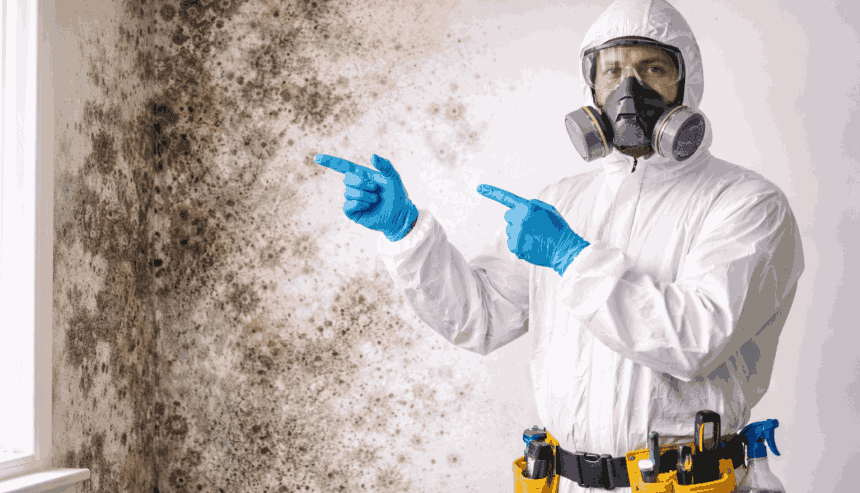
How do professionals properly eliminate mold contamination?
Answer: Professional remediation removes contaminated materials, eliminating mycelium networks; implements proper containment, preventing spore spread; applies antimicrobial treatments to remaining surfaces; addresses underlying moisture sources; and verifies complete elimination through testing. Professional methods ensure permanent solutions that bleach approaches cannot achieve.
Professional expertise ensures proper elimination.
Complete material removal:
Contaminated drywall, insulation, and other materials require complete removal rather than surface cleaning. Professional removal eliminates mycelium networks, preventing regrowth.
Proper containment procedures:
Plastic barriers and negative air pressure systems contain contamination, preventing spore spread during removal. Containment protects unaffected areas and occupants.
Structural decontamination:
Remaining surfaces receive antimicrobial treatment, eliminating pathogens. Professional treatment ensures complete pathogenic elimination.
Moisture source elimination:
Addressing underlying moisture preventing recurrence proves critical. Professional assessment identifies moisture sources enabling targeted solutions.
Professional drying:
Commercial dehumidifiers ensure complete structural drying, preventing moisture and enabling new contamination. Proper drying prevents regrowth.
Verification testing:
Air quality testing confirms mold elimination. Professional verification ensures safe conditions before occupancy restoration.
Professional remediation ensures permanent solutions.
Health Consequences Beyond Toxic Fumes
What additional health problems develop from bleach-on-mold attempts?
Answer: Beyond toxic fume exposure, bleach-on-mold failures create prolonged mold exposure health consequences, including respiratory damage, allergic sensitization, asthma activation, immune suppression, and neurological effects from continued contamination. Repeated bleach applications exposing families to failure cycles create progressive health consequences.
Bleach on mold creates multiple health consequences.
Prolonged contamination exposure:
Bleach on mold fails, leaving families exposed to ongoing contamination. Continued mold exposure creates health damage from spore inhalation and toxin production.
Respiratory system damage:
Repeated spore exposure damages lung tissue progressively. Family members experience worsening respiratory function over time.
Allergic sensitization:
Continuous exposure creates allergic sensitization. Family members develop increasing allergic responses to mold allergens over time.
Asthma activation:
Mold exposure triggers asthma in susceptible individuals; existing asthmatics experience worsening attack frequency and severity.
Immune suppression:
Extended exposure suppresses immune function. Family members experience increased infection susceptibility and difficulty fighting illness.
Neurological effects:
Mold toxins create cognitive effects, including memory problems and concentration difficulty. Family members often attribute these symptoms to aging or stress rather than environmental exposure.
Cumulative damage:
Health consequences from bleach on mold failure accumulate over time. Extended exposure creates progressive damage.
Bleach on mold creates serious health consequences.
Frequently Asked Questions About Bleach and Mold Removal
Can bleach ever effectively eliminate mold?
Bleach kills visible surface growth temporarily but cannot eliminate root systems, enabling regrowth. Bleach-on-mold approaches create a false sense of success followed by rapid regrowth within days or weeks. Professional remediation provides permanent elimination.
What should I do if I’ve already used bleach on mold?
Monitor areas for regrowth indicating incomplete elimination. If regrowth appears, contact professionals for proper assessment. If you experienced fume exposure symptoms, seek medical evaluation. Professional remediation addressing root systems prevents repeated failures.
Are there safer household alternatives to bleach for mold?
Household alternatives prove equally ineffective against root systems. Vinegar, baking soda, and hydrogen peroxide kill surface growth without addressing mycelium networks. None eliminate contamination permanently. Professional remediation proves superior to all household approaches.
How can I prevent needing mold removal?
Address moisture problems immediately through proper drainage, ventilation, and humidity control. Fix plumbing leaks promptly. Clean gutters regularly. Maintain humidity below 50%. Professional inspection following water damage prevents hidden contamination. Moisture control proves the most effective prevention.
What ventilation is adequate for bleach application?
No household ventilation proves truly adequate for safe bleach mold application. Professional decontamination procedures use commercial-grade air handling. Household window opening and fans cannot achieve adequate fume dispersal safely.
Should I contact poison control if exposed to bleach fumes?
Yes. Any bleach on mold fume exposure creating symptoms, including coughing, wheezing, chest pain, or difficulty breathing, warrants poison control contact at (800-222-1222). Medical evaluation ensures symptoms receive appropriate treatment.
Does homeowners insurance cover mold damage from bleach treatment?
Coverage varies by policy. Some policies exclude damage from improper treatment. Professional remediation creates documented procedures supporting insurance claims. Contact insurers to discuss specific situations.
How long does professional mold remediation take?
The timeline depends on the contamination extent. Minor situations require days. Extensive contamination requires weeks. Professional assessment determines realistic timelines. Complete remediation requires time that cannot be rushed.
Professional Mold Removal Services
PuroClean of Burlington provides expert remediation:
✓ Professional Assessment identifying complete contamination
✓ Complete Material Removal eliminating mycelium networks
✓ Proper Containment preventing spore spread
✓ Structural Decontamination ensuring safety
✓ Moisture Source Elimination preventing recurrence
✓ Professional Drying preventing regrowth
✓ Verification Testing confirming elimination
✓ Health Protection through proper procedures
Related Professional Services:
Professional Mold Removal Services
Water Damage Restoration
Professional Inspection Services
Emergency 24/7 Response
Tried Bleach on Mold Without Success?
Get Professional Proper Mold Removal Now
☎️ CALL: (262) 342-2226
Expert Solutions | Complete Remediation | Health Protection
Professional Mold Removal Throughout Wisconsin & Illinois
Summary: Why Professional Remediation Beats Bleach Approaches
Bleach on mold creates serious health dangers, including toxic fume production, respiratory damage, and chemical exposure consequences. Beyond health risks, bleach on mold fundamentally fails to address contamination through incomplete surface treatment, leaving mycelium root systems enabling rapid regrowth. Bleach introduction of moisture actually promotes mold expansion, spreading contamination through structures while damaging building integrity.
Spore dispersal from bleach on mold agitation spreads contamination throughout properties, establishing new colonies in previously unaffected areas. Structural damage from moisture saturation often exceeds original contamination damage, requiring expensive professional reconstruction.
Professional mold removal through complete material removal, proper containment, structural decontamination, and moisture elimination provides permanent solutions bleach approaches cannot achieve. Professional expertise ensures contamination elimination, preventing health consequences and structural damage.
When facing mold problems, avoid costly bleach mistakes. Contact professional specialists at PuroClean of Burlington (262) 342-2226 for expert assessment and proper remediation, ensuring complete elimination throughout Wisconsin and Illinois communities.
PuroClean of Burlington 📞 Call Now: (262) 342-2226 🕒 Available 24/7—because disasters don’t wait.
🔗 Quick Links: Instagram | Google Reviews & Directions | Facebook | Pinterest