


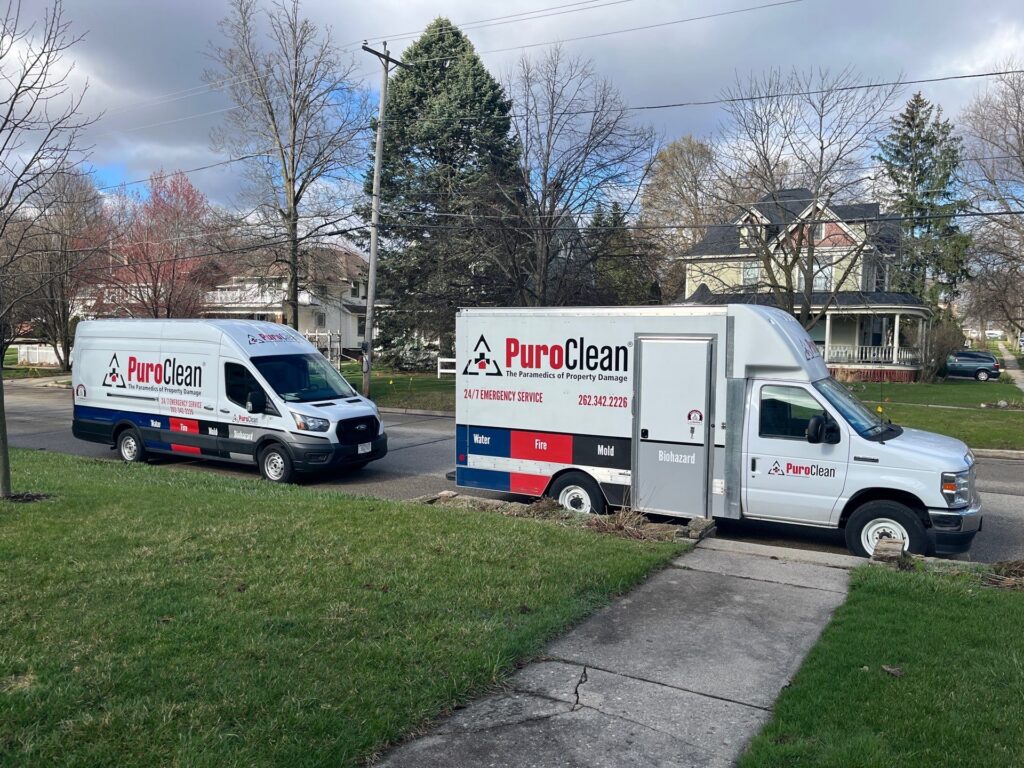
QUICK ANSWER: Why Emergency Restoration Services Matter From the First Minute
When disaster strikes your property, emergency restoration services aren’t just a convenient option; they’re a race against time with measurable consequences. Six critical factors explain why every minute matters: mold begins colonizing within 24-48 hours of water exposure, structural materials deteriorate progressively the longer they stay saturated, personal belongings become unsalvageable as time passes, damage spreads to unaffected areas without intervention, insurance policies often require documented prompt response, and health hazards intensify with continued exposure to contaminated conditions. Understanding these timelines helps property owners recognize that calling emergency restoration services immediately, rather than waiting until morning or shopping around for quotes, genuinely protects both their property and their finances.
Water is spreading across your floor right now, or maybe smoke still hangs in the air from a fire that’s finally out.
In moments like these, your mind races through countless decisions at once. Should you call your insurance company first? Start moving belongings yourself? Wait until morning when everything feels less chaotic? Here’s what matters most right now: calling emergency restoration services immediately, not after you’ve slept on it, fundamentally changes the outcome of your situation.
This isn’t dramatic exaggeration. The difference between calling within the first hour versus waiting even one day creates measurable, sometimes dramatic, differences in total damage, remediation cost, and how quickly your life returns to normal.
For immediate emergency restoration services throughout Wisconsin and Illinois, call PuroClean of Burlington at (262) 342-2226 for rapid response, day or night.
I’ve walked into countless properties where homeowners waited “just until morning” or spent a day calling around for quotes, only to discover that delay transformed a manageable situation into extensive reconstruction. Understanding why speed matters helps explain why emergency restoration services exist as a genuine emergency response, not a scheduling convenience.
This guide walks through six specific reasons every minute counts after property damage occurs.
Reason 1: Mold Begins Colonizing Within 24-48 Hours
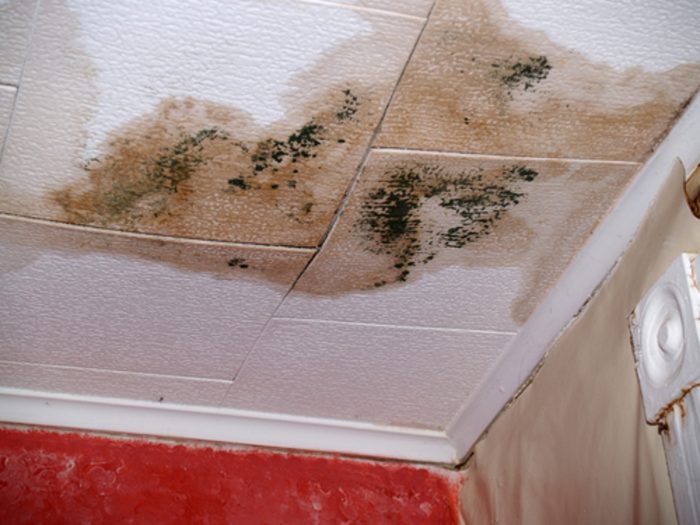
Why does the mold timeline make emergency restoration services so time-sensitive?
Answer: Mold spores, present in virtually every home, begin actively colonizing wet materials within 24-48 hours of water exposure. Emergency restoration services responding within this window can prevent mold establishment entirely, while delayed response almost guarantees additional remediation requirements beyond simple water extraction.
This timeline isn’t marketing exaggeration.
The biological reality:
According to the EPA, mold growth can begin within 24 to 48 hours when moisture and organic material combine, conditions present in nearly every water-damaged home. Emergency restoration services arriving within this window address the actual water problem before it becomes a mold problem too.
What happens once colonization begins:
Once mold establishes, remediation scope expands significantly. What could have been straightforward water extraction and drying now requires contaminated material removal, containment procedures, and air quality testing, all adding time and complexity to your restoration.
Why waiting “until tomorrow” backfires:
A seemingly reasonable decision to wait until morning, especially for water damage discovered late at night, can push your response past that critical 24-hour threshold, transforming your situation from prevention to remediation.
How emergency restoration services prevent this outcome:
Rapid extraction and industrial drying equipment deployed within hours dramatically reduces the moisture available for mold growth, often preventing colonization entirely when the response happens quickly enough.
This single factor explains why calling immediately matters more than almost any other decision you’ll make.
Reason 2: Structural Materials Deteriorate Progressively
How does delayed response affect my home’s structural integrity?
Answer: Wood framing, drywall, and flooring materials absorb increasing amounts of moisture the longer they remain wet, with structural wood potentially beginning to warp or weaken within days. Emergency restoration services extracting water and beginning drying quickly limit how deeply materials become saturated before restoration begins.
Structural damage compounds with every passing hour.
Wood absorption and swelling:
Structural lumber continues absorbing available moisture over time, leading to swelling, warping, and eventually compromised structural integrity if saturation continues long enough without intervention.
Drywall and insulation saturation:
These materials, common throughout most homes, become progressively waterlogged the longer they remain wet, often reaching a point where replacement becomes necessary rather than salvage through drying alone.
Flooring material differences:
Hardwood floors can begin cupping or warping within days of sustained moisture exposure, while some flooring materials deteriorate even faster, making the timeline for emergency restoration services particularly important for these situations.
The cascading cost effect:
Materials requiring replacement rather than simple drying significantly increase total restoration scope and expense, another reason rapid response protects your finances alongside your property.
Structural preservation depends heavily on how quickly moisture stops accumulating and extraction begins.
Reason 3: Personal Belongings Become Unsalvageable
Why does timing affect whether my belongings can be saved?
Answer: Photographs, documents, furniture, and electronics all have different windows during which specialized restoration techniques can save them. Emergency restoration services arriving quickly can often salvage items that would become total losses after even a day or two of continued exposure.
Your belongings have their own countdown clocks.
Paper and photograph vulnerability:
Documents and photographs are particularly time-sensitive, with specialized freeze-drying and restoration techniques becoming less effective the longer materials remain wet before professional intervention begins.
Furniture and upholstery windows:
Upholstered furniture can sometimes be saved through prompt extraction and specialized drying, but this salvage window narrows considerably as time passes and materials become more thoroughly saturated.
Electronics and water exposure:
While electronics affected by water damage require careful professional assessment regardless of timing, prompt response at least preserves the option for evaluation before corrosion potentially causes additional irreversible damage.
Sentimental value considerations:
Beyond financial value, irreplaceable items like family photographs or heirlooms represent losses no insurance payout can truly replace, making prompt emergency restoration services particularly meaningful for these possessions.
The items that matter most often have the shortest windows for successful restoration.
Reason 4: Secondary Damage Spreads Without Intervention
How does water damage actually spread if left unaddressed?
Answer: Standing water and rising moisture don’t stay contained to their original location. Water travels through flooring, wicks up walls, and spreads to adjacent rooms, while airborne moisture affects areas throughout your home. Emergency restoration services implement containment and extraction that stops this expansion before it multiplies your total damage.
Damage rarely stays where it started.
Horizontal water movement:
Standing water spreads across floors and under walls into adjoining rooms, meaning a problem contained to your kitchen this morning could affect your living room by evening without intervention.
Vertical wicking through materials:
Water travels upward through drywall and other porous materials via capillary action, meaning visible water damage often represents only the beginning of the actual affected area.
Humidity distribution throughout structures:
Elevated moisture doesn’t stay contained to the original damage location. HVAC systems and natural air movement can distribute humidity throughout your entire home, creating conditions supporting mold growth in areas seemingly unrelated to the original incident.
Why containment matters immediately:
Professional emergency restoration services establish containment and begin extraction specifically to interrupt this spreading pattern before it multiplies both the affected area and total restoration cost.
What starts as damage to one room can become a whole-home problem within surprisingly little time.
Reason 5: Insurance Policies Often Require Prompt Response
Does calling emergency restoration services quickly actually affect my insurance claim?
Answer: Many insurance policies include language requiring policyholders to take reasonable steps to prevent further damage, sometimes called “duty to mitigate” clauses. Documented rapid response from emergency restoration services helps demonstrate compliance with these requirements, potentially protecting your claim from disputes or reduced payouts.
Insurance timing matters more than most homeowners realize.
Understanding mitigation requirements:
Standard homeowners policies frequently include provisions requiring reasonable efforts to prevent additional damage after an initial incident. Waiting days to address water damage could technically violate these provisions.
Documentation advantages:
Professional emergency restoration services create detailed timestamped records of when they arrived and began mitigation, providing evidence supporting your claim rather than leaving timing disputes to memory or assumption.
Preventing claim complications:
Adjusters sometimes question claims where documentation suggests significant delay between damage discovery and professional response, potentially affecting how smoothly your claim processes.
Direct insurance communication:
Established emergency restoration services often have experience communicating directly with insurance adjusters, streamlining a process that can otherwise become confusing and stressful during an already difficult time.
Prompt professional response protects your claim alongside your property.
Reason 6: Health Hazards Intensify With Continued Exposure
What health risks increase the longer property damage goes unaddressed?
Answer: Standing water can harbor bacteria, contaminated water sources pose immediate infection risks, and developing mold growth creates respiratory hazards for occupants. Emergency restoration services addressing these conditions quickly protect your family from health consequences that intensify with each additional day of exposure.
Your family’s health has its own timeline concerns.
Bacterial growth in standing water:
Water sitting for extended periods, especially from certain sources, can develop bacterial contamination, posing genuine infection risks to anyone in contact with affected areas.
Contaminated water categories:
Water damage from sources like sewage backups requires particularly urgent professional response given the serious health hazards involved, something we cover in detail in our guide on sewage backup cleanup emergency steps.
Developing mold health effects:
As mold begins establishing per the earlier timeline discussion, occupants face increasing exposure to spores and potential mycotoxins, with symptoms sometimes developing gradually enough that people don’t immediately connect them to their home environment.
Vulnerable household members:
Children, elderly individuals, and anyone with existing respiratory conditions face elevated risk from prolonged exposure to water-damaged, potentially contaminated environments.
Protecting your family’s health represents perhaps the most important reason among all six for choosing rapid response.
What Genuine 24/7 Availability Actually Looks Like
When searching for emergency restoration services, understanding what “24/7” should actually mean matters significantly. Response should happen within 1-2 hours of your call, any time of day or night, not a callback promising service “first thing tomorrow.”
If you’re currently evaluating different companies, our guide on choosing the right basement water damage repair company covers additional factors worth considering, including certification requirements and equipment standards that separate genuinely capable emergency restoration services from those offering less thorough response.
Frequently Asked Questions About Emergency Restoration Services
What qualifies as an emergency requiring immediate restoration services?
Any active water intrusion, fire damage, sewage backup, or significant mold discovery warrants immediate emergency restoration services contact. When in doubt, calling for professional assessment costs nothing and provides clarity about appropriate next steps.
How quickly should emergency restoration services actually respond?
Reputable companies respond within 1-2 hours of your initial call regardless of time or day. If a company suggests waiting until regular business hours for genuine emergencies, this response time falls short of true emergency standards.
Can I wait until my insurance company approves work before calling emergency restoration services?
No. Most policies actually require prompt mitigation to prevent further damage, and delaying professional response while waiting for approval can worsen your situation and potentially complicate your claim rather than protect it.
What should I do myself before emergency restoration services arrive?
If safe to do so, shut off water sources, disconnect electricity in affected areas, and move valuable items away from water when possible. Avoid extensive cleanup attempts that could interfere with professional assessment.
Do emergency restoration services handle both water damage and fire damage?
Many established companies provide comprehensive emergency restoration services covering water damage, fire damage, mold remediation, and biohazard situations, though confirming specific capabilities before hiring ensures your particular situation receives appropriate expertise.
How much do emergency restoration services typically cost?
Costs vary significantly based on damage extent and affected materials. However, prompt professional response consistently proves less expensive than delayed intervention, since preventing mold growth and secondary damage avoids substantially larger remediation scope.
Professional Emergency Restoration and Water Damage Mitigation Services
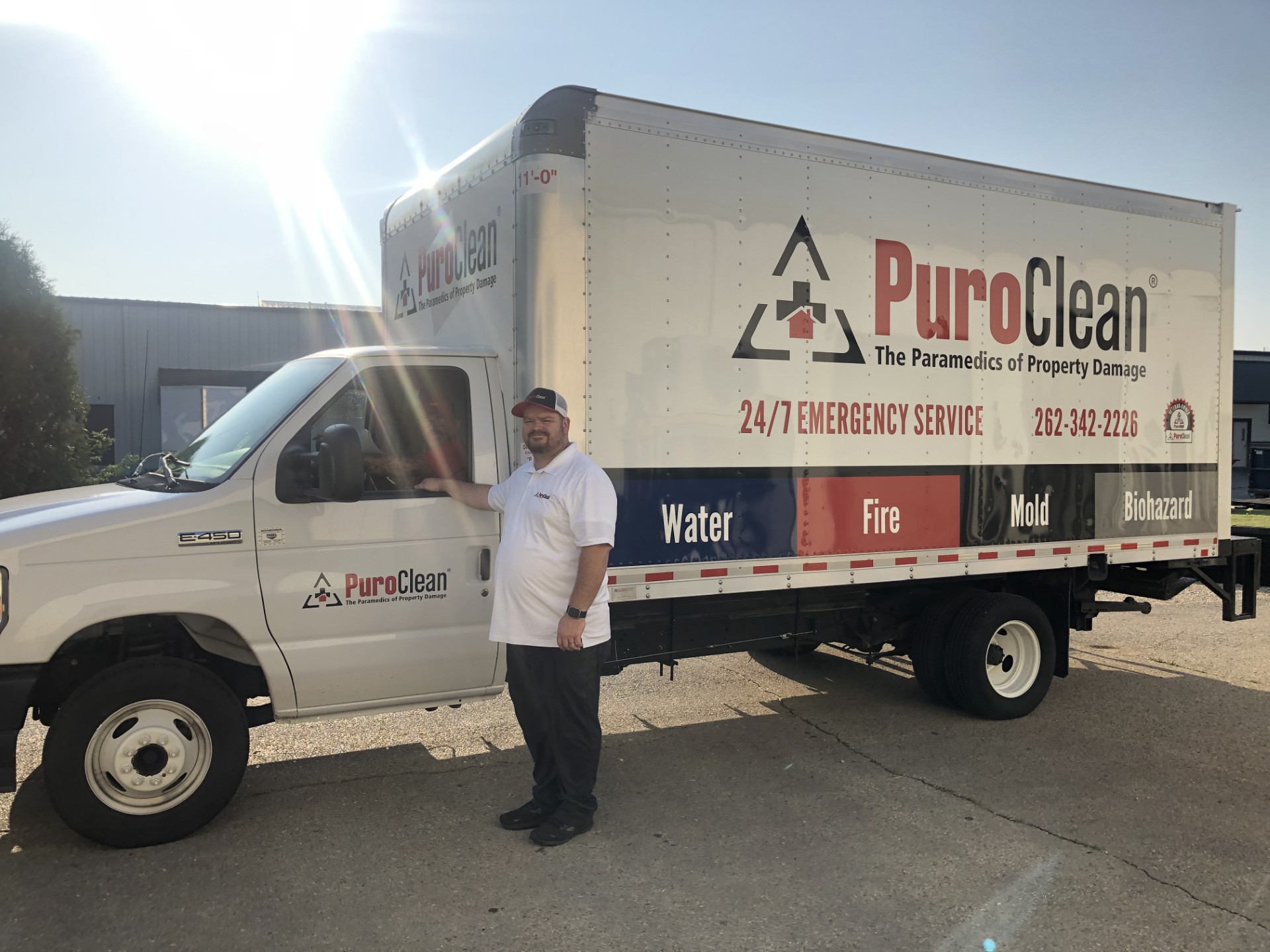
PuroClean of Burlington provides comprehensive emergency response:
✓ True 24/7 availability with 1-2 hour response times
✓ Rapid water extraction preventing mold establishment
✓ Professional structural drying protects your home’s integrity.
✓ Content Salvage Expertise: saving what matters most
✓ Secondary Damage Prevention through proper containment
✓ Insurance Claim Coordination: protecting your documentation
✓ Health Hazard Mitigation: protecting your family
✓ IICRC Certified Technicians with proven expertise
We proudly serve all Wisconsin and Illinois communities, including:
Kenosha County | Racine County | Walworth County | Milwaukee County | Waukesha County | Ozaukee County | Washington County | Rock County | Dane County | Jefferson County | Lake County, IL | McHenry County, IL | Boone County, IL | Winnebago County, IL
Related Articles:
- Hidden Water Damage Signs Every Burlington Homeowner Should Recognize
- Basement Water Damage Repair Near Me: Choosing the Right Company
- Sewage Backup Cleanup: Emergency Steps and Action Plan
Related Services:
- Water Damage Restoration Services
- Mold Removal Services
- Professional Inspection Services
Property Damage Happening Right Now? Every Minute Counts.
Get True 24/7 Emergency Restoration Services
☎️ CALL: (262) 342-2226
Immediate Response | IICRC Certified | Insurance Coordination
Serving All Wisconsin & Illinois Communities
Summary: Why Emergency Restoration Services Cannot Wait
When property damage strikes, the decision to call emergency restoration services immediately rather than waiting genuinely determines how your situation unfolds. Six critical factors explain why: mold begins colonizing within 24-48 hours, structural materials deteriorate progressively while wet, personal belongings have limited salvage windows, damage spreads to unaffected areas without containment, insurance policies often require documented prompt response, and health hazards intensify with continued exposure.
Understanding these timelines transforms the decision from “should I call now or wait until morning” into a clear recognition that speed genuinely protects your property, your finances, and your family’s health. Reputable emergency restoration services respond within 1-2 hours specifically because this rapid intervention prevents the cascade of secondary problems that a delayed response almost guarantees.
When disaster strikes your Wisconsin or Illinois property, don’t wait to see how bad things might become. Contact PuroClean of Burlington at (262) 342-2226 for immediate emergency restoration services and water damage mitigation throughout all our service areas.