


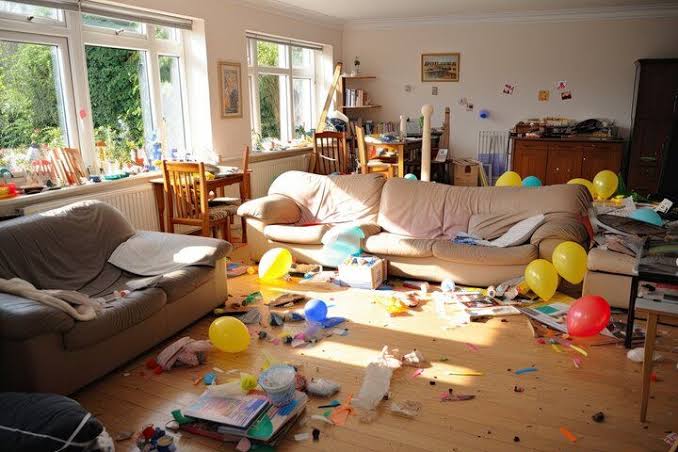
Yes, a dirty house can genuinely make you sick. Accumulated dust, dander, mold spores, bacteria, and allergens create measurable health risks, including respiratory irritation, allergic reactions, asthma flare-ups, and increased susceptibility to illness. Whether a dirty house makes you sick depends largely on what’s accumulating and for how long, since dust mites, mold growth in damp areas, and bacterial buildup on frequently touched surfaces all contribute to genuine health consequences over time. Protecting your family involves five key strategies: maintaining consistent cleaning routines, controlling indoor humidity, improving ventilation, reducing clutter that traps allergens, and seeking professional inspection when hidden contamination like mold is suspected.
You’ve been feeling run down lately.
Persistent sniffles. A cough that won’t quite go away. Maybe some unexplained fatigue. You start wondering about all sorts of possibilities, but one question keeps nagging at you: can a dirty house make you sick, and could that actually be what’s happening here?
It’s a fair question, and the honest answer is yes, it absolutely can. While a little dust here and there isn’t going to land anyone in the hospital, chronic household neglect creates real, measurable health risks that build up over time, often without anyone realizing the connection.
For professional assessment when you suspect hidden contamination beyond normal household mess, call PuroClean of Burlington at (262) 342-2226 for expert inspection and guidance.
I have seen firsthand how the home environment affects health, particularly when it comes to hidden mold and moisture problems that go far beyond what typical cleaning addresses. Understanding how a dirty house can make you sick helps families recognize when normal tidying isn’t enough and professional intervention becomes necessary.
This guide explains exactly how household conditions affect health, along with five practical ways to protect your family.
How a Dirty House Actually Makes You Sick
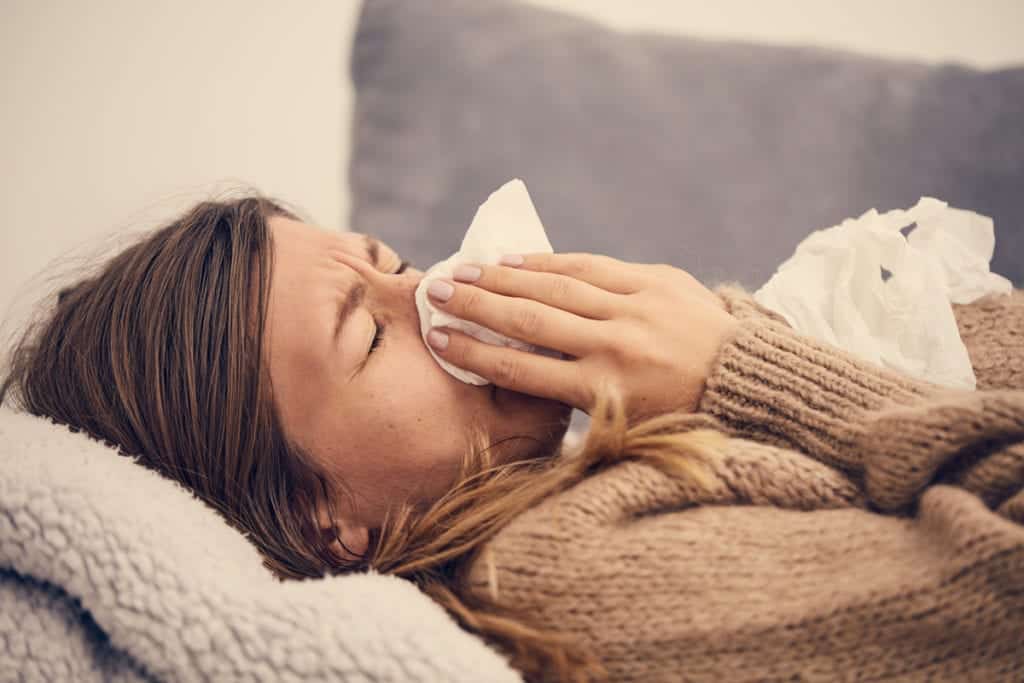
What specific household conditions contribute to illness?
Answer: Whether a dirty house makes you sick comes down to several specific culprits: dust mites triggering allergic and respiratory reactions, mold growth in damp areas releasing spores and toxins, bacteria accumulating on frequently touched surfaces, poor air circulation trapping airborne contaminants, and pest infestations introducing additional allergens and pathogens.
Understanding the mechanisms helps clarify the real risk.
Dust mite accumulation:
Dust mites thrive in bedding, carpeting, and upholstery, feeding on dead skin cells and multiplying rapidly in undisturbed environments. Their waste products are a significant allergen, answering part of the question of how a dirty house can make you sick for allergy-prone household members.
Mold and moisture connection:
Damp, neglected areas like bathrooms, basements, and window sills provide ideal mold growth conditions. According to the CDC, mold exposure contributes to respiratory symptoms, making this one of the most serious answers to the question, “Can a dirty house make you sick?”
Bacterial buildup on surfaces:
Kitchens and bathrooms that aren’t regularly disinfected allow bacteria to accumulate on countertops, handles, and other frequently touched surfaces, increasing the risk of illness transmission among household members.
Stagnant air and poor ventilation:
Homes with limited air circulation trap dust, allergens, and airborne particles rather than dispersing them, concentrating everything that contributes to a dirty house that makes you sick within enclosed indoor spaces.
Pest attraction:
Accumulated food debris and clutter attract pests like cockroaches and rodents, which introduce their own allergens and potential pathogens into the home environment.
These combined factors explain why household conditions genuinely matter for family health.
5 Ways to Protect Your Family From Household Health Risks
1. Establish Consistent Cleaning Routines
Regular cleaning prevents the gradual buildup that leads to health problems. Dusting, vacuuming, and disinfecting high-touch surfaces on a consistent schedule address much of what makes a dirty house make you sick, a genuine concern in typical households.
Focus particular attention on bedding, which should be washed weekly in hot water to control dust mite populations. Kitchen and bathroom surfaces deserve disinfection several times weekly given their bacteria accumulation potential.
2. Control Indoor Humidity Levels
Since mold thrives in moisture, keeping indoor humidity below 50% significantly reduces growth risk. Use dehumidifiers in naturally damp areas like basements, and run exhaust fans during and after showers to remove excess moisture before it settles into surfaces.
Monitoring humidity with an inexpensive meter helps you catch problems before they escalate into the kind of hidden contamination that can a dirty house make you sick in more serious ways.
3. Improve Home Ventilation
Increasing air circulation helps disperse dust, allergens, and moisture rather than allowing them to concentrate. Open windows when weather permits, use ceiling fans to keep air moving, and ensure HVAC filters are changed regularly to maintain proper airflow throughout your home.
Poor ventilation compounds nearly every other factor connected to how a dirty house can make you sick, making this a foundational protective step.
4. Reduce Clutter That Traps Allergens
Clutter does more than create visual chaos. Piles of belongings, papers, and unused items collect dust and provide hiding spots for pests, contributing directly to household allergen levels. Regular decluttering, combined with proper storage in sealed containers, reduces the surface area available for dust and allergen accumulation.
This step matters particularly for households with asthma or allergy sufferers, where reduced clutter can noticeably improve symptoms.
5. Seek Professional Inspection When Something Feels Off
Sometimes normal cleaning isn’t enough, particularly when hidden mold or moisture problems are involved. If you’re experiencing persistent symptoms, noticing musty odors, or have a history of water damage, professional inspection provides answers that visual assessment alone cannot.
Professional testing identifies whether a dirty house can make you sick and applies to your specific situation, including hidden contamination requiring remediation rather than simple cleaning.
When Household Illness Points to Something More Serious
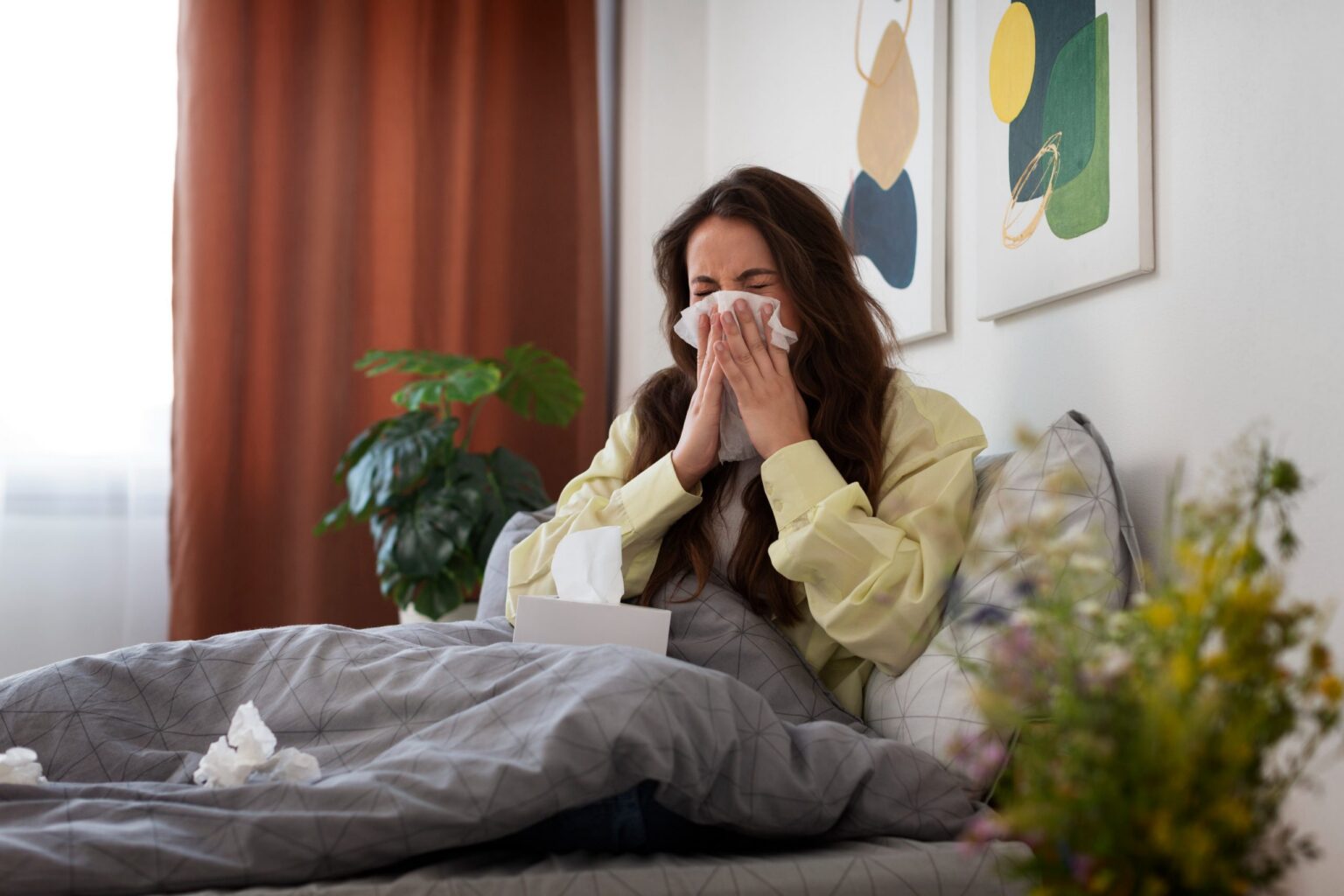
How do I know if my symptoms relate to hidden home contamination rather than general mess?
Answer: Persistent symptoms that improve when away from home, respiratory issues without another clear cause, musty odors despite cleaning, or a history of water damage all suggest that a dirty house can make you sick and involve hidden mold contamination rather than surface-level cleanliness issues.
Some warning signs point beyond typical household dust and dirt.
Symptom pattern recognition:
If family members consistently feel better at work, school, or while traveling, then worse upon returning home, this pattern strongly suggests environmental factors are at play, answering a dirty house can make you sick with a more concerning “yes” than simple dust accumulation.
Musty odors despite regular cleaning:
When cleaning doesn’t resolve persistent musty smells, hidden mold growth behind walls or under flooring often explains why a dirty house can make you sick and continues to be relevant even in an otherwise tidy home.
Water damage history:
Any home with prior flooding, leaks, or moisture intrusion carries elevated risk for hidden mold contamination, regardless of how clean the visible surfaces appear.
Professional assessment removes guesswork when symptoms suggest something beyond typical household mess.
Frequently Asked Questions About Household Cleanliness and Health
Can a dirty house make you sick even if you clean regularly?
Yes, particularly if hidden mold or moisture problems exist behind walls or under flooring. Regular surface cleaning doesn’t address contamination hidden within building materials, which is why professional inspection matters when symptoms persist despite good cleaning habits.
How quickly can household conditions start affecting health?
This varies by individual sensitivity and the specific contaminant involved. Some people notice allergic reactions within hours of exposure, while other health effects from chronic exposure develop more gradually over weeks or months.
Are children more affected by dirty household conditions?
Children can be more vulnerable due to developing respiratory systems and more time spent close to floors and carpeting where allergens concentrate. Extra attention to cleanliness benefits households with young children.
Should I be worried about a musty smell if I don’t see visible mold?
Yes, persistent musty odors often indicate mold growth in areas you cannot see, such as behind walls or under flooring. This is one of the clearer signals that can a dirty house make you sick may involve more than surface cleanliness.
Can professional cleaning services address hidden mold problems?
Standard cleaning services typically address surface-level dirt and dust but aren’t equipped to handle mold remediation. Suspected mold contamination requires specialized professional assessment and remediation services.
What areas of the home should I prioritize to reduce health risks?
Bathrooms, kitchens, and bedrooms deserve the most consistent attention due to moisture, bacteria, and dust mite accumulation, respectively. Basements also warrant regular monitoring given their susceptibility to mold growth.
Professional Mold Inspection and Remediation Services
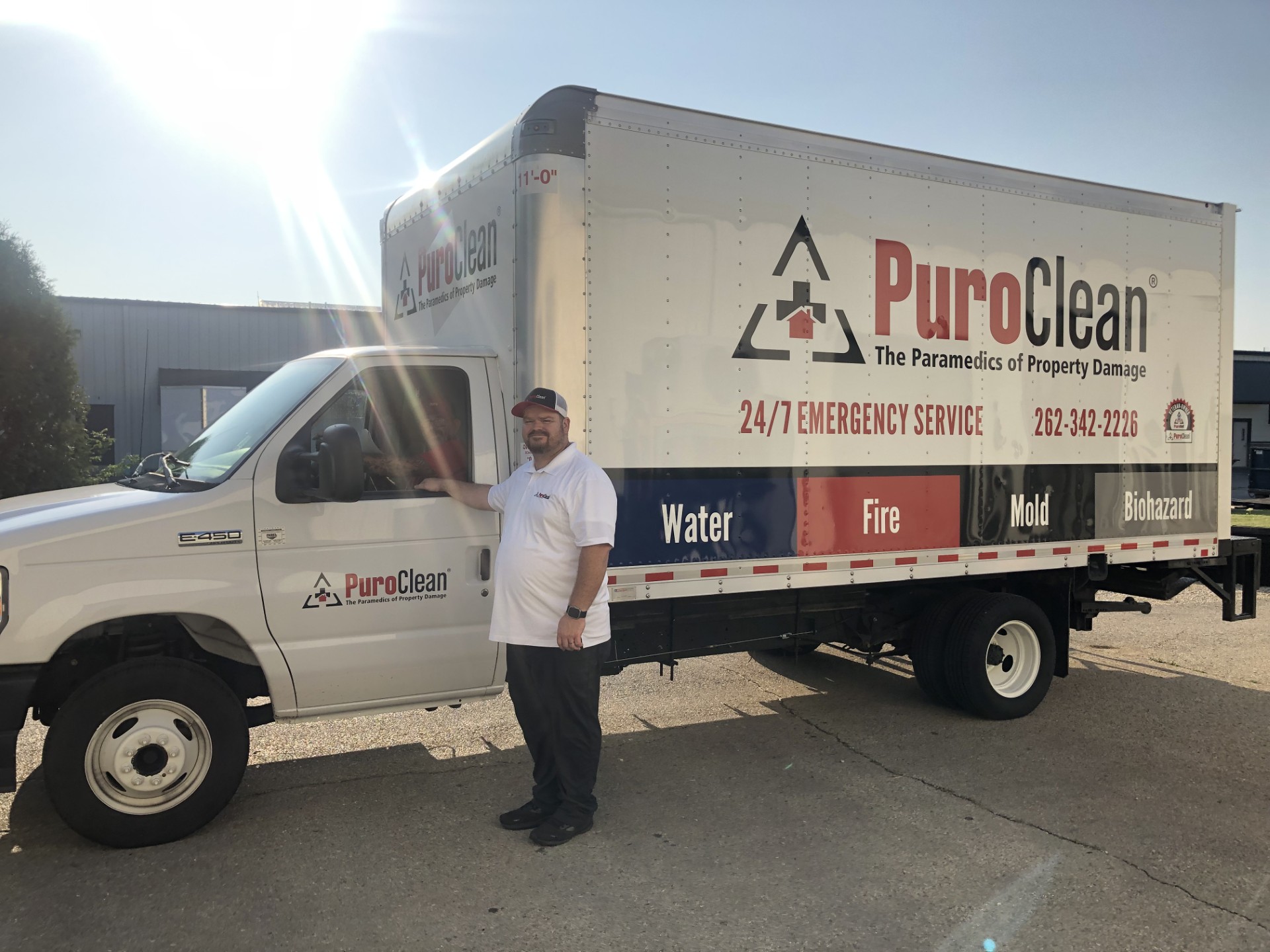
PuroClean of Burlington provides a comprehensive assessment:
✓ Professional mold inspection identifying hidden contamination
✓ Air Quality Testing measuring indoor pollutants
✓ Moisture Assessment: locating problem areas
✓ Complete remediation when contamination is confirmed
✓ Prevention guidance addressing root causes
✓ Health protection through proper procedures
Related Services:
Professional Mold Removal Services
Water Damage Restoration
Professional Inspection Services
Wondering If Hidden Contamination Is Affecting Your Family’s Health?
Get Professional Inspection and Peace of Mind
☎️ CALL: (262) 342-2226
Expert Assessment | Complete Solutions | Family Health Protection
Serving Wisconsin & Illinois Communities
Summary: Can a Dirty House Make You Sick
Can a dirty house make you sick? Yes, through dust mite accumulation, mold growth in damp areas, bacterial buildup on surfaces, poor ventilation trapping contaminants, and pest attraction introducing additional allergens. These factors create genuine, measurable health risks that build gradually, often without an obvious connection to household conditions.
Protecting your family involves five practical strategies: maintaining consistent cleaning routines, controlling indoor humidity, improving ventilation, reducing clutter, and seeking professional inspection when symptoms suggest hidden contamination beyond normal mess. Most household health risks respond well to basic diligence, but persistent symptoms paired with musty odors or a history of water damage warrant professional investigation.
If you suspect your home’s condition may be affecting your family’s health, contact PuroClean of Burlington at (262) 342-2226 for professional inspection and expert guidance throughout Wisconsin and Illinois communities.
PuroClean of Burlington 📞 Call Now: (262) 342-2226 🕒 Available 24/7—because disasters don’t wait.
🔗 Quick Links: Instagram | Google Reviews & Directions | Facebook | Pinterest