


Crawl Space Dampness Structural Damage
Crawl space dampness causes devastating structural damage through five critical mechanisms: (1) wood rot destroying floor joists, beams, and subflooring supporting homes, (2) mold and mildew growth deteriorating organic materials while creating health hazards, (3) pest infestations as termites, carpenter ants, and rodents thrive in damp environments, (4) foundation problems from soil saturation causing settlement and cracking, and (5) decreased property value as unaddressed moisture issues deter buyers and reduce marketability, with Wisconsin and Illinois homes throughout Burlington, Kenosha, Racine, Milwaukee, Lake Geneva, and surrounding communities facing particular vulnerability requiring professional moisture control, encapsulation, and waterproofing protecting structural integrity and property investment.
You descend into your crawl space and immediately notice that damp, musty smell.
Water droplets cling to metal ductwork. Puddles collect in corners. The wood beams feel soft when you press against them.
Crawl space dampness represents far more than a minor nuisance. It actively destroys your home’s structural foundation from the bottom up, creating expensive damage that worsens exponentially over time.
For professional crawl space moisture control, waterproofing, and structural protection serving all southeastern Wisconsin, including Kenosha County, Racine County, Walworth County, Milwaukee County, Waukesha County, and northern Illinois, including Lake County, call PuroClean of Burlington at (262) 342-2226 for expert assessment and comprehensive solutions.
I have assessed countless crawl space dampness situations throughout Burlington, Lake Geneva, Kenosha, Racine, Milwaukee, Antioch, and surrounding communities. The structural damage I consistently discover stems from homeowners underestimating how quickly moisture destroys critical structural components supporting their homes.
This comprehensive guide reveals five devastating ways crawl space dampness damages your home’s structure, why Wisconsin and Illinois properties face particular vulnerability, and how professional solutions protect your most valuable investment before catastrophic failure occurs.
Because understanding crawl space dampness dangers motivates appropriate action, protecting structural integrity before repair costs escalate beyond manageable levels.
Damage 1: Wood Rot Destroying Structural Support Systems
How does crawl space dampness cause wood rot?
Answer: Crawl space dampness causes wood rot when moisture content in wooden floor joists, beams, and subflooring exceeds 20%, creating ideal conditions for wood-destroying fungi breaking down cellulose fibers, with rot spreading rapidly through structural members, weakening load-bearing capacity, causing sagging floors, bouncy surfaces, and eventual collapse if unaddressed, and requiring professional moisture elimination and structural repair protecting homes throughout Wisconsin and Illinois communities.
Wood rot represents the most serious structural consequence of dampness.
How wood rot develops:
Wood naturally contains moisture. However, when moisture content exceeds 20% for extended periods, wood-destroying fungi activate, consuming cellulose and lignin that provide wood’s structural strength.
According to the U.S. Forest Service, wood rot progresses through distinct stages from surface softening to complete structural failure, with early detection proving critical for preventing catastrophic damage.
Types of rot in crawl spaces:
Dry rot (ironically requiring moisture to start) creates brown, crumbly decay. Wet rot produces darker, softer decay with a characteristic musty odor. Both types destroy structural integrity rapidly once established.
Crawl space dampness throughout properties in Pleasant Prairie, Somers, Mount Pleasant, Caledonia, or Racine County creates perfect conditions for both rot types to simultaneously attack structural supports.
Affected structural components:
Floor joists supporting living spaces above deteriorate first due to direct moisture contact. Rim joists along foundation perimeters rot from exterior moisture intrusion. Main support beams carrying major loads fail catastrophically when rot compromises cross-sections.
Subflooring attached to joists rots, creating soft spots in the flooring above. Wooden posts and columns lose load capacity. These combined failures create dangerous structural instability.
Visible warning signs:
Sagging or bouncy floors indicate joist deterioration. Visible mold on wood surfaces signals moisture sufficient for rot. Soft spots when pressing wood reveal advanced decay. Crumbling or flaking wood shows severe structural compromise.
Properties throughout West Allis, Wauwatosa, Oak Creek, Franklin, or Milwaukee County showing these signs require immediate professional structural assessment to prevent collapse risks.
Progressive failure patterns:
Wood rot starts small and localized but spreads exponentially. A single compromised joist transfers loads to adjacent members exceeding their capacity, creating cascade failures. This progressive deterioration accelerates dramatically, making early intervention essential.
Repair complexity and expense:
Advanced wood rot requires extensive structural repair, including joist replacement, beam reinforcement, or complete subflooring reconstruction. These repairs prove exponentially more expensive than addressing crawl space dampness before rot establishes.
Wood rot from crawl space dampness represents the most expensive and dangerous structural consequence, requiring immediate professional intervention to protect home safety and value.
Damage 2: Mold Growth Creating Health Hazards and Material Damage
Does crawl space dampness always cause mold?
Answer: Crawl space dampness with relative humidity exceeding 60% inevitably causes mold growth on wood, insulation, cardboard, and other organic materials, with mold spreading throughout homes via HVAC systems distributing spores, creating respiratory problems, allergic reactions, and asthma attacks while simultaneously deteriorating building materials through biological decomposition, requiring professional mold remediation to protect both health and structural integrity.
Mold thrives in damp crawl space conditions.
Ideal mold growth conditions:
Mold requires moisture, organic materials, and moderate temperatures. Crawl space dampness provides all three, creating perfect colonization conditions. Relative humidity above 60% supports active growth. Above 80%, mold spreads explosively.
Wisconsin and Illinois seasonal humidity, combined with crawl space dampness, creates year-round mold growth throughout Burlington, Lake Geneva, Elkhorn, Delavan, Whitewater, and Walworth County properties.
Common crawl space mold species:
Cladosporium appears as olive-green or brown spots. Penicillium shows blue-green fuzzy growth. Aspergillus presents various colors depending on the species. Stachybotrys (toxic black mold) produces slimy greenish-black colonies on cellulose materials.
All these species commonly colonize damp crawl spaces, creating health risks and material damage requiring professional mold remediationservices.
Health impact pathways:
HVAC systems pull air from crawl spaces, distributing mold spores throughout homes. The stack effect (warm air rising) draws contaminated crawl space air into living spaces. These distribution mechanisms expose occupants to dangerous spore concentrations.
Material deterioration:
Mold consumes organic materials, weakening structural components. Fungal enzymes break down cellulose in wood products. This biological decomposition, combined with wood rot, accelerates structural failure from crawl space dampness.
Musty odor development:
The characteristic musty crawl space smell comes from microbial volatile organic compounds (MVOCs) that mold produces. This odor indicates active growth requiring professional attention throughout Waukesha, Brookfield, New Berlin, Muskego, or Waukesha County homes.
Mold from crawl space dampness creates serious health hazards alongside structural material damage, requiring comprehensive professional remediation to protect families and buildings.
Damage 3: Pest Infestations Exploiting Moisture Environments
What pests does crawl space dampness attract?
Answer: Crawl space dampness attracts destructive pests, including termites requiring moisture for survival, carpenter ants nesting in damp, rotting wood, powder post beetles infesting softened lumber, and rodents seeking water sources, with these pests causing additional structural damage through tunneling, nesting, and feeding activities, compounding moisture-related deterioration, creating expensive multi-faceted damage requiring integrated pest management and moisture control solutions.
Moisture creates ideal conditions for destructive pests.
Subterranean termite attraction:
Termites require moisture to survive and tunnel. Crawl space dampness provides perfect conditions for colonies to establish near wood structural members. According to the National Pest Management Association, termites cause billions in annual structural damage nationwide.
Properties throughout Kenosha, Bristol, Twin Lakes, Salem Lakes, or Kenosha County with crawl space dampness face elevated termite risk, requiring professional moisture control and pest prevention.
Carpenter ant colonization:
Carpenter ants excavate galleries in damp, rotting wood, creating nesting sites. Unlike termites that eat wood, carpenter ants simply excavate, creating extensive damage. Large colonies contain thousands of workers progressively hollowing structural members.
Wood-boring beetle infestation:
Powder post beetles, old house borers, and other wood-boring insects infest damp lumber. Larvae tunnel through wood for years before emerging as adults. This hidden damage weakens structures before becoming visible.
Rodent habitat creation:
Mice and rats seek water sources, making damp crawl spaces attractive. Rodents chew through insulation, wiring, and vapor barriers while nesting in hidden areas. Their presence creates fire hazards alongside structural damage.
Crawl spaces throughout Racine, Sturtevant, Union Grove, Waterford, or surrounding Racine County areas with persistent dampness provide ideal rodent habitat requiring professional exclusion and moisture elimination.
Combined damage acceleration:
Pests attracted to crawl space dampness accelerate structural deterioration. Termites and carpenter ants compromise already weakened, rotting wood. This combination creates catastrophic failure risks requiring immediate professional intervention.
Pest infestations drawn to crawl space dampness compound moisture damage, requiring integrated solutions addressing both moisture sources and existing infestations, protecting structural integrity.
Damage 4: Foundation Settlement from Saturated Soil
Can crawl space dampness damage foundations?
Answer: Crawl space dampness saturates soil beneath foundations, causing settlement, shifting, and cracking as soil loses bearing capacity, with clay soil common throughout Wisconsin and Illinois expanding when wet, then contracting when dry, creating repeated foundation movement, while standing water erodes soil supporting footings, undermining structural stability, requiring professional drainage correction, soil stabilization, and foundation repair, preventing catastrophic structural failure.
Moisture destroys soil stability supporting foundations.
Soil bearing capacity reduction:
Dry, compacted soil provides stable foundation support. However, crawl space dampness saturates soil, reducing load-bearing capacity by 50% or more. Saturated soil cannot support the designed foundation loads, causing settlement.
Clay soil expansion and contraction:
Wisconsin and Illinois clay-heavy soils expand significantly when wet, then contract when dry. This cycle creates continuous foundation movement, causing cracks, displacement, and structural stress.
Properties throughout Milwaukee, Glendale, Greenfield, Cudahy, or Milwaukee County built on clay soil experience severe foundation problems from crawl space dampness, requiring professional stabilization.
Erosion and undermining:
Standing water in crawl spaces creates erosion, washing away soil supporting footings. This undermining removes foundation support, causing settlement, tilting, and eventual failure if unaddressed.
Differential settlement problems:
Uneven moisture distribution causes differential settlement, where some foundation areas sink more than others. This creates serious structural stress, including cracked walls, stuck doors and windows, and separated floor-to-wall joints.
Foundation crack development:
Settlement and movement from crawl space dampness cause foundation cracking. These cracks allow additional moisture entry, creating feedback loops and accelerating deterioration.
Homes throughout Janesville, Beloit, Edgerton, and Rock County with crawl space dampness face progressive foundation damage requiring comprehensive moisture control and structural stabilization.
Repair complexity:
Foundation repairs prove extremely expensive, involving soil stabilization, foundation lifting, crack sealing, and drainage improvements. Addressing crawl space dampness before foundation damage occurs saves tremendous expense.
Foundation problems from crawl space dampness represent some of the most expensive structural repairs homeowners face, requiring early intervention to prevent catastrophic settlement and failure.
Damage 5: Decreased Property Value and Marketability
How does crawl space dampness affect home value?
Answer: Crawl space dampness significantly decreases property value by deterring buyers concerned about structural damage, mold health risks, and expensive repairs, with home inspections revealing moisture issues requiring disclosure, creating negotiation leverage, reducing sale prices, delaying closings, or causing sale cancellations, while professional moisture control and structural documentation protect property values, ensuring successful transactions throughout competitive Wisconsin and Illinois real estate markets.
Unaddressed moisture issues devastate property marketability.
Home inspection discoveries:
Professional home inspectors identify crawl space dampness during pre-sale evaluations. These discoveries appear in inspection reports prospective buyers receive, creating serious concerns about structural integrity and mold risks.
Buyer negotiation leverage:
Documented crawl space dampness gives buyers substantial negotiation power, demanding price reductions covering anticipated repairs or requiring sellers to address issues before closing. These negotiations often reduce final sale prices significantly.
Loan approval complications:
Mortgage lenders review inspection reports. Serious crawl space dampness may prevent loan approval until addressed. FHA and VA loans have specific moisture requirements that must be met for approval.
Properties throughout Madison, Middleton, Sun Prairie, Fitchburg, or Dane County cannot sell without addressing crawl space dampness that prevents financing approval.
Insurance implications:
Homeowners insurance companies may refuse coverage or charge higher premiums for properties with known crawl space dampness, creating additional buyer deterrents.
Market perception:
Even when repaired, the history of crawl space dampness creates lasting market perception concerns. Professional documentation of proper remediation and prevention proves essential for restoring buyer confidence.
Preventive value protection:
Proactive crawl space dampness prevention through professional encapsulation, waterproofing, and drainage improvements maintains property values, protecting investment through demonstrated maintenance and care.
Properties throughout all service areas, including Fort Atkinson, Watertown, Lake Mills, and Jefferson County, benefit from documented moisture control protecting resale values.
Crawl space dampness devastates property values, requiring professional solutions protecting marketability and investment returns through demonstrated structural integrity and moisture control.
Preventing and Addressing Crawl Space Dampness
What solutions eliminate crawl space dampness permanently?
Answer: Permanent crawl space dampness solutions include professional encapsulation with sealed vapor barriers; perimeter drainage systems directing groundwater away from foundations; dehumidification maintaining humidity below 60%; proper ventilation or sealing depending on climate; sump pump installation removing standing water; and addressing external drainage problems through grading and gutters, with comprehensive approaches combining multiple strategies ensuring long-term moisture control and protecting structural integrity throughout Wisconsin and Illinois homes.
Comprehensive solutions provide lasting protection.
Crawl space encapsulation:
Professional encapsulation installs heavy-duty vapor barriers covering floors and walls, creating sealed, moisture-proof environments. This prevents ground moisture from entering crawl spaces, eliminating primary dampness sources.
Drainage system installation:
Perimeter drainage systems collect and direct groundwater away from foundations before entering crawl spaces. Interior drainage with sump pumps removes water that does infiltrate, ensuring spaces stay dry.
Dehumidification systems:
Commercial-grade dehumidifiers maintain ideal humidity levels, preventing mold growth and material deterioration. These systems run continuously, ensuring consistent moisture control.
Ventilation management:
Proper ventilation strategies depend on climate and specific conditions. Some crawl spaces benefit from ventilation, while others require sealing. Professional assessment determines optimal approaches.
External moisture management:
Gutter maintenance, downspout extensions, and proper grading direct surface water away from foundations. These external improvements reduce moisture, challenging crawl space drainage systems.
Professional water damage prevention and moisture control throughout all service areas protect homes from crawl space dampness consequences.
Comprehensive professional solutions permanently eliminate crawl space dampness, protecting structural integrity, health, and property values throughout Wisconsin and Illinois communities.
Frequently Asked Questions: Crawl Space Dampness
How do I know if my crawl space has dampness problems?
Crawl space dampness indicators include musty odors, visible mold growth, standing water or puddles, condensation on metal surfaces, wood discoloration or softness, pest activity, and increased humidity in living spaces above. Homes throughout Antioch, Gurnee, Grayslake, Waukegan, or Lake County, IL should receive professional crawl space inspections identifying moisture problems before structural damage occurs. Call PuroClean of Burlington at (262) 342-2226 for comprehensive assessments determining moisture sources and appropriate solutions protecting your home.
Can I fix crawl space dampness myself?
Minor crawl space dampness from simple ventilation issues might respond to DIY improvements like adding vents or installing small dehumidifiers. However, significant moisture problems require professional solutions, including proper encapsulation, drainage systems, and structural repairs. DIY attempts often prove inadequate, allowing continued damage requiring eventual professional intervention at greater expense. Properties throughout Rockford, Loves Park, Belvidere, or Winnebago County, IL, benefit from professional assessment, determining whether DIY suffices or comprehensive solutions become necessary.
How quickly does crawl space dampness cause structural damage?
Structural damage from crawl space dampness begins within months as wood moisture content rises and mold establishes, with visible deterioration appearing within 1-2 years and serious structural compromise developing within 3-5 years, depending on dampness severity and wood species. Wisconsin and Illinois freeze-thaw cycles accelerate damage compared to warmer climates. Immediate professional intervention upon discovering dampness prevents exponential damage progression, protecting homes throughout all southeastern Wisconsin and northern Illinois service areas from expensive structural repairs.
Does homeowners insurance cover crawl space dampness damage?
Homeowners insurance typically excludes damage from long-term maintenance issues, including crawl space dampness. However, sudden water damage from burst pipes or storms may receive coverage. Mold coverage varies by policy, with many excluding or severely limiting mold remediation coverage. Professional documentation helps maximize available coverage. Properties throughout Burlington, Caledonia, Elkhorn, Lake Geneva, or surrounding areas should review insurance policies, understanding coverage limitations for moisture-related damage before problems occur.
What’s the difference between crawl space encapsulation and waterproofing?
Crawl space encapsulation installs sealed vapor barriers preventing ground moisture from entering spaces, while waterproofing addresses water intrusion through walls and floors using drainage systems, sealants, and waterproof membranes. Comprehensive moisture control often combines both approaches, providing complete protection. Professional assessment determines which solutions or combinations best address specific crawl space dampness situations throughout Wisconsin and Illinois homes, ensuring effective long-term moisture control and protecting structural integrity.
Can crawl space dampness affect indoor air quality?
Yes, crawl space dampness significantly impacts indoor air quality as the stack effect draws contaminated crawl space air into living spaces, while HVAC systems pull air from crawl spaces, distributing mold spores, musty odors, and humidity throughout homes. This creates respiratory problems, allergic reactions, and chronic health issues. Professional moisture control and air quality improvement protect occupant health throughout all service areas, ensuring clean, healthy indoor environments free from crawl space contamination impacts.
How much does professional crawl space dampness repair typically involve?
Crawl space dampness solutions vary widely depending on problem severity, space size, and required interventions. Simple dehumidification systems represent smaller investments, while comprehensive encapsulation with drainage systems involves more substantial commitments. However, professional solutions prove far less expensive than repairing structural damage from unaddressed dampness. Properties throughout southeastern Wisconsin and northern Illinois benefit from professional assessments providing specific recommendations and transparent expectations, enabling informed decisions protecting homes and budgets through appropriate moisture control investments.
Professional Crawl Space Solutions Throughout Wisconsin & Illinois
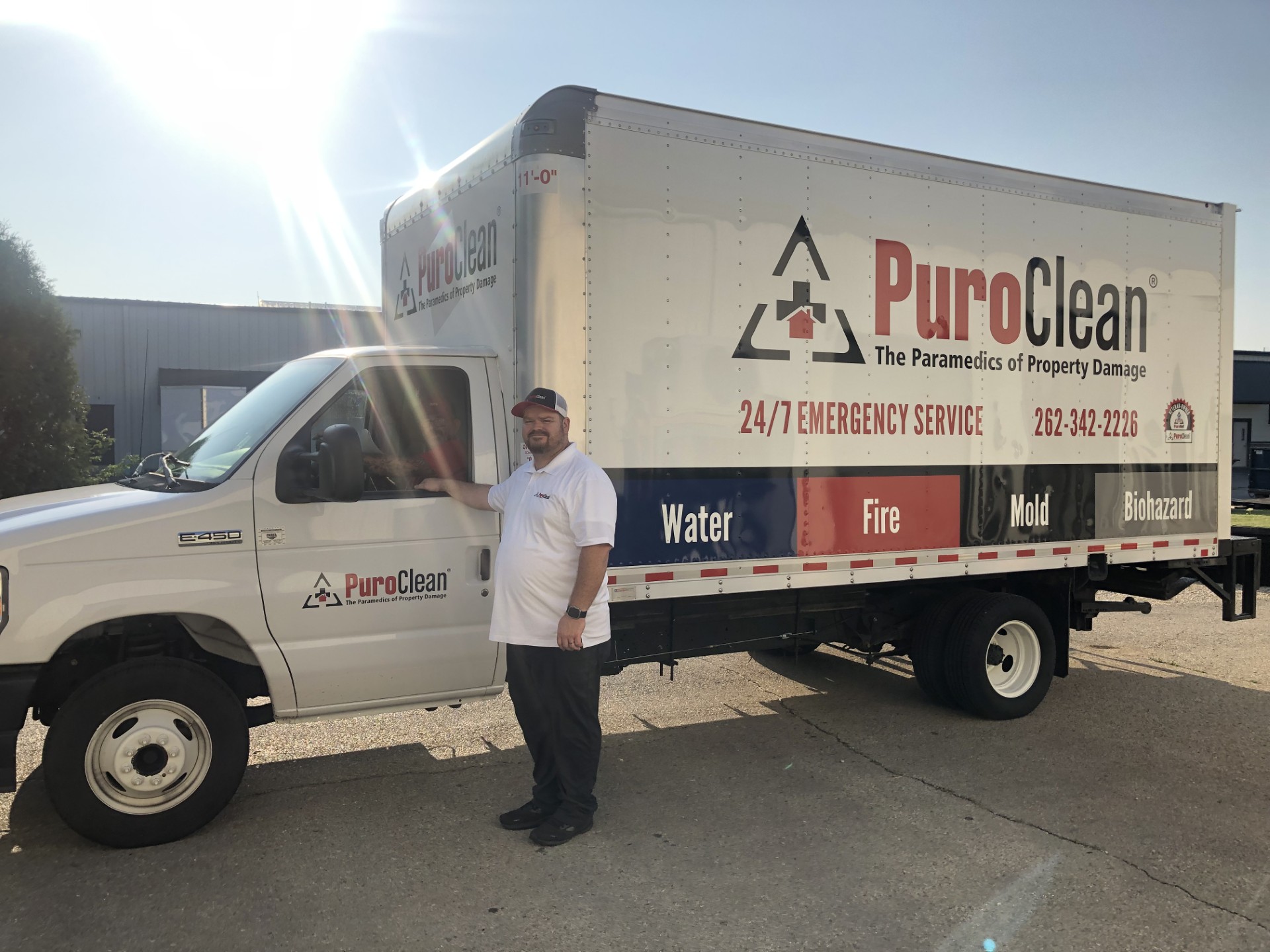
When crawl space dampness threatens your home’s structural integrity, professional solutions ensure complete protection.
PuroClean of Burlington provides comprehensive crawl space services, including:
✓ Professional Dampness Assessment identifying all moisture sources ✓ Crawl Space Encapsulation with sealed vapor barriers ✓ Drainage System Installation directing groundwater away ✓ Dehumidification Solutions maintaining optimal humidity ✓ Structural Drying addressing existing moisture ✓ Mold Remediation eliminating contamination ✓ Wood Treatment protecting structural members ✓ Ongoing Monitoring ensuring long-term effectiveness
Serving all of southeastern Wisconsin and northern Illinois, including the following:
Wisconsin: Kenosha County (Kenosha, Pleasant Prairie, Bristol, Somers, Twin Lakes, Salem Lakes), Racine County (Racine, Burlington, Caledonia, Mount Pleasant, Sturtevant, Union Grove, Waterford), Walworth County (Lake Geneva, Elkhorn, Delavan, Whitewater, East Troy, Williams Bay), Milwaukee County (Milwaukee, West Allis, Wauwatosa, Oak Creek, Franklin, Greenfield), Waukesha County (Waukesha, Brookfield, New Berlin, Muskego, Menomonee Falls, Oconomowoc), Ozaukee County (Mequon, Cedarburg, Port Washington), Washington County (West Bend, Hartford, Germantown), Rock County (Janesville, Beloit, Edgerton), Dane County (Madison, Middleton, Sun Prairie), Jefferson County (Fort Atkinson, Watertown, Lake Mills)
Illinois: Lake County (Antioch, Gurnee, Grayslake, Waukegan, Libertyville, Mundelein), McHenry County (Crystal Lake, Algonquin, McHenry, Woodstock), Boone County (Belvidere, Poplar Grove), Winnebago County (Rockford, Loves Park, Machesney Park)
Why choose our services:
🏠 Structural Protection Focus preventing expensive damage 🏠 Comprehensive Solutions addressing all moisture sources 🏠 Licensed & insured, providing professional accountability 🏠 Proven Results protecting homes throughout region 🏠 Transparent Communication about processes and expectations
Crawl Space Dampness Threatening Your Home’s Structure?
Get Professional Assessment and Solutions Today
☎️ CALL: (262) 342-2226
Complete Moisture Control | Structural Protection | Long-Term Solutions
Serving All Southeastern Wisconsin & Northern Illinois
Summary: Crawl Space Dampness Structural Damage
Crawl space dampness causes devastating structural damage through five critical mechanisms: wood rot destroying floor joists and beams supporting homes, mold growth creating health hazards while deteriorating materials, pest infestations compounding moisture-related damage, foundation settlement from saturated soil, and decreased property values deterring buyers and reducing marketability.
Wisconsin and Illinois homes throughout Burlington, Kenosha, Racine, Milwaukee, Lake Geneva, and surrounding communities face particular vulnerability from regional climate, soil conditions, and construction practices, requiring professional moisture control to protect structural integrity.
Permanent solutions, including professional encapsulation, drainage systems, dehumidification, and comprehensive moisture management, eliminate dampness, preventing exponential damage progression. Early intervention is far less expensive than repairing advanced structural deterioration caused by unaddressed moisture.
When crawl space dampness threatens your home, call PuroClean of Burlington at (262) 342-2226 for a professional assessment and comprehensive solutions that protect your structural investment throughout southeastern Wisconsin and northern Illinois communities.
PuroClean of Burlington 📞 Call Now: (262) 342-2226 🕒 Available 24/7 — Because disasters don’t wait.
🔗 Quick Links: Instagram | Google Reviews & Directions | Facebook | Pinterest