


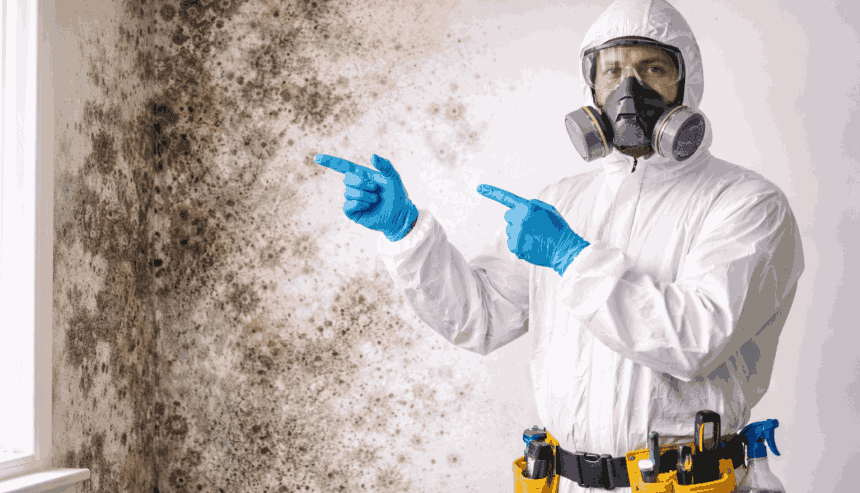
That musty smell just appeared in your home. Yesterday everything was fine. Today, you cannot ignore the odor.
Is this an emergency requiring immediate professional help? Or can it wait until Monday?
Understanding when an emergency mold smell requires an urgent 24/7 response protects your family’s health and prevents minor problems from becoming major disasters that require extensive remediation.
For immediate emergency mold response in Burlington and all of southeastern Wisconsin, call PuroClean of Burlington at (262) 342-2226 for 24/7 professional mold services.
I have responded to countless mold emergencies throughout the Burlington area. Certain situations absolutely require immediate professional intervention, while others allow a more measured response. Knowing the difference ensures appropriate action to protect health and property.
This comprehensive emergency checklist reveals seven warning signs that an emergency mold smell requires calling professionals immediately, what constitutes true mold emergencies, and why rapid response makes the difference between minor remediation and major health hazards.
Because recognizing emergency mold situations ensures proper response, protecting everything that matters most.
Warning Sign 1: Sudden Intense Musty Odor Appearance
When does a sudden mold smell constitute an emergency?
Answer: Sudden intense emergency mold smell appearing within hours or overnight indicates rapid mold growth from hidden water damage, burst pipes, roof leaks, or flooding, creating ideal conditions for explosive mold colonization, with the speed and intensity suggesting extensive contamination requiring immediate professional assessment to prevent health risks and property damage from worsening, making 24/7 emergency response appropriate when odors appear suddenly rather than gradually developing over weeks.
Rapid odor onset signals serious problems.
Why sudden smells indicate emergencies:
Mold typically grows gradually over days or weeks. When an emergency mold smell appears suddenly, it indicates either massive water intrusion creating perfect growth conditions or the discovery of extensive hidden mold that has reached critical mass, producing detectable odors.
Either scenario represents serious contamination requiring immediate attention. The sudden nature means conditions support rapid mold spread, potentially affecting large property areas within days.
Hidden water damage discovery:
Sudden emergency mold smells often reveal hidden water damage from pipe leaks inside walls, roof leaks in attics, or foundation seepage in crawl spaces. Water accumulated unnoticed for days or weeks before mold growth reached levels producing strong odors.
According to the Environmental Protection Agency, mold can begin growing within 24-48 hours of water exposure. A sudden smell discovery might mean mold has been growing extensively in hidden locations, now requiring professional remediation.
Health risk acceleration:
Rapid mold growth releases massive spore quantities into the air quickly. This sudden exposure increase creates immediate health risks, especially for vulnerable individuals, including children, the elderly, and those with respiratory conditions or compromised immunity.
Emergency mold smell intensity correlates with contamination severity. Strong, sudden odors indicate heavy mold presence requiring professional containment, preventing further spread while remediation proceeds.
Preventing catastrophic spread:
Immediate response when detecting an emergency mold smell prevents contamination from spreading to unaffected areas. Professional containment isolates mold-affected zones. HEPA filtration captures airborne spores. Rapid response limits the extent of damage and remediation scope.
Waiting even 24-48 hours allows more mold growth exponentially and to spread. True emergencies demand immediate action regardless of time or day.
Warning Sign 2: Smell Appearing After Water Damage
Does water damage automatically create mold emergencies?
Answer: Water damage creates emergency mold smell situations when musty odors appear within 24-48 hours, indicating rapid mold colonization from flooding, burst pipes, sewage backups, or significant leaks, requiring immediate professional water damage restoration combined with mold prevention protocols, including rapid water extraction, complete structural drying, antimicrobial treatment, and air quality monitoring, preventing mold establishment that creates health hazards and property damage.
Post-water-damage odors signal urgent mold development.
The 24-48 hour critical window:
Mold begins growing within 24-48 hours after water exposure. When an emergency mold smell appears quickly after water damage, it confirms active colonization requiring immediate intervention before contamination becomes extensive.
Professional water damage restoration within this window prevents mold establishment. Once odors appear, restoration must include mold remediation protocols beyond standard water damage response.
Types of water damage creating emergencies:
Clean water from burst pipes allows 48-72 hours before a mold emergency develops. Gray water from appliances or minor sewage reduces the timeframe to 24-48 hours. Black water from sewage backups or flooding creates an immediate emergency requiring combined biohazard and mold protocols.
Any water damage accompanied by an emergency mold smell within days requires a 24/7 professional response to prevent health hazards and extensive contamination.
Hidden moisture detection:
Water damage creates hidden moisture in wall cavities, under flooring, and in insulation, where mold grows invisibly before odors appear. Emergency mold smell after water damage often indicates hidden growth requiring professional moisture detection using thermal imaging and moisture meters.
Preventing secondary damage:
Water damage creates primary structural damage. Mold growth represents secondary damage often exceeding initial water damage in severity and expense. Immediate response to emergency mold smell after water events prevents this secondary damage cascade, protecting property investments.
Burlington’s humidity from Lake Geneva’s proximity accelerates post-water-damage mold growth, making rapid professional response especially critical for local properties.
Warning Sign 3: Health Symptoms Accompanying Odors
What health symptoms indicate mold emergencies?
Answer: Health symptoms accompanying emergency mold smell, including immediate respiratory difficulty, severe allergic reactions, asthma attacks, persistent coughing or wheezing, headaches and dizziness, nausea, skin rashes, or eye irritation, indicate dangerous mold exposure levels requiring immediate evacuation, medical attention, and professional mold remediation, with vulnerable populations facing severe risks, making 24/7 emergency response essential for protecting family well-being through rapid containment and complete removal.
Health impacts transform mold into medical emergencies.
Respiratory emergency symptoms:
Difficulty breathing, chest tightness, or severe wheezing accompanying an emergency mold smell indicates dangerous exposure requiring immediate action. Remove family members from affected areas. Seek medical attention for severe symptoms. Contact emergency mold professionals immediately.
Individuals with asthma face particular risks. Mold triggers potentially life-threatening asthma attacks. Any respiratory distress with mold odors constitutes a medical emergency requiring ambulance services along with professional mold response.
Neurological and systemic symptoms:
Severe headaches, dizziness, confusion, or cognitive difficulties with an emergency mold smell may indicate toxic mold exposure. While “toxic mold” terminology is often misused, certain species, like Stachybotrys, produce mycotoxins, causing serious neurological effects.
These symptoms require immediate medical evaluation and professional mold assessment, determining species and contamination extent, and guiding appropriate remediation.
Vulnerable population protection:
Children, the elderly, pregnant women, and immunocompromised individuals face extreme risks from mold exposure. Any health symptoms in these populations accompanying an emergency mold smell require immediate professional intervention.
According to the Centers for Disease Control, prompt mold remediation protects vulnerable individuals from serious health consequences, including permanent respiratory damage or life-threatening infections.
Documentation for medical care:
Professional mold inspection provides documentation supporting medical treatment and potential insurance claims. Air quality testing identifies specific mold species and spore concentrations, helping physicians diagnose and treat mold-related illnesses.
Health symptoms elevate mold from a property issue to a medical emergency requiring immediate 24/7 professional response, protecting family well-being above all other considerations.
Warning Sign 4: HVAC System Distributing Mold Odors
Why are HVAC mold odors especially dangerous?
Answer: Emergency mold smells coming from HVAC systems or appearing throughout homes simultaneously indicate mold growing in ductwork, air handlers, or cooling coils with forced air spreading spores to every room, creating whole-house contamination; requiring immediate system shutdown, professional HVAC mold remediation, and air quality control; preventing dangerous exposure levels affecting all occupants; and making a 24/7 emergency response essential for health protection and contamination containment.
HVAC mold creates whole-home emergencies instantly.
How HVAC systems spread mold:
Mold growing in ductwork, on cooling coils, or in air handler cabinets gets blown throughout homes every time systems operate. This distribution mechanism rapidly contaminates entire properties, including areas far from original mold sources.
Emergency mold smell from vents or appearing in multiple rooms simultaneously indicate HVAC-distributed contamination requiring immediate system shutdown and professional cleaning.
Massive spore exposure risks:
HVAC systems move thousands of cubic feet of air hourly. Mold in these systems releases spores at rates creating dangerous exposure levels quickly. This concentrated distribution explains why HVAC mold creates health symptoms faster than localized mold growth.
Immediate response requirements:
Upon detecting an emergency mold smell from HVAC systems, immediately turn off forced air equipment, preventing further distribution. Open windows if the weather permits for ventilation. Evacuate vulnerable family members. Contact 24/7 emergency mold professionals.
Professional HVAC mold remediation requires specialized equipment for cleaning ductwork, coils, and air handlers. Standard mold remediation cannot adequately address HVAC contamination, requiring certified professionals trained in system decontamination.
Prevention after remediation:
After HVAC mold removal, professionals recommend UV lights in air handlers killing mold spores, improved filtration capturing airborne particles, and regular maintenance preventing future growth. These upgrades protect long-term indoor air quality.
HVAC emergency mold smell represents one of the most serious situations requiring immediate 24/7 professional response, given rapid whole-home contamination and severe health exposure risks.
Warning Sign 5: Multiple Rooms Showing Simultaneous Odors
What does widespread mold smell indicate?
Answer: Emergency mold smell appearing in multiple rooms simultaneously indicates either extensive hidden mold growth from major water damage affecting large property areas, HVAC system distribution of contamination, or severe building envelope failures allowing moisture intrusion at multiple locations, with coordinated widespread odors signaling serious systemic problems requiring comprehensive professional assessment, containment, and remediation beyond simple localized mold treatment, making 24/7 emergency response appropriate.
Widespread odors reveal extensive contamination.
Systematic water damage scenarios:
Widespread emergency mold smell often follows flooding, major roof failures during storms, or plumbing disasters affecting multiple rooms. Water intrusion at this scale creates mold growth in numerous locations simultaneously.
Professional assessment determines whether single catastrophic events or multiple failure points created widespread contamination, guiding comprehensive remediation strategies.
Building envelope failures:
Multiple exterior wall areas showing emergency mold smell indicate building envelope failures, allowing weather infiltration at numerous locations. This suggests foundation problems, siding failures, or window installation issues requiring both mold remediation and building repairs.
Hidden interstitial mold growth:
Mold growing in wall cavities, ceiling plenums, or crawl spaces can produce odors that appear in multiple rooms as the smell migrates through the building. While mold may be centralized, odor distribution can make problems seem more widespread than the actual contamination.
Professional inspection using moisture meters and thermal imaging cameras locates hidden growth, guiding targeted remediation rather than extensive unnecessary work.
Contamination containment challenges:
Multiple-room emergency mold smell complicates containment. Professionals must isolate all affected areas simultaneously, preventing cross-contamination during remediation. This requires substantial equipment and expertise, justifying immediate professional response.
Widespread mold odors indicate serious problems exceeding homeowner DIY capabilities, absolutely requiring comprehensive professional intervention through certified specialists.
Warning Sign 6: Rapidly Intensifying Mold Odors
How quickly should mold smells worsen before becoming emergencies?
Answer: Emergency mold smell situations develop when odors intensify noticeably over 24-72 hours rather than gradually over weeks, indicating active, rapid mold growth from ongoing moisture sources, recent water damage, or environmental conditions supporting explosive colonization, with rapid progression signaling uncontrolled contamination requiring immediate professional intervention stopping mold spread through moisture elimination, containment, and complete remediation before health risks and property damage escalate further.
Rapid odor progression demands an urgent response.
Normal versus emergency progression:
Gradual mold smell development over weeks or months suggests slow growth from chronic minor moisture. This allows a measured response and scheduled professional service.
An emergency mold smell that appears weak on Monday, becomes noticeable on Tuesday, and grows strong by Wednesday indicates explosive growth requiring immediate intervention. This 24-72-hour progression timeline defines emergencies.
Underlying moisture identification:
Rapidly intensifying emergency mold smell indicates active, ongoing moisture sources feeding growth. Immediate professional response must identify and eliminate moisture while addressing mold contamination.
Stopping moisture proves as critical as removing existing mold. Without source elimination, remediation provides only temporary relief, with mold returning quickly.
Growth rate implications:
Rapid smell intensification correlates with rapid spore release into the air. This means exposure levels increase quickly, potentially affecting health before occupants realize the danger severity. Quick professional response limits exposure duration, protecting family well-being.
Exponential contamination spread:
Mold growth accelerates exponentially under ideal conditions. Today’s small problem becomes tomorrow’s major contamination. Emergency mold smell progression over days signals ideal growth conditions requiring immediate intervention before contamination becomes overwhelming.
Rapidly worsening odors transform situations from routine mold issues into true emergencies requiring 24/7 professional response, preventing catastrophic contamination spread.
Warning Sign 7: Visible Mold Accompanying Strong Odors
Does visible mold always require an emergency response?
Answer: Visible mold with a strong emetic smell indicates extensive contamination likely exceeding 10 square feet, requiring professional remediation per EPA guidelines, with odor intensity suggesting hidden growth beyond visible areas, making DIY cleanup inadequate and potentially dangerous through spore release, requiring certified professionals using proper containment, HEPA filtration, and complete removal, protecting health while ensuring thorough decontamination meeting safety standards.
Visible mold with odors confirms serious contamination.
The 10 square foot EPA threshold:
The Environmental Protection Agency establishes 10 square feet as the threshold requiring professional mold remediation. Visible mold areas exceeding this size (roughly 3×3 feet) mandate professional services.
Emergency mold smell accompanying visible growth suggests contamination exceeds visible areas. Hidden mold behind walls or in cavities often produces the strongest odors. Visible growth represents only partial contamination, requiring a comprehensive professional assessment.
Health risks from visible mold:
Any visible mold accompanied by a strong, emergent mold smell indicates heavy spore concentrations in the air. Disturbing visible mold during DIY cleanup attempts releases massive additional spores, creating dangerous exposure.
Professional remediation uses containment barriers, negative air pressure, and HEPA filtration, capturing spores and preventing spread during removal. These protections prove essential for health safety.
Species identification importance:
Visible black or greenish-black mold suggests potentially toxic species like Stachybotrys. While color alone cannot definitively identify species, visible dark mold with an emergency mold smell warrants immediate professional assessment, including laboratory testing.
Complete remediation requirements:
Visible mold requires removing contaminated materials, not just surface cleaning. Drywall, insulation, and other porous materials with mold growth need complete removal and replacement. Professionals provide proper remediation, ensuring contamination elimination rather than inadequate surface treatment.
Visible mold with strong odors confirms emergencies requiring immediate 24/7 professional mold remediation services, protecting health through proper containment, removal, and decontamination.
When to Call PuroClean Burlington 24/7
What situations require immediate emergency mold response?
Answer: Call PuroClean Burlington 24/7 at (262) 342-2226 for emergency mold smells when odors appear suddenly; develop after water damage; cause immediate health symptoms; come from HVAC systems; affect multiple rooms simultaneously; worsen rapidly over days; or accompany visible mold growth, with after-hours, weekend, and holiday emergencies receiving the same immediate professional response as business-hour calls, ensuring health protection and contamination control regardless of timing throughout Burlington and southeastern Wisconsin communities.
Emergencies demand immediate professional response.
24/7 availability importance:
Mold emergencies do not wait for business hours. Emergency mold smell often becomes apparent on evenings, weekends, or holidays when families spend more time at home. Water damage, creating mold conditions, can happen at any time.
True 24/7 emergency mold services provide immediate response regardless of time. PuroClean of Burlington maintains on-call certified technicians ready to respond within hours, protecting health and property.
Immediate response benefits:
A quick, professional response to the emergency mold smell limits contamination spread. Every hour allows additional mold growth and spore release. Immediate containment prevents minor emergencies from becoming major disasters.
Professional emergency response includes moisture identification and elimination, temporary containment preventing spread, air quality control through HEPA filtration, and assessment guiding comprehensive remediation plans.
Comprehensive service areas:
PuroClean of Burlington provides 24/7 emergency mold services throughout southeastern Wisconsin, including Burlington, Kenosha, Racine, Lake Geneva, Elkhorn, Delavan, Whitewater, Fontana, Franklin, New Berlin, Greendale, Caledonia, Mt. Pleasant, Pleasant Prairie, Antioch, Gurnee, Grayslake, Fox Lake, Twin Lakes, Salem Lakes, Waterford, Beloit, Janesville, Mukwonago, Muskego, and Wind Lake.
Regional coverage ensures rapid response regardless of location when an emergency mold smell threatens Wisconsin properties.
Frequently Asked Questions: Emergency Mold Smell
How quickly does mold create a smell after water damage?
Mold begins growing within 24-48 hours after water exposure but typically requires 3-5 days before producing a detectable emergency mold smell. However, rapid growth conditions from major water damage, high humidity, or ideal temperatures can create noticeable odors within 48-72 hours. Any musty smell appearing within a week of water damage indicates active mold growth, requiring immediate professional response to prevent extensive contamination. Call PuroClean Burlington at (262) 342-2226 immediately when detecting odors after water events.
Can an emergency mold smell make you sick immediately?
Yes, an emergency mold smell indicates airborne spore concentrations that can trigger immediate health symptoms in sensitive individuals, including asthma attacks, allergic reactions, respiratory distress, headaches, and nausea. While long-term exposure creates greater health risks, intense mold odors signal spore levels causing immediate reactions, especially in children, the elderly, and immunocompromised individuals. Any health symptoms accompanying mold odors require immediate evacuation, medical attention, and professional mold remediation to protect family well-being.
Should I sleep in the house with an emergency mold smell?
No, a strong emergency mold smell indicates contamination levels, making sleeping in affected homes potentially dangerous, especially for vulnerable family members. Relocate to unaffected areas if possible or arrange temporary accommodation during professional remediation. Continued overnight exposure to heavy mold concentrations increases health risks. Contact PuroClean Burlington for emergency assessment, determining safe occupancy or temporary displacement needs while complete remediation proceeds, ensuring safe, healthy return.
Does an emergency mold smell mean toxic mold?
Not necessarily. Emergency mold smell indicates significant mold growth, but color and odor alone cannot confirm toxic species like Stachybotrys. However, any extensive mold producing strong odors warrants professional assessment and testing, determining species and health risks. Whether technically toxic or not, heavy mold concentrations creating an emergency mold smell require immediate professional remediation to protect health. Waiting for laboratory confirmation delays the necessary response. Act immediately on strong mold odors, regardless of specific species concerns.
How much does emergency mold removal typically involve?
Emergency mold smell situations vary dramatically in extent and required remediation. Small isolated areas might be completed in 1-2 days. Extensive contamination from major water damage or HVAC distribution can require 5-7 days, including containment, removal, cleaning, and verification testing. Emergency response begins within hours with immediate containment and moisture elimination while comprehensive remediation proceeds systematically. PuroClean Burlington provides specific timelines after emergency assessment, understanding urgency while ensuring thorough, safe decontamination.
Will homeowners insurance cover emergency mold removal?
Wisconsin homeowners insurance coverage for emergency mold removal depends on the mold’s cause and policy specifics. Mold from sudden covered water damage, like burst pipes, typically receives coverage. Mold from long-term maintenance neglect often faces exclusions. Emergency response to prevent damage escalation usually qualifies for coverage. Professional documentation from certified services like PuroClean Burlington supports insurance claims. Contact your insurance agent immediately when discovering an emergency mold smell, and discuss specific coverage before remediation begins.
Can air purifiers eliminate emergent mold smells?
No, air purifiers cannot eliminate emergency mold smells, as they only filter airborne particles without addressing mold growth sources producing odors. While HEPA air purifiers help reduce airborne spores during professional remediation, they cannot replace proper mold removal and source elimination. Emergency mold smell requires identifying and removing contaminated materials, eliminating moisture sources, and completing decontamination. Air purifiers supplement but never substitute for professional remediation when facing emergency mold situations requiring complete contamination elimination.
Professional Emergency Mold Services Throughout Southeastern Wisconsin
When an emergency mold smell threatens your property, an immediate professional response protects health and prevents catastrophic contamination.
PuroClean of Burlington provides 24/7 emergency mold services, including:
✓ Immediate Emergency Response within hours, any time, day or night ✓ Comprehensive Mold Inspection identifying all contamination ✓ Professional Containment preventing spread during remediation ✓ HEPA Air Filtration controlling airborne spore exposure ✓ Complete mold removal, eliminating contaminated materials ✓ Moisture Source Elimination preventing recurrence ✓ Air Quality Testing verifying safe decontamination ✓ Insurance Documentation supporting coverage claims
Emergency mold situations we handle:
Post-water-damage mold | HVAC system contamination | Basement flooding mold | Hidden mold discovery | Health-threatening mold | Toxic mold remediation
Serving all of southeastern Wisconsin.
Burlington | Kenosha | Racine | Lake Geneva | Elkhorn | Delavan | Whitewater | Fontana | Franklin | New Berlin | Greendale | Caledonia | Mt. Pleasant | Pleasant Prairie | Antioch | Gurnee | Grayslake | Fox Lake | Twin Lakes | Salem Lakes | Waterford | Beloit | Janesville | Mukwonago | Muskego | Wind Lake
Why choose our emergency services?
🚨 True 24/7 availability, not just answering services 🚨 IICRC-certified mold remediation specialists 🚨 Rapid Response typically within 1-2 hours 🚨 Complete Services from emergency through reconstruction 🚨 Veteran-owned, bringing disciplined excellence 🚨 Insurance Specialists maximizing coverage
Beyond emergency mold:
Complete water damagerestoration
Fire and smoke restoration
Biohazard cleanup services
Emergency mold smells require immediate action. A professional response protects health while preventing minor problems from becoming major disasters.
Emergency Mold Smell? Call PuroClean Burlington right now.
☎️ 24/7 Emergency Hotline: (262) 342-2226
Immediate Response | Complete Remediation | Health Protection
Serving All Southeastern Wisconsin
Available Nights, Weekends, and Holidays
Summary: Emergency Mold Smell Response
Emergency mold smell requires immediate 24/7 professional response when seven warning signs appear: sudden intense odors indicating rapid growth; smells after water damage within 24-48 hours; immediate health symptoms from exposure; HVAC odors spreading contamination; multiple rooms affected simultaneously; rapidly worsening smells over days; and visible mold with strong odors, confirming extensive contamination.
These situations exceed DIY capabilities, requiring certified professionals to provide proper containment, air quality control, and complete remediation, protecting health and property. A delayed response allows exponential mold growth, increased health risks, and extensive property damage.
PuroClean of Burlington provides true 24/7 emergency mold services throughout southeastern Wisconsin, including Burlington, Kenosha, Racine, Lake Geneva, and all surrounding communities, with IICRC-certified technicians, commercial equipment, and immediate response regardless of timing, protecting families when emergency mold smells threaten well-being.
When an emergency mold smell appears in your property, call PuroClean Burlington immediately at (262) 342-2226 for a professional response, ensuring health protection and complete safe remediation throughout Southeastern Wisconsin.