


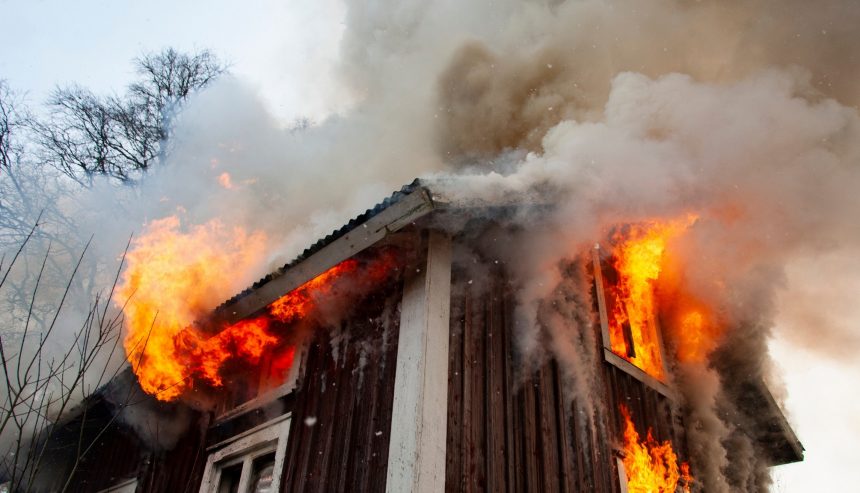
As Burlington temperatures drop and homes shift toward heavier heating system use, fire prevention and fall home preparation become closely connected priorities worth addressing together. Key seasonal steps include scheduling a professional furnace inspection before first use, having chimneys professionally cleaned if you use a fireplace or wood stove, testing and replacing smoke detector batteries, using space heaters only with proper clearance and never unattended, cleaning dryer vents to remove accumulated lint, and reviewing holiday lighting safety before decorations go up. Fall represents the season when heating-related house fires increase significantly, making proactive fire prevention and fall home preparation genuinely important rather than optional seasonal chores.
Sweater weather has arrived, and so has furnace season.
As Burlington homes transition from air conditioning to heating, fire risk quietly increases right alongside the falling temperatures. This isn’t a coincidence. National fire statistics consistently show heating-related house fires climbing through fall and into winter, precisely as furnaces, fireplaces, and space heaters see their first real use after months of sitting dormant.
That’s exactly why fire prevention and fall home preparation deserve to be treated as one connected checklist rather than separate seasonal tasks. The steps that prepare your home for colder weather are largely the same steps that reduce your fire risk through the coming months.
For professional fire damage restoration or smoke damage cleanup throughout Wisconsin, call PuroClean of Burlington at (262) 342-2226, available 24/7 if the worst happens despite your best prevention efforts.
I’ve responded to enough fall and winter fire calls to recognize the pattern. A furnace that hadn’t been serviced in years. A space heater left running overnight. A chimney nobody cleaned before that first cozy fire of the season. Most of these situations were genuinely preventable with a bit of fall attention.
This guide walks through the essential fire prevention and fall home preparation steps worth tackling before winter fully arrives.
Schedule Professional Furnace Inspection Before First Use
Why does furnace inspection matter for fire prevention and fall home preparation?
Answer: Furnaces sitting unused through spring and summer can develop issues including dust buildup on heating elements, cracked heat exchangers, or electrical problems that create genuine fire risk once the system starts running regularly again. Professional inspection as part of fire prevention and fall home preparation catches these issues before they become dangerous.
Your furnace has been quiet for months, and that silence can hide problems.
What accumulates during the off-season:
Dust and debris settle on heating elements and within ductwork during months of non-use, creating material that can ignite once the system heats up for the season’s first real cycles.
Cracked heat exchanger dangers:
A cracked heat exchanger can allow carbon monoxide into your home’s air supply while also creating a fire risk, making professional inspection valuable for more than just fire prevention alone.
Electrical connection deterioration:
Wiring and electrical connections within furnace systems can loosen or deteriorate over time, and these issues often only become apparent once the system is actually running under full load.
Filter condition and airflow:
A severely clogged filter restricts airflow, causing the system to work harder and potentially overheat components not designed for that level of strain.
Scheduling this inspection before the first genuinely cold night means you’re not troubleshooting a problem during an actual cold snap.
Have Chimneys and Wood Stoves Professionally Cleaned
How does chimney maintenance fit into fire prevention and fall home preparation?
Answer: Creosote buildup inside chimneys from previous fireplace or wood stove use represents a significant fire hazard, since this substance is highly flammable and accumulates with each use. Professional chimney cleaning as part of fire prevention and fall home preparation removes this buildup before the season’s first fire.
That cozy fireplace comes with a maintenance responsibility most people overlook.
Understanding creosote accumulation:
Every fire you burn deposits creosote residue inside your chimney flue. Over a season or several seasons of use, this buildup can become thick enough to ignite from the heat of a normal fire, creating a dangerous chimney fire.
Why visual inspection isn’t enough:
Creosote buildup often isn’t visible without looking directly up the flue with proper lighting, meaning homeowners frequently underestimate how much has accumulated since the last cleaning.
Damper and flue function:
Professional cleaning typically includes checking that dampers open and close properly and that the flue itself remains clear of any obstructions like animal nests that may have developed during warmer months.
Wood stove considerations:
Wood stove owners face similar creosote concerns within their venting systems, making professional inspection equally important regardless of which type of wood-burning appliance your home uses.
If it’s been more than a year since your last professional chimney cleaning, fall is exactly the time to schedule it before lighting that first fire.
Test Smoke Detectors and Replace Batteries
Why do smoke detectors deserve specific attention during fall home preparation?
Answer: Smoke detector batteries naturally degrade over a year of use, and fall represents an ideal, memorable time to test functionality and replace batteries before heating season increases fire risk. This simple step remains one of the most effective parts of fire prevention and fall home preparation.
This takes fifteen minutes and could genuinely save lives.
The annual battery replacement habit:
Many fire safety organizations recommend replacing smoke detector batteries at least once yearly, and tying this task to a seasonal change like fall makes it easier to remember consistently.
Testing every unit individually:
Press the test button on each detector throughout your home, confirming the alarm sounds appropriately. Don’t assume one working detector means they all function properly.
Checking detector age:
Smoke detectors themselves typically need replacement every 8 to 10 years, not just their batteries. If you’re unsure how old your units are, fall is a reasonable time to check manufacture dates and replace any approaching or past this threshold.
Carbon monoxide detector inclusion:
Since furnace season also increases carbon monoxide risk, include CO detector testing in this same fall routine, particularly important if you have gas appliances or an attached garage.
This step costs almost nothing and takes minimal time, making it one of the easiest items on this entire list.
Practice Space Heater Safety as Temperatures Drop
What space heater precautions matter most for fire prevention and fall home preparation?
Answer: Space heaters should maintain at least three feet of clearance from anything flammable, never run unattended or overnight, and always sit on flat, stable surfaces rather than carpeting or furniture. These precautions address a leading cause of home heating fires each fall and winter season.
Space heaters warm up quickly but carry real risk if used carelessly.
The three-foot clearance rule:
Curtains, furniture, bedding, and paper items all need meaningful distance from any operating space heater, since these common household items ignite easily when positioned too close to heating elements.
Never leave them running unattended:
Turning off space heaters when leaving a room or going to sleep eliminates the risk of an unmonitored unit malfunctioning or tipping over while nobody is present to respond.
Surface and placement considerations:
Space heaters belong on hard, flat, stable surfaces, never on carpeting, furniture, or uneven ground where tipping becomes more likely.
Checking for safety certifications:
Newer space heaters typically include tip-over automatic shutoff and overheat protection features that older units may lack, making this worth considering if you’re using equipment that’s many years old.
Extension cord cautions:
Space heaters draw significant electrical current and generally shouldn’t be plugged into extension cords or power strips, which can overheat under this load.
Given how commonly space heaters factor into fall and winter house fires, these precautions deserve genuine attention rather than casual disregard.
Clean Dryer Vents Before Heavy Seasonal Use
How does dryer vent cleaning connect to fire prevention and fall home preparation?
Answer: Lint accumulation within dryer vents represents a significant and often underestimated fire hazard, with this risk increasing as fall brings heavier laundry loads from blankets, winter clothing, and increased indoor time. Clearing vents thoroughly is an easy but frequently overlooked fire prevention and fall home preparation task.
This appliance works harder in fall, and so does the lint building up behind it.
Why lint accumulation matters so much:
Lint is highly flammable, and when it builds up within the vent pathway, it restricts airflow while providing abundant fuel directly in the path of the dryer’s heating element.
Signs your vent needs cleaning:
Clothes taking longer than usual to dry, the dryer feeling unusually hot to the touch, or a burning smell during operation all suggest vent restriction requiring attention.
Beyond the lint trap itself:
Many homeowners clean the lint trap after every load but forget that lint also accumulates within the actual venting ductwork leading outside, which requires separate, less frequent but equally important cleaning.
Professional versus DIY cleaning:
Shorter, straight vent runs might be manageable for homeowners to clean themselves, while longer or more complex ductwork often benefits from professional cleaning equipment designed to reach the vent’s full length.
Given how often laundry increases during fall with blankets and heavier clothing entering rotation, this is exactly the season to prioritize this task.
Review Holiday Decoration Safety Before Setup Season
Why should holiday safety be part of fire prevention and fall home preparation?
Answer: Fall is when many homeowners begin pulling out holiday decorations and lighting, making this the ideal time to inspect strings of lights for damage, verify extension cord capacity, and plan safe candle placement before decorating season arrives, rather than discovering problems after decorations are already up.
Getting ahead of holiday decorating saves headaches once the season actually arrives.
Inspecting lights before use:
Check holiday light strings for frayed wires, cracked sockets, or other damage before hanging them, since damaged lighting represents a genuine fire risk once plugged in and left running for extended periods.
Understanding extension cord limits:
Overloading extension cords or power strips with multiple decoration strings creates overheating risk, making it worth reviewing wattage capacity before connecting everything to a single outlet.
Candle placement planning:
If your holiday traditions include candles, planning safe placement away from decorations, curtains, and anything flammable now, before the rush of actual decorating, helps ensure safety considerations don’t get overlooked later.
Real versus artificial tree considerations:
If your household uses a real tree, understanding proper watering to prevent drying out, along with safe distance from heat sources, matters considerably for fire prevention once the holiday season fully arrives.
Thinking through holiday safety during calmer fall days means less to consider once the busier decorating season begins.
When Prevention Isn’t Enough
Despite the best fire prevention and fall home preparation efforts, fires sometimes still happen. If your Burlington home experiences fire damage this season, understanding what affects your restoration needs matters. Our guide on fire damage restoration cost factors explains what determines your specific situation, while our fire damage cleanup and smoke odor removal guide covers what proper professional remediation actually involves.
Frequently Asked Questions About Fire Prevention and Fall Home Preparation
How often should I schedule professional furnace inspection?
Annual inspection before each heating season is generally recommended, ideally scheduled in early fall before you need to rely on the system regularly, giving time for any necessary repairs before genuinely cold weather arrives.
Is chimney cleaning necessary every single year?
This depends on usage frequency. Households using their fireplace or wood stove regularly throughout the season typically need annual cleaning, while occasional users might extend this slightly, though professional assessment helps determine your specific situation.
What’s the biggest fire risk during fall specifically?
Heating equipment, including furnaces, space heaters, and fireplaces, represents the most significant seasonal fire risk increase during fall and winter months as these systems see their first substantial use after months of inactivity.
Should I replace smoke detectors or just batteries during fall maintenance?
Batteries should be replaced annually regardless of detector age. However, the detectors themselves need complete replacement every 8 to 10 years, so check manufacturer dates during your fall testing routine.
Are newer furnaces less likely to need fall inspection?
Even newer systems benefit from annual professional inspection, since issues can develop regardless of furnace age, and manufacturer warranties often require documented maintenance to remain valid.
What should I do if I discover fire damage despite prevention efforts?
Contact professional fire damage restoration services immediately rather than attempting cleanup yourself, since proper smoke odor removal and structural assessment require specialized expertise and equipment.
Professional Fire Damage Restoration Services
If prevention wasn’t enough, PuroClean of Burlington is here to help:
✓ 24/7 Emergency Fire Damage Response
✓ Professional Smoke and Soot Removal
✓ Thermal Fogging and Odor Elimination
✓ Structural Assessment and Repair Coordination
✓ Contents Restoration and Salvage
✓ Insurance Claim Documentation and Support
✓ Complete Fire and Water Damage Restoration
We proudly serve all Wisconsin and Illinois communities, including:
Kenosha County | Racine County | Walworth County | Milwaukee County | Waukesha County | Ozaukee County | Washington County | Rock County | Dane County | Jefferson County | Lake County, IL | McHenry County, IL | Boone County, IL | Winnebago County, IL
Related Articles:
- Fire Damage Restoration Cost: 9 Critical Factors That Affect What You Pay
- Fire Damage Cleanup: Smoke Odor Removal Guide
Related Services:
Fire Damage in Your Burlington Home?
Get Professional Restoration Available 24/7
☎️ CALL: (262) 342-2226
Emergency Response | Expert Restoration | Insurance Coordination
Serving All Wisconsin & Illinois Communities
Summary: Fire Prevention and Fall Home Preparation Work Better Together
As Burlington homes transition into heating season, fire prevention and fall home preparation naturally overlap in ways worth addressing as one connected checklist. Scheduling a professional furnace inspection, having chimneys cleaned before first use, testing smoke detectors and replacing batteries, practicing space heater safety, clearing dryer vent lint, and reviewing holiday decoration safety all contribute to a meaningfully safer home through the colder months ahead.
None of these steps require significant time or expense individually, but together they address the specific conditions that cause heating-related house fires to increase every fall and winter. Taking a weekend to work through this checklist offers genuine protection for your home and family.
If your Burlington home experiences fire damage this season despite these precautions, PuroClean of Burlington provides professional restoration and smoke odor removal 24/7. Call (262) 342-2226 for immediate assistance throughout Burlington and all surrounding service areas.
PuroClean of Burlington 📞 Call Now: (262) 342-2226 🕒 Available 24/7 — Because disasters don’t wait.
🔗 Quick Links: Instagram | Google Reviews & Directions | Facebook | Pinterest