


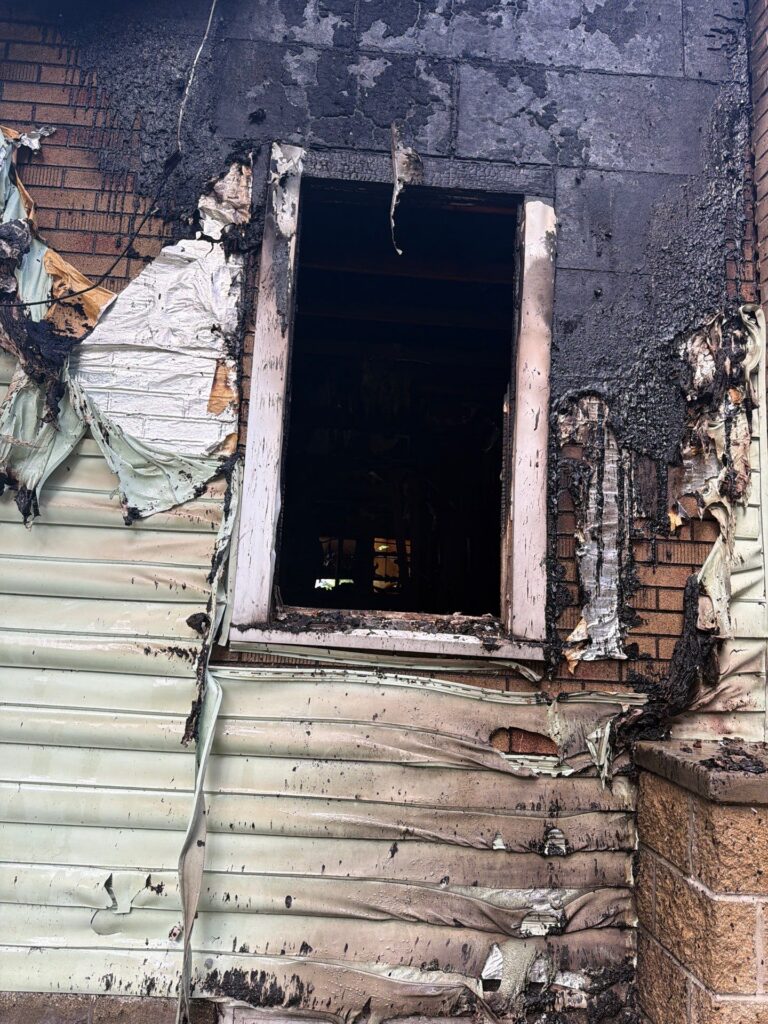
Why Professional Fire Soot Cleaning Proves Essential
Fire soot cleaning presents six critical dangers, making DIY attempts inadvisable: toxic particle inhalation creating serious respiratory hazards; incomplete soot removal from deep porous material penetration, leaving contamination; structural damage acceleration through improper cleaning techniques; health code violations creating legal liability; secondary damage from water or chemical introduction; and cost overruns from mistakes exceeding professional solution expenses.
Professional specialists understand contamination chemistry, proper containment protocols, appropriate cleaning methods, structural material assessment, and regulatory compliance, enabling safe, complete restoration impossible through household approaches throughout Wisconsin and Illinois properties.
You survey fire damage in your home.
The black soot covering walls and surfaces tempts you toward DIY cleanup, believing you can save money through household efforts.
This impulse creates serious mistakes worse than the original damage. Professional fire soot cleaning proves essential in preventing health hazards and structural problems.
For expert fire soot cleaning throughout Wisconsin and Illinois, call PuroClean of Burlington at (262) 342-2226 for immediate professional restoration.
I have managed countless fire soot cleaning situations throughout Burlington, Lake Geneva, Kenosha, Racine, Milwaukee, and surrounding communities. Homeowners attempting DIY approaches invariably complicate professional restoration, requiring extensive additional work.
This guide reveals why professional fire soot cleaning proves essential and what proper restoration involves.
Danger 1: Toxic Particle Inhalation During DIY Attempts
What health hazards exist during fire soot cleaning?
Answer: Fire soot contains toxic particles, including carcinogens, heavy metals, and chemical residues from combustion, creating serious respiratory hazards through inhalation, with DIY approaches lacking proper respiratory protection, enabling dangerous exposure requiring emergency medical response during fire soot cleanup.
Toxic inhalation represents a critical health concern.
Carcinogenic particle exposure:
Fire soot contains benzene, formaldehyde, and other known carcinogens, according to the EPA. Inhalation deposits carcinogenic particles in the lungs, where prolonged exposure increases cancer risks. Professional fire soot cleanup specialists use protective equipment to prevent occupant exposure.
Properties throughout Kenosha County, Racine County, Walworth County, and Milwaukee County require professional fire soot cleanup to prevent health hazards.
Heavy metal contamination:
Fire residue contains lead, mercury, and other toxic metals, depending on the materials burned. These metals deposit in the lungs and bloodstream, creating neurological damage and organ dysfunction. Prolonged exposure causes permanent health consequences.
Chemical volatilization:
Heated chemicals from combustion become airborne during fire soot cleanup. Re-mobilizing soot particles releases chemicals into breathing air, creating toxic exposure impossible to prevent through household approaches.
Respiratory system damage:
Inhalation of soot particles damages lung tissue, creating inflammation, reduced oxygen exchange, and breathing difficulties. Extended exposure requires hospitalization and permanent respiratory damage.
Children’s and elderly vulnerability:
Children and elderly individuals face severe health consequences from fire soot exposure. Professional fire soot cleanup, protecting vulnerable populations, proves essential in preventing serious illness.
Toxic inhalation hazards during DIY fire soot cleanup create serious health consequences requiring professional protective approaches.
Danger 2: Incomplete Removal from Porous Material Penetration
Why does DIY fire soot cleaning leave contamination behind?
Answer: Fire soot penetrates deeply into porous materials, including drywall, carpet, insulation, and wood framing, requiring specialized extraction methods that only professional fire soot cleaning specialists possess, leaving DIY approaches addressing only surface particles while embedded contamination perpetuates health hazards and odor problems.
Surface cleaning misses embedded contamination.
Material penetration depth:
Soot particles penetrate 2-4 inches into drywall and insulation. Vacuuming or wiping addresses only surface particles, leaving most contamination intact. Professional fire soot cleaning uses specialized extraction methods to reach embedded particles.
Salem Lakes’ recent fire damage restoration demonstrated this principle when homeowner DIY attempts removed visible soot while walls still contained deep contamination requiring professional extraction, completing comprehensive restoration.
Carpet contamination:
Fire soot embeds in carpet fibers, extending deep into the backing. Standard vacuuming cannot extract embedded particles requiring professional equipment. Professional fire soot cleanup using industrial extraction removes soot completely.
Insulation saturation:
Soot-saturated insulation loses insulating value, requiring complete removal. DIY cleaning cannot restore contaminated insulation, forcing professional replacement after incomplete cleanup.
Ceiling and wall cavities:
Soot deposits in ceiling cavities, wall voids, and structural spaces are inaccessible to DIY approaches. Professional fire soot cleanup specialists access hidden contamination, preventing continued health exposure.
Secondary contamination from incomplete cleaning:
Remaining soot continues producing odors and dispersing particles through HVAC systems. Professional fire soot cleanup, preventing recirculation, requires complete removal impossible through household approaches.
Incomplete removal from porous material penetration perpetuates health hazards and odor problems requiring professional fire soot cleaning intervention.
Danger 3: Structural Damage Acceleration Through Improper Techniques
How do DIY fire soot cleaning methods damage structures?
Answer: Improper scrubbing, water saturation, or chemical application during fire soot cleaning can damage paint, finishes, and materials beyond fire damage, with aggressive techniques disintegrating damaged materials and water introduction causing mold growth and wood rot, accelerating structural deterioration.
Improper cleaning accelerates damage.
Paint and finish deterioration:
Aggressive scrubbing removes paint and finishes, exposing underlying materials to additional moisture and contamination. Professional fire soot cleanup using appropriate pressure and techniques prevents finish damage.
Waukesha County, Muskego, Brookfield, and New Berlin properties require careful restoration, preventing additional damage from improper cleaning.
Water saturation problems:
Excessive water application during fire soot cleanup saturates materials, enabling mold growth and wood deterioration. Moisture introduction creates secondary damage worse than the original fire effects.
Chemical residue damage:
Harsh chemicals used in DIY approaches can damage finishes, discolor materials, and create health hazards. Professional fire soot cleaning specialists select appropriate solutions to prevent material damage.
Weakened structural integrity:
Fire-damaged structures already compromised by heat require careful handling. Improper cleaning, creating additional stress, can accelerate structural failure. Professional fire soot cleaning assessment prevents damage escalation.
Hidden damage revelation:
Improper cleaning sometimes exposes structural damage previously concealed, requiring expensive repairs. Professional assessment identifies problems enabling appropriate solutions.
Structural damage acceleration from improper DIY fire soot cleaning exceeds the original fire damage costs.
Danger 4: Health Code Violations and Legal Liability
What legal issues arise from DIY fire soot cleaning?
Answer: Fire damage restoration operates under health codes and environmental regulations requiring licensed professionals performing fire soot cleaning, with DIY attempts potentially violating regulations, creating liability for property owners and occupants, plus potential fines from health departments.
Legal compliance requires professional expertise.
Health department regulations:
Fire soot cleaning requires compliance with health department standards. DIY approaches that fail regulations create liability. Professional fire soot cleanup specialists understand requirements, ensuring compliance.
Milwaukee County, Ozaukee County, Washington County, and Rock County enforce fire damage regulations requiring professional restoration.
Environmental contamination rules:
Fire residue disposal requires proper hazardous waste handling. DIY cleanup of improperly disposed hazardous materials violates environmental regulations, creating fines and liability.
Occupancy restrictions:
Health authorities may restrict property occupancy until professional fire soot cleaning and verification testing confirm safety. DIY cleanup cannot satisfy occupancy requirements, delaying reoccupancy.
Insurance claim complications:
Insurance companies require professional fire soot cleaning documentation. DIY approaches lacking professional documentation may void coverage claims. Professional fire soot cleaning provides the required documentation.
Liability for health consequences:
If occupants experience health problems from incomplete fire soot cleaning, property owners face liability for medical expenses. Professional restoration protects against liability.
Health code violations from DIY fire soot cleanup create legal and financial consequences exceeding professional restoration costs.
Danger 5: Secondary Damage from Water or Chemical Introduction
How does fire soot cleaning create secondary damage?
Answer: Water-based cleaning during fire soot cleaning introduces moisture, causing mold growth and wood rot, while chemical cleaners can damage finishes and create health hazards, with secondary damage often exceeding original fire damage, requiring additional expensive restoration.
Secondary damage compounds original problems.
Mold establishment:
Water introduced during fire soot cleanup creates ideal mold-growing conditions. Mold establishing within 24-48 hours of moisture introduction requires additional professional remediation.
Dane County, Jefferson County, and surrounding properties experience mold from improper fire soot cleaning, followed by professional mold removal needs.
Wood rot acceleration:
Moisture saturating wood framing enables wood-decay organisms to establish rapid deterioration. Fire-weakened wood becomes particularly vulnerable to moisture damage.
Metal corrosion:
Water exposure causes metal components to corrode. Electrical systems, plumbing, and structural metals damaged by moisture introduction require expensive replacement.
Finish damage from chemicals:
Harsh chemicals used in DIY fire soot cleanup damage paint, varnish, and protective finishes, exposing materials to additional contamination.
Cost multiplication:
Secondary damage requiring professional restoration multiplies total remediation costs. Professional fire soot cleaning performed correctly prevents secondary damage, enabling lower total costs.
Secondary damage from improper fire soot cleaning often exceeds original fire damage restoration expenses.
Case Study: Salem Lakes Fire Damage Restoration
Recent Salem Lakes fire damage exemplified these principles when homeowners attempted DIY fire soot cleaning before contacting PuroClean.
Initial DIY attempts removed visible soot through aggressive scrubbing, removing paint alongside contamination. Water-based cleaning introduced moisture, enabling mold establishment in wall cavities. Incomplete removal left embedded soot in the insulation, requiring replacement.
Professional fire soot cleaning assessment identified deep material penetration requiring complete drywall, insulation, and carpet replacement. Mold remediation from moisture introduction added a significant restoration scope. Total professional restoration required three weeks, addressing complete decontamination, structural repairs, and verification testing.
Had Salem Lakes homeowners contacted PuroClean initially, professional fire soot cleaning would have prevented secondary damage and mold growth, reducing total restoration timeline and costs substantially.
What to Do Instead of DIY Fire Soot Cleaning
Contact professional fire soot cleaning specialists immediately after fire damage, preventing health hazards and structural damage. Professional restoration includes:
Professional assessment determining damage scope and restoration requirements
Complete soot removal from all surfaces and materials through professional extraction
Moisture control prevents mold growth through proper drying
Odor elimination through professional deodorization, addressing embedded odors
Structural restoration, replacing damaged materials, and returning properties to a safe condition
Insurance coordination, providing documentation supporting claim approval
Frequently Asked Questions About Fire Soot Cleaning
Can regular household cleaning remove soot?
No. Household cleaning addresses only visible surface particles, leaving embedded contamination. Professional fire soot cleaning removes complete contamination through specialized equipment.
How long does professional fire soot cleaning take?
The timeline varies by damage extent. Minor fire damage may require 1-2 weeks. Extensive damage with structural replacement requires 3-4 weeks. Professional assessment provides specific estimates.
Does insurance cover fire soot cleaning?
Yes. Fire damage restoration typically receives full coverage. Professional fire soot cleaning documentation supports claims, enabling reimbursement.
What areas does PuroClean serve?
PuroClean provides professional fire soot cleaning throughout Wisconsin and Illinois, including Kenosha County, Racine County, Walworth County (Salem Lakes, Delavan, Elkhorn, and Lake Geneva), Milwaukee County, Waukesha County, Ozaukee County, Washington County, Rock County, Dane County, Jefferson County, Illinois Lake County, McHenry County, Boone County, and Winnebago County.
Professional Fire Soot Cleaning Services
PuroClean of Burlington provides comprehensive fire restoration services:
✓ Professional Assessment identifying contamination
✓ Complete Soot Removal from all materials
✓ Water Damage Prevention through proper drying
✓ Odor Elimination through professional deodorization
✓ Structural Restoration: replacing damaged materials
✓ Insurance Coordination supporting claims
✓ Mold Prevention: protecting against secondary contamination
✓ Verification Testing confirming safety
Related Services:
Water Damage Restoration
Mold Removal Services
Odor Removal Services
Fire Damage Requiring Professional Soot Cleaning?
Get Expert Restoration Immediately
☎️ CALL: (262) 342-2226
24/7 Emergency Response | Professional Soot Removal | Complete Restoration
Serving All Wisconsin & Illinois Areas
Summary: Professional Fire Soot Cleaning Proves Essential
Five critical dangers make DIY fire soot cleaning inadvisable: toxic particle inhalation creating health hazards, incomplete removal from porous material penetration, structural damage acceleration through improper techniques, health code violations creating legal liability, and secondary damage from water or chemical introduction.
Professional fire soot cleaning, addressing complete contamination, structural assessment, moisture control, and regulatory compliance, ensures safe, complete restoration. The Salem Lakes case study demonstrates how initial DIY attempts complicate professional restoration, increasing costs and the timeline.
When fire damage threatens your property, immediately call PuroClean of Burlington at (262) 342-2226 for professional fire soot cleaning and complete restoration throughout all Wisconsin and Illinois service areas.
PuroClean of Burlington 📞 Call Now: (262) 342-2226 🕒 Available 24/7—because disasters don’t wait.
🔗 Quick Links: Instagram | Google Reviews & Directions | Facebook | Pinterest