


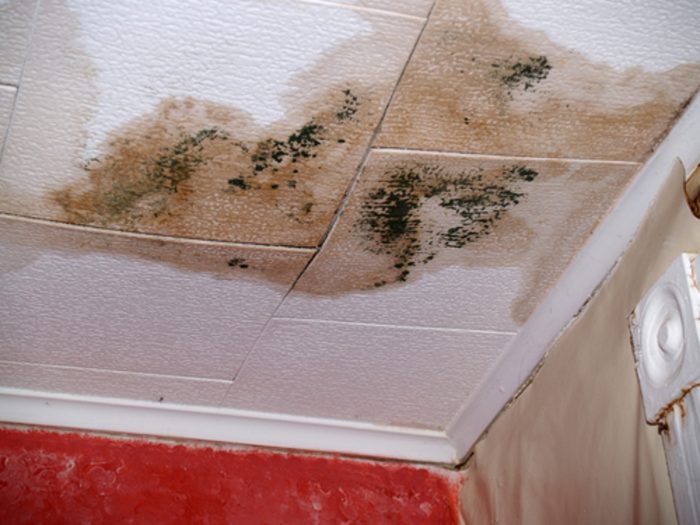
Mold establishes surprisingly fast, creating serious contamination problems within days. The critical mold growth timeline speed window occurs within 24-48 hours after moisture exposure, when mold colonization begins rapidly. Once established, mold growth timeline speed accelerates exponentially, with visible colonies appearing within 1-2 weeks. Environmental factors, including humidity, temperature, organic food sources, and darkness, dramatically affect the rate of mold spread, determining whether problems remain minor or escalate into extensive contamination. Understanding this timeline underscores why rapid response is essential, preventing health hazards and property damage that would require extensive professional remediation.
Mold Growth Timeline: Understanding How Quickly Contamination Establishes
You discover water damage in your basement Friday evening.
The situation seems manageable. You plan to address it over the weekend. By the following Wednesday, you notice a musty smell. By Friday, dark spots appear on affected drywall.
This isn’t coincidence or imagination. You’re witnessing mold growth timeline speed in real time. What seemed like a minor water problem transformed into visible contamination within one week. Understanding how fast this process happens explains why professionals emphasize rapid response.
The mold growth timeline speed surprises most homeowners. What takes months for other problems develops in days with mold. The microscopic to visible progression happens faster than people expect. This acceleration explains why water damage professionals stress 24-48-hour response windows.
For professional assessment determining mold growth timeline speed in your property, call PuroClean of Burlington at (262) 342-2226 for expert evaluation and rapid remediation.
I’ve seen countless situations where homeowners underestimated mold growth timeline speed. They planned cleanup for “next weekend,” discovering extensive contamination by then. They waited for water to “dry naturally,” watching colonies establish invisibly. The consistent pattern reveals that understanding mold growth timeline speed motivates appropriate urgency.
This guide explains what actually happens during mold growth timeline speed and why rapid response prevents disaster.
The Critical 24-48 Hour Window: When Mold Growth Timeline Speed Begins
When does mold actually establish after water exposure?
Answer: Mold colonization begins within 24-48 hours after moisture exposure when conditions support growth. This critical mold growth timeline speed window represents when prevention still proves possible. Rapid response within this window prevents colonization. Delayed response beyond 48 hours typically allows establishment, enabling rapid spread requiring extensive remediation.
The first two days prove absolutely critical.
Spore germination requirements:
Mold spores require three conditions for establishment: moisture, organic food sources, and darkness. Most homes contain spores and organic materials. Water exposure provides the moisture trigger. Within hours, germination begins, requiring professional intervention to prevent colonization.
According to the EPA, mold colonization typically begins within 24-48 hours. This narrow window explains urgency in professional response timelines.
Mycelium network establishment:
Once germination begins, mycelium networks begin developing. These root systems establish within materials during the first 24-48 hours. Once mycelium anchors into materials, removal becomes far more difficult. Early intervention prevents root establishment.
Spore proliferation:
Once established, new spore production begins. The first generation produces thousands of spores, creating exponential growth potential. Early intervention prevents spore proliferation, keeping problems manageable.
Environmental conditions:
Humidity above 50%, temperatures between 40 and 100 degrees Fahrenheit, and organic materials support rapid growth. Home conditions typically support all requirements, creating ideal colonization environments. Rapid mold growth timeline speed results from ideal indoor conditions.
Darkness advantage:
Darkness supports mold growth. Hidden growth in walls, crawl spaces, and cavities establishes rapidly without visual detection. This hidden establishment enables extensive contamination before discovery.
The 24-48 hour window represents a critical intervention opportunity during the mold growth timeline’s speed.
Week One: Visible Colonization and Rapid Expansion Phase
What happens during the first week of the mold growth timeline?
Answer: Visible mold colonies appear within 7-14 days as mycelium networks produce visible fruiting bodies. Growth accelerates rapidly as established colonies expand. By week two, contamination is typically visible on surfaces. This visible phase represents advanced establishment where hidden contamination often exceeds visible growth.
Visible growth marks advanced establishment during the mold growth timeline.
Visible colony appearance:
Dark spots, fuzzy growth, or discoloration appear as mycelium producing visible fruiting bodies. Visible growth represents millions of organisms already established. Visible contamination indicates extensive hidden growth likely exists within materials.
Rapid expansion:
Established colonies expand outward, consuming adjacent materials. Growth spreads horizontally across surfaces and vertically through materials. Weekly growth increases dramatically as colonies mature.
Spore release acceleration:
Mature colonies release massive spore quantities. These airborne spores settle on adjacent surfaces, establishing satellite colonies. Spore spread creates multiple contamination sources from a single original location.
Environmental enrichment:
Decomposing organic materials from mold metabolism create ideal conditions supporting expansion. Dead cells and organic byproducts feed subsequent generations, enabling exponential growth.
Hidden advancement:
While visible growth appears on surfaces, hidden contamination within materials advances faster. Wall cavities, insulation, and structural spaces contain extensive hidden growth invisible during visual inspection.
Moisture distribution:
Initial water source moisture spreads through materials, providing water for distant contamination. Moisture migration enables growth at locations far from the original water source.
Visible growth during week one indicates extensive hidden advancement during the mold growth timeline speed.
Weeks Two Through Four: Exponential Growth and Spread Escalation
What acceleration occurs during weeks two through four?
Answer: During weeks two through four, established contamination expands exponentially, affecting significantly larger areas. Multiple satellite colonies develop from spore spread. Hidden contamination reaches advanced stages. This period determines whether problems become manageable or require extensive professional remediation. Early intervention before this phase proves far superior to delayed response.
Exponential expansion characterizes this mold growth timeline speed phase.
Exponential colony multiplication:
Single contamination sources produce thousands of satellite colonies. Each new colony produces additional spores, creating cascading colonization. Growth accelerates exponentially rather than linearly.
HVAC system contamination:
Airborne spores traveling through ventilation systems contaminate ductwork, filters, and internal components. HVAC contamination distributes contamination throughout entire homes, affecting all occupants. System cleaning becomes necessary, preventing recirculation.
Multiple material types affected:
Initial single-material contamination spreads to diverse materials, including drywall, insulation, wood framing, flooring, and carpet. A variety of substrates support diverse mold species establishing themselves simultaneously.
Structural material damage:
Wood framing and structural materials develop early rot signs. Moisture saturation enables decay organism establishment. Structural compromises begin even though damage remains invisible internally.
Air quality deterioration:
Spore concentrations increase dramatically. Occupant health symptoms worsen. Respiratory problems, allergies, and asthma activation intensify as spore exposure increases.
Odor intensification:
Volatile organic compounds from mold metabolism accumulate, creating stronger characteristic smells. Odor concentration marks advanced contamination.
Hidden extent discovery:
Professional inspection during this phase typically reveals hidden contamination far exceeding visual estimates. Wall cavities, structural spaces, and concealed areas contain extensive growth.
Exponential spread during weeks two through four marks an advanced mold growth timeline speed requiring extensive remediation.
Beyond One Month: Extensive Contamination and Advanced Damage
What happens after one month of unaddressed mold growth timeline speed?
Answer: Beyond one month, contamination typically becomes extensive, affecting substantial property areas. Structural damage progresses, creating repair requirements. Health consequences intensify. Hidden contamination reaches advanced stages. Properties require major professional remediation. This advanced phase represents failure points where homeowners recognize severity too late for simple solutions.
Extended mold growth timeline speed creates major problems requiring extensive remediation.
Structural deterioration:
Wood framing develops advanced rot. Load-bearing capacity is compromised. Structural safety concerns emerge. Structural repair requirements dramatically increase costs.
Material replacement necessity:
Contaminated materials require complete removal rather than surface treatment. Drywall, insulation, flooring, and fixtures need replacement. Material removal becomes necessary rather than optional.
Widespread contamination:
Growth affects multiple building areas. Basements, crawl spaces, walls, attics, and HVAC systems contain contamination. Comprehensive remediation addressing all areas becomes necessary.
Health consequence severity:
Occupant health symptoms progress to serious levels. Respiratory damage, allergic sensitization, asthma complications, and immune suppression develop. Medical treatment becomes necessary. Some occupants may require temporary relocation.
Remediation cost escalation:
Projects requiring weeks or months of professional work cost substantially more than early intervention. Extensive material removal, structural repair, and restoration compound expenses.
Property value impact:
Extensive damage affects property values. Disclosure requirements affect marketability. Lender requirements for remediation before financing emerge.
Difficulty management:
Advanced contamination proves difficult to manage through professional remediation. Comprehensive procedures require extended timelines and significant investment.
Extended mold growth timeline speed creates serious consequences, requiring major remediation investment.
Factors Affecting Mold Growth Timeline Speed and Spread Rate
What conditions accelerate mold growth timeline speed?
Answer: Humidity above 50%, warm temperatures, organic food sources, darkness, poor ventilation, water damage, and condensation all accelerate growth. Multiple factors combining create ideal conditions supporting rapid spread. Understanding these factors helps predict contamination risk and guide prevention strategies.
Multiple factors determine the speed of an individual mold growth timeline.
Humidity levels:
Humidity above 50% dramatically accelerates growth. Humidity above 65% creates ideal conditions for rapid colonization. Wisconsin’s humidity patterns support faster-than-average growth compared to dry climates.
Temperature conditions:
Temperatures between 50 and 90 degrees Fahrenheit support optimal growth. Room temperature homes provide ideal conditions. Even cool basements support growth at slower rates.
Organic food sources:
Cellulose in wood, drywall, paper, and plant materials provides food. Homes contain abundant organic substrates. Varied organic materials support multiple mold species simultaneously.
Darkness:
Darkness supports growth. Daylight exposure suppresses some species. Hidden areas enable faster growth than exposed surfaces.
Water availability:
Free-standing water enables the fastest growth. Absorbed moisture in materials supports rapid spread. High humidity without visible water still enables growth.
Air circulation:
Poor ventilation traps moisture, supporting growth. Stagnant air enables moisture accumulation. Proper ventilation reduces moisture, supporting growth prevention.
Darkness combination:
Hidden areas combining darkness, moisture, and organic materials enable undetected rapid growth. Wall cavities and structural spaces enable the fastest expansion.
Multiple factors combine to create dramatic mold growth timeline speed variations between properties.
Why Rapid Response During Mold Growth Timeline Speed Prevents Disaster
How does responding quickly prevent extensive contamination?
Answer: Rapid response within 24-48 hours prevents colonization from stopping establishment. Early response limits contamination to single locations, preventing spread. Professional intervention prevents spore dispersal, containing problems. Rapid action dramatically reduces remediation scope, cost, and property impact compared to delayed response.
Understanding mold growth timeline speed emphasizes response urgency.
Prevention versus remediation:
Preventing colonization costs far less than remediating established contamination. Rapid response represents the best investment in preventing expensive problems.
Limited scope:
Early intervention prevents spread, limiting contamination to original locations. Contained problems require less extensive professional work.
Structural protection:
Rapid drying prevents water penetration deep into materials. Structural damage prevention protects property value and integrity.
Health protection:
Preventing colonization prevents occupant exposure to spores and toxins. Health protection proves invaluable compared to treating contamination-related illness.
Simpler restoration:
Early intervention typically requires simple water removal and drying. Advanced contamination requires material removal and reconstruction.
Cost savings:
Early response preventing extensive contamination saves thousands in remediation expenses. Professional water damage response proves a cost-effective investment.
Timeline advantage:
Rapid response enables faster recovery. Contamination is prevented within days of water exposure. Property occupancy restoration occurs quickly.
Rapid response understanding of the mold growth timeline speed prevents disaster.
Professional Assessment of Mold Growth Timeline Speed in Your Home
How do professionals assess contamination extent and growth stage?
Answer: Professionals use visual inspection, moisture meters, air quality testing, thermal imaging, and boroscope examination to assess mold growth timeline, speed, stage, and contamination extent. Assessment determines remediation scope and timeline. Professional expertise identifies hidden contamination standard inspection cannot detect.
Professional assessment determines the actual mold growth timeline and speed stage.
Visual inspection:
Professional inspection identifies visible growth and damage patterns, suggesting growth stage. Experience recognizing patterns guides assessment.
Moisture meter testing:
Testing identifies moisture within materials, suggesting growth. Moisture presence confirms ongoing conditions supporting colonization.
Air quality analysis:
Spore counting determines contamination severity. Elevated spore counts indicate established contamination and an advanced growth stage.
Thermal imaging:
Temperature anomalies indicate moisture concentration supporting mold growth. Imaging reveals hidden moisture patterns suggesting contamination locations.
Boroscope examination:
Small cameras inserted through minimal holes examine wall cavities and hidden spaces, revealing growth. Visual confirmation determines hidden contamination extent.
Odor assessment:
Professional assessment of odor intensity suggests mold growth timeline, speed, and stage. Stronger odors indicate advanced colonization.
Pattern analysis:
Professional experience recognizing patterns determines probable contamination age and extent. Pattern assessment guides remediation planning.
Professional assessment determines actual mold growth timeline, speed, and stage, enabling appropriate response.
Frequently Asked Questions About Mold Growth Timeline Speed
Can mold really establish within 24 hours?
Yes. Mold spores germinate within hours under ideal conditions. Mycelium network establishment begins within 24-48 hours. Colonization truly begins incredibly fast, requiring rapid response. Professional intervention within this window prevents establishment.
How can I prevent the rapid mold growth timeline speed?
Address water damage immediately within 24 hours. Dry affected areas within 48 hours. Maintain humidity below 50% through ventilation and dehumidifiers. Fix plumbing leaks promptly. Clean gutters to prevent water damage. Professional inspection following water damage prevents hidden contamination. Moisture control proves the most effective prevention.
Does mold growth timeline speed vary by mold species?
Yes. Different species colonize at different rates. Some establish within 24 hours. Others require several days. Temperature and humidity variations affect species-specific growth rates. Professional assessment identifies species affecting response urgency.
Can I speed up the mold growth timeline with household cleaning?
No. Household cleaning cannot prevent established colonization. Only rapid professional water removal and drying prevent establishment. Once colonization begins, extensive professional remediation becomes necessary. Prevention through rapid response proves far superior to attempting household management.
How do seasonal changes affect mold growth timeline speed?
Summer humidity accelerates growth. Winter cold slows growth but doesn’t prevent it. Spring moisture enables rapid spread. Fall conditions vary regionally. Year-round vigilance proves necessary. Professional moisture control maintains conditions preventing growth regardless of season.
What warning signs indicate rapid mold growth timeline speed?
Musty odors intensifying quickly indicate active growth. Visible growth expanding within days suggests rapid colonization. Health symptoms appearing or worsening indicate exposure escalation. Water stains spreading or darkening suggest ongoing moisture. Soft spots in walls indicate advanced saturation. Any of these warrant immediate professional assessment.
Should I attempt cleanup if I notice early signs during the mold growth timeline?
No. Professional assessment determines actual contamination extent, guiding appropriate response. Household attempts during early stages spread spores, creating additional problems. Professional intervention ensures proper procedures, preventing complications.
Does professional remediation prevent mold growth timeline speed recurrence?
Yes. Professional remediation addresses moisture sources, preventing recurring conditions. Complete material removal prevents regrowth. Structural drying prevents moisture, enabling new growth. Professional solutions provide lasting prevention when properly addressing underlying causes.
Professional Mold Remediation Services

PuroClean of Burlington provides rapid response:
✓ 24/7 Emergency Response within 24 hours
✓ Rapid Water Extraction preventing colonization
✓ Professional Assessment determining mold growth timeline, speed, and stage
✓ Immediate Mitigation preventing escalation
✓ Complete structural drying, ensuring thorough moisture removal
✓ Contamination Remediation addressing established growth
✓ Moisture Source Elimination preventing recurrence
✓ Verification Testing confirming remediation success
Related Professional Services:
Professional Mold Removal Services
Water Damage Restoration
Water Leak Detection
Emergency 24/7 Response
Worried About Mold Growth Timeline Speed in Your Home?
Get Professional Assessment and Rapid Remediation
☎️ CALL: (262) 342-2226
24-Hour Response | Expert Assessment | Complete Solutions
Professional Prevention Throughout Wisconsin & Illinois
Summary: Understanding Mold Growth Timeline Speed Motivates Action
Mold establishes itself with surprising speed, creating serious contamination within days. The critical 24-48 hour window following water exposure determines whether prevention remains possible or colonization begins. Visible growth appearing within 1-2 weeks marks advanced establishment where hidden contamination often exceeds visible growth. Beyond one month, extensive contamination typically requires major professional remediation.
Understanding the mold growth timeline speed emphasizes why professionals stress rapid response. Delayed action enables colonization, spore dispersal, structural damage, and health consequences, escalating the remediation scope dramatically. Multiple factors, including humidity, temperature, organic materials, and darkness, accelerate growth in Wisconsin homes.
Professional rapid response preventing colonization proves far superior to managing established contamination. Early intervention containing problems within original locations limits the work required. Rapid drying preventing deep moisture penetration protects structural integrity. Health protection through preventing occupant exposure proves invaluable.
When water damage affects your property, contact professional specialists at PuroClean of Burlington (262) 342-2226 for an immediate rapid response, preventing mold colonization and extensive contamination throughout all Wisconsin and Illinois service areas.