


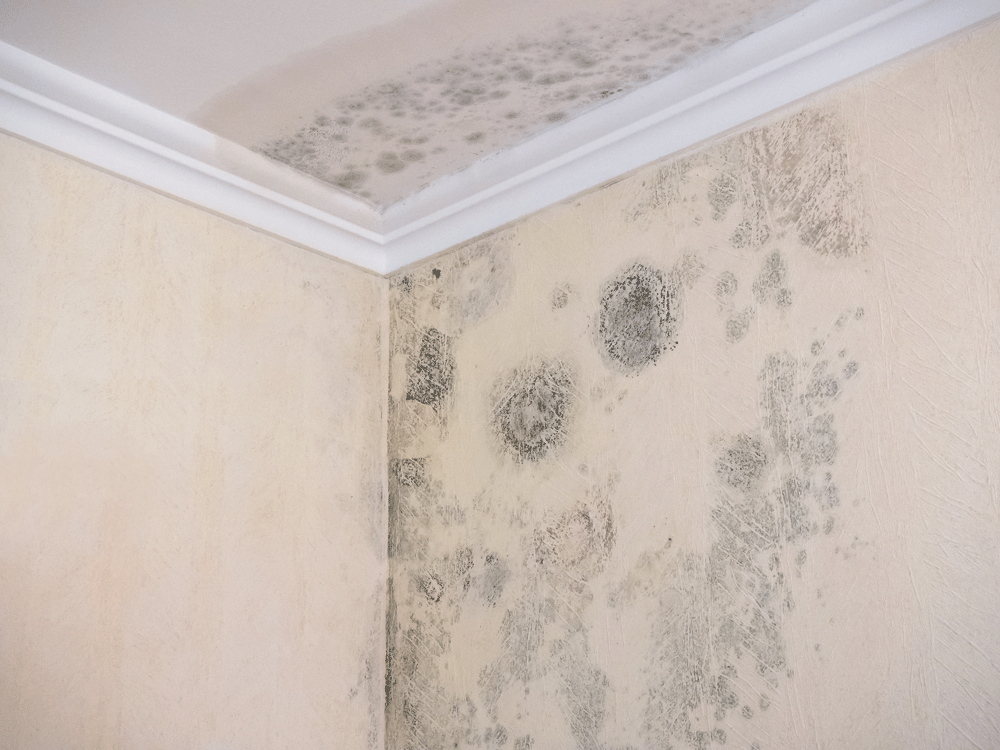
When bleach application creates additional problems beyond original contamination, professional mold restoration becomes essential to address cascading damage. Bleach introduction of moisture causes structural saturation, spreading contamination to previously unaffected areas and enabling continued mold growth despite treatment efforts. Professional mold restoration assesses complete damage scope, including hidden problems bleach attempts created; addresses all contamination, including regrowth from surviving root systems; repairs structural damage from moisture introduction; and implements proper solutions preventing recurrence. Understanding why bleach causes problems helps homeowners recognize when professional mold removal expertise proves necessary.
Professional Mold Restoration After Bleach Damage Claims: When DIY Mistakes Require Expert Solutions
You tried everything.
You found mold and immediately grabbed bleach following household cleaning instincts. You sprayed affected areas, watching visible growth disappear. Success, right?
Within days, the smell returned. A week later, new growth appeared. You applied bleach again. The cycle continues while problems actually worsen invisibly behind walls. Now you’re facing structural damage from moisture, contamination spreading to new areas, and health consequences from ongoing exposure.
This frustrating scenario plays out repeatedly. Homeowners attempting budget-friendly DIY mold treatment create expensive professional mold removal situations. What seemed like money-saving attempts cost far more to address bleach-created complications alongside original contamination.
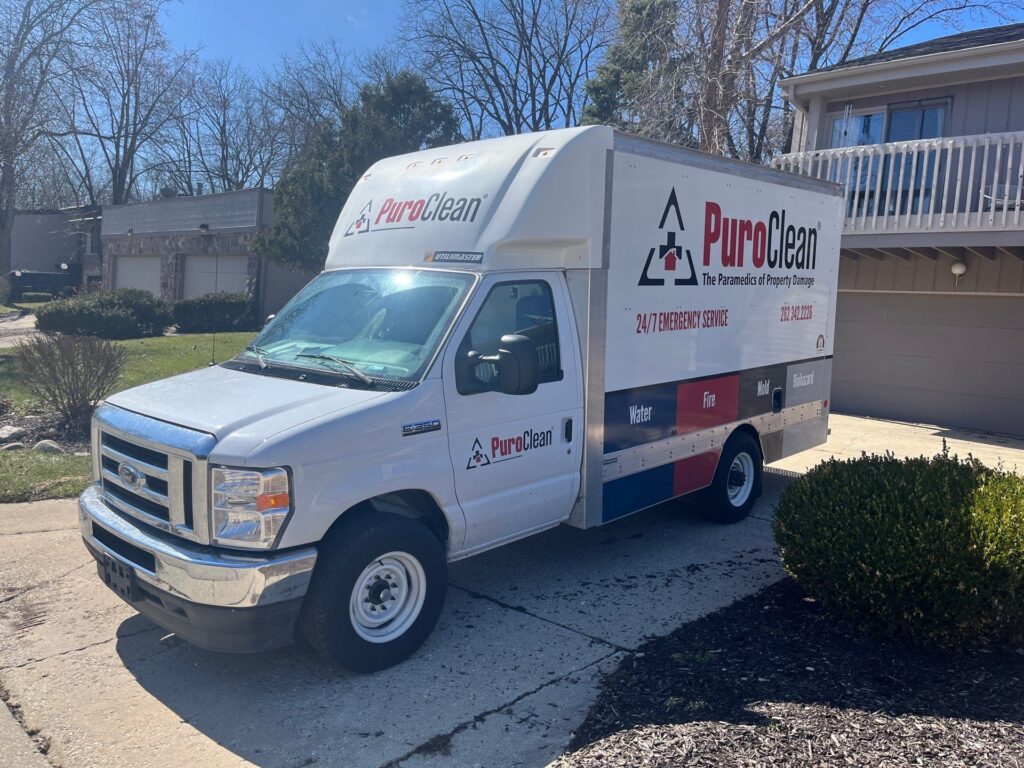
For professional mold removal addressing bleach damage and complete contamination elimination, call PuroClean of Burlington at (262) 342-2226 for expert assessment and proper solutions.
I’ve evaluated countless homes where bleach attempts created secondary problems exceeding original mold damage. Frustrated homeowners thought bleach solved problems while hidden damage progressively worsened. Professional mold removal addressing these situations requires extensive work, reconstructing what bleach application damaged.
This guide explains why bleach creates professional mold removal needs and what proper solutions involve.
How Bleach Application Creates Professional Mold Restoration Problems
Why does bleach damage worsen mold situations requiring professional restoration?
Answer: Bleach solutions containing 90-95% water introduce significant moisture, enabling mold expansion; kill visible growth while leaving mycelium roots, enabling rapid regrowth; spread spores, contaminating additional areas; and damage structural materials, accelerating deterioration. Bleach application creates cascade problems requiring comprehensive professional mold restoration.
Bleach creates multiple professional mold restoration challenges.
Moisture introduction consequences:
Bleach solution and water saturate affected materials, creating ideal conditions for mold expansion. Underground mycelium thrives in moisture-saturated materials. Professional mold restoration must address moisture problems bleach created before addressing original contamination.
Root system survival:
Bleach kills surface mold but cannot penetrate porous materials, reaching mycelium networks. Surviving roots regenerate visible growth within days. This regrowth pattern continues until professional mold restoration removes contaminated materials completely.
Spore dispersal acceleration:
Bleach spray agitation releases millions of spores into the air. These airborne spores contaminate previously unaffected areas, establishing satellite colonies. Professional mold restoration must address contamination spread by bleach application.
Structural material damage:
Bleach solution damages paint, finishes, and structural materials. Water saturation enables rot development. Professional mold restoration often requires more extensive reconstruction than original contamination damage alone.
Moisture migration through structures:
Water from bleach applications travels through materials, spreading contamination to distant locations. Professional mold restoration must address the moisture distribution bleach creates.
Bleach application creates professional mold restoration situations.
Structural Damage From Bleach-Introduced Moisture
What structural problems result from bleach application on mold?
Answer: Water saturation from bleach solution enables wood rot development, weakens load-bearing capacity, damages drywall integrity, compromises insulation effectiveness, and creates foundation moisture problems. Structural damage from bleach application often exceeds original mold damage, requiring extensive professional mold restoration reconstruction.
Bleach-caused structural damage necessitates professional restoration.
Wood rot establishment:
Moisture saturation from bleach application enables rot organism colonization. Wood deteriorates progressively once saturation enables rot development. Professional mold removal requires a complete structural assessment, determining whether members require replacement.
Load-bearing capacity compromise:
Structural weakening from rot reduces load-bearing capacity, endangering occupant safety. Floors, walls, and roof structures rely on intact wood members. Professional mold restoration addressing structural deterioration proves essential for safety.
Drywall deterioration:
Water-saturated drywall loses structural integrity, softening and losing load-bearing capacity. Deteriorated drywall from bleach application requires complete removal and replacement. Professional mold restoration material replacement becomes necessary.
Insulation damage and replacement:
Wet insulation loses R-value effectiveness and compresses from water weight. Damaged insulation requires complete removal and replacement. Professional mold restoration includes insulation assessment and replacement.
Foundation moisture intrusion:
Moisture from bleach application can migrate toward foundations, creating moisture intrusion and foundation damage. Foundation deterioration from professional mold restoration neglect creates serious structural problems.
Expensive restoration requirements:
Structural damage from bleach application often requires extensive professional reconstruction. Repair costs typically exceed professional mold restoration costs for proper original remediation. This illustrates the expensive nature of attempting shortcuts.
Bleach-caused structural damage requires comprehensive professional restoration.
Hidden Contamination Spread From Bleach Application
How does bleach application spread mold contamination?
Answer: Bleach spray agitation releases spores, dispersing throughout homes. Spores travel through HVAC systems, contaminating ductwork and distant locations. Water from bleach enables contamination migration through materials. Professional mold restoration must address contamination spread by bleach application throughout properties.
Bleach disperses contamination rather than eliminating it.
Spore release mechanism:
Spraying bleach on mold disrupts colonies, releasing millions of microscopic spores into the air. These spores remain airborne for hours, traveling through air circulation patterns. Professional mold restoration addressing contamination spread must include HVAC system decontamination.
HVAC system contamination:
Airborne spores from bleach application enter HVAC systems, contaminating ductwork and internal components. Spore-laden air circulates throughout homes, establishing contamination in previously unaffected areas. Professional mold removal requires complete HVAC assessment and cleaning.
Adjacent area colonization:
Spores traveling from bleach application sites settle in new areas, establishing colonies. Bedrooms, living spaces, and other regions become contaminated from original bleach treatment. Professional mold removal addressing spread contamination requires a comprehensive assessment.
Multiple-location establishment:
Bleach application typically results in contamination spreading to multiple locations. Original isolated growth becomes widespread through spore dispersal. Professional mold restoration must address all areas, including those contaminated from bleach treatment.
Hidden area contamination:
Wall cavities, crawl spaces, and structural cavities accumulate spores, establishing hidden growth. Professional mold removal assessment locates hidden contamination spread by bleach application.
Occupant spore exposure:
Released spores from bleach application are inhaled by household members. Spore inhalation creates immediate health consequences beyond original contamination exposure. Professional mold removal preventing continued exposure protects respiratory health.
Bleach application spreads contamination, requiring extensive professional restoration.
Health Consequences From Bleach Application and Continued Mold Exposure
What health risks develop from bleach use and contamination spread?
Answer: Bleach fumes create immediate respiratory damage and chemical exposure consequences. Continued mold exposure from bleach failure creates progressive health effects, including respiratory damage, allergic sensitization, asthma activation, immune suppression, and cognitive effects. Professional mold removal addressing complete contamination protects family health from multiple exposure sources.
Health protection requires professional mold removal.
Bleach fume exposure:
Chlorine gas from bleach produces respiratory damage, allergic reactions, and serious health consequences. Even modest fume exposure creates health effects beyond contamination health risks.
Continued spore exposure:
Bleach failure enabling continued mold growth creates ongoing spore exposure. Progressive health damage develops from extended contamination duration bleach application did not address.
Respiratory system damage:
Repeated spore exposure from bleach failure creates lung inflammation, tissue damage, and breathing difficulties. Persistent respiratory problems indicate continued contamination requiring professional mold removal.
Allergic sensitization progression:
Continuous exposure from bleach failure creates allergic sensitization worsening over time. Allergic symptoms intensifying indicate increasing contamination.
Asthma complications:
Mold exposure triggers asthma in susceptible individuals. Existing asthmatics experience increased attack frequency and severity from bleach failure, enabling continued exposure.
Immune system suppression:
Extended exposure to bleach failure suppresses immune function. Occupants experience increased infection susceptibility and illness duration from immune compromise.
Cognitive and neurological effects:
Mold neurotoxins create memory problems and concentration difficulties. Family members often attribute symptoms to aging or stress rather than environmental exposure continuing from bleach failure.
Professional mold restoration eliminating contamination protects family health from multiple exposure sources.
Why Professional Mold Restoration Proves Superior to Household Approaches
How does professional expertise address damage bleach application creates?
Answer: Professional mold restoration removes contaminated materials, eliminating mycelium networks; implements proper containment, preventing spore spread; addresses structural damage from moisture saturation; handles hidden contamination spread; conducts moisture source elimination; and verifies complete elimination, preventing recurrence. Professional methodology ensures permanent solutions bleach approaches cannot achieve.
Professional expertise ensures complete remediation.
Complete material removal:
Professional mold removal removes all contaminated materials, including those damaged by bleach application. Complete removal eliminates mycelium networks, preventing regrowth from surviving roots.
Proper containment procedures:
Professional containment prevents spore spread during professional mold removal. Barriers and air handling protect unaffected areas from contamination expansion.
Structural damage assessment:
Professional mold removal identifies structural deterioration from bleach-introduced moisture. Damaged members require replacement, restoring load-bearing capacity and safety.
Hidden contamination location:
Professional mold removal assessment locates contamination spread by bleach application. Comprehensive professional evaluation finds satellite colonies established from spore dispersal.
Moisture source identification:
Professional mold restoration determines whether original moisture sources or bleach-introduced water caused problems. Proper diagnosis guides appropriate solutions.
Complete decontamination:
Remaining surfaces receive antimicrobial treatment from professional mold removal. Professional treatment ensures pathogenic elimination.
Verification testing:
Air quality testing confirms professional mold removal success. Professional verification ensures safe conditions before occupancy restoration.
Professional expertise addresses complete damage from bleach.
Insurance Claims and Documentation Support
How does professional mold restoration support insurance coverage for bleach damage?
Answer: Professional documentation detailing bleach damage, contamination assessment, structural damage identification, and remediation procedures supports insurance claims. Professional evidence demonstrates why professional mold restoration became necessary after failed DIY attempts.
Professional documentation supports claim approval.
Damage assessment reports:
Professional mold removal documentation details contamination extent, bleach-caused damage, and structural problems. Comprehensive reports explain remediation necessity.
Photographic evidence:
Before, during, and after photography from professional mold removal shows damage bleach created and proper restoration procedures. Visual documentation demonstrates problems and solutions.
Structural damage documentation:
Professional mold restoration identifies and documents structural deterioration from bleach-introduced moisture. Damage assessment justifies reconstruction necessity.
Contamination spread evidence:
Professional mold restoration documentation showing contamination spread from bleach application supports claim justification for expanded remediation scope beyond original mold.
Timeline documentation:
Professional mold restoration creates records showing bleach application failure and subsequent professional intervention. Timeline evidence demonstrates claim justification.
Professional documentation enables insurance claim approval for professional mold restoration.
Frequently Asked Questions About Professional Mold Restoration After Bleach Attempts
Can homeowners pursue insurance claims for damage caused by bleach application?
Coverage depends on individual policies and circumstances. Some policies include coverage for property damage from inappropriate treatment. Professional mold restoration documentation supports claim justification. Contact insurance providers to discuss specific situations.
How long does professional mold restoration take after bleach damage?
Timeline depends on bleach-caused damage extent. Minor bleach damage might require weeks. Extensive structural damage requires months. Professional mold restoration assessment determines realistic timelines.
Should homeowners attempt cleanup before professional mold restoration arrives?
No. Professional assessment determines actual damage extent, guiding appropriate professional mold restoration scope. Household attempts during professional mold restoration preparation spread contamination. Wait for professional guidance.
Can professional mold restoration prevent problems bleach application causes?
Professional mold restoration addressing complete contamination, structural damage, and moisture problems prevents recurrence. Proper solutions prevent bleach failure patterns.
What costs does professional mold restoration typically involve after bleach damage?
Costs vary by damage extent. Professional mold restoration addressing structural damage costs substantially more than addressing original contamination alone. Professional assessment determines specific pricing.
How do I know if professional mold restoration is necessary after bleach attempts?
Mold regrowth, worsening odors, health symptoms, visible moisture, or structural damage all indicate the necessity of professional mold removal. Any concerns warrant professional assessment.
Can professional mold restoration repair structural damage bleach caused?
Yes. Professional mold restoration includes structural repair addressing deterioration from bleach-introduced moisture. Damaged materials require professional replacement.
Does professional mold restoration address spore spread from bleach application?
Yes. Professional mold restoration assessment identifies contamination spread by bleach. Professional remediation addresses all affected areas, including satellite colonies.
Professional Mold Restoration Services

PuroClean of Burlington provides expert recovery solutions:
✓ Damage Assessment: identifying bleach-caused problems
✓ Complete Contamination Removal addressing all affected areas
✓ Structural Damage Repairing and restoring integrity
✓ Moisture Management: preventing recurrence
✓ Hidden Contamination Location: finding spread areas
✓ Professional Decontamination ensuring safety
✓ Verification Testing confirming restoration success
✓ Insurance Documentation supporting claims
✓ Health Protection through proper procedures
Related Professional Services:
Professional Mold Removal Services
Water Damage Restoration
Professional Inspection Services
Emergency 24/7 Response
Bleach Damage Claims Requiring Professional Restoration?
Get Expert Assessment and Complete Professional Mold Restoration
☎️ CALL: (262) 342-2226
Expert Solutions | Complete Remediation | Insurance Support
Professional Restoration Throughout Wisconsin & Illinois
Summary: Professional Mold Restoration Addresses Bleach-Caused Complications
Bleach application on mold creates professional mold restoration situations through moisture introduction, contamination spread, structural damage, and health consequences. Bleach fails to address complete contamination, killing only surface growth while mycelium roots enable rapid regrowth. Spore dispersal from bleach spray contaminates additional property areas, establishing satellite colonies.
Professional mold restoration addressing bleach-caused damage requires complete material removal, structural damage repair, hidden contamination location, moisture management, and proper decontamination. Professional expertise ensures permanent solutions bleach approaches cannot achieve.
Insurance claims following bleach damage failure require professional documentation demonstrating necessity and scope. Professional assessment determines damage extent, guiding appropriate claim justification.
When bleach attempts create additional problems beyond original contamination, contact professional mold restoration specialists at PuroClean of Burlington (262) 342-2226 for expert assessment and complete restoration throughout Wisconsin and Illinois communities.
PuroClean of Burlington 📞 Call Now: (262) 342-2226 🕒 Available 24/7—because disasters don’t wait.
🔗 Quick Links: Instagram | Google Reviews & Directions | Facebook | Pinterest