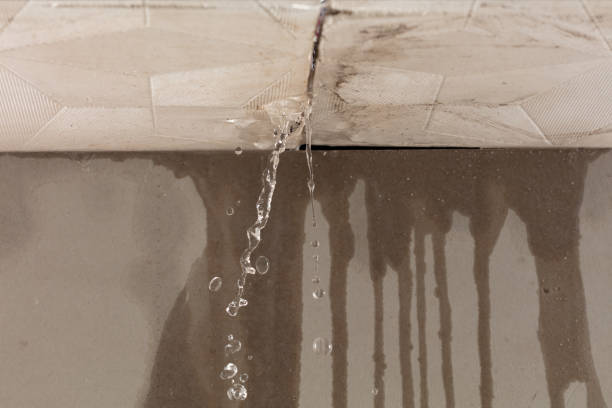
Residential water damage restoration succeeds or fails based on five things. First, speed matters because mold can begin colonizing within 24 to 48 hours. Second, the type of water (clean, gray, or black) determines how you must handle the job. Third, real drying requires commercial equipment and moisture meters, not just fans and towels. Fourth, prompt documentation and a restoration team experienced with carrier requirements make insurance claims go more smoothly. Fifth, preventing mold and finding the root cause protects your home long after the water is gone. Knowing these five points helps you make better decisions during a stressful emergency.
Residential Water Damage Restoration: What You Wish You Knew Before It Happened
Nobody studies water damage until it is standing in their living room.
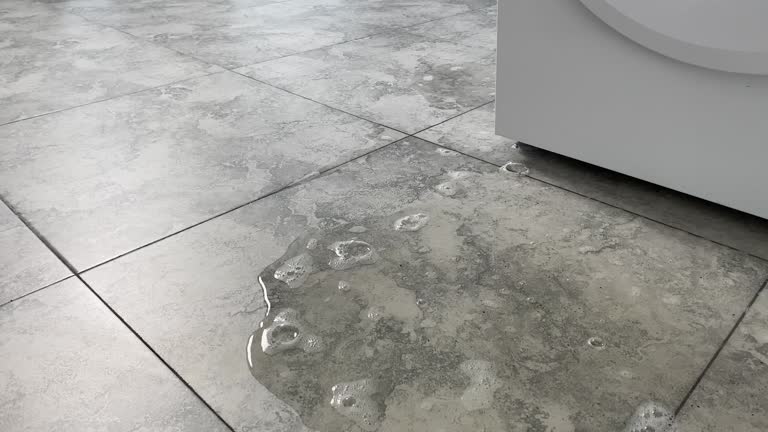
A pipe bursts, a water heater fails, a storm pushes water through the foundation. Suddenly, you are making fast decisions about something you have never dealt with. Who do you call? What can you do yourself? How much of this will insurance handle?
Residential water damage restoration is a process with real science behind it, and a few key facts can make a big difference in how your situation turns out.
For professional residential water damage restoration throughout Wisconsin and Illinois, call PuroClean of Burlington at (262) 342-2226. We respond 24/7.
I have worked with many homeowners in the middle of this experience. The ones who feel most in control are the ones who understand these five things.
1. Speed Matters More Than Almost Anything Else
Why is timing so important in residential water damage restoration?
Answer: Water spreads, soaks deeper into materials, and creates the conditions for mold within 24 to 48 hours. Fast residential water damage restoration limits how much of your home is affected and often keeps a manageable loss from becoming a major reconstruction project.
Every hour changes the scope of the job.
What happens in the first day:
Water wicks upward into drywall, travels under flooring, and soaks insulation. According to the EPA, mold growth can begin within 24 to 48 hours when moisture is present.
Why waiting backfires:
Waiting until morning or comparing multiple quotes for a day often turns a drying job into a tear-out job. Our article on emergency restoration services explains the timeline in detail.
What you can do right away:
Stop the water source if safe, avoid electrical hazards, photograph the damage, and call a professional. Our guide on water damage restoration near me covers those first steps.
2. The Type of Water Changes Everything
How do water damage categories affect residential water damage restoration?
Answer: Restoration professionals classify water as Category 1 (clean), Category 2 (gray), or Category 3 (black). The category determines what protective equipment is needed, which materials can be saved, and how the area must be cleaned and disinfected.
Not all water damage is the same job.
Category 1: clean water
Water from supply lines, faucets, or appliance malfunctions starts clean. It can degrade into a higher category if left standing.
Category 2: gray water
Water from dishwashers, washing machines, or toilet overflow without feces may carry contaminants and requires more careful handling.
Category 3: black water
Sewage, river or groundwater flooding, and long-standing water are considered grossly contaminated. These losses require protective equipment, removal of porous materials, and disinfection. Our guide on biohazard cleanup after sewage backup explains why.
Why this matters to you:
Time can push clean water into a higher category, which is another reason speed protects your home and your budget.
3. Real Drying Takes Real Equipment
What does professional drying involve in residential water damage restoration?
Answer: Professional drying combines water extraction, commercial dehumidifiers, high-velocity air movers, and moisture meters. Technicians monitor readings daily and remove equipment only when materials reach target dryness levels, which is why drying commonly takes several days.
Dry to the touch is not the same as dry.
The equipment difference:
Commercial dehumidifiers remove far more moisture than household units, and air movers are positioned to drive moisture out of walls and flooring rather than just stirring air.
Moisture mapping:
Moisture meters and thermal imaging find water behind walls and under floors that you cannot see, so the whole affected area gets treated.
Why monitoring matters:
Daily readings let technicians adjust equipment and confirm the job is complete. Our guide on basement water removal in Burlington walks through this sequence step by step.
What to expect at home:
Equipment will be loud and will run around the clock for a few days. That is normal and a sign the drying is being done properly.
4. Insurance Works Better With Good Documentation
How does insurance fit into residential water damage restoration?
Answer: Most homeowners policies cover sudden and accidental water damage, such as a burst pipe, but often exclude gradual leaks, flooding from groundwater, or sewer backup unless you have added coverage. Prompt photos, moisture records, and detailed reports help your claim move smoothly.
Coverage depends on your policy and the cause.
Sudden versus gradual:
Sudden events are more commonly covered than long-term seepage from deferred maintenance. Check your policy language, and ask your agent about water backup endorsements.
Your duty to limit damage:
Many policies expect you to take reasonable steps to prevent further damage. Calling a restoration company promptly helps show you did.
What documentation helps:
Initial photos, a timeline of events, moisture readings, equipment logs, and itemized contents lists all support your claim.
Working with your carrier:
An experienced restoration team can communicate directly with your adjuster and provide the reports carriers expect. Final coverage decisions always rest with your insurance company.
5. Preventing Mold and Fixing the Root Cause Protects Your Home
What should happen after the water is gone in residential water damage restoration?
Answer: A complete job includes antimicrobial treatment where appropriate, verification that materials are dry, and identification of the root cause, whether a failed pipe, appliance, roof, or drainage problem. Without this, moisture and mold can return.
The job is not finished until the cause is addressed.
Mold prevention:
Thorough drying is your best defense, and antimicrobial treatment adds protection while materials dry. If you notice musty odors afterward, our guide on what does mold smell like can help you recognize the warning sign.
Finding the source:
Replacing a failed supply line or fixing a sump pump keeps the loss from repeating. For drainage-related flooding, see our article on clogged gutters leading to basement flood.
Watching for hidden problems:
Soft spots, stains, and rising water bills can signal leftover or ongoing moisture. Our guide on hidden water damage signs covers what to monitor.
Frequently Asked Questions About Residential Water Damage Restoration
How long does residential water damage restoration take?
Extraction happens within hours, and drying usually takes three to five days. Repairs and rebuilding, if needed, add time depending on the extent of damage.
Can I do residential water damage restoration myself?
Very small, clean-water spills may be manageable. Anything involving significant water, hidden moisture, or contaminated water should be handled by professionals.
Will my homeowners insurance cover it?
It depends on your policy and the cause. Sudden events are more commonly covered. Ask your insurer about specifics.
Do I need to move out during restoration?
Often not for clean-water losses. Contaminated water or extensive damage may require temporary relocation.
What if I find mold afterward?
Contact a professional right away. Our team can test and remediate safely, and moisture should be corrected first.
How do I choose a restoration company?
Look for IICRC certification, true 24/7 response, commercial equipment, moisture documentation, and insurance experience.
Professional Residential Water Damage Restoration
PuroClean of Burlington provides:
✓ 24/7 Emergency Response
✓ Commercial Water Extraction
✓ Structural Drying and Moisture Monitoring
✓ Antimicrobial Mold Prevention
✓ Contents Salvage and Cleaning
✓ Insurance Documentation and Coordination
✓ IICRC Certified Technicians
We serve all Wisconsin and Illinois communities, including: Kenosha, Racine, Walworth, Milwaukee, Waukesha, Ozaukee, Washington, Rock, Dane, and Jefferson Counties, plus Lake, McHenry, Boone, and Winnebago Counties in Illinois.
Related Services:
Water Damage in Your Home?
Get Professional Residential Water Damage Restoration Now
☎️ CALL: (262) 342-2226
24/7 Response | IICRC Certified | Insurance Coordination
Serving All Wisconsin & Illinois Communities
Summary: Residential Water Damage Restoration Comes Down to Five Essentials
Act fast, understand the water category, insist on real drying with moisture verification, document everything for your insurance claim, and finish by preventing mold and fixing the root cause. Homeowners who know these five things make calmer, better decisions during a loss.
If water has found its way into your home, call PuroClean of Burlington at (262) 342-2226 for residential water damage restoration throughout Burlington and all surrounding service areas.
PuroClean of Burlington 📞 Call Now: (262) 342-2226 🕒 Available 24/7 — Because disasters don’t wait.
🔗 Quick Links: Instagram | Google Reviews & Directions | Facebook | Pinterest