


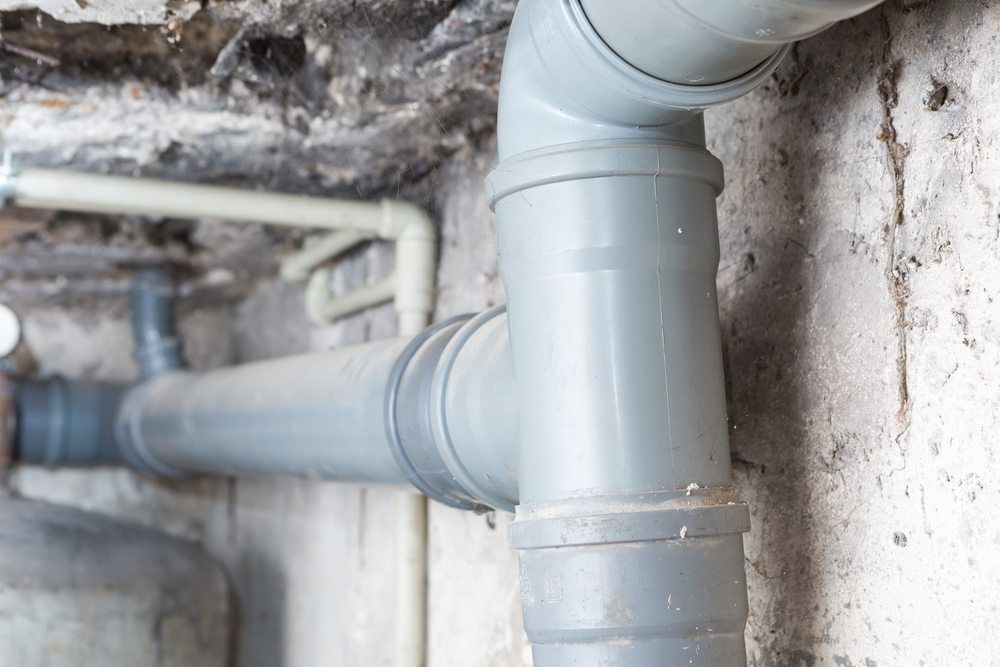
Sewage Backup Cleanup Emergency Response
Sewage backup cleanup emergencies demand immediate action through seven critical steps: (1) evacuate affected areas, preventing occupant exposure to dangerous pathogens; (2) shut off water supplies at main valves, preventing additional sewage intrusion; (3) Contact emergency professionals immediately initiating professional sewage backup cleanup; (4) Document damage thoroughly with photographs supporting insurance claims; (5) implement temporary containment preventing contamination spread to unaffected areas;
(6) Coordinate with professional biohazard specialists, ensuring proper category 3 water remediation following Wisconsin regulations; and (7) plan complete restoration addressing structural damage and decontamination, with sewage backup cleanup requiring certified professionals trained in pathogenic bacteria removal, proper PPE, hazardous waste disposal, and complete decontamination impossible through household approaches throughout Wisconsin and Illinois properties.
Raw sewage backs up into your basement.
The smell is overwhelming. Contaminated water pooling on floors threatens everything. You feel panic setting in, knowing this represents serious contamination requiring an immediate response.
Sewage backup cleanup represents one of the most dangerous property emergencies. Understanding the proper action plan prevents health disasters and ensures an appropriate professional response, protecting your family and property.
For immediate professional sewage backup cleanup serving all southeastern Wisconsin, including Kenosha County, Racine County, Walworth County, Milwaukee County, Waukesha County, and northern Illinois, including Lake County, call PuroClean of Burlington at (262) 342-2226 for 24/7 emergency response.
I have coordinated emergency sewage backup cleanup throughout Burlington, Lake Geneva, Kenosha, Racine, Milwaukee, Antioch, Gurnee, and surrounding communities. The chaos and health threats from sewage backup situations demand a calm, systematic response following this emergency action plan, protecting health and property through professional guidance.
This comprehensive guide provides the emergency action plan for sewage backup cleanup, critical health information, and professional solutions protecting families from biohazard exposure during contamination emergencies.
Because proper sewage backup cleanup response prevents serious health consequences and ensures complete remediation, it meets regulatory standards.
Step 1: Immediate Evacuation from Sewage Backup Contamination
What should I do immediately when sewage backs up?
Answer: Immediately evacuate affected areas and move occupants to uncontaminated zones, prevent any contact with sewage-contaminated materials, close doors containing contamination to prevent spread, and notify all household members of the emergency, with sewage backup cleanup requiring family evacuation until professional remediation is completed, as Category 3 raw sewage contains dangerous pathogens causing serious illness from exposure.
Immediate evacuation proves critical for health protection.
Pathogen exposure dangers:
According to the CDC, raw sewage contains E. coli, hepatitis A, cryptosporidium, and numerous other disease-causing organisms. Even brief skin contact poses infection risks. Inhalation of sewage-contaminated air creates respiratory hazards.
Sewage backup cleanup requiring family evacuation protects occupants from pathogenic exposure during professional remediation.
Vulnerable population protection:
Children, the elderly, pregnant women, and immunocompromised individuals face particularly severe health risks from sewage exposure. Immediate evacuation, protecting vulnerable family members, proves essential during sewage backup cleanup situations.
Properties throughout Pleasant Prairie, Kenosha, or Somers require immediate family removal, ensuring vulnerable members receive protection from biohazard exposure.
Door closure prevents the spread:
Close doors to contaminated areas, preventing sewage-contaminated air from spreading to unaffected zones. This containment slows contamination distribution while awaiting a professional sewage backup cleanup response.
Contaminated material avoidance:
Do not touch contaminated floors, walls, or belongings. Avoid all contact with sewage-contaminated surfaces. Sewage backup cleanup requiring professional handling prevents occupant infection from biohazard exposure.
Documentation during evacuation:
Document where family members relocate, enabling emergency contact during sewage backup cleanup response. Notify emergency services of evacuation locations, ensuring coordination with professional response teams.
Immediate family evacuation during sewage backup cleanup situations protects health from dangerous biohazard exposure.
Step 2: Shut Off the Water Supply to Prevent Sewage Backup Continuation
How do I stop sewage backup water production?
Answer: Locate the main water shut-off valve, typically near water meters or property entrances, and turn off the water supply completely, preventing additional water from entering plumbing systems and supporting continued sewage backup, with the shut-off action preventing overflow and enabling initial containment while professional sewage backup cleanup response prepares for complete remediation.
Water supply shutdown prevents backup continuation.
Main valve location:
Main water shut-off valves are typically installed near property water meters in basements, crawl spaces, or utility areas. Familiarize yourself with valve location before emergencies, enabling rapid shutdown during sewage backup cleanup situations.
Properties throughout Racine, Burlington, or Caledonia should have household members know valve locations, enabling quick action during plumbing emergencies.
Ball valve versus gate valve:
Ball valves turn with quarter-turn handle movement, providing rapid shutdown. Gate valves requiring multiple full turns operate more slowly. Regardless of type, a complete shut-off stops water flow, preventing continued sewage backup.
Secondary shut-offs:
Individual fixture shut-offs near specific plumbing areas enable targeted water stopping. However, the main valve shutdown provides complete water supply elimination during sewage backup cleanup situations.
Confirm complete shut-off:
After valve rotation, check water flow at fixtures, confirming complete shut-off. Continued water flow indicates incomplete closure, requiring additional valve adjustment, ensuring sewage backup cleanup response can proceed with minimal water interference.
Professional plumbing coordination:
After sewage backup cleanup completion, professional plumbers inspect plumbing systems, determining problems causing backup, guiding permanent solutions, and preventing recurrence.
Water supply shutdown, preventing continued sewage intrusion, enables manageable containment during sewage backup cleanup response preparation.
Step 3: Contact Emergency Professionals for Sewage Backup Cleanup
Who do I call for emergency sewage backup cleanup?
Answer: Call professional biohazard and sewage backup cleanup specialists immediately, providing 24/7 emergency response; avoid contacting general water restoration companies lacking biohazard expertise, with certified sewage backup cleanup professionals understanding Category 3 contamination hazards, proper PPE requirements, pathogenic organism disposal protocols, and complete decontamination procedures meeting Wisconsin regulations.
Professional sewage backup cleanup specialists provide essential expertise.
24/7 availability importance:
Sewage backup cleanup emergencies do not wait for business hours. Professional specialists maintaining true 24/7 availability provide an immediate response within 1-2 hours, preventing additional contamination spread and health exposure.
Properties throughout Lake Geneva, Elkhorn, or Walworth County experiencing sewage backup cleanup emergencies require immediate professional response regardless of timing.
Biohazard certification requirements:
Professional sewage backup cleanup specialists must maintain biohazard certification, understanding pathogenic organism handling, proper decontamination protocols, and hazardous waste disposal. This certification ensures appropriate procedures meet OSHA standards.
Emergency hotline utilization:
Maintain professional sewage backup cleanup hotline numbers for immediate access during emergencies. PuroClean of Burlington maintains 24/7 availability at (262) 342-2226, serving all service areas.
Detailed situation communication:
When contacting sewage backup cleanup professionals, describe contamination extent, affected areas, and health concerns, enabling appropriate response preparation with necessary equipment and personnel.
Insurance notification coordination:
Professional sewage backup cleanup specialists coordinate with insurance companies, providing immediate notification supporting claim approval and documentation requirements.
Immediate professional sewage backup cleanup notification initiates emergency response, preventing health disasters during contamination situations.
Step 4: Document Damage for Insurance and Health Authority Reporting
How should I document sewage backup cleanup damage?
Answer: Photograph contaminated areas, document water levels and extent, videotape affected rooms, note health symptoms, record professional communication, and maintain detailed damage inventory supporting insurance claims and health department reporting during sewage backup cleanup, remediation, and coordination.
Documentation protects financial interests and enables regulatory compliance.
Photographic evidence:
Photograph all contaminated areas, clearly showing sewage backup extent and affected materials. Date-stamp photos or maintain detailed written descriptions, enabling timeline documentation during sewage backup cleanup response.
Properties throughout West Allis, Wauwatosa, or Milwaukee County benefit from comprehensive photographic documentation supporting insurance claims.
Damage inventory creation:
List affected belongings, including furniture, electronics, documents, and personal items, with descriptions enabling insurance valuation. Professional sewage backup cleanup contractors assess structural damage, providing repair estimates.
Health symptom recording:
Document any occupant health symptoms, including illness onset timing, symptoms experienced, and medical treatment received. This health documentation supports potential liability claims and occupant protection during sewage backup cleanup situations.
Professional communication retention:
Keep all professional sewage backup cleanup communication, including initial assessment, remediation proposals, and completion reports. This documentation substantiates insurance claims and regulatory compliance.
Insurance company notification:
Contact insurance providers immediately after sewage backup cleanup emergencies, providing documentation supporting claim filing. Prompt notification enables coverage authorization, facilitating professional response.
Comprehensive documentation during sewage backup cleanup situations protects financial interests and enables insurance reimbursement.
Step 5: Implement Temporary Containment to Prevent Spread
How can I contain sewage backup contamination?
Answer: Close contaminated area doors, seal gaps with plastic sheeting and duct tape, prevent occupant movement between contaminated and clean areas, use temporary barriers limiting spread, and place contaminated items in sealed bags until professional sewage backup cleanup removes them, with containment limiting biohazard distribution while awaiting professional remediation.
Temporary containment slows contamination spread.
Door sealing importance:
Seal contaminated room doors, preventing air and moisture movement into unaffected areas. Plastic sheeting across doorways creates basic barriers limiting accidental occupant entry during sewage backup cleanup preparation.
Ventilation prevention:
Do not operate HVAC systems distributing sewage-contaminated air throughout homes during sewage backup cleanup emergencies. System shutdown prevents biohazard dispersion from contaminated zones.
Properties throughout Greenfield, Glendale, or Cudahy should shut down HVAC systems, preventing contamination distribution during sewage backup cleanup response.
Ductwork protection:
If HVAC operates, ensure the contaminated area returns close, preventing sewage-contaminated air from entering systems. Professional sewage backup cleanup specialists address HVAC decontamination if exposure occurs.
Personal protective equipment:
If temporary containment requires entering contaminated areas, wear protective equipment, including gloves, respirators, and full-body coverage, to prevent biohazard exposure during sewage backup cleanup preparation.
Item protection:
Place valuable items away from sewage backup areas. Items in contaminated zones require professional handling during sewage backup cleanup and removal, preventing occupant exposure.
Temporary containment implementation, limiting contamination spread, enables a manageable sewage backup cleanup response.
Step 6: Professional Biohazard Remediation Addressing Category 3 Contamination
What does professional sewage backup cleanup involve?
Answer: Professional sewage backup cleanup includes complete water removal using industrial pumps, material removal of contaminated drywall and insulation, structural decontamination with EPA-registered disinfectants, HVAC system inspection and cleaning if affected, hazardous waste disposal following Wisconsin DNR regulations, complete structural drying preventing secondary mold growth, and verification testing confirming safe conditions for reoccupancy.
Professional sewage backup cleanup ensures complete biohazard remediation.
Industrial water extraction:
Commercial pumping systems rapidly remove thousands of gallons of contaminated sewage, preventing extended saturation. Professional sewage backup cleanup equipment capacity far exceeds household approaches, enabling rapid water removal.
Contaminated material removal:
Drywall, flooring, insulation, and other porous materials contacted by raw sewage require complete removal rather than cleaning. Professional sewage backup cleanup removes contaminated materials by disposing of them through licensed biohazard waste facilities.
Structural decontamination:
Concrete floors and other structural materials receive antimicrobial treatment, eliminating pathogens. Professional sewage backup cleanup using EPA-registered disinfectants ensures pathogenic organism elimination.
HVAC system assessment:
Professional sewage backup cleanup includes HVAC inspection, determining if contaminated air has passed through the systems. Ductwork cleaning and system decontamination prevent future spore distribution if mold growth occurs.
Hazardous waste disposal:
All contaminated materials require proper hazardous waste facility disposal following Wisconsin DNR regulations. Professional sewage backup cleanup coordinates waste transport and disposal, ensuring regulatory compliance.
Complete drying:
Commercial dehumidifiers and air movers ensure complete structural drying below 12% moisture, preventing mold growth from retained moisture. Professional sewage backup cleanup and drying prevent secondary contamination.
Professional sewage backup cleanup, providing complete remediation, ensures pathogenic organism elimination and structural restoration.
Step 7: Plan Complete Restoration After Sewage Backup Cleanup
What restoration follows sewage backup cleanup?
Answer: Restoration after sewage backup cleanup includes drywall replacement, flooring installation, interior painting, HVAC system restoration, content replacement for destroyed items, final verification testing confirming safe reoccupancy, and comprehensive documentation supporting insurance reimbursement, enabling property return to pre-damage conditions.
Complete restoration returns properties to a safe, habitable status.
Structural reconstruction:
New drywall, flooring, and insulation replace contaminated materials removed during sewage backup cleanup. Professional contractors ensure proper installation, meeting code requirements.
Properties throughout Brunswick, Brighton, or Paris require complete structural restoration, returning properties to safe conditions.
HVAC system restoration:
HVAC systems require complete system cleaning and inspection after sewage backup cleanup, ensuring contaminated air cannot be distributed. Cleaned systems resume normal operation, supporting indoor air quality.
Content replacement:
Items destroyed during sewage backup cleanup require replacement through insurance coverage. Professional documentation enables appropriate valuation supporting claim reimbursement.
Interior finishing:
Painting, trim installation, and fixture replacement; complete restoration after sewage backup cleanup; and structural work. Professional contractors ensure quality finishing, restoring the property’s appearance.
Verification testing:
Final air quality and surface testing after sewage backup cleanup confirm safe conditions for reoccupancy. Professional verification documentation provides clearance enabling the family’s return.
Insurance claim finalization:
Comprehensive restoration documentation after sewage backup cleanup supports final insurance claim settlements, enabling reimbursement for complete restoration expenses.
Complete restoration after professional sewage backup cleanup returns properties to safe, habitable conditions.
Health Hazards from Raw Sewage Contamination
What health dangers does sewage backup cleanup present?
Raw sewage presents multiple serious health hazards requiring professional sewage backup cleanup:
Bacterial Pathogens
E. coli, Salmonella, and other bacteria in raw sewage cause serious gastrointestinal illness. Exposure through skin contact or inhalation requires immediate medical attention if infection occurs.
Viral Contamination
Hepatitis A and other viruses present in sewage cause serious illness with extended recovery periods. Viral exposure from sewage backup cleanup situations requires immediate medical evaluation if symptoms develop.
Parasitic Organisms
Cryptosporidium and Giardia in sewage cause severe intestinal problems. These parasites require professional medical treatment and can spread through families if exposure occurs.
Respiratory Hazards
Ammonia and hydrogen sulfide gases in sewage create respiratory damage risks. Inhalation of sewage gases causes breathing problems, pneumonia risks, and long-term respiratory damage.
Mold Secondary Contamination
Moisture from sewage backup creates ideal conditions for mold growth. Secondary mold contamination compounds health hazards requiring additional remediation after sewage backup cleanup.
Professional sewage backup cleanup removes contamination, preventing health hazard exposure to family members.
Frequently Asked Questions: Sewage Backup Cleanup
How quickly does sewage backup cleanup need to happen?
Sewage backup cleanup should begin immediately upon discovery. Every hour, delays allow contamination to spread and pathogenic growth. Professional sewage backup cleanup within 24 hours prevents extended health exposure and additional damage. Longer delays create mold growth from retained moisture, requiring additional remediation after sewage backup cleanup completion.
Can I clean up sewage backup myself?
No, you should never attempt DIY sewage backup cleanup. Raw sewage presents serious health hazards requiring protective equipment, training, and proper disposal methods that only professional specialists possess. DIY sewage backup cleanup attempts risk serious illness and improper remediation, leaving contamination. Professional sewage backup cleanup specialists protect health through proper procedures meeting regulatory standards.
Does insurance cover sewage backup cleanup?
Sewage backup coverage varies by homeowners’ policy. Many policies exclude sewage backup unless specific endorsements exist. Sewer line backup insurance proves rare, requiring special policies. Contact your insurance agent immediately when sewage backup cleanup becomes necessary, discussing available coverage. PuroClean provides documentation supporting sewage backup cleanup insurance claims, maximizing available reimbursement.
What causes sewage backup situations requiring cleanup?
Sewage backup causes include municipal sewer system blockages from debris or tree roots, residential sewer line failures from age or cracking, septic system failures in properties without municipal sewers, and main line obstructions preventing proper drainage. A professional plumbing assessment after sewage backup cleanup determines specific causes, guiding permanent prevention solutions.
How long does sewage backup cleanup take?
Sewage backup cleanup timelines vary with the extent of contamination. Minor situations may be completed in 3-5 days. Extensive contamination requiring structural removal and replacement may take 2-3 weeks. PuroClean provides specific timeline estimates after an initial sewage backup cleanup assessment, understanding restoration urgency.
Will my home be safe after sewage backup cleanup?
Professional sewage backup cleanup ensures complete pathogenic organism elimination through proper decontamination and verification testing. Verification confirms safe reoccupancy. However, addressing the causes preventing future backups proves essential to avoiding recurrence. Professional plumbing assessment and necessary repairs prevent future sewage backup cleanup situations.
What areas does PuroClean serve for sewage backup cleanup?
PuroClean provides sewage backup cleanup throughout southeastern Wisconsin and northern Illinois, including Kenosha County (Kenosha, Pleasant Prairie, Bristol, Somers, and Twin Lakes); Racine County (Racine, Burlington, Caledonia, Mount Pleasant, Sturtevant, Union Grove, and Waterford); Walworth County (Lake Geneva, Elkhorn, Delavan, Whitewater, East Troy, and Williams Bay); Milwaukee County (Milwaukee, West Allis, Wauwatosa, Oak Creek, Franklin, and Greenfield); Waukesha County (Waukesha, Brookfield, New Berlin, Muskego, and Menomonee Falls);
Ozaukee County (Mequon, Cedarburg, Port Washington); Washington County (West Bend, Hartford, and Germantown); Rock County (Janesville, Beloit, and Edgerton); Dane County (Madison, Middleton, and Sun Prairie); Jefferson County (Fort Atkinson, Watertown, and Lake Mills); and Illinois Lake County (Antioch, Gurnee, Grayslake, Waukegan, and Libertyville); McHenry County (Crystal Lake, Algonquin, and McHenry); Boone County (Belvidere and Poplar Grove); and Winnebago County (Rockford, Loves Park, and Machesney Park).
Professional Sewage Backup Cleanup Services
When sewage backup emergencies strike, professional specialists provide expert remediation and complete restoration.
PuroClean of Burlington provides comprehensive sewage backup cleanup services, including:
✓ 24/7 Emergency Response arriving within 1-2 hours ✓ Complete Water Removal using industrial pumping equipment ✓ Contaminated material removal, disposing through licensed facilities ✓ Structural Decontamination with EPA-registered disinfectants ✓ HVAC System Inspection and cleaning if affected ✓ Complete structural drying, preventing mold growth ✓ Comprehensive Restoration: returning homes to pre-damage conditions ✓ Insurance Coordination supporting claim approval and reimbursement
Serving all southeastern Wisconsin and northern Illinois:
Wisconsin: Kenosha County, Racine County, Walworth County, Milwaukee County, Waukesha County, Ozaukee County, Washington County, Rock County, Dane County, Jefferson County
Illinois: Lake County, McHenry County, Boone County, Winnebago County
Why choose PuroClean for sewage backup cleanup:
☣️ Biohazard Certification ensuring proper pathogenic handling ☣️ 24/7 Availability providing emergency response any time ☣️ Complete Solutions from emergency through restoration ☣️ Regulatory Compliance meeting Wisconsin DNR requirements ☣️ Insurance Expertise: Maximizing Claim Reimbursement
Sewage Backup Emergency Requiring Cleanup?
Get Professional Help Immediately
☎️ CALL: (262) 342-2226
24/7 Emergency Response | Biohazard Specialists | Complete Restoration
Serving All Southeastern Wisconsin & Northern Illinois
Summary: Sewage Backup Cleanup Emergency Action Plan
Sewage backup cleanup requires immediate action through seven critical steps: family evacuation, water supply shutdown, professional emergency notification, thorough documentation, temporary containment, professional biohazard remediation, and complete restoration planning.
Raw sewage presents serious health hazards from pathogenic bacteria, viruses, parasites, and toxic gases. Professional sewage backup cleanup specialists, understanding Category 3 contamination dangers, provide essential protection through proper decontamination, hazardous waste disposal, and complete remediation meeting regulatory standards.
Never attempt DIY sewage backup cleanup, exposing yourself and your family to dangerous pathogens. Professional sewage backup cleanup specialists provide trained response, proper equipment, and complete restoration, returning properties to safe habitable conditions.
When sewage backup cleanup emergencies strike your Wisconsin or Illinois property, call PuroClean of Burlington immediately at (262) 342-2226 for a 24/7 professional response protecting health and property through expert biohazard remediation and complete restoration throughout southeastern Wisconsin and northern Illinois communities.
PuroClean of Burlington 📞 Call Now: (262) 342-2226 🕒 Available 24/7—Because disasters don’t wait.
🔗 Quick Links: Instagram | Google Reviews & Directions | Facebook | Pinterest