


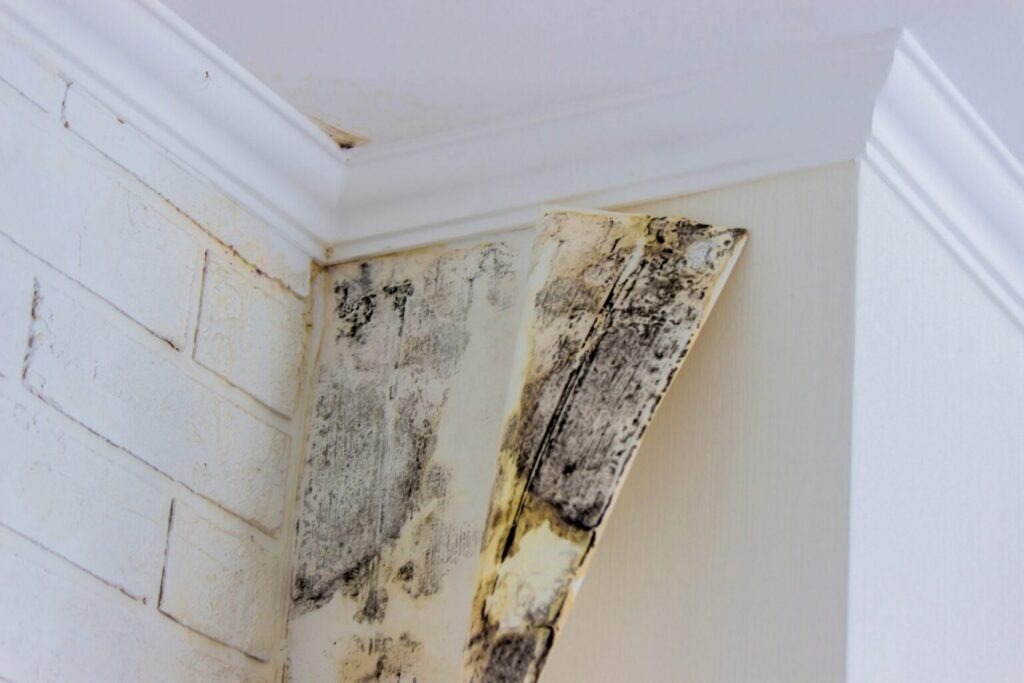
The short answer is yes. You often can smell mold behind walls through volatile organic compounds (VOCs) that mold produces during growth. However, not all hidden mold produces detectable odors, and not all musty smells indicate mold contamination. The ability to smell mold behind walls depends on contamination severity, mold species, ventilation patterns, and your individual sensitivity to odors. Odors concentrated in specific areas, intensifying with humidity, or accompanying visible moisture suggest hidden contamination requiring professional detection methods like thermal imaging and moisture meters confirming presence. Understanding detection signs helps homeowners recognize when hidden mold warrants professional assessment, protecting family health.
Can You Smell Mold Behind Walls? What Your Nose Reveals About Hidden Problems
You’re sitting in your bedroom when you catch it.
That faint earthy smell seems strongest near the corner where the wall meets the floor. You move to another room, and the odor fades. Your mind races with questions. Could mold be growing inside your walls? Is it serious? Should you call professionals immediately or investigate further?
The unsettling reality is that your nose might be detecting something genuinely concerning. Mold growing behind drywall, within wall cavities, or inside structural spaces often produces distinctive odors. However, the presence of odor doesn’t automatically confirm mold existence. Understanding what your senses reveal helps you respond appropriately rather than panicking or ignoring legitimate warning signs.
For professional detection and assessment of potential hidden contamination, call PuroClean of Burlington at (262) 342-2226 for expert mold inspection services.
I’ve investigated countless homes where residents noticed suspicious odors, wondering whether they indicated serious problems or minor issues. Sometimes what people smelled proved to be significant contamination requiring extensive remediation. Other times, the investigation revealed simple moisture problems or ventilation issues that required entirely different solutions. Proper assessment makes all the difference between appropriate response and unnecessary panic.
This guide explains what you might be detecting when investigating whether you can smell mold in your walls and how professional methods confirm hidden contamination.
How Mold Produces Detectable Odors Behind Walls
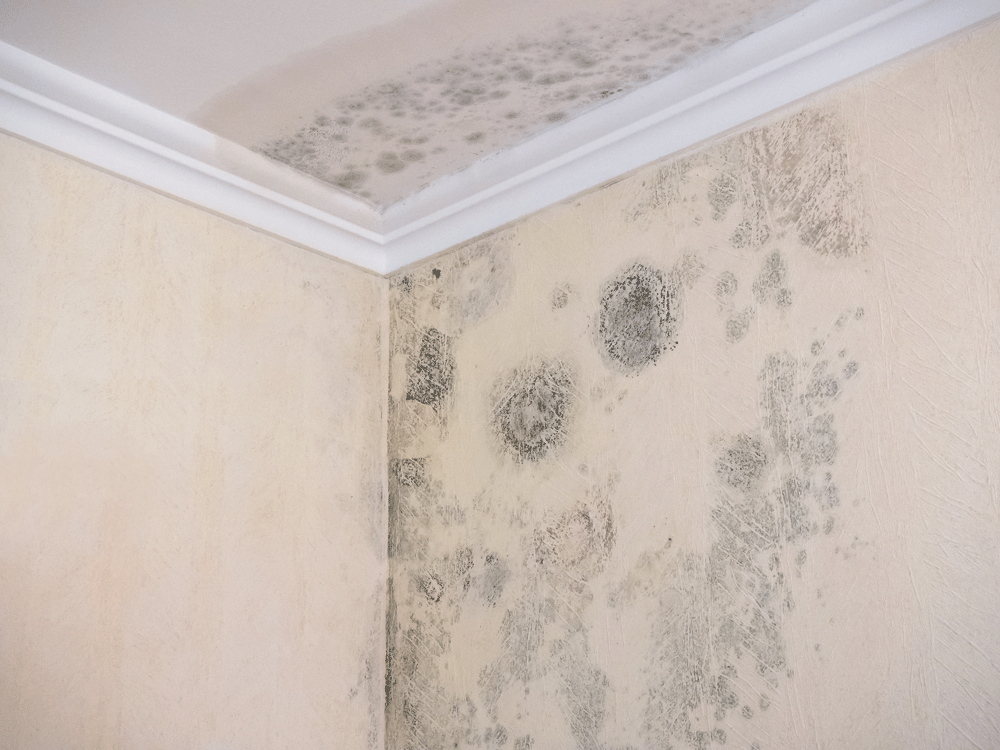
Why does active mold create smells people can detect?
Answer: Growing mold releases volatile organic compounds (VOCs) as metabolic byproducts, creating distinctive earthy odors. These compounds travel through the air and settle in structures, enabling detection when contamination exists within wall spaces. The intensity of odors correlates with mold colony size and activity levels behind walls.
Mold odors are real chemical signals.
Volatile organic compound production:
Mold metabolism produces VOCs, including geosmin, which creates the characteristic earthy smell. According to the EPA, these compounds indicate active fungal growth. When you smell mold behind walls, you’re detecting genuine chemical signals confirming colonization.
Concentration and intensity:
Larger mold colonies produce stronger odors. Minor contamination might produce faint smells detectable only nearby. Extensive hidden contamination creates unmistakable odors spreading through homes. Odor intensity provides a rough indication of contamination severity.
Air movement patterns:
Mold odors travel through wall cavities, air conditioning systems, and building envelopes, distributing throughout properties. Odors often concentrate in specific rooms or areas depending on ventilation patterns and air circulation.
Individual sensitivity variation:
Some people detect mold odors easily, while others have reduced sensitivity. Age, health status, and prior exposure history affect odor detection ability. Women typically detect odors better than men. Just because you don’t smell mold doesn’t mean contamination doesn’t exist.
Mold species differences:
Different mold species produce different odors. Some varieties create strong, distinctive smells. Others produce minimal odors despite active growth. Absence of smell doesn’t eliminate contamination possibilities.
Mold odors represent genuine chemical signals indicating active growth rather than imagination.
Where Mold Hides Behind Walls Creating Undetectable Contamination
What areas inside walls provide ideal hidden mold growth conditions?
Answer: Mold establishes itself in wall cavities, behind vinyl wallpaper, within insulation, within structural framing, within HVAC cavities, and inside plumbing chases where moisture accumulates, and darkness provides protection. These locations prevent detection through visual inspection, requiring professional methods.
Hidden wall locations support serious contamination.
Wall cavity spaces:
Space between outer walls and inner drywall creates ideal growing conditions. Moisture from exterior water penetration, condensation, or internal plumbing leaks accumulates in cavities where mold colonizes invisibly. Wall cavities can support extensive contamination, producing no detectable surface odors until contamination becomes severe.
Behind vinyl wallpaper:
Non-breathable wallpaper traps moisture against drywall, supporting mold growth behind the covering. Hidden wallpaper contamination often remains undiscovered for extended periods, creating significant structural damage before detection.
Within insulation materials:
Fiberglass and cellulose insulation absorb moisture, supporting mold colonization throughout insulation depths. Contaminated insulation spreads spores throughout structural spaces, affecting air quality without obvious signs.
Structural framing cavities:
Wood framing supporting walls provides an organic food source for mold when moisture reaches timber. Hidden framing contamination creates structural damage, weakening load-bearing capacity while remaining undetectable.
HVAC system locations:
Mold grows within air handling units, ductwork, and supply plenums, distributing spores throughout homes. HVAC contamination affects entire homes while remaining completely hidden within system components.
Plumbing chase spaces:
Small cavities containing water pipes frequently accumulate moisture, supporting mold growth. These confined spaces can support serious contamination with minimal odor production.
Hidden wall locations enable serious undetected contamination.
Warning Signs That Hidden Mold Contamination Exists Behind Walls

What indicates hidden mold beyond odor detection?
Answer: Water stains on drywall, soft spots in walls, discoloration patterns, areas cooler than surroundings, peeling paint or wallpaper, increasing humidity levels, and health symptoms appearing indoors all suggest hidden contamination requiring professional investigation beyond relying on odor detection alone.
Multiple warning signs indicate hidden problems.
Water damage history:
Any prior water damage, flooding, or plumbing leaks warrants professional assessment. Hidden contamination often establishes silently within wet wall cavities after water events. Professional inspection following water damage confirms whether mold colonization occurred.
Visible water stains:
Stains on drywall, paint discoloration, or wallpaper marks indicate water presence. Water stains often appear below actual leak sources as water travels downward within wall cavities. Stains suggest potential hidden contamination requiring investigation.
Soft spots in walls:
Pressing on drywall that feels soft or spongy indicates water saturation, enabling mold growth. Soft wall areas represent serious problems requiring professional assessment to determine the extent of contamination.
Discoloration patterns:
Dark spots, rings, or unusual coloring on drywall or baseboards indicate mold growth or water damage. Patterns spreading across surfaces suggest active or progressing contamination.
Thermal imaging results:
Temperature differences indicating moisture concentration suggest water accumulation. Cooler areas on thermal cameras often indicate moisture requiring investigation, confirming whether mold has established.
Paint and wallpaper deterioration:
Peeling, bubbling, or separation indicates moisture behind surfaces. Protective coatings fail when moisture increases, forcing water movement and affecting finishes.
Occupant health symptoms:
Residents experiencing coughing, sneezing, respiratory problems, or allergic reactions when indoors suggest mold exposure. Health symptoms appearing seasonally or worsening during humid weather indicate environmental exposure rather than illness.
Humidity measurement increases:
Indoor humidity above 60% supports mold growth. Persistent elevated humidity despite ventilation efforts suggests moisture problems enabling hidden contamination.
Multiple warning signs combined with odor detection indicate hidden problems.
Professional Detection Methods Confirming Hidden Mold Behind Walls
How do professionals confirm contamination you can’t see directly?
Answer: Professional assessment combines moisture meters measuring water content, thermal imaging detecting temperature anomalies indicating moisture, air quality testing measuring spore levels, visual inspection identifying vulnerable areas, and professional experience recognizing contamination patterns. Multiple diagnostic methods confirm hidden problems.
Professional expertise confirms what odors suggest.
Moisture meter testing:
Professionals use specialized meters to detect moisture within materials. Readings exceeding 16-20% indicate saturation supporting mold growth. Moisture mapping identifies contaminated areas requiring remediation.
Thermal imaging technology:
Infrared cameras detect temperature differences showing moisture concentration patterns. Cooler areas on images indicate water accumulation, enabling thermal imaging to reveal hidden moisture within wall cavities.
Air quality analysis:
Laboratory testing measures airborne spore concentrations and species identification. Elevated spore levels compared to outdoor baselines confirm indoor contamination sources requiring remediation.
Visual inspection expertise:
Professional eyes recognize patterns suggesting problems. Years of investigation experience help specialists identify likely contamination locations and severity.
Borescope examination:
Small cameras inserted through small holes examine wall cavities and hidden spaces, confirming contamination without extensive demolition. Video examination reveals growth extent, guiding remediation scope.
Humidity measurement:
Professional meters measure environmental humidity levels. Persistent elevated humidity indicates moisture problems requiring control regardless of visible contamination.
Tap testing:
Experienced professionals tap walls, listening for hollow sounds indicating water accumulation or moisture saturation. Acoustic changes suggest problems requiring further investigation.
Professional methods confirm hidden problems odors suggest.
Why Hidden Mold Contamination Creates Serious Health Consequences
What health risks develop from hidden wall mold?
Answer: Hidden contamination producing continuous spore exposure creates respiratory damage, allergic reactions, asthma activation, immune suppression, neurological effects, and serious infections. Families often attribute health symptoms to other causes while hidden contamination continues undetected, creating progressive damage.
Hidden contamination creates serious health consequences.
Continuous spore exposure:
Unlike visible growth that people immediately address, hidden contamination produces ongoing spore release. Continuous exposure creates cumulative health effects that family members often misattribute to illness, allergies, or environmental factors.
Respiratory damage progression:
Persistent spore inhalation damages lungs, creating inflammation, tissue damage, and breathing difficulties. Progressive respiratory damage from hidden exposure often becomes serious before discovery.
Allergic sensitization:
Constant low-level exposure creates allergic sensitization, worsening over time. Allergic symptoms appearing seasonally or in specific locations suggest environmental exposure sources.
Asthma complications:
Mold exposure triggers asthma in previously unaffected individuals. Existing asthmatics experience increased attack frequency and severity from hidden exposure.
Immune system suppression:
Extended exposure suppresses immune function, increasing infection susceptibility. Occupants experience more frequent illness from reduced immune competence.
Cognitive effects:
Mold neurotoxins create memory problems, concentration difficulties, and cognitive decline. Family members often attribute these symptoms to aging or stress rather than environmental exposure.
Occupant health comparison:
An interesting pattern often emerges: family members feel better away from home but experience worsening symptoms when returning home. This pattern strongly suggests indoor environmental problems requiring investigation.
Hidden contamination creates progressive health consequences.
When Professional Mold Inspection Becomes Essential
How do I know when to call professionals for hidden contamination assessment?
Answer: Persistent odors, accompanying health symptoms, prior water damage, humidity elevation, visible moisture signs, or uncertainty about potential problems warrant professional assessment. Professional expertise determines whether odors indicate serious problems requiring remediation or harmless issues requiring different solutions.
Professional guidance ensures appropriate response.
Persistent odor presence:
Odors lasting weeks despite cleaning and ventilation improvements warrant professional investigation. Specialists have tools and expertise for locating sources that a household investigation cannot find.
Health symptom correlation:
Any health symptoms potentially related to mold exposure warrant professional assessment, protecting occupant well-being. Symptoms appearing indoors and improving outdoors strongly suggest environmental contamination.
Prior water damage:
Homes with flooding, plumbing leaks, roof damage, or foundation problems where professional assessment hasn’t occurred warrant inspection. Hidden contamination often establishes silently after water events.
Visible moisture indicators:
Water stains, soft spots, discoloration, or peeling finishes alongside odor concerns warrant professional confirmation. Visual damage suggests serious problems requiring expert assessment.
Humidity measurement elevation:
Indoor humidity consistently above 50% warrants professional assessment to determine whether moisture control problems or contamination exist.
Uncertainty and peace of mind:
Many homeowners simply want confirmation their homes are safe. Professional assessment provides definitive answers, enabling informed decisions.
Professional expertise determines appropriate responses.
Frequently Asked Questions About Hidden Mold Detection
Can mold grow behind walls without any smell?
Yes. Some mold species produce minimal odors despite active growth. Extensive contamination in well-sealed cavities might produce limited odor dispersal. Absence of smell doesn’t eliminate contamination possibilities.
How far can you smell mold contamination spreading from walls?
Odor dispersal depends on contamination size, ventilation patterns, and air circulation. Minor contamination produces faint localized odors. Extensive growth creates smells detectable throughout homes or in specific areas depending on airflow.
Does professional inspection damage walls when investigating contamination?
Professional methods include moisture meters, thermal imaging, and air testing requiring minimal intrusion. Borescope examination uses small holes, causing minimal damage. Comprehensive assessment typically requires minimal drilling or cutting.
How long can hidden mold contamination exist undetected?
Duration varies by contamination severity and discovery timing. Minor contamination might remain undetected for months. Severe contamination creating health symptoms or structural damage typically becomes apparent within weeks or months.
Can I eliminate hidden mold myself without professional help?
Significant hidden contamination requires professional remediation. DIY attempts cannot safely access wall cavities or address material removal properly. Professional expertise ensures complete elimination, preventing recurrence.
What should I do if I suspect hidden wall contamination?
Document observations, note odor locations and intensity, monitor humidity levels, and contact professionals for assessment. Avoid attempting removal or opening walls without professional guidance, preventing spore spread.
Does homeowners insurance cover hidden mold remediation?
Coverage varies by policy and contamination cause. Sudden damage like burst pipes often receives coverage. Gradual moisture problems from maintenance neglect frequently face exclusions. Professional assessment documents findings supporting insurance claims.
How much does a professional hidden mold inspection cost?
Most specialists provide free initial assessments determining whether testing becomes necessary. Comprehensive testing costs vary but typically represent a good investment, ensuring accurate diagnosis and appropriate solutions.
Professional Hidden Mold Detection and Remediation

PuroClean of Burlington provides a comprehensive assessment:
✓ Professional Mold Inspection Identifying Hidden Contamination
✓ Moisture Meter Testing Detecting Wall Saturation
✓ Thermal Imaging Locating Moisture Concentration
✓ Air Quality Testing: Measuring Spore Levels
✓ Borescope Examination Viewing Wall Cavities
✓ Detailed Reporting Explaining Findings
✓ Complete Remediation Removing All Contamination
✓ Verification Testing Confirming Safe Conditions
Related Professional Services:
Professional Mold Removal Services
Water Damage Restoration
Professional Inspection Services
Emergency 24/7 Response
Suspect Hidden Mold Behind Your Walls?
Get Professional Hidden Mold Detection Now
☎️ CALL: (262) 342-2226
Expert Assessment | Advanced Detection | Complete Solutions
Professional Hidden Contamination Detection Throughout Wisconsin & Illinois
Summary: Understanding Hidden Mold Detection Through Odor and Professional Methods
Yes, you can often detect mold contamination through distinctive odors produced by volatile organic compounds during fungal metabolism. However, odor detection alone proves insufficient for determining contamination severity or location. Professional methods, including moisture meters, thermal imaging, air quality testing, and visual inspection, combine to confirm whether odors indicate serious problems or harmless issues.
Hidden contamination behind walls creates serious health consequences through continuous spore exposure often misattributed to other causes. Progressive respiratory damage, allergic reactions, asthma complications, and immune suppression develop from undetected exposure. Family members often notice feeling better away from home, experiencing worsening symptoms upon returning indoors, suggesting environmental problems requiring investigation.
When you suspect hidden mold contamination, professional assessment determines whether odors indicate problems requiring remediation or other solutions. Multiple diagnostic methods provide certainty, enabling an appropriate response rather than uncertainty or unnecessary panic.
If you suspect hidden mold behind walls in your Wisconsin or Illinois home, contact professional specialists at PuroClean of Burlington (262) 342-2226 for expert detection and complete remediation throughout all service areas.
PuroClean of Burlington 📞 Call Now: (262) 342-2226 🕒 Available 24/7—because disasters don’t wait.
🔗 Quick Links: Instagram | Google Reviews & Directions | Facebook | Pinterest