


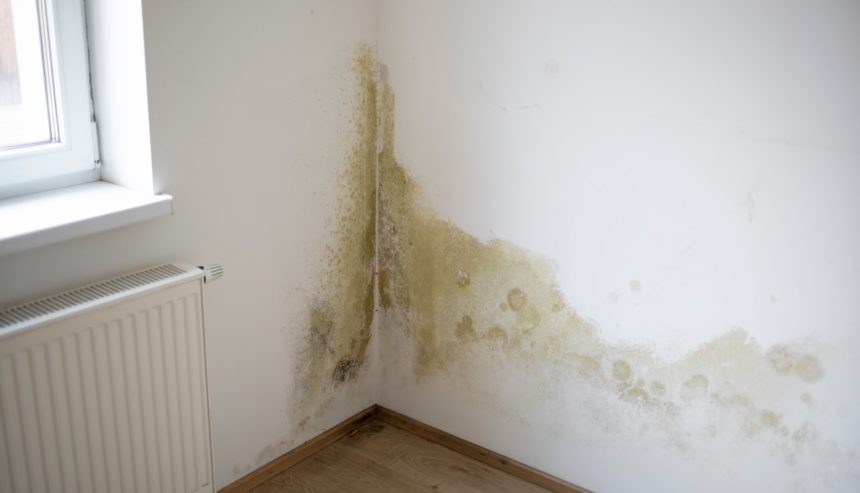
Mold typically produces a musty, earthy odor often described as similar to wet soil, old books, or a damp basement. This distinctive smell comes from microbial volatile organic compounds (MVOCs) released as mold organisms grow and metabolize. What mold smells like varies somewhat by species and growth stage, but common descriptions include musty, stale, dank, or “old sock” smells. The odor typically intensifies in humid conditions and concentrates near the actual contamination source. Understanding what mold smells like helps homeowners recognize hidden contamination even before visible growth appears, allowing earlier intervention before problems escalate into serious health and structural concerns.
You catch a whiff of something odd in your basement.
It’s not quite like anything else you can immediately place. Earthy, maybe. A little sour. Definitely not fresh. Your mind jumps straight to one question: What does mold smell like, and is this it?
This question comes up constantly, and for good reason. Mold odor detection often provides the first clue to contamination long before anyone spots visible growth. Learning to recognize this smell accurately can mean catching a problem early, while ignoring it or misidentifying it can allow contamination to spread for months undetected.
For professional assessment when you’re unsure what mold smells like in your home, call PuroClean of Burlington at (262) 342-2226 for expert inspection and testing.
I’ve walked into hundreds of homes where the very first thing that told me something was wrong wasn’t anything I could see. It was what I could smell. Understanding what mold smells like and, just as importantly, what it doesn’t smell like, has saved countless homeowners from both unnecessary panic and dangerous complacency.
This guide breaks down exactly what does mold smell like, why it smells that way, and how to tell it apart from other common household odors.
The Science Behind What Does Mold Smell Like
Why does mold produce a distinctive odor?
Answer: Mold produces its characteristic smell through microbial volatile organic compounds (MVOCs), gases released as fungal organisms grow, digest organic material, and reproduce. Understanding what does mold smells like starts with understanding these chemical compounds, which create the musty, earthy scent most people associate with contamination.
The smell is a genuine chemical signal, not imagination.
MVOC production process:
As mold colonies grow, they metabolize organic material and release MVOCs as byproducts. According to the EPA, these compounds are directly responsible for what mold smells like in contaminated environments, even when no visible growth exists yet.
Geosmin and its role:
One specific compound, geosmin, contributes heavily to what mold smells like, producing that classic “earthy” or “wet soil” quality many people immediately recognize. Interestingly, this same compound is responsible for the smell of rain on dry ground.
Growth stage affects intensity:
Young, newly established mold colonies produce a fainter odor than mature, actively spreading colonies. This explains why what mold smell like can range from barely noticeable to overwhelming depending on how long contamination has been developing.
Species variation:
Different mold species produce slightly different MVOC combinations, which is part of why what does mold smells like isn’t always identical from one situation to the next. Some species produce stronger, more pungent odors, while others remain relatively subtle even at advanced growth stages.
Understanding the chemistry behind the smell helps explain why it’s such a reliable, if imperfect, indicator of contamination.
Common Descriptions: How People Describe What Does Mold Smell Like
What words do people typically use to describe mold odor?
Answer: People commonly describe what mold smell like using terms including “musty,” “earthy,” “damp,” “stale,” or “sour,” or similar to wet cardboard, old books, or a forgotten gym bag. These descriptions, while subjective, share consistent themes around dampness and organic decay.
Common descriptions reveal recognizable patterns.
“Musty” as the universal descriptor:
Ask almost anyone what mold smells like, and “musty” tends to be the first word offered. This term captures the damp, slightly stale quality most associated with mold contamination.
Earthy and soil-like comparisons:
Many people describe what mold smells like as similar to wet dirt, potting soil, or a forest floor after rain. This comparison directly relates to the geosmin compound mentioned earlier.
Old book or paper smell:
Books stored in damp conditions develop a smell many associate with what does mold smell like, since cellulose-based materials like paper provide an ideal food source for certain mold species.
Wet cardboard and stale comparisons:
Cardboard that’s been damp for extended periods develops an odor frequently used to describe what does mold smell like, particularly in situations involving water-damaged storage areas or basements.
Sour or slightly sweet undertones:
Some describe what does mold smell like as having subtle sour or even faintly sweet undertones layered beneath the primary musty smell, particularly with certain mold species in advanced growth stages.
These varied descriptions all point toward the same underlying chemical reality, even when word choice differs from person to person.
Where Mold Odors Typically Originate in Homes
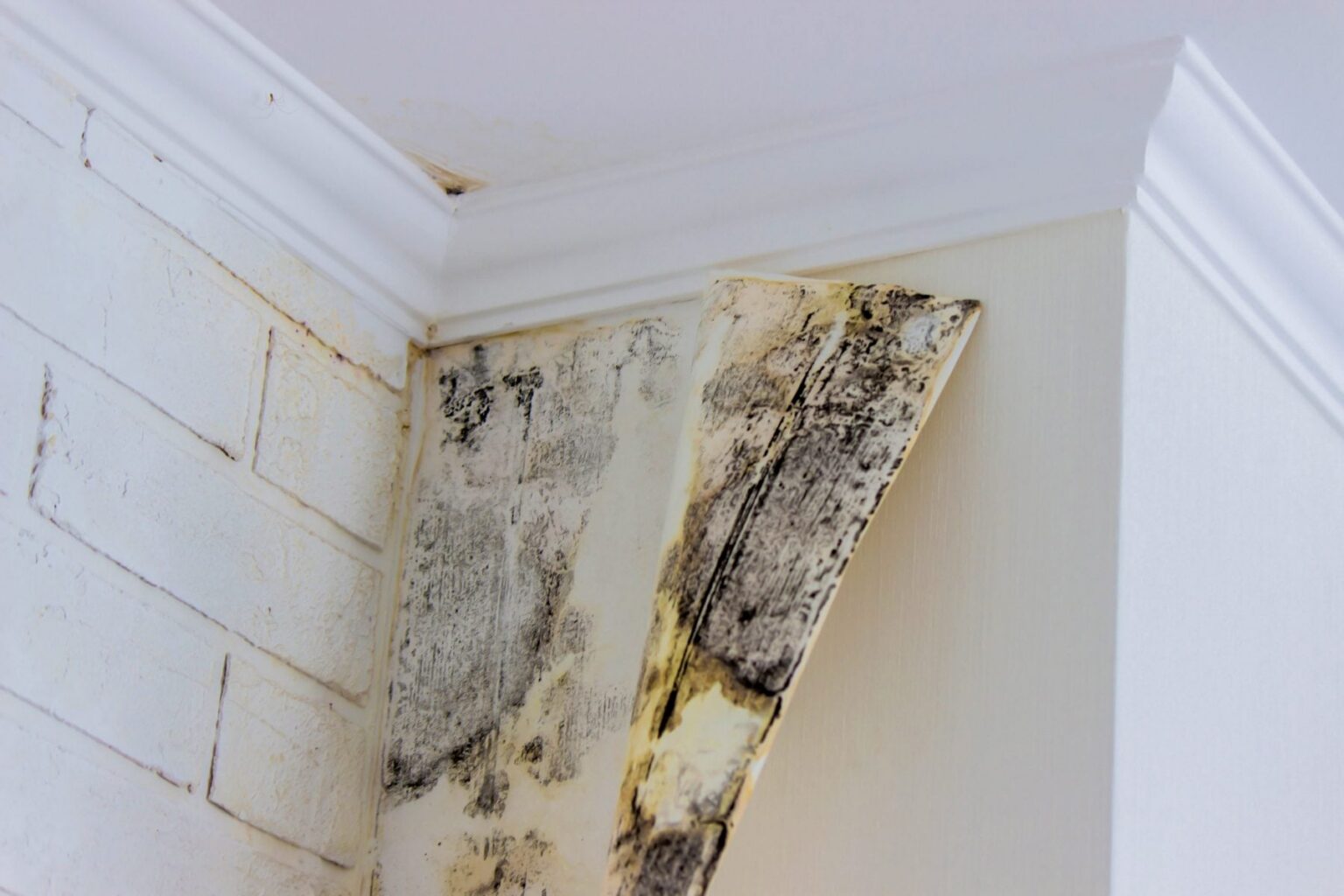
What locations most commonly produce a noticeable mold smell?
Answer: Mold odors most commonly originate in basements, crawl spaces, bathrooms, areas around windows, behind appliances, within HVAC systems, and any location with a history of water damage. Recognizing what does mold smell like in these specific areas helps homeowners locate contamination sources more efficiently.
Location often provides the first clue.
Basement and crawl space odors:
These below-grade spaces frequently experience elevated humidity and limited ventilation, creating ideal conditions for contamination. What does mold smell like in basements often intensifies due to poor air circulation trapping the odor.
Bathroom-specific smells:
Bathrooms combine moisture, warmth, and organic materials like grout and caulk, making them common sources when identifying what does mold smell like throughout a home. Exhaust fan usage significantly affects odor concentration in these spaces.
Window and sill areas:
Condensation around windows creates localized moisture that can support small mold colonies, producing what does mold smell like in a more concentrated, localized way near window frames and sills.
Behind appliances and cabinetry:
Refrigerators, washing machines, and under-sink cabinets often hide moisture problems, meaning what does mold smell like in these areas may go unnoticed for extended periods due to limited visibility.
HVAC system contamination:
When mold establishes itself within ductwork or air-handling components, what mold smells like can seem to permeate an entire home rather than concentrating in one area, since contaminated air circulates throughout the property.
Areas with prior water damage:
Any location that previously experienced flooding, leaks, or water intrusion deserves particular attention when investigating what does mold smells like, since these areas carry elevated contamination risk even after apparent drying.
Systematically checking these common locations helps narrow down odor sources efficiently.
Distinguishing Mold Smell From Other Household Odors
How can I tell mold odor apart from other similar smells?
Answer: Distinguishing what does mold smell like from other odors involves considering location consistency, humidity correlation, persistence despite cleaning, and accompanying signs like visible growth or water stains. Several other household issues produce similar musty smells without indicating mold contamination.
Not every musty smell means mold.
Mildew versus mold distinction:
Mildew, a surface-level fungal growth, produces a similar but often milder version of what does mold smell like. Mildew typically appears on surfaces like shower tiles rather than penetrating materials deeply.
Stagnant water versus mold odor:
Standing water in drip pans, sump pits, or clogged drains can produce a stagnant smell sometimes confused with what does mold smell like, though stagnant water odor typically resolves once the water source is addressed.
General dampness without contamination:
Simply humid conditions without active mold growth can create a vaguely musty smell distinct from true what does mold smell like situations. This distinction matters because humidity control alone may resolve simple dampness odors.
Sewage or drain odor confusion:
Sewer gas and mold odors can sometimes seem similar to untrained noses, though sewage odors typically carry a more distinctly unpleasant, sulfurous quality different from what does mold smell like.
Persistence as the key differentiator:
True mold contamination odors persist despite cleaning and ventilation, while many other household smells resolve relatively quickly once addressed. This persistence remains one of the most reliable indicators when evaluating what does mold smells like versus alternative explanations.
When in doubt, professional testing removes the guesswork entirely.
Factors That Affect Mold Odor Intensity
What makes mold smell stronger in some situations than others?
Answer: Humidity levels, ventilation quality, contamination age, colony size, and mold species all affect how strongly mold smell is present in a given situation. Understanding these variables helps explain why odor intensity fluctuates even within the same home over time.
Several variables influence how strongly you notice the smell.
Humidity correlation:
Higher humidity increases mold metabolic activity, intensifying what mold smells like during humid weather or seasons. This explains why odors often seem worse in summer months or after rainfall.
Ventilation and air circulation:
Poorly ventilated spaces trap MVOCs, concentrating what mold smells like in enclosed areas. Improved air circulation can temporarily mask odor intensity without addressing the underlying contamination.
Contamination age and colony size:
Newly established mold produces less noticeable odor than mature, expansive colonies. As contamination grows, what mold smells like typically becomes progressively stronger and more noticeable throughout affected spaces.
Temperature influence:
Warmer temperatures generally increase MVOC production and volatility, meaning what does mold smell like may intensify during warmer periods compared to cooler months when the same contamination exists.
Individual sensitivity differences:
Not everyone detects odors equally well. Age, health conditions, and prior exposure history all affect individual ability to notice what does mold smell like, meaning one household member might detect problems another completely misses.
These variables explain why odor alone shouldn’t be the only factor in determining whether professional assessment becomes necessary.
When Persistent Odors Warrant Professional Investigation
At what point should I call professionals about a suspicious smell?
Answer: Persistent odors lasting more than a few days despite cleaning and ventilation, smells accompanied by health symptoms, odors following water damage, or general uncertainty about what mold smells like in your specific situation all warrant professional mold inspection and testing.
Professional assessment removes uncertainty.
Persistence beyond simple cleaning:
If addressing surface cleanliness and improving ventilation doesn’t resolve the smell within several days, what mold smell like in your home likely indicates genuine hidden contamination requiring professional investigation.
Health symptom correlation:
Family members experiencing respiratory irritation, allergic reactions, or headaches coinciding with a persistent musty odor should treat this combination seriously, since it strongly suggests actual mold exposure rather than simple dampness.
Post-water-damage situations:
Any property with a recent water damage history should be professionally assessed even without an obvious understanding of what mold smells like, since hidden contamination often develops in wall cavities before becoming detectable by smell.
General uncertainty:
Many homeowners simply aren’t confident distinguishing what mold smells like from other possibilities. Professional testing through air quality sampling and surface analysis provides definitive answers where personal investigation falls short.
Professional inspection combines odor assessment with moisture meters, thermal imaging, and laboratory testing for a complete, reliable picture.
Frequently Asked Questions About What Does Mold Smell Like
Can mold grow without producing any smell?
Yes. Some mold species, particularly in early growth stages or well-ventilated areas, may produce minimal detectable odor despite active growth. Absence of smell doesn’t guarantee absence of contamination.
Does what mold smell like differ between species?
Somewhat. While most mold species produce a generally musty, earthy odor, some varieties produce stronger or more distinctly unpleasant smells than others depending on their specific MVOC profile.
Why does my basement smell musty even though I don’t see visible mold?
Hidden contamination within wall cavities, behind baseboards, or under flooring often produces detectable odor before becoming visible. This is actually one of the most useful applications of understanding what mold smells like, since it enables earlier detection.
Can air fresheners help if I’m unsure what mold smells like in my home?
Air fresheners mask odors temporarily without addressing underlying contamination. If you suspect mold, professional testing provides answers rather than covering up a potentially serious problem.
Is a musty smell always dangerous?
Not necessarily dangerous in an acute sense, but persistent musty odors typically indicate moisture problems that, left unaddressed, create conditions supporting mold growth and associated health risks over time.
How quickly does mold smell develop after water damage?
Depending on conditions, noticeable odor can develop within 24 to 72 hours after water exposure, particularly in warm, humid environments that accelerate mold growth and MVOC production.
Professional Mold Inspection and Testing Services

PuroClean of Burlington provides a comprehensive assessment:
✓ Professional Odor Source Investigation locating contamination
✓ Air Quality Testing confirming spore presence
✓ Moisture Meter Assessment identifying saturation
✓ Thermal Imaging detecting hidden moisture
✓ Surface Sampling confirming species identification
✓ Detailed Reporting explaining findings clearly
✓ Complete Remediation when contamination is confirmed
✓ Prevention Guidance addressing moisture sources
Related Services:
Professional Mold Removal Services
Water Damage Restoration
Professional Inspection Services
Emergency 24/7 Response
Not Sure What Does Mold Smell Like in Your Home?
Get Professional Inspection and Definitive Answers
☎️ CALL: (262) 342-2226
Expert Testing | Accurate Detection | Complete Solutions
Serving Wisconsin & Illinois Communities
Summary: Understanding What Does Mold Smell Like
What mold smells like ultimately comes down to musty, earthy, damp odors produced by volatile organic compounds released as mold organisms grow and metabolize. Common descriptions include comparisons to wet soil, old books, and stale cardboard, though intensity and exact character vary based on species, humidity, ventilation, and contamination age.
Recognizing what mold smells like empowers homeowners to catch hidden contamination early, often before any visible growth appears. However, since several other household issues can produce similar musty odors, and since some mold contamination produces minimal smell despite active growth, professional testing remains the most reliable way to confirm suspicions one way or the other.
If you’re noticing a persistent musty smell and wondering what mold smells like in your specific situation, don’t rely on guesswork. Contact PuroClean of Burlington at (262) 342-2226 for professional inspection, testing, and expert guidance throughout Wisconsin and Illinois communities.
PuroClean of Burlington 📞 Call Now: (262) 342-2226 🕒 Available 24/7—because disasters don’t wait.
🔗 Quick Links: Instagram | Google Reviews & Directions | Facebook | Pinterest