


A Homeowner’s Guide from PuroClean of Vineland
South Jersey’s climate creates the perfect environment for mold growth. Between our humid summers, frequent rainstorms, coastal moisture, flooded basements, and older homes, mold can begin growing within 24–48 hours after water intrusion.
Not all mold is the same. While many homeowners refer to every dark spot as “black mold,” there are actually hundreds of mold species commonly found in New Jersey homes. Understanding the differences can help homeowners recognize potential problems and know when it’s time to call a professional.
1. Stachybotrys Chartarum (Commonly Called “Black Mold”)
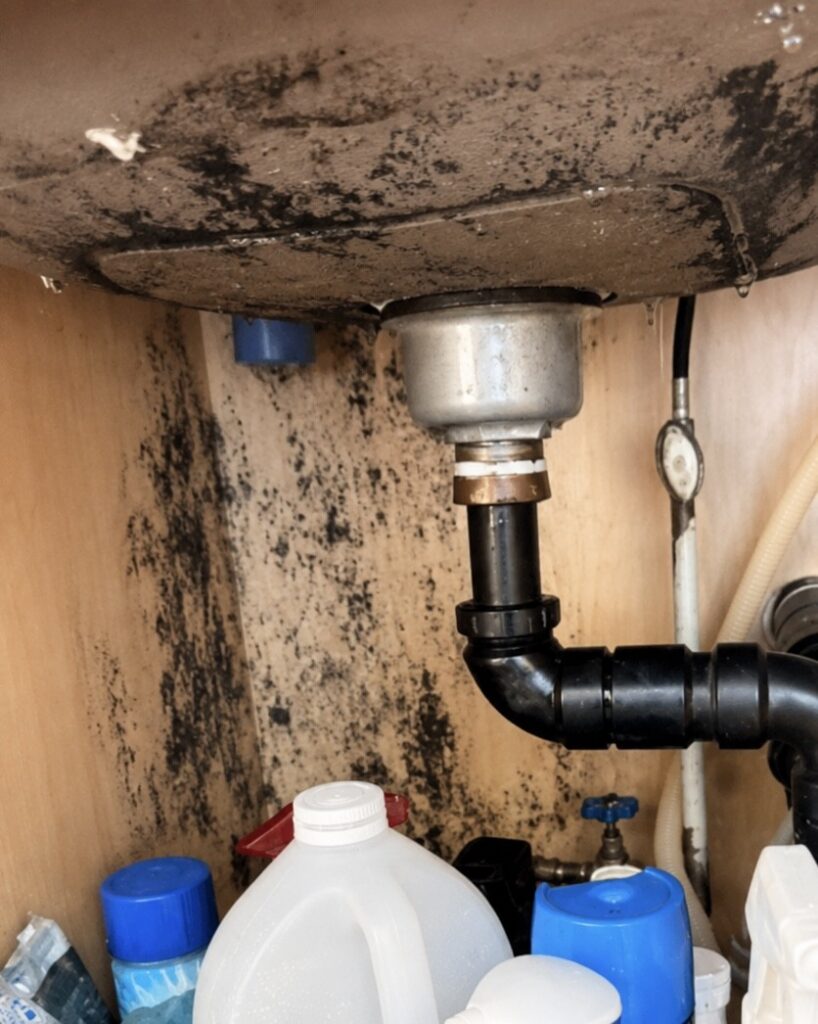
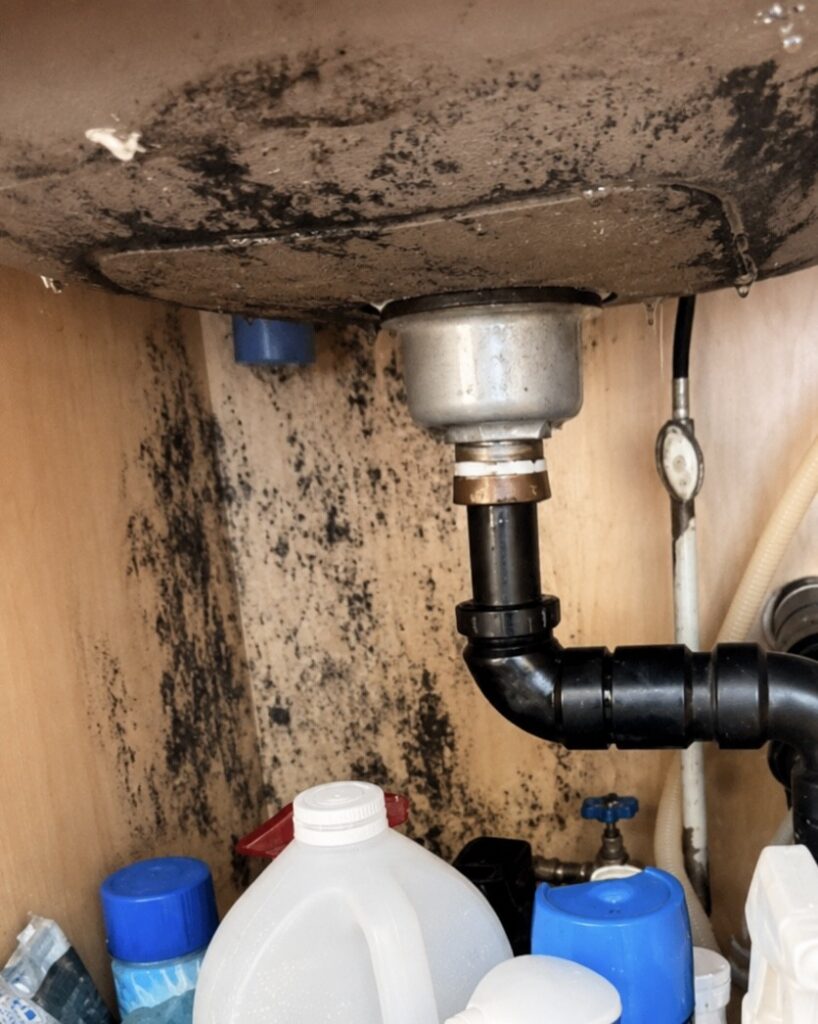
![Suggested Image: Black mold growing on drywall]
Appearance
Dark green to black
Slimy or wet-looking
Usually found in patches
Where It’s Found
Water-damaged drywall
Ceiling materials
Insulation
Wood framing after prolonged moisture
Why It Grows
This mold requires continuous moisture and is often found after:
Roof leaks
Plumbing failures
Flood damage
Long-term hidden water leaks
Potential Concerns
Stachybotrys has received significant attention because prolonged exposure may contribute to:
Respiratory irritation
Persistent coughing
Eye irritation
Allergic reactions
Worsening asthma symptoms
While not every black-colored mold is Stachybotrys, professional inspection is recommended whenever extensive black mold is present.
2. Aspergillus
One of the most common indoor molds found throughout South Jersey.
Appearance
Green
Yellow
White
Brown
Black varieties
Common Locations
HVAC systems
Air ducts
Drywall
Carpets
Attics
Basements
Health Concerns
Aspergillus commonly causes:
Allergy symptoms
Sneezing
Sinus irritation
Asthma flare-ups
Individuals with weakened immune systems may face more significant health risks.
3. Cladosporium
A mold frequently found both indoors and outdoors throughout New Jersey.
Appearance
Olive green
Brown
Black
Where It Grows
Window frames
HVAC vents
Bathrooms
Wood
Fabric
Carpeting
Health Effects
Cladosporium commonly causes:
Seasonal allergy symptoms
Eye irritation
Skin irritation
Respiratory discomfort
Unlike some molds, Cladosporium can continue growing in cooler temperatures.
4. Penicillium
Known for spreading quickly after water damage.
Appearance
Blue-green
Green
White
Common Areas
Water-damaged drywall
Carpet padding
Insulation
Furniture
Stored boxes
Why It’s Important
Penicillium spreads rapidly through airborne spores and often indicates hidden moisture behind walls.
5. Alternaria
One of the most common allergy-producing molds.
Appearance
Dark green
Brown
Black with a velvety texture
Found Around
Shower stalls
Window sills
Under sinks
Damp basements
Symptoms
Alternaria is strongly associated with:
Hay fever
Allergies
Asthma attacks
Sinus irritation
6. Chaetomium
Often appears after significant water damage.
Appearance
White at first
Turns gray, olive, or black over time
Where It Grows
Drywall
Wallpaper
Ceiling tiles
Water-damaged wood
Why It’s Concerning
Chaetomium is commonly associated with:
Long-term water intrusion
Musty odors
Hidden structural moisture
7. Acremonium
A slower-growing mold that often appears after chronic moisture issues.
Appearance
White
Pink
Orange
Gray
Typical Locations
Condensation pans
HVAC systems
Humidifiers
Window seals
Because it often develops over time, Acremonium can indicate an ongoing moisture problem.
8. Fusarium
Unlike many molds, Fusarium can grow in cooler environments.
Appearance
Pink
White
Red
Common Locations
Wet carpeting
Wallpaper
Fabrics
Damp insulation
Concerns
It spreads quickly when moisture remains unresolved and may contribute to allergic and respiratory symptoms.
Why Mold Is So Common in South Jersey
Several regional factors make mold a frequent problem:
High Summer Humidity
South Jersey often experiences humidity levels above 70%, creating ideal conditions for mold growth.
Coastal Moisture
Communities near:
Ocean City
Sea Isle City
Avalon
Wildwood
Cape May
experience additional salt air and moisture exposure.
Heavy Rainfall
Strong thunderstorms and tropical systems frequently cause:
Basement flooding
Roof leaks
Crawlspace moisture
Older Housing Stock
Many homes throughout:
Vineland
Millville
Bridgeton
Gloucester County
Cumberland County
contain older construction materials that have experienced years of moisture exposure.
Warning Signs of Mold
Watch for:
✔ Musty odors
✔ Discoloration on walls or ceilings
✔ Bubbling paint
✔ Peeling wallpaper
✔ Soft drywall
✔ Recent water damage
✔ Persistent allergy symptoms indoors
Remember: mold often grows behind walls, under flooring, inside insulation, or above ceilings, where it cannot be seen without proper inspection.
Can You Remove Mold Yourself?
Small areas (generally less than about 10 square feet) may sometimes be cleaned safely if the moisture source has been corrected and appropriate protective equipment is used.
However, professional remediation is recommended when:
Mold covers large areas
Water damage has affected drywall or insulation
Mold returns after cleaning
There is a strong musty odor
HVAC systems are involved
Occupants have asthma, allergies, or compromised immune systems
The key to successful remediation is addressing both the mold and the underlying moisture source to help prevent recurrence.
How PuroClean of Vineland Can Help
At PuroClean of Vineland, we specialize in professional mold remediation throughout South Jersey. Our trained technicians identify the source of moisture, contain affected areas, remove contaminated materials when necessary, and restore your property using industry-recognized restoration practices.
If you’ve noticed signs of mold—or recently experienced a water leak, flooded basement, or storm damage—don’t wait. Mold can begin growing in as little as 24 to 48 hours.
Call PuroClean of Vineland today at (888) 598-1441 to schedule a professional inspection and protect your home and your family’s health.