24/7 Emergency Services For Water, Fire, Mold and Biohazard in Atlantic City, NJ
Atlantic City sits on Absecon Island — a narrow barrier island roughly eight miles long, bounded by the Atlantic Ocean to the east and the back bays and tidal marshes to the west. That geography defines everything about how property damage happens here. Water doesn’t just come from one direction. It comes from the ocean during storm surge events, from the bay side during nor’easters that push tidal water inland, from below when the water table rises under low-lying streets, and from above when aging infrastructure in high-rise buildings and dense rowhouse blocks fails. Atlantic City is one of the most water-exposed communities in New Jersey — and the variety of its housing stock means the restoration challenges are equally varied.
The city’s neighborhoods each carry distinct characteristics. Ducktown, the longtime residential heart of the city along the avenues between the Boardwalk and the back bay, is dense with rowhouses and attached homes that share party walls and plumbing stacks. A pipe failure in one unit moves water into the next before anyone realizes it’s happening. The Inlet neighborhoods at the northern end of the island sit at some of the lowest elevations on Absecon Island and have historically flooded first and deepest during major storms. Venice Park and Chelsea Heights on the southern end of the city offer single-family homes, many with bay-facing views, in a quieter residential setting — but bay-side properties face their own flood exposure when tidal water backs up through storm drains during storm events. The Marina District draws a mix of residential condominiums and commercial properties clustered around the water.
PuroClean of Vineland serves the full range of what Atlantic City actually is as a community — not just the casinos and the Boardwalk, but the families in Chelsea Heights, the long-term renters in Ducktown, the homeowners in Venice Park looking out at Gardner’s Basin, and the small business operators along Atlantic and Pacific Avenues. When water gets into any of these properties, the response has to match the building type, the neighborhood’s flood history, and the category of water involved. We handle all of it.
The types of water damage calls we see in Atlantic City reflect the city’s coastal reality:
Atlantic City recorded a storm surge of 5.82 feet during Hurricane Sandy in 2012. More than 5,000 housing units sustained damage — roughly 11 percent of all units damaged statewide in that storm. The city also recorded nearly 8.5 inches of rain during the same event. Properties in the Inlet, along the lower avenues near the bay, and throughout the low-lying interior streets bore the worst of it. Many of those properties still carry moisture-related damage that was addressed incompletely, and mold remediation calls tied to Sandy-era water intrusion remain a part of what we see in Atlantic City more than a decade later.
The Atlantic City Expressway is our primary route east. We pick it up from the Vineland area and run it straight to the island, which puts us at the Atlantic City toll plaza in roughly 35 to 40 minutes under normal conditions. From there, depending on which part of the city the job is in, we route through the surface streets quickly. The Expressway’s direct connection to the island means we’re not navigating through multiple towns to get here — it’s one road that delivers us to the gateway of the city.
Here’s how we typically route to different parts of Atlantic City once we’re on the island:
Atlantic City’s island geography creates one logistical factor that doesn’t apply to mainland communities: the bridges. There are a limited number of bridge connections between the island and the mainland, and during major storm events some of them close. When floodwater is actively cutting off road access — which happened during Sandy when travel between the city and the mainland was temporarily blocked — we coordinate timing and access carefully. Under normal emergency conditions, the bridges are clear and we move quickly. But knowing the bridge situation matters when a major storm is the reason someone is calling.
The density of Atlantic City also means that on active jobs, particularly in multi-unit buildings, we communicate with property management before arrival to confirm elevator access, coordinate with any other units that may be affected on floors below the loss, and plan equipment staging appropriately. That preparation happens on the drive. We’re not figuring it out when we pull up.
No other community in PuroClean of Vineland’s service area carries the same flood exposure profile as Atlantic City. The city sits on a narrow strip of sand between two bodies of water, at an elevation that leaves most of the island within the reach of storm surge from significant coastal storms. The sea level at Atlantic City has risen 15.8 inches since 1900 — nearly six inches of that since 1980 alone. That means the baseline flood risk for every property on Absecon Island is higher today than it was a generation ago, and storms that would have produced minor flooding decades ago now push water into neighborhoods that previously stayed dry.
The two-sided flood problem is what makes Atlantic City unique. Ocean-side storm surge pushes water inland from the Boardwalk. Bay-side tidal surge pushes water in from the marshes and inlets on the western edge of the island. During the right storm, both happen at the same time, and the water has nowhere to go. The city’s storm drain system — built for a different era and a different sea level — backs up rather than draining during these combined events. Catch basins in the Inlet and along the lower-numbered avenues fill from below as much as from above.
The soil under Atlantic City is sand. It offers almost no barrier to water movement. When the water table rises — which it does quickly under the island’s permeable surface during rain events and storm surge — it comes up through slab floors, around foundation footings, and through any opening at grade level. Ground-floor units and below-grade spaces in the Inlet, along the bay-side avenues, and throughout the lower-elevation interior blocks are the first to feel it. Sump pumps and interior drain systems help, but they depend on power, which is frequently interrupted during the same storms that cause the flooding.
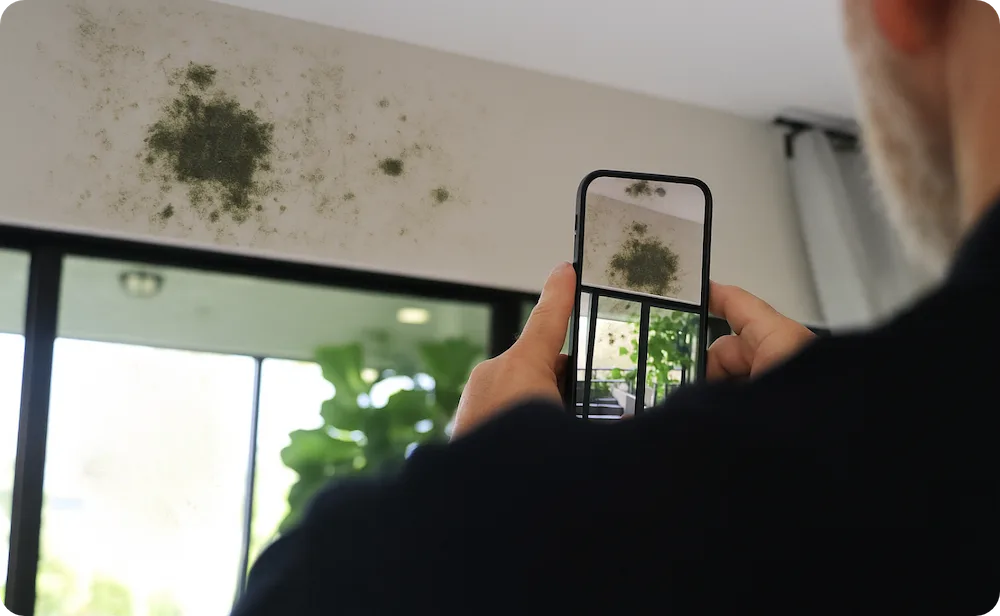
Humidity compounds the picture year-round. Atlantic City’s oceanfront position means marine air keeps relative humidity elevated even on clear days. Inside buildings — particularly older rowhouses and attached homes with limited mechanical ventilation — that ambient moisture keeps building envelopes wetter than their inland counterparts. A water intrusion event that might dry out fully on its own in a Vineland home in five or six days can stay wet for two weeks in a Chelsea rowhouse if the windows stay closed and the ocean air keeps pushing humidity inside. That extended wet window is the mold development window.
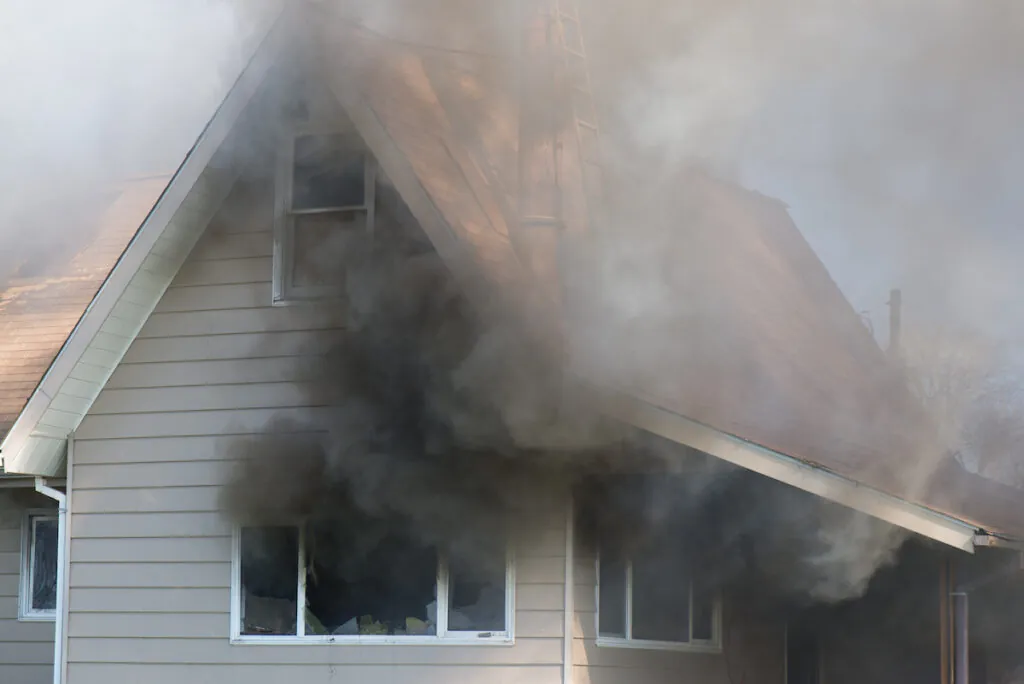
Fire damage in Atlantic City carries an added complexity specific to the city’s housing stock. Attached rowhouses in Ducktown, the Inlet, and along the mid-island avenues share party walls with neighboring properties. A fire in one unit creates smoke damage in the units on either side even when the fire itself is contained. Smoke travels through shared wall cavities, along utility chases, and through HVAC systems that were never designed to be fire barriers. We’ve handled smoke remediation in Atlantic City properties where the fire occurred two units away and the homeowner had no idea the smoke had penetrated their walls until they found the odor two weeks later.
Owned & Operated by Rita & Sal Gaetano
, Vineland, NJ, 08360
(888) 598-1441
Water damage can result from unexpected leaks, flooding from storms, plumbing failures, or appliance malfunctions. Our certified teams focus on rapid water removal, drying, and stabilization to help prevent further damage and mold growth.
 Explore Our Water Damage Mitigation Services
Even after a fire is extinguished, smoke, soot, and odor can continue to affect your home. Fire damage restoration services address visible damage while also helping reduce lingering effects that impact indoor air quality and surfaces.
Explore Our Fire and Smoke Damage Restoration Services
Mold often develops as a result of unresolved moisture or hidden water damage. Professional mold remediation helps identify affected areas, contain growth, and restore healthy indoor conditions.
Explore Our Mold Removal and Remediation Services
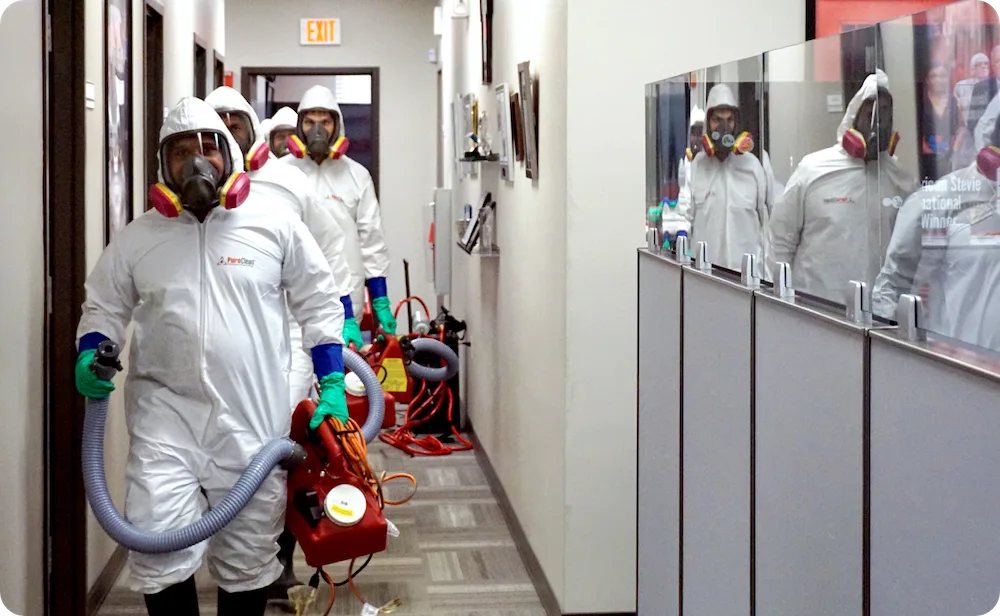
Biohazard situations, including crime scene cleanup and virus decontamination, require specialized cleaning and handling to protect health and safety. Biohazard cleanup services address contamination using proper protocols and professional care.
Explore Our Biohazard Cleanup Services
In some cases, property damage requires repairs beyond cleanup and mitigation. Reconstruction services help restore damaged areas of the home after water, fire, or other incidents, supporting a smoother transition from damage to recovery.
Explore Our Reconstruction Services Services
PuroClean provides 24/7 commercial property damage restoration services for businesses and facilities across the United States.
Explore Our Commercial Services
Water damage can result from unexpected leaks, flooding from storms, plumbing failures, or appliance malfunctions. Our certified teams focus on rapid water removal, drying, and stabilization to help prevent further damage and mold growth.
Explore Our Water Damage Mitigation Services

Answers to the questions Atlantic City homeowners and business owners ask most about water, mold, and fire damage restoration.
In many low-lying Atlantic City neighborhoods near the back bays, recurring high-tide flooding is often treated by standard homeowner’s policies as a flood event, not a covered water loss, because it originates from rising tidal water rather than a pipe or appliance failure. That typically means NFIP flood insurance, not your HO-B policy, is the relevant coverage. We’ll document the source and damage with photos and moisture readings either way, and we can walk through how the loss is likely to be classified before you file a claim, so you know what to expect.
Yes, in almost every case. Storm surge and bay-driven flooding that pushes into homes near the Inlet, Gardner’s Basin, or the back-bay sections of Ducktown and Ventnor border areas is classified as Category 3, or “black water,” under IICRC S500 standards because it has traveled through soil, streets, and storm drains before reaching your floor. That means affected porous materials like carpet, carpet pad, and lower drywall generally can’t be cleaned and dried in place; they need to come out. We’ll document this clearly for your adjuster and explain exactly why each material is being removed.
For a mold inspection that isn’t tied to an active emergency, we typically schedule a technician within a day or two, often faster depending on our current call volume. Crawlspace moisture is extremely common in the Chelsea and South Inlet areas because of the high water table and proximity to the Thorofare, and a musty odor without visible growth often means moisture is wicking up through the crawlspace floor. We’ll check moisture levels, look for the source, and give you a written scope before any remediation work begins.
Yes. We regularly work in mixed-use and hospitality properties along the Boardwalk corridor and understand that loud equipment, foot traffic restrictions, and guest-facing areas all factor into scheduling. After the initial emergency water extraction, which we’ll do right away regardless of the hour, we can plan drying equipment placement, containment, and any demolition around your operating schedule and coordinate timing with your property manager or engineering staff.
Often, yes. Smoke particles travel through HVAC ducts, wall cavities, and even window gaps, especially in older Atlantic City homes near the Inlet with original ductwork and single-pane windows. The type of soot matters too: a grease fire produces a different residue than a fire that smolders for a while, and each requires different cleaning agents. We’ll assess every room, not just the kitchen, for odor and soot penetration, and use techniques like thermal fogging or air scrubbers where needed so the smell doesn’t linger after visible soot is gone.
What Our Customers Say:
When you need water damage restoration services near you, call the experts at PuroClean. We are here day or night, 24/7, to help remove any standing water quickly and begin your water restoration service. We monitor the drying process so you can rest assured that your property is dried thoroughly. We offer commercial water restoration services for businesses and residential water damage restoration for homeowners.

PuroClean of Vineland
(888) 598-1441
Vineland, NJ

© 2026 PuroClean. All Rights Reserved.