24/7 Emergency Services For Water, Fire, Mold and Biohazard in Mays Landing, NJ
Serving Mays Landing, the County Seat of Atlantic County
Mays Landing is unlike any other community in PuroClean of Vineland’s service area. It is not a shore town, not a Pinelands enclave, and not a suburban bedroom community. It is the county seat of Atlantic County — the governmental center of one of New Jersey’s most storied counties — set along the banks of the Great Egg Harbor River where that river has been dammed into Lake Lenape. The Atlantic County Courthouse, the County Justice Facility, the main branch of the Atlantic County Library at Gaskill Park, and the law offices and county agencies that cluster around them define the civic core of a village that has carried this function since 1837, when the New Jersey Legislature designated Mays Landing the county seat and the community’s shape was set for the next two centuries.
The community is named for Captain George May, who sailed the Great Egg Harbor River in 1740 and purchased this land in 1756. The geography he found — a navigable river with a natural dam site, surrounded by timber and iron-producing Pinelands — made Mays Landing a working waterfront town long before it became a government center. Between 1830 and 1880, more than 200 boats were built along the Great Egg Harbor River, and Mays Landing’s own shipyards were responsible for roughly half of them. The American Hotel on Farragut Avenue and Main Street, built in 1837 by Samuel Richards of the Batsto iron dynasty, served the attorneys and officials who came to town for court business. The historic Inn at Sugar Hill — Sugar Hill being a neighborhood name still used today — overlooks the Great Egg Harbor River from a vantage point that has been welcoming riverfront dining guests for generations. The Mays Landing Historic District preserves the architecture of that era: Second Empire Victorian homes, Greek Revival structures, and the county government buildings that anchored Main Street and Cape May Avenue through the 19th and early 20th centuries.
PuroClean of Vineland serves all of Mays Landing and the surrounding Hamilton Township communities with 24/7 emergency water damage restoration, mold remediation, fire damage cleanup, and sewage decontamination. The clients we serve here are different from those in the shore communities — year-round homeowners, county employees, attorneys with offices on Main Street, families in the residential neighborhoods off Route 322, and business owners along the commercial corridors feeding into and out of the county seat. When water gets into a historic home on the river corridor or a basement floods in a subdivision off Lenape Avenue during a storm, the same urgency applies as anywhere else.
The water and property damage calls we handle in Mays Landing and Hamilton Township reflect an inland riverfront community:
Atlantic Cape Community College, with its campus in the Mays Landing area, is one of the region’s largest employers and educational institutions. The Hamilton Mall on the Route 322 corridor — the main east-west commercial artery connecting Mays Landing to the shore communities and to Philadelphia — anchors a strip of retail and service development that represents a significant portion of the commercial property base in the area. Both the college and the commercial district along Route 322 fall within our service area for commercial water damage and restoration response.
Mays Landing is approximately 20 to 25 minutes from our Vineland location — one of the faster drives in our service area. The route is straightforward: we take Route 40 east from Vineland and then head north on Route 50, which delivers us directly into the heart of Mays Landing along the Great Egg Harbor River corridor. Route 50 is a clean, well-maintained road through this stretch of Atlantic County, and we know it well enough to move through it efficiently at any hour.
Here is how we navigate to different parts of Mays Landing and the surrounding township:
Mays Landing’s position at the geographic center of Atlantic County — roughly equidistant from Vineland, the shore communities, and the county’s northern reaches — makes it one of our more efficiently accessed service areas. There is no bridge bottleneck, no island access constraint, and no rural driveway challenge. The roads are maintained, the navigation is intuitive, and the community is accessible from multiple directions. That accessibility matters when a call comes in at 3 a.m. after a summer storm floods a basement on Lenape Avenue.
The Great Egg Harbor River is the defining geographic feature of Mays Landing. The river has been dammed here into Lake Lenape, a broad, scenic body of water that is the centerpiece of Lake Lenape Park — 2,000 acres of county parkland used for kayaking, fishing, camping, and the annual Night of Lights boat parade that the Mays Landing Yacht Club hosts each season. That same dam and lake system is also the reason that a significant rain event in Mays Landing is never just about the rain that falls on the town itself. Lake Lenape collects drainage from a large watershed. When that watershed receives sustained heavy rainfall, the lake rises. When it rises enough, it overflows. During Hurricane Irene in 2011, township officials closed Lenape Avenue to traffic as the lake overflowed and floodwater was guided by emergency measures toward the river. Officials had lowered the lake level by 63 inches in advance of the storm — and it still came close to the edge. That event is documented, remembered, and informative about what a sustained major rain event does to this landscape.
The properties most directly exposed to river-rise flooding in Mays Landing are those along River Road, the Lenape Avenue corridor, and the riverside parcels in and around the village center. The Great Egg Harbor River is designated a National Wild and Scenic River, which reflects its ecological value and also means its floodplain has been studied, mapped, and regulated. FEMA’s Special Flood Hazard Area designations along the river and its tributaries throughout Hamilton Township identify which properties carry the highest flood risk and require NFIP coverage under federally backed mortgages. For homeowners in those zones, a river-rise event is not hypothetical — it is the documented reason those flood zone designations exist.
The historic properties in the Mays Landing Historic District present a different set of water damage challenges from the river flood risk. The Second Empire Victorian homes on Main Street, the Greek Revival structures near the courthouse, and the late-19th-century bungalows and cottages of the district were built with construction methods that predate modern moisture management by a century. Original plaster walls, unlined stone foundations, early gravity-drain plumbing, and no interior waterproofing are common features. When a water event — whether from a failed supply line, a roof failure, or a water heater leak — reaches the interior of one of these structures, it behaves very differently from water in a modern home. Plaster absorbs slowly and releases slowly. Original wood lath behind the plaster holds moisture for days after the surface appears dry. Restoring these homes requires drying protocols calibrated to historic materials, not the same approach used in a 1990s subdivision house off Route 322.
Mays Landing’s role as the county seat brings a specific commercial property consideration. The law offices, county agencies, title companies, and professional services firms concentrated around Main Street and the courthouse represent tenants and property owners for whom a water event means immediate business interruption as well as physical damage. A water heater failure or a roof leak during a weekend that saturates the ceiling tiles and carpeting in a law office before Monday morning is a business continuity crisis, not just a property maintenance issue. We respond to commercial losses in the Mays Landing professional district with that understanding, working to assess, extract, dry, and document as quickly as the situation allows.
The seasonal activity on Lake Lenape — the regattas, the yacht club events, the kayakers and anglers who use the park — reflects a community that has a genuine relationship with its river. The residents who live near the lake and the river corridor know the water’s behavior across seasons. They have watched the lake level after major storms and know which years the river ran high. That local awareness is useful context. It also means that when the river is running at a level that concerns them, it is worth paying attention to — because these are homeowners who understand their own flood risk from direct observation, not just from a FEMA map.
Let PuroClean of Vineland help you understanding how water, fire, and mold restoration works. Follow this guide and act quickly, minimize damage, and protect your property investment. Call us to day at (888) 598-1441.
Owned & Operated by Rita & Sal Gaetano
3003 N. Mill Road, Vineland, NJ, 08360
(888) 598-1441
Water damage can result from unexpected leaks, flooding from storms, plumbing failures, or appliance malfunctions. Our certified teams focus on rapid water removal, drying, and stabilization to help prevent further damage and mold growth.
 Explore Our Water Damage Mitigation Services
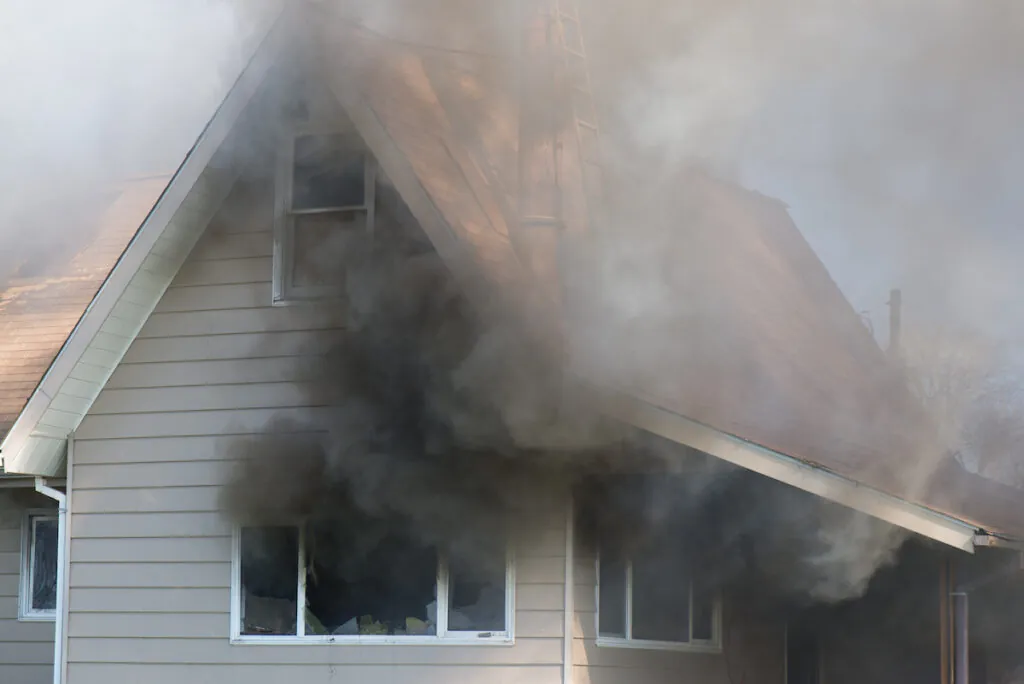
Even after a fire is extinguished, smoke, soot, and odor can continue to affect your home. Fire damage restoration services address visible damage while also helping reduce lingering effects that impact indoor air quality and surfaces.
Explore Our Fire and Smoke Damage Restoration Services
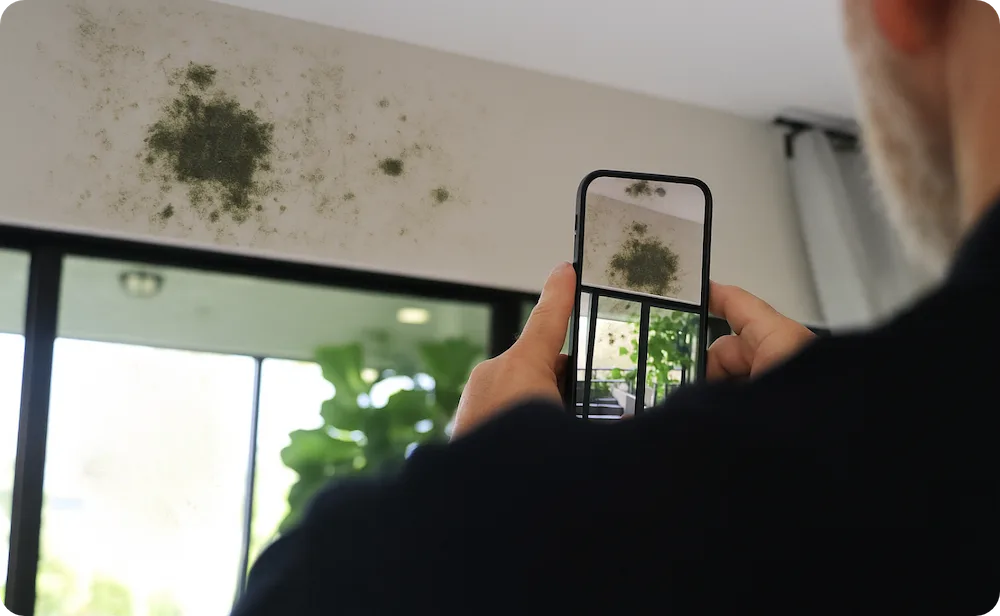
Mold often develops as a result of unresolved moisture or hidden water damage. Professional mold remediation helps identify affected areas, contain growth, and restore healthy indoor conditions.
Explore Our Mold Removal and Remediation Services
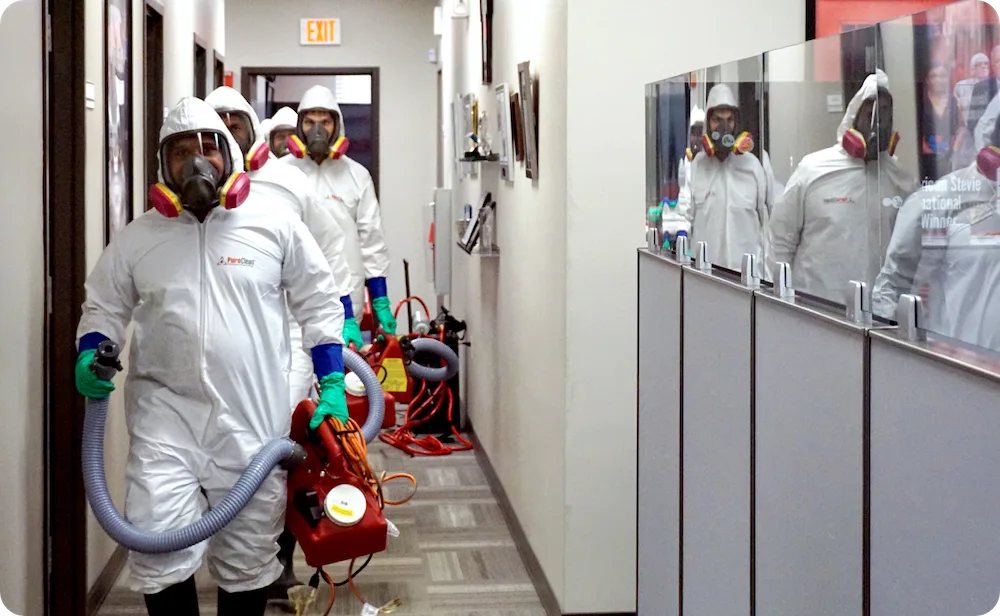
Biohazard situations, including crime scene cleanup and virus decontamination, require specialized cleaning and handling to protect health and safety. Biohazard cleanup services address contamination using proper protocols and professional care.
Explore Our Biohazard Cleanup Services
In some cases, property damage requires repairs beyond cleanup and mitigation. Reconstruction services help restore damaged areas of the home after water, fire, or other incidents, supporting a smoother transition from damage to recovery.
Explore Our Reconstruction Services Services
PuroClean provides 24/7 commercial property damage restoration services for businesses and facilities across the United States.
Explore Our Commercial Services
Water damage can result from unexpected leaks, flooding from storms, plumbing failures, or appliance malfunctions. Our certified teams focus on rapid water removal, drying, and stabilization to help prevent further damage and mold growth.
Explore Our Water Damage Mitigation Services

Answers to the questions Mays Landing homeowners and business owners ask most about water, mold, and fire damage restoration.
Yes, generally. Lake Lenape’s dam is well over a century old, and water rising over its banks onto streets like Lenape Avenue and Park Road during major rain events is treated as flood water, not a standard water loss covered by a homeowner’s policy. NFIP flood insurance is usually the relevant coverage for this type of damage. We document the water line, the duration of exposure, and affected materials thoroughly, since that record matters whether the claim is filed through NFIP or paid out of pocket.
It can. Many properties around Mays Landing and the surrounding Hamilton Township countryside rely on private wells, and mineral-heavy or sulfur water that’s been sitting on a basement floor for any length of time often gets reclassified from Category 1 clean water to Category 2 once we’ve assessed conditions on-site. We test the water and document what we find before extraction, then explain clearly why certain materials need to come out versus dry in place.
A mold inspection is the right first step, since we need to identify both the visible growth and the moisture source feeding it before talking about remediation cost or scope. Student rental turnover periods are common times for landlords near Stockton and Atlantic Cape Community College to discover problems that built up unnoticed during the lease, often from a slow plumbing leak or poor bathroom ventilation. We’ll give you a written scope and explain what’s driving the moisture before any work begins.
Yes. As the Atlantic County seat, the downtown area around the courthouse and county offices has a steady mix of small professional offices and retail businesses that need to stay operational during business hours. After handling any emergency water extraction immediately, we can schedule noisier or more disruptive phases of drying, demolition, or reconstruction around your operating hours and coordinate directly with your office manager on timing.
Older homes near the historic waterfront sections of Mays Landing often have original plaster walls, wood trim, and sometimes horsehair plaster construction, all of which absorb smoke odor differently than modern drywall and require gentler cleaning techniques to avoid damaging the original material. We assess the type of soot involved, since a fireplace-related fire often produces different residue than an electrical or kitchen fire, and select cleaning agents and odor treatments that work with the home’s original materials rather than against them.
What Our Customers Say:
When you need water damage restoration services near you, call the experts at PuroClean. We are here day or night, 24/7, to help remove any standing water quickly and begin your water restoration service. We monitor the drying process so you can rest assured that your property is dried thoroughly. We offer commercial water restoration services for businesses and residential water damage restoration for homeowners.

PuroClean of Vineland
(888) 598-1441
3003 N. Mill Road, Building 400, Suite 3, Vineland, NJ 08360

© 2026 PuroClean. All Rights Reserved.