24/7 Emergency Services For Water, Fire, Mold and Biohazard in Linwood, NJ
Linwood is a compact, well-established suburban city of roughly 7,000 residents tucked into four square miles of Atlantic County, nine miles west of Atlantic City and directly alongside the Garden State Parkway. It is bounded by Northfield to the north, Egg Harbor Township to the south and west, and Somers Point to the east. The city has only three traffic lights. The streets are tree-lined. Most residents own their homes. This is the kind of community where people put down roots and stay, where neighbors know each other, and where a water damage event in someone’s finished basement or a mold discovery behind a bathroom wall during a kitchen renovation is a disruption that hits differently than it might in a transient rental market.
Originally called Leedsville — named for the Leeds family whose crossroads store sat at the intersection of Monroe Avenue and Shore Road — the community was renamed Linwood in 1880 when the post office opened and the old name conflicted with another New Jersey town. It incorporated as a borough in 1889 and became a city in 1931. Shore Road, the historic spine of the community, follows the same path it did when it was the primary mainland route between the Great Egg Harbor and Mullica Rivers. The Linwood Historic District along Shore Road and Maple Avenue includes homes from the Federal period through the 1930s — sea captains’ houses, early farms, and the kinds of structures that have been renovated and added onto over generations rather than torn down and replaced. The Linwood Historical Society on West Poplar Avenue preserves that record.
PuroClean of Vineland serves all of Linwood’s neighborhoods with 24/7 emergency water damage restoration, mold remediation, fire damage cleanup, and sewage decontamination. The city’s mix of housing ages — from historic Shore Road properties to mid-century ranches to newer construction near the Parkway corridor — means the restoration challenges vary by neighborhood. We work across all of it.
The water damage calls we handle in Linwood reflect a suburban community that sits between two distinct water systems:
Linwood’s city government actively participates in FEMA’s Community Rating System (CRS) — a program that rewards flood risk management with discounted flood insurance rates for residents. That participation reflects how seriously the city takes its tidal exposure. The CRS designation means the city has documented, quantified its flood hazard zones, and committed to ongoing public outreach about flood risk. Homeowners in Linwood’s western and eastern flood zones should be carrying NFIP flood policies. Many do. When a flood event triggers a claim, PuroClean prepares documentation that meets the carrier’s requirements and supports a complete recovery.
The Garden State Parkway is the connector between Vineland and Linwood, and it makes for a fast, reliable drive. We pick up the Parkway and head northeast, and we’re exiting into the Linwood area in roughly 30 to 35 minutes under normal conditions. The Parkway runs directly alongside the western edge of Linwood — it is not just a nearby route, it is essentially the city’s western boundary. That adjacency means we’re pulling off the highway and into the city quickly rather than navigating surface roads for several additional miles after the exit.
Here’s how we route to different parts of the city once we’re off the Parkway:
Linwood’s four-square-mile footprint means no address in the city is a long drive from the Parkway exit. What matters more than street navigation in Linwood is knowing what type of water event we’re responding to before we arrive. A call from a western Linwood address near Patcong Creek after a nor’easter is a different preparation than a call from a Shore Road home with a burst supply line. We ask the right questions on the first call so we arrive with the right equipment.
Linwood also shares the Mainland Regional High School with neighboring Northfield, Somers Point, and Longport — which means many families in those communities are interconnected. Word of mouth through the Mainland community is a real referral channel. Families who have used PuroClean for a water event in their Linwood home often mention us to neighbors in Northfield or Somers Point facing similar situations, and we serve all of those communities from the same dispatch.
Most suburban communities have one flood risk direction. Linwood has two. The City of Linwood’s own flood information documentation states it plainly: the western sections of the city are at risk of flooding from Patcong Creek, a tidal tributary of the Great Egg Harbor River, and the eastern sections border large areas of tidal marshland that are prone to flooding from the bay side. The city’s interior blocks sit between these two systems, with stormwater from those upland areas draining toward the waterways on either side. During a major storm event, pressure builds from both directions simultaneously, and the city’s drainage system — built decades ago for a lower baseline sea level — manages it with limited margin.
Patcong Creek is a tidal waterway. Its water level is not controlled by rainfall alone — it rises and falls with the tides and responds to storm surge from the Great Egg Harbor system. During a coastal storm that drives water inland from the bay, Patcong Creek backs up rather than drains. Water in the creek rises, overflows into the lowest adjacent lots, and enters properties through basement windows, crawl space vents, garage floor drains, and any below-grade opening that sits at or near creek elevation. The western streets of Linwood that sit close to the creek corridor are the most directly exposed to this dynamic. Homeowners there have seen it happen and many carry flood insurance for it.
The eastern tidal marsh creates a different kind of exposure. The marshland on that side of the city buffers the community from the bay to some degree, but during significant storm surge or a prolonged high-tide flood event, that buffer becomes a pathway. Water moves through the marsh and reaches the lowest-lying residential streets on Linwood’s eastern edge. The impact is typically slower and less dramatic than a burst creek, but the water that arrives is still tidal — mixed with marsh contaminants, salt, and biological material that classifies it as Category 2 or Category 3. Drying a home that took on tidal marsh water is not the same as drying one that took on clean water from a failed supply line.
The bayshore location also shapes Linwood’s ambient humidity in a way that affects every property in the city, not just those in flood zones. The proximity to the bay and the surrounding tidal wetlands keeps relative humidity elevated year-round compared to inland communities. In the summer months, when marine air sits over the region for days at a time, that elevated humidity slows structural drying significantly. A home that experienced water intrusion — even a modest appliance leak or a slow roof drip — stays wet inside its wall cavities and subfloor longer than the same house in Vineland or Hammonton would. That extended wet period is where mold colonizes in Linwood homes, often without the homeowner realizing conditions inside the wall are still favorable for growth even after the surface appears dry.
Linwood’s established residential character also creates one water damage scenario that is more common here than in the rural communities in our service area: finished basement flooding. A significant portion of Linwood’s single-family homes have finished basements — home offices, family rooms, home gyms — that represent substantial investment. When a sump pump fails during a tidal flood event, or when stormwater backs up through a floor drain, that finished space takes on water fast. The combination of finished materials — drywall, carpet, laminate flooring, cabinetry — with a water event is exactly the scenario where professional extraction, drying, and documentation produces a materially better outcome than a DIY response.
Owned & Operated by Rita & Sal Gaetano
3003 N. Mill Road, Vineland, NJ, 08360
(888) 598-1441
Water damage can result from unexpected leaks, flooding from storms, plumbing failures, or appliance malfunctions. Our certified teams focus on rapid water removal, drying, and stabilization to help prevent further damage and mold growth.
 Explore Our Water Damage Mitigation Services
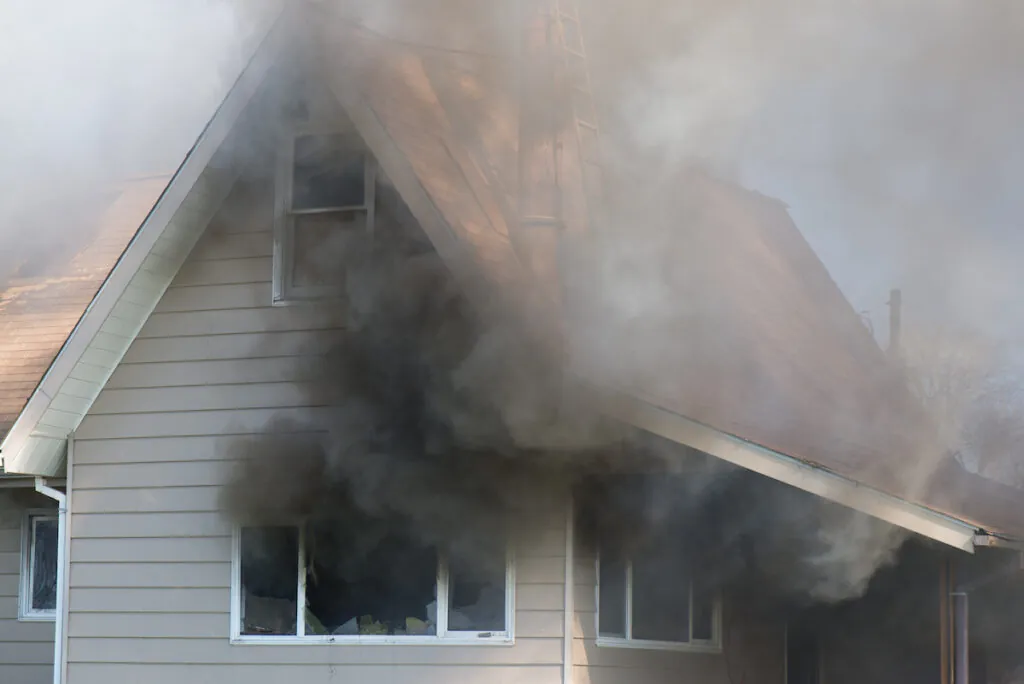
Even after a fire is extinguished, smoke, soot, and odor can continue to affect your home. Fire damage restoration services address visible damage while also helping reduce lingering effects that impact indoor air quality and surfaces.
Explore Our Fire and Smoke Damage Restoration Services
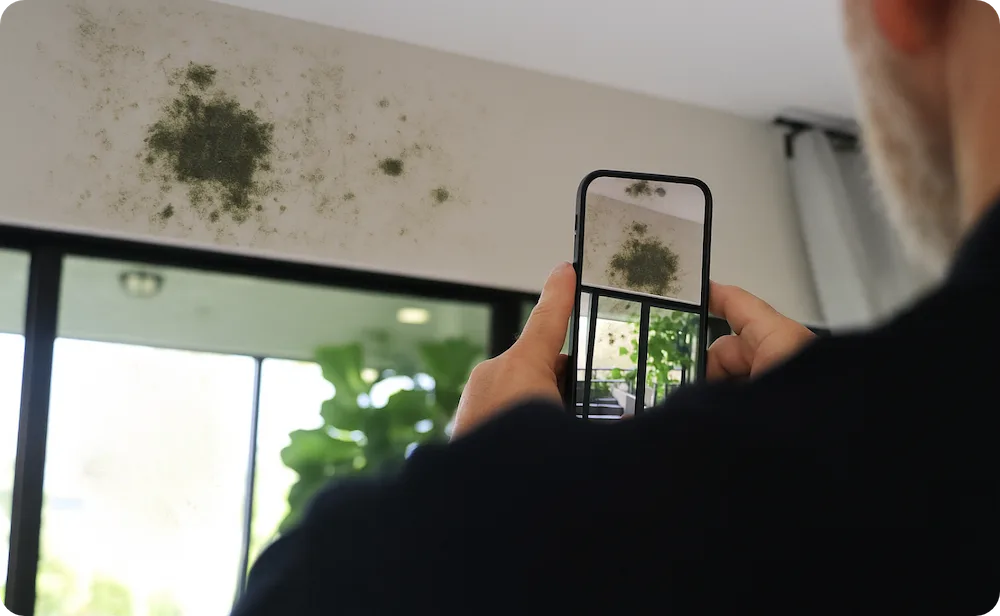
Mold often develops as a result of unresolved moisture or hidden water damage. Professional mold remediation helps identify affected areas, contain growth, and restore healthy indoor conditions.
Explore Our Mold Removal and Remediation Services
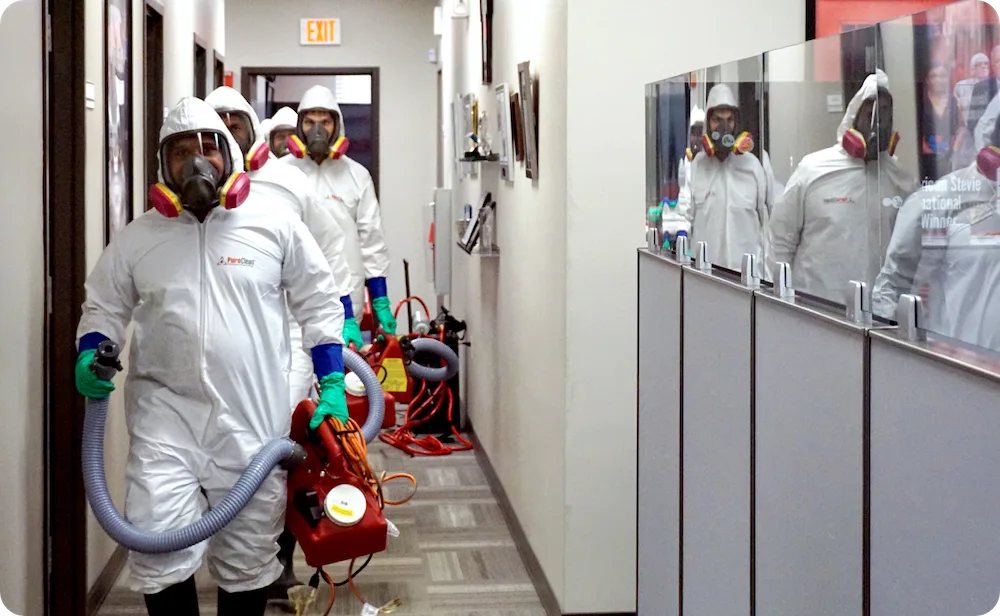
Biohazard situations, including crime scene cleanup and virus decontamination, require specialized cleaning and handling to protect health and safety. Biohazard cleanup services address contamination using proper protocols and professional care.
Explore Our Biohazard Cleanup Services
In some cases, property damage requires repairs beyond cleanup and mitigation. Reconstruction services help restore damaged areas of the home after water, fire, or other incidents, supporting a smoother transition from damage to recovery.
Explore Our Reconstruction Services Services
PuroClean provides 24/7 commercial property damage restoration services for businesses and facilities across the United States.
Explore Our Commercial Services
Water damage can result from unexpected leaks, flooding from storms, plumbing failures, or appliance malfunctions. Our certified teams focus on rapid water removal, drying, and stabilization to help prevent further damage and mold growth.
Explore Our Water Damage Mitigation Services

Answers to the questions Linwood homeowners and business owners ask most about water, mold, and fire damage restoration.
Western Linwood sits along Patcong Creek, a tributary of the Great Egg Harbor River, and the city’s own flood mapping identifies this corridor as a tidal flood risk area. Rising creek water is generally classified as flood damage, which standard homeowner’s policies exclude, so NFIP flood insurance is usually the relevant coverage rather than your HO-B. We’ll document the water line, affected materials, and source thoroughly so you have clear records no matter which policy applies.
Yes. The city has specifically identified the eastern marshland sections near Scull’s Bay as flood-prone, separate from the Patcong Creek risk on the west side, and that risk is expected to grow as coastal storm surge and tidal flooding become more pronounced with sea-level rise. Even homes that don’t sit directly on the water can still be affected by these conditions, so we always check your flood zone status as part of our assessment, not just visible proximity to the bay.
We do adjust our approach. Homes in the Shore Road historic district date back to the 1860s and 1870s, and many have original plaster walls, wood lath, and old-growth framing that respond differently to moisture than modern drywall and engineered lumber. Plaster can look fine while holding significant moisture behind it, so we rely more heavily on moisture meters and sometimes thermal imaging rather than visual inspection alone, and we’ll talk through preservation-minded options before recommending demolition of original materials.
Linwood’s location just off the Garden State Parkway and close to the Atlantic City Expressway makes it one of the more accessible parts of our service area, so we typically aim for arrival within our standard 1 to 4 hour window for an active water emergency. Frozen and burst pipes are common during cold snaps in homes with exterior-wall plumbing or unheated crawlspaces, and we’ll extract water immediately, then assess whether the freeze affected just one fixture or a broader section of plumbing.
Almost always, yes. Smoke particles travel through HVAC ductwork, under doors, and into adjoining rooms well beyond where the fire itself burned, and the type of soot, whether from grease, plastics, or general combustion, determines which cleaning agents we use. We’ll inspect rooms throughout the home for odor and soot film, not just the kitchen, and use techniques like air scrubbing or thermal fogging only where testing shows the smell has actually settled into materials.
What Our Customers Say:
When you need water damage restoration services near you, call the experts at PuroClean. We are here day or night, 24/7, to help remove any standing water quickly and begin your water restoration service. We monitor the drying process so you can rest assured that your property is dried thoroughly. We offer commercial water restoration services for businesses and residential water damage restoration for homeowners.

PuroClean of Vineland
(888) 598-1441
3003 N. Mill Road, Building 400, Suite 3, Vineland, NJ 08360

© 2026 PuroClean. All Rights Reserved.