24/7 Emergency Services For Water, Fire, Mold and Biohazard in Northfield, NJ
Serving Northfield, the Gateway to the Shore
Northfield is the community that South Jersey real estate agents have been describing the same way for decades: close enough to the beach to get there in eight minutes, far enough from the water to keep your homeowner’s insurance reasonable and your basement dry. The city’s own motto — Gateway to the Shore — says it precisely. At 3.5 square miles set seven miles west of Atlantic City, bounded by Pleasantville to the north, Linwood to the south, and Egg Harbor Township on both sides, Northfield offers the suburban quality of life that the barrier island communities cannot: good schools, manageable property taxes, 271 acres of parkland at Birch Grove, and an average home price that is still a fraction of what a comparable house costs in Margate or Longport.
The city incorporated in 1905 from Egg Harbor Township, separating from what had been called Bakersfield in honor of Daniel Baker, whose marine business anchored the early settlement along Shore Road. From the 1830s through the 1930s, two industries shaped Northfield’s development: a working seaport along the bayfront that produced sea captains whose homes — many still standing, recognizable by their widow’s walks — line the older streets of the city, and the Somers Brick Yard, whose clay operations eventually gave way to the 271 acres of wooded, pond-filled green space that is now Birch Grove Park. The Risley Homestead on Tilton Road, built in 1791, is one of the oldest structures in Atlantic County and now serves as the home of the Atlantic County Historical Society. The Atlantic City Country Club occupies a significant portion of the city’s bayfront, its grounds edging into the tidal salt marshes that define the eastern shoreline of the mainland.
PuroClean of Vineland serves all of Northfield with 24/7 emergency water damage restoration, mold remediation, fire damage cleanup, and sewage decontamination. Northfield’s homeowners are largely year-round residents — families, professionals commuting to Atlantic City, healthcare workers at nearby AtlantiCare, employees at the FAA William J. Hughes Technical Center — who invest meaningfully in their homes and have the most to lose when a water event goes unaddressed. Many Northfield homes have finished basements, renovated kitchens, and updated bathrooms that took years to build and represent significant financial investment beyond the structure itself.
The property damage calls we handle in Northfield reflect a well-maintained suburban city whose risk profile is defined by the age of its housing stock rather than by coastal flood exposure:
The Pleasantville to Somers Point Bike Path runs through Northfield, connecting the city to its neighbors Linwood and Somers Point in both directions. Mainland Regional High School — which Northfield shares with Linwood, Somers Point, and Longport — is the social institution that ties these communities together. Families in Northfield whose children go to Mainland with kids from Linwood and Somers Point form the referral network that makes word-of-mouth the most powerful marketing channel in this part of Atlantic County. A PuroClean crew that handles a water event well in a Northfield home on a Sunday morning earns a referral to a Linwood neighbor the following Tuesday.
Northfield is approximately 30 to 35 minutes from our Vineland location. The Garden State Parkway is the primary connector, and the Parkway’s interchange with the Atlantic City Expressway sits just north of the city — which means Northfield is one of the most highway-accessible communities in our service area. We take the Garden State Parkway north or the Atlantic City Expressway east depending on which gives us the fastest approach, and we exit directly into the Northfield area without navigating through Atlantic City or along the shore.
Here is how we route to different parts of the city:
The Parkway–Expressway interchange just north of Northfield is a logistical advantage that not all communities in our service area share. During major storm events that may complicate routes through Atlantic City or along the Shore Road corridor, we have multiple approach options into Northfield. We use whichever gets us there fastest. No barrier island access, no bridge bottleneck, no rural road challenge. Northfield is an accessible suburban city and we treat it with the response time that accessibility allows.
Northfield’s elevation gives it a genuine advantage over the barrier island and bayfront communities to its east. Surface flooding in Northfield is rare — the city sits on higher ground than the marsh-level communities of the shore, and there is no river running through it, no creek prone to overflow, and no tidal waterway at its doorstep. That elevation advantage is real and it is one of the reasons people choose Northfield over Margate or Ventnor. It means that the majority of water damage events in this city come from inside the building envelope — from the plumbing, the appliances, the roof, and the HVAC system — rather than from external flooding.
That is important context for how we think about Northfield’s risk profile. A call from a Northfield address is almost always a sudden-and-accidental internal water event covered under a standard homeowner’s policy rather than a flood insurance event. The pipe that let go under the kitchen sink. The supply hose behind the washing machine that failed after twelve years. The water heater in the basement closet that developed a slow leak and ran for three weeks before anyone noticed the soft spot in the floor above it. The dishwasher that overflowed while the family was at a Mainland Regional soccer game on a Saturday afternoon. These are the calls we receive in Northfield, and the restoration work that follows them — extraction, drying, documentation, reconstruction — is exactly what we do.
The pre-1970 housing stock creates specific vulnerability that the city’s elevation advantage does not offset. A significant portion of Northfield’s residential inventory — the Cape Cods, the bungalows, the split-levels along the older residential streets — was built when galvanized steel supply lines were standard, when sump pumps were not universally installed, and when bathroom and kitchen plumbing was serviced far less frequently than modern homeowners typically schedule maintenance. The older homes along Shore Road with their widow’s walks and sea captain heritage are charming — and they carry original or early-replacement plumbing that is decades past the end of its engineered service life. When those lines fail, they fail completely and without warning.
The bayfront character of Northfield’s eastern edge does introduce one environmental factor that is absent from truly inland communities. The salt marsh wetlands bordering the Atlantic City Country Club grounds and the tidal waterways adjacent to the city’s eastern boundary create elevated ambient humidity along that edge of the city. Homes near the bayfront and the marsh perimeter sit in a microclimate that is measurably more humid than the city’s interior blocks, particularly in the summer months when marine air moves across the marsh and into the residential streets adjacent to it. For older homes in that zone without modern vapor management in the crawl space or basement, that baseline humidity is a quiet, persistent contributor to mold conditions in the building envelope. It does not produce flood damage. It does produce mold.
The investment Northfield homeowners make in their properties — the finished basements, the renovated kitchens, the inground pools on the back patio described in listing after listing — means that the financial stakes of a water event in this city are higher than the modest structure value alone would suggest. A kitchen renovation that represents $80,000 of investment above the base cost of the house is worth protecting with prompt, professional mitigation when a dishwasher fails. The same applies to the finished basements that Northfield families have converted into home offices, gyms, and playrooms over the past decade. We document and restore those spaces to their pre-loss condition — not to the condition of the original unfinished basement.
We at PuroClean of Vineland can help you understand how restoration works and can help you respond quickly, minimize damage, and restore your property with confidence. Call us today at (888) 598-1441.
Owned & Operated by Rita & Sal Gaetano
, Vineland, NJ, 08360
(888) 598-1441
Water damage can result from unexpected leaks, flooding from storms, plumbing failures, or appliance malfunctions. Our certified teams focus on rapid water removal, drying, and stabilization to help prevent further damage and mold growth.
 Explore Our Water Damage Mitigation Services
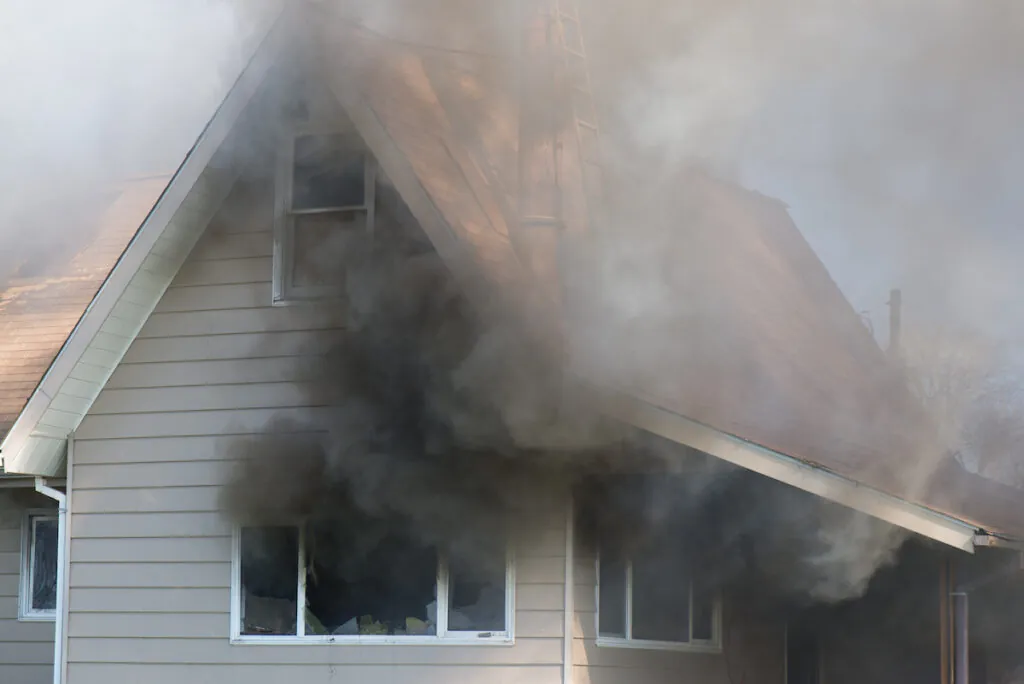
Even after a fire is extinguished, smoke, soot, and odor can continue to affect your home. Fire damage restoration services address visible damage while also helping reduce lingering effects that impact indoor air quality and surfaces.
Explore Our Fire and Smoke Damage Restoration Services
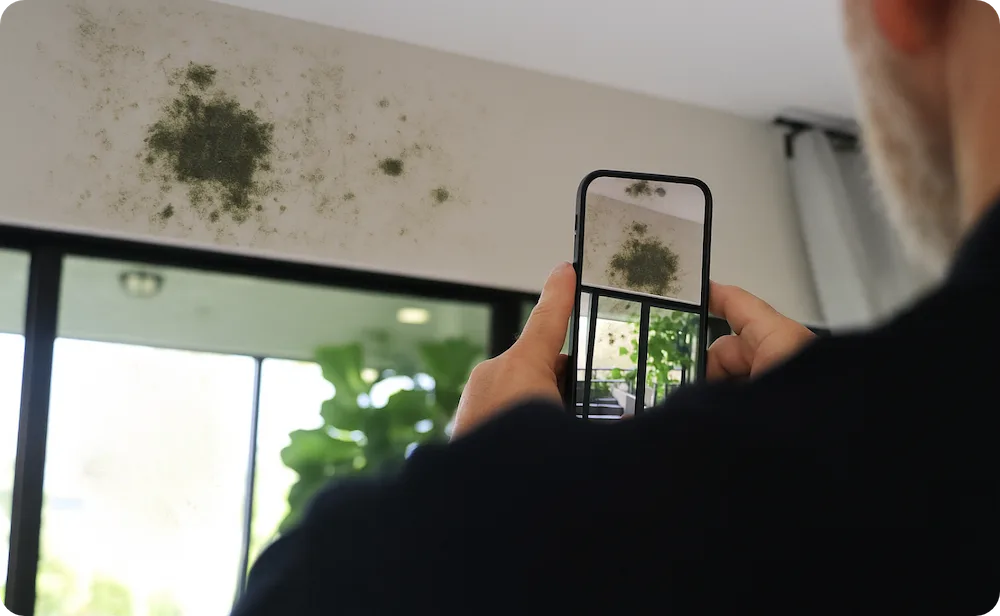
Mold often develops as a result of unresolved moisture or hidden water damage. Professional mold remediation helps identify affected areas, contain growth, and restore healthy indoor conditions.
Explore Our Mold Removal and Remediation Services
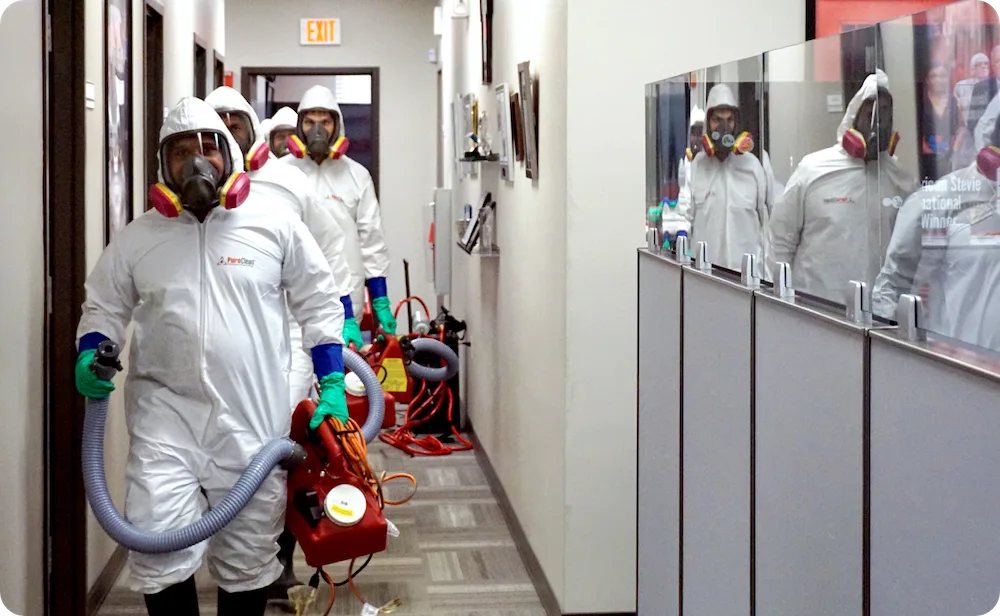
Biohazard situations, including crime scene cleanup and virus decontamination, require specialized cleaning and handling to protect health and safety. Biohazard cleanup services address contamination using proper protocols and professional care.
Explore Our Biohazard Cleanup Services
In some cases, property damage requires repairs beyond cleanup and mitigation. Reconstruction services help restore damaged areas of the home after water, fire, or other incidents, supporting a smoother transition from damage to recovery.
Explore Our Reconstruction Services Services
PuroClean provides 24/7 commercial property damage restoration services for businesses and facilities across the United States.
Explore Our Commercial Services
Water damage can result from unexpected leaks, flooding from storms, plumbing failures, or appliance malfunctions. Our certified teams focus on rapid water removal, drying, and stabilization to help prevent further damage and mold growth.
Explore Our Water Damage Mitigation Services

Answers to the questions Northfield homeowners ask most about water, mold, and fire damage restoration.
Usually, yes. Since Northfield sits on higher ground without a river, tidal creek, or bayfront running through the city, basement water here is far more often the result of an interior plumbing failure, a sump pump that couldn’t keep up with groundwater during a heavy rain, or a roof or gutter issue than actual flood water. That distinction matters for your claim, since plumbing-related losses are typically covered by your homeowner’s policy rather than requiring separate flood insurance. We’ll assess the source on-site and document it clearly either way.
Faster than most people expect, especially in older bungalows and Cape Cods with finished basement space. Once groundwater starts entering faster than gravity drainage can handle it, a failed sump pump can put several inches of water on a basement floor within hours, particularly during a multi-day rain event or a power outage during a storm. If your pump has been running heavily, it’s worth having it checked before it fails rather than after, and if it does fail, we’ll extract quickly and assess what the standing water reached, including built-ins and finished walls common in these older homes.
It does, mainly because of shared walls, shared plumbing stacks, and condo association rules around contractor access and scheduling. A leak from a unit above or a shared pipe can affect your space even though the source isn’t in your unit at all, so we always check whether the water originated locally or traveled down from elsewhere in the building. We coordinate with the condo association or property manager on access and any documentation they require, in addition to working directly with you.
Mold can begin colonizing within 24 to 48 hours of sustained moisture exposure under the right conditions, so a slow under-sink leak that goes unnoticed for weeks gives it plenty of time to establish itself in cabinetry, subfloor, and sometimes the wall behind the sink. We start with a mold inspection that includes moisture mapping under and around the affected cabinet, since the visible spot under the sink is rarely the full extent of where moisture has traveled.
Yes, and this combination is common, since firefighting efforts themselves often introduce significant water into a home even when the fire itself was contained quickly. We assess both the fire and smoke damage and the water that resulted from suppression efforts as part of the same job, prioritizing water extraction first to prevent secondary mold growth, then addressing soot, smoke odor, and any structural repair the fire itself caused.
What Our Customers Say:
When you need water damage restoration services near you, call the experts at PuroClean. We are here day or night, 24/7, to help remove any standing water quickly and begin your water restoration service. We monitor the drying process so you can rest assured that your property is dried thoroughly. We offer commercial water restoration services for businesses and residential water damage restoration for homeowners.

PuroClean of Vineland
(888) 598-1441
Vineland, NJ

© 2026 PuroClean. All Rights Reserved.