24/7 Emergency Services For Water, Fire, Mold and Biohazard in Margate City, NJ
Serving Margate City on Absecon Island’s “Downbeach” Shore
Margate City sits in the middle of Absecon Island — bordered by Ventnor City to the northeast and Longport to the southwest — with the Atlantic Ocean to the east and Beach Thoroughfare, the bay, to the west. The city stretches roughly a mile and a half long and about eight blocks wide at most points, a narrow strip of barrier island where ocean and bay are never more than a short walk apart in any direction. Originally called South Atlantic City, the community was renamed in 1897 after Margate in Kent, England, and incorporated as a municipality shortly after. Its year-round population sits at about 5,300 — but every summer that figure swells to an estimated 60,000 to 65,000 as second-home owners, seasonal renters, and beach visitors fill a city that has no hotels. Every occupied structure in the summer is a home, a beach house, or a rental unit.
The city’s most recognized landmark is Lucy the Elephant, the 65-foot wooden and tin-clad elephant built in 1881 as a restaurant-hotel attraction, declared a National Historic Landmark in 1976, and recognized as America’s oldest surviving roadside attraction. Lucy stands on the beach block at the ocean end of Decatur Avenue and has been drawing visitors to Margate for nearly 150 years. She is the starting point for tens of thousands of guided tours each season and the most photographed structure in Atlantic County. Just as iconic to longtime Margate residents is the Marven Gardens Historic District — named as a portmanteau of Margate and Ventnor, not the Monopoly board game’s version of the name — where well-preserved historic homes in a variety of architectural styles line carefully maintained streets near the city’s border with Ventnor. Gambrel roofs, multi-story porches, and century-old construction sit alongside sleek new builds throughout the city’s alphabetically organized avenues, from Argyle through Washington.
PuroClean of Vineland serves Margate City homeowners, property managers, and seasonal rental operators with 24/7 emergency water damage restoration, mold remediation, fire damage cleanup, and sewage decontamination. The city’s mix of historic homes, high-value new construction, and a dense seasonal rental market creates a restoration context that is different from the quieter seasonal communities to the south. We work across all of it — from a pipe failure in a Marven Gardens Victorian discovered mid-winter to storm surge water in a bay-adjacent rental unit during a summer nor’easter.
The water damage calls we handle in Margate reflect the city’s full exposure profile as an island community where FEMA flood maps classify the entire city — from Beach Thoroughfare to the Atlantic Ocean — as a floodplain:
Margate has no hotels. When a family rents a beach house on Monmouth Avenue for the week of the Fourth of July and a pipe fails in the unit above them, there is no front desk to call and no maintenance staff on the property. The call comes to us. We navigate seasonal rental property access the same way we handle Longport’s vacant second homes: through the property management company, with whatever access information is available, moving as fast as the situation requires.
We reach Margate in approximately 40 minutes from our Vineland location. The Atlantic City Expressway brings us east to the island, and from there we have two practical approach routes depending on which part of the city the call is coming from and what traffic conditions look like on Atlantic Avenue heading south through Ventnor.
The standard approach for most Margate calls is the Atlantic City Expressway east to Atlantic City, then south on Atlantic Avenue through Ventnor City into Margate. Atlantic Avenue runs the length of the island and drops us into the city from the Ventnor side — near the Fredericksburg Avenue city line — and we work south from there. The second approach, particularly useful for bay-side addresses and properties in the southern part of the city nearer the Longport border, is the Garden State Parkway south to the Somers Point area, then east across the bridge and onto the island via Somers Point, coming into Margate from the mainland side through Egg Harbor Township via the Downbeach Express on Jerome Avenue. That route bypasses Atlantic City traffic entirely.
Here is how we navigate to different parts of the city:
Margate’s position at the midpoint of the island gives us some routing flexibility that Longport at the southern tip does not have — we can approach from either direction depending on conditions. During major storm events, when Atlantic Avenue through Atlantic City may be compromised by flooding or emergency activity, the mainland approach via Jerome Avenue becomes the primary route. We know both and use the one that gets us there fastest.
The distinction between Margate and most of the other communities in our service area is that there is no part of this city outside the floodplain. FEMA flood maps show Margate entirely within a flood hazard area from the bay to the ocean. The city’s own flood protection documentation acknowledges it plainly: flood insurance is a need for every property owner here. The U.S. Army Corps of Engineers has been a sustained presence in the city’s infrastructure work. The city has installed tidal check valves on 21 stormwater outfall pipes along the bayfront specifically to prevent bay water from backing up into the drainage system during high-tide and storm events. A new, larger drainage system has been installed along Ventnor Avenue the length of the city. These are not precautionary measures — they are responses to flooding that has already happened, repeatedly, at addresses across the entire city.
The bay-side flooding dynamic in Margate is shaped by Beach Thoroughfare, the tidal waterway that defines the city’s western boundary. During coastal storms that push water northward through the inlet system, Beach Thoroughfare rises and water moves into the bayfront streets. The city’s tidal check valves reduce the volume of water that backs up through the storm drains, but they do not stop water from entering at grade level through doors, through low foundation openings, or from accumulating in streets that drop below the bay water level during a surge event. Properties along the bay-side avenues — and those in the lower-lying interior blocks where stormwater collects when the drainage system is overwhelmed — are the most exposed.
The ocean side produces the more dramatic flood events. Storm surge from a nor’easter or tropical system can push water across the beach and into the oceanfront blocks faster than any drainage system can respond. Lucy the Elephant, which has survived nearly 150 years of coastal weather at the beach block on Decatur Avenue, is a testament to what storm-hardened construction can endure. Most of the homes directly ocean-adjacent are not nearly that old, and the mix of original-era construction and newer high-value beachfront builds creates variable flood resilience across the oceanfront blocks.
The 12-times population surge from winter to summer creates a water damage dynamic that is specific to Margate and unlike anything in the rural communities in our service area. At the height of summer, when 60,000 or more people occupy a city built for 5,300, every mechanical system in the city is operating at maximum load. Water heaters, HVAC systems, plumbing supply lines, and appliances in properties rented by multiple sequential families through the season are running continuously without the maintenance attention a year-round occupied home receives. Summer water events in Margate often involve rental properties where the responsibility for immediate action sits with a property manager rather than the owner, and where the clock is running against the next rental guest’s arrival.
The salt air environment is a persistent factor in every Margate restoration project, as it is throughout Absecon Island. Marine humidity corrodes mechanical components, accelerates the deterioration of building materials exposed to moisture, and keeps interior humidity elevated even in mechanically controlled buildings. When a Margate home takes on water — from any source — the drying process works against a higher ambient moisture baseline than an inland property. Professional dehumidification calibrated to actual psychrometric conditions in the space is not optional in this environment. It is what produces a fully dried result rather than a surface-dry one.
Owned & Operated by Rita & Sal Gaetano
3003 N. Mill Road, Vineland, NJ, 08360
(888) 598-1441
Water damage can result from unexpected leaks, flooding from storms, plumbing failures, or appliance malfunctions. Our certified teams focus on rapid water removal, drying, and stabilization to help prevent further damage and mold growth.
 Explore Our Water Damage Mitigation Services
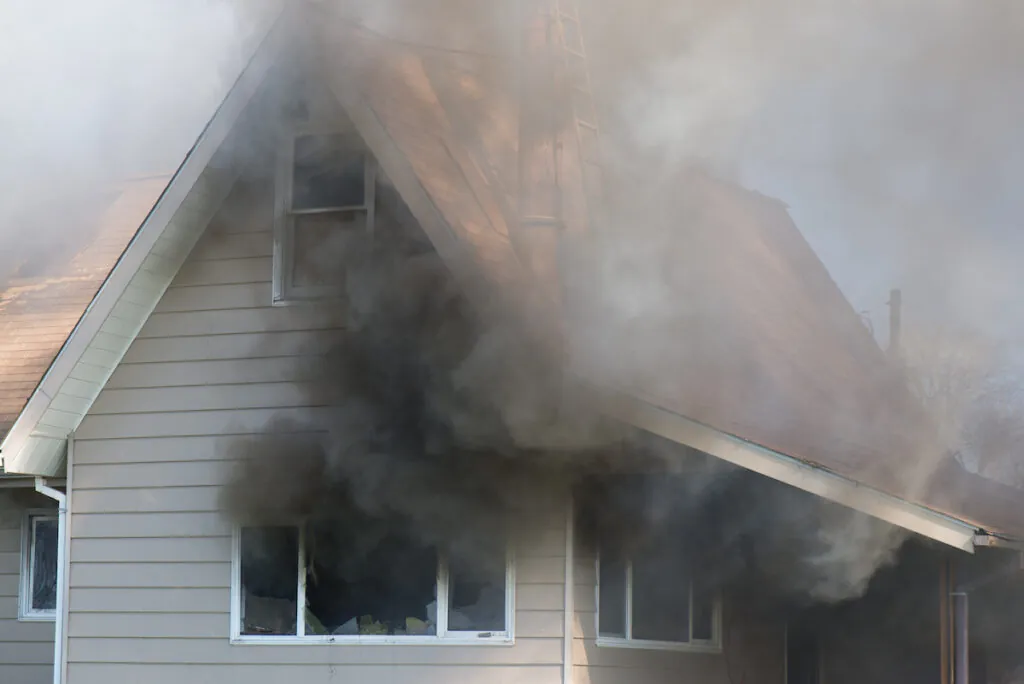
Even after a fire is extinguished, smoke, soot, and odor can continue to affect your home. Fire damage restoration services address visible damage while also helping reduce lingering effects that impact indoor air quality and surfaces.
Explore Our Fire and Smoke Damage Restoration Services
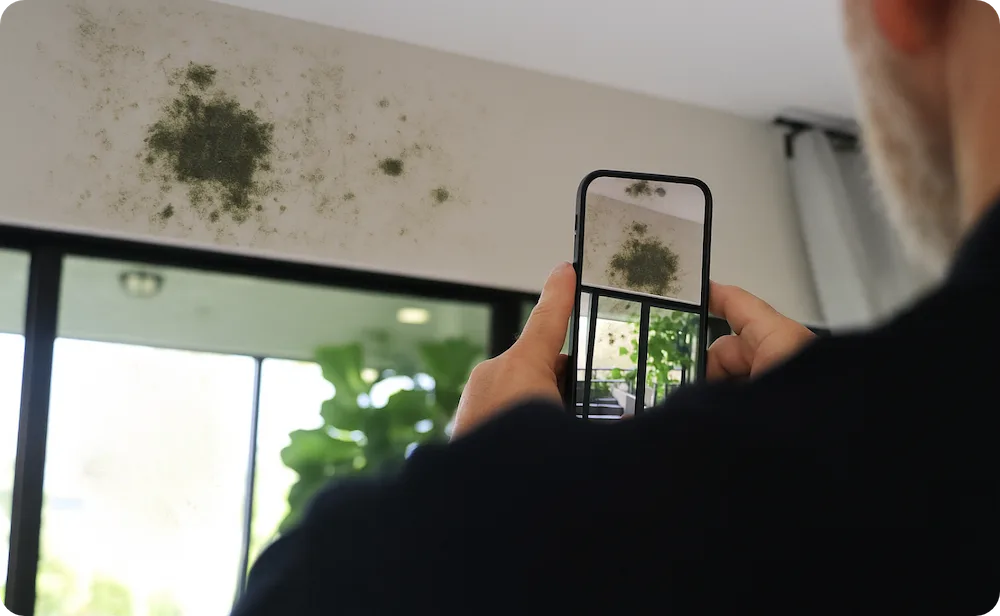
Mold often develops as a result of unresolved moisture or hidden water damage. Professional mold remediation helps identify affected areas, contain growth, and restore healthy indoor conditions.
Explore Our Mold Removal and Remediation Services
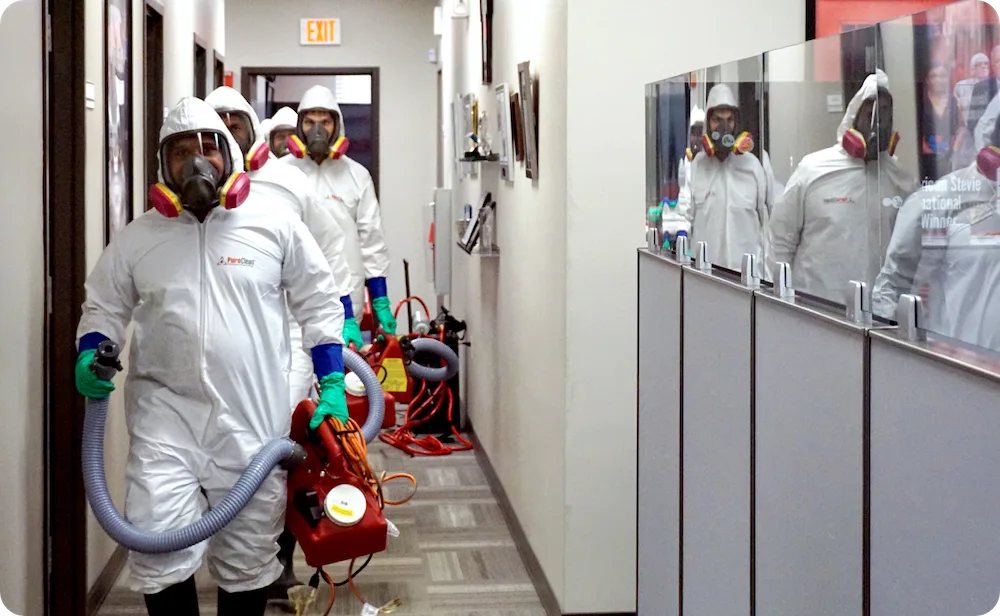
Biohazard situations, including crime scene cleanup and virus decontamination, require specialized cleaning and handling to protect health and safety. Biohazard cleanup services address contamination using proper protocols and professional care.
Explore Our Biohazard Cleanup Services
In some cases, property damage requires repairs beyond cleanup and mitigation. Reconstruction services help restore damaged areas of the home after water, fire, or other incidents, supporting a smoother transition from damage to recovery.
Explore Our Reconstruction Services Services
PuroClean provides 24/7 commercial property damage restoration services for businesses and facilities across the United States.
Explore Our Commercial Services
Water damage can result from unexpected leaks, flooding from storms, plumbing failures, or appliance malfunctions. Our certified teams focus on rapid water removal, drying, and stabilization to help prevent further damage and mold growth.
Explore Our Water Damage Mitigation Services

Answers to the questions Margate City homeowners and condo owners ask most about water, mold, and fire damage restoration.
Margate’s Community Flood Rating of 4, the best in Atlantic County, gets residents a meaningful discount on NFIP premiums, but it doesn’t change what’s actually covered. NFIP flood policies generally cover structural damage and a limited list of contents, often with separate, lower limits for items in a basement or ground-level enclosure. We’ll always document the source and extent of water intrusion clearly, since a discount on premium doesn’t reduce the importance of solid documentation when you’re filing a claim.
Possibly less than bayfront blocks, but Margate’s entire footprint sits on a narrow barrier island, and storm surge combined with heavy rain can overwhelm street-level drainage even several blocks from the water. We check your specific flood zone designation as part of our initial assessment rather than assuming risk based on distance from the bay alone, since elevation and drainage capacity vary block by block even in the Atlantic Avenue corridor.
Not directly. An interior pipe failure is an entirely separate type of loss from storm surge, and it’s typically a Category 1 or 2 water event covered under your homeowner’s or condo association policy rather than flood insurance. A building’s storm history doesn’t change how we approach an internal plumbing failure: we extract the water, assess moisture in walls and flooring with meters, and dry to standard regardless of how the building performed in past coastal events.
Shared walls, corridors, and in some buildings shared ventilation paths mean smoke odor and soot can travel beyond the unit of origin, so we typically check adjoining units and common hallways for soot film and odor, not just the unit where the fire occurred. We coordinate with the building’s property manager or condo association on access and scheduling, since multi-unit buildings often have specific rules about contractor access, freight elevators, and work hours that single-family homes don’t.
It’s a common pattern in seasonal shore properties, since a closed-up house with no air exchange traps humidity, and any small leak or condensation issue gets the chance to develop into visible or hidden mold growth over months rather than being caught quickly. We’ll inspect likely problem areas like bathrooms, under sinks, and around window frames, check moisture levels, and identify whether the smell points to active growth or just stale, humid air before recommending remediation.
What Our Customers Say:
When you need water damage restoration services near you, call the experts at PuroClean. We are here day or night, 24/7, to help remove any standing water quickly and begin your water restoration service. We monitor the drying process so you can rest assured that your property is dried thoroughly. We offer commercial water restoration services for businesses and residential water damage restoration for homeowners.

PuroClean of Vineland
(888) 598-1441
3003 N. Mill Road, Building 400, Suite 3, Vineland, NJ 08360

© 2026 PuroClean. All Rights Reserved.