24/7 Emergency Services For Water, Fire, Mold and Biohazard in Buena, NJ
Buena Borough — nestled at the westernmost corner of Atlantic County along the Black Horse Pike (Route 40) — is a close-knit community of roughly 4,500 residents spread across three distinct neighborhoods: Buena, Landisville, and Minotola. Named in honor of the 1847 Battle of Buena Vista and incorporated on September 1, 1948, this 7.57-square-mile borough is defined by its peaceful country character, its deep community ties, and its unique position between the farm-pocketed outskirts of Vineland and the vast New Jersey Pinelands National Reserve.
That geography — beautiful as it is — also creates specific property damage risks that Buena homeowners face year-round. Sandy, highly permeable Pinelands-adjacent soils contribute to rapid water table rise during heavy precipitation, putting basement foundations under hydrostatic pressure. Properties throughout the borough sit in a zone where groundwater responds quickly to rainfall, where agricultural field drainage pushes water toward residential lots along the Cumberland County border, and where summer humidity from the surrounding Pinelands ecosystem keeps moisture levels elevated inside homes long after a water event.
PuroClean of Vineland has served Buena Borough homeowners and small businesses with 24/7 emergency water damage restoration, professional mold remediation, fire damage cleanup, and sewage decontamination. We understand the local landscape, the neighborhood names, and what it means to residents of this community to protect the homes they’ve built their lives around — from the community gatherings at Bruno Melini Park to the pilgrims visiting the St. Padre Pio Shrine in Landisville. Buena is a community we’re proud to serve.
The types of water damage calls we handle in Buena reflect what the borough actually is — a mix of residential properties on varied terrain, small commercial buildings along the Black Horse Pike, and homes that sit close to both farmland and the Pinelands edge. The calls look like this:
We’ve run jobs at residential addresses backing up to open agricultural land off Harding Highway and at commercial properties right on the Pike. The property types are different. The problems that follow water damage are consistent: the longer it sits, the worse it gets.
Route 40 — the Black Horse Pike — connects Vineland directly to Buena. We head east on 40 and we’re pulling into a driveway in the borough within about fifteen minutes of leaving our location on Weymouth Road. That’s the main artery and we know every stretch of it. The communities along that corridor — Landisville, Buena, Minotola — are all accessible quickly once we’re on Route 40 heading east.
Here’s how we typically reach different parts of the borough:
Buena is compact enough that once we’re off Route 40, we’re close to wherever we need to be. There’s no part of this borough that feels far once you know the layout. And knowing the layout — which streets dead-end, where the rural lots start, how the three neighborhoods connect — is something that comes from doing this work here regularly, not from a navigation app.
What matters as much as drive time is showing up with the right equipment for what’s there. A crawl space property in Minotola needs different drying setup than a full basement on the Landisville side. When we get a call from a Buena address, we’re already thinking about the neighborhood and what the job is likely to involve. That saves time on-site and means fewer surprises for the homeowner.
Buena sits at a geographic edge point. To the east, the New Jersey Pinelands National Reserve begins. To the west, Cumberland County farmland stretches out toward Vineland. That position shapes how water behaves in and around the borough across every season.
The Pinelands side of the borough has sandy, highly permeable soil. Water moves through it fast, which sounds like a good thing until the water table rises. During and after heavy rain, the water table in the lower areas of Buena — particularly near the Minotola section — can climb to within a few feet of the surface. When that happens, basement floors and foundation walls feel the pressure from below and from the sides. Sump pumps handle it under normal conditions. Take the power out during the same storm that’s raising the water table and you have a flooding problem that arrives fast.
The agricultural western edge behaves differently. That soil is heavier and holds water longer. During a hard rain, fields drain toward the nearest low point, and in Buena that sometimes means residential lots along the boundary streets. We’ve responded to flooding on that side of the borough after storms that barely registered in Vineland. The water came across open land faster than the grade and drainage could redirect it.
Summer humidity is another factor specific to this location. The Pinelands ecosystem holds moisture. Evenings in Buena during July and August carry humidity that stays elevated long after a rain event passes. For a home that took on water and wasn’t fully dried, that ambient humidity slows the drying process and keeps conditions favorable for mold growth inside wall cavities and under floors. That’s why professional drying equipment — dehumidifiers calibrated to the actual moisture conditions in the space, not just a fan moving air around — matters in this environment specifically.
Winter brings freeze-thaw risk on top of the seasonal moisture pattern. Buena gets cold snaps between December and February that move through quickly but drop temperatures fast. Crawl space properties and homes with pipes in unheated utility areas are vulnerable when that happens. We get calls from the Minotola and Landisville sides of the borough every January when a hard freeze catches a pipe in a space that isn’t heated. The geography and the weather in Buena don’t cause problems all at once — they cycle through them season by season.
Owned & Operated by Rita & Sal Gaetano
3003 N. Mill Road, Vineland, NJ, 08360
(888) 598-1441
Water damage can result from unexpected leaks, flooding from storms, plumbing failures, or appliance malfunctions. Our certified teams focus on rapid water removal, drying, and stabilization to help prevent further damage and mold growth.
 Explore Our Water Damage Mitigation Services
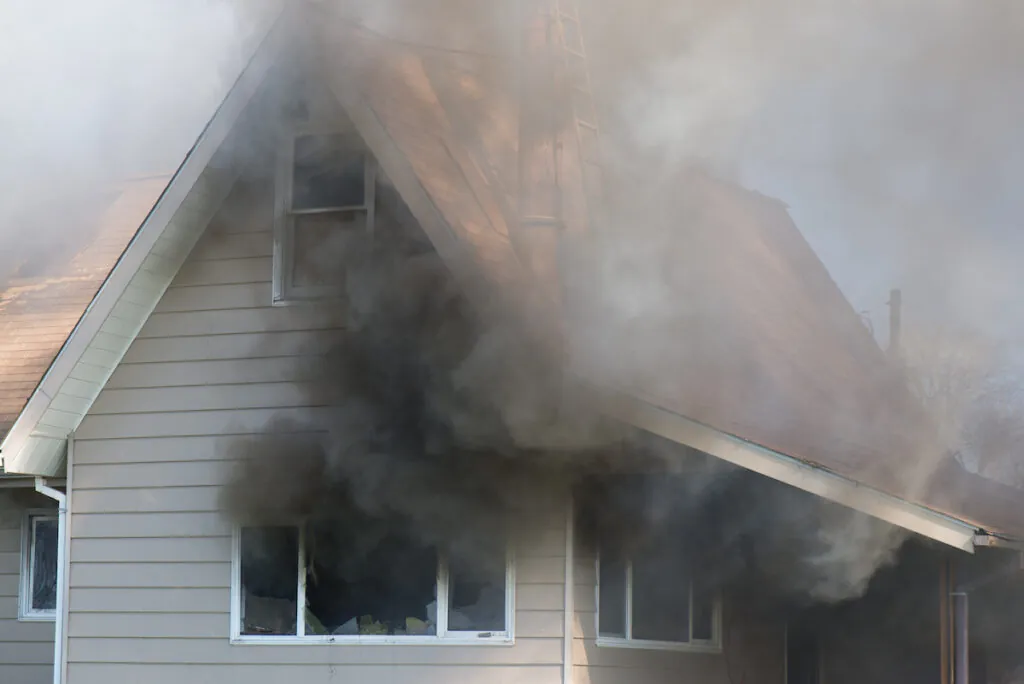
Even after a fire is extinguished, smoke, soot, and odor can continue to affect your home. Fire damage restoration services address visible damage while also helping reduce lingering effects that impact indoor air quality and surfaces.
Explore Our Fire and Smoke Damage Restoration Services
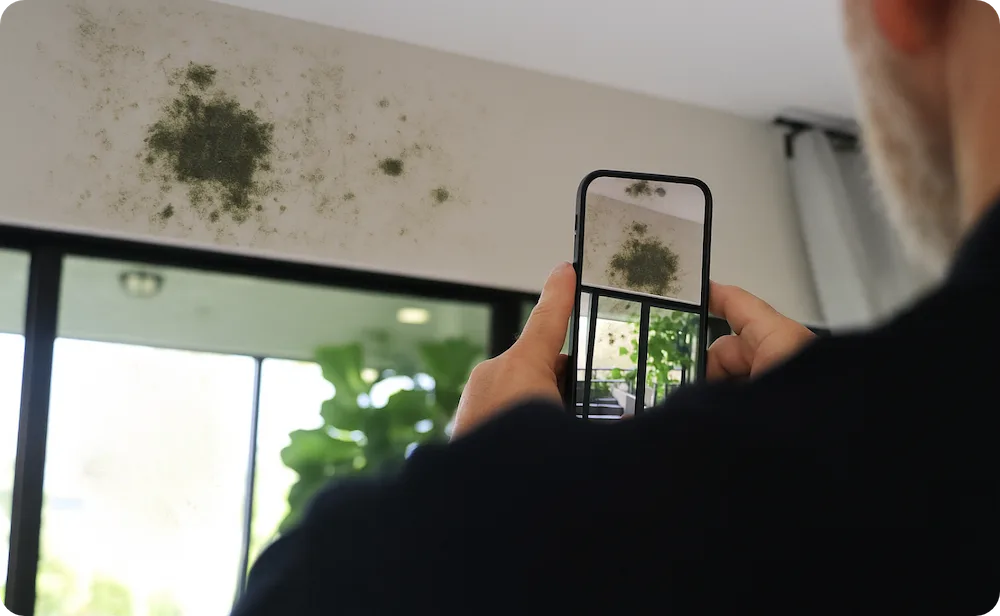
Mold often develops as a result of unresolved moisture or hidden water damage. Professional mold remediation helps identify affected areas, contain growth, and restore healthy indoor conditions.
Explore Our Mold Removal and Remediation Services
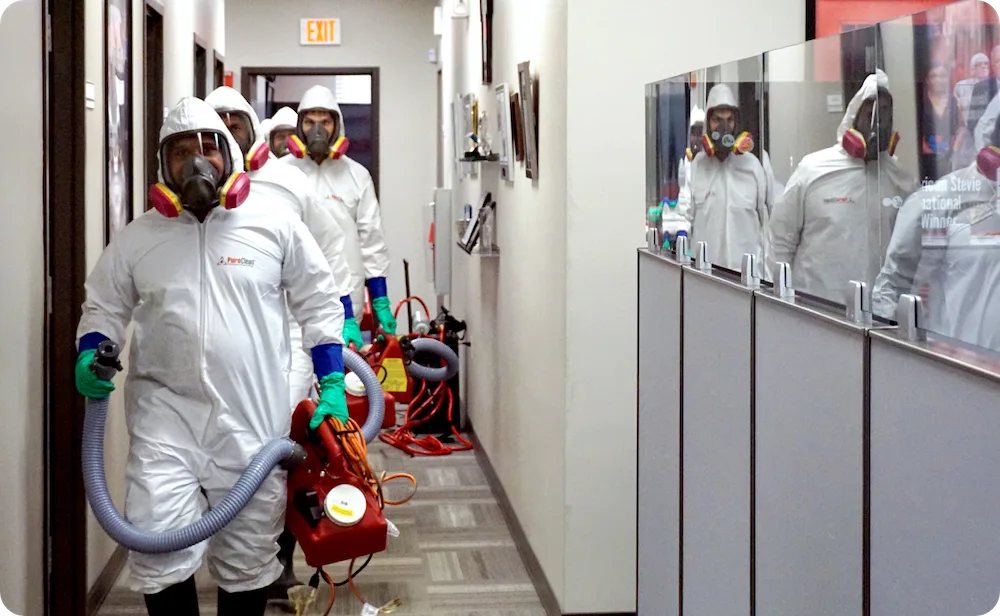
Biohazard situations, including crime scene cleanup and virus decontamination, require specialized cleaning and handling to protect health and safety. Biohazard cleanup services address contamination using proper protocols and professional care.
Explore Our Biohazard Cleanup Services
In some cases, property damage requires repairs beyond cleanup and mitigation. Reconstruction services help restore damaged areas of the home after water, fire, or other incidents, supporting a smoother transition from damage to recovery.
Explore Our Reconstruction Services Services
PuroClean provides 24/7 commercial property damage restoration services for businesses and facilities across the United States.
Explore Our Commercial Services
Water damage can result from unexpected leaks, flooding from storms, plumbing failures, or appliance malfunctions. Our certified teams focus on rapid water removal, drying, and stabilization to help prevent further damage and mold growth.
Explore Our Water Damage Mitigation Services

Answers to the questions Buena homeowners and small business owners ask most about water, mold, and fire damage restoration.
It’s usually treated as a sudden mechanical failure rather than a flood, which is good news for coverage, but well-fed water in Buena often carries iron, sediment, or sulfur that surface-supplied water doesn’t, so we may need to treat it closer to a Category 2 loss depending on standing time and what it picked up in the basement. We’ll test and document the water on arrival, extract it, and let you know exactly how we’re classifying the loss before drying begins so your adjuster sees consistent documentation.
Septic backups are Category 3, or “black water,” under IICRC S500 standards, regardless of how clear the water looks. That classification means we can’t simply dry materials like carpet, carpet pad, or baseboard trim in place; they have to be removed and disposed of properly, and the affected area gets antimicrobial treatment before drying equipment goes in. Septic field saturation is common on the smaller, sandy lots typical of Buena and Buena Vista Township, so we’ll also check whether the drain field itself needs a separate repair before the problem can recur.
It’s a common pattern in this part of Buena Vista Township. The sandy, porous soil that sits over the Kirkwood-Cohansey aquifer drains quickly on the surface but keeps a crawlspace damp from below, especially in older farmhouses without a vapor barrier. We’ll run moisture meters along the crawlspace floor and framing, identify whether the source is groundwater intrusion, a plumbing leak, or both, and give you a written scope before any mold remediation work starts.
Yes, we work in manufactured and mobile housing throughout Buena and Buena Vista Township, which has a meaningful share of this housing stock along and off US Route 40. Water and fire damage in these homes often moves differently than in a site-built house, since materials like underlayment, skirting, and tie-down areas can trap moisture or allow fire to spread along utility chases. We adjust our extraction and drying approach accordingly and explain what we’re seeing as we go.
Smoke odor won’t contaminate well water, but it absolutely can travel through HVAC ductwork and into furniture, drywall, and insulation well beyond the room where the fire started, particularly in homes with forced-air systems pulling air across the affected area. We’ll inspect ductwork and adjoining rooms for soot and odor penetration, not just the area immediately around the wood stove, and use targeted treatments like air scrubbers or thermal fogging where the smell has settled into materials rather than just the air.
What Our Customers Say:
When you need water damage restoration services near you, call the experts at PuroClean. We are here day or night, 24/7, to help remove any standing water quickly and begin your water restoration service. We monitor the drying process so you can rest assured that your property is dried thoroughly. We offer commercial water restoration services for businesses and residential water damage restoration for homeowners.

PuroClean of Vineland
(888) 598-1441
3003 N. Mill Road, Building 400, Suite 3, Vineland, NJ 08360

© 2026 PuroClean. All Rights Reserved.