24/7 Emergency Services For Water, Fire, Mold and Biohazard in Longport, NJ
Longport occupies the southwestern corner of Absecon Island — the same barrier island shared with Margate City, Ventnor City, and Atlantic City to the northeast. It is the smallest and southernmost of the four communities on the island, incorporated in 1898, and named for James Long, the landowner who first purchased the property in 1857 when it was described, matter-of-factly, as an absolutely primitive waste. What grew there over the following decades was one of the most exclusive small communities on the Jersey Shore.
The numbers tell the story plainly. As of the 2020 census, Longport’s permanent population was 893 people — but the borough has 1,656 housing units. Nearly half the homes in Longport sit empty for significant portions of the year. The median sale price ranked Longport as the 22nd most expensive ZIP code in New Jersey in 2018, and the borough carried the highest average property tax bill in all of Atlantic County at $10,872. Single-family homes, condominiums, and beachfront properties push right to the edge of the sand on the ocean side, separated from the beach by a low cement wall. On the bay side, the Great Egg Harbor Inlet defines the southern boundary of the island, just below where the numbered streets stop at 11th Avenue.
Those streets start at 11th — not 1st — for a reason that is central to understanding Longport’s relationship with water. Between 1900 and 1916, a series of storms washed approximately 180 acres of the southern end of Absecon Island into the inlet. The ten numbered avenues below 11th are gone. They became part of what is now the Gardens neighborhood of Ocean City. The land itself moved. That history is not ancient — it is the foundation of why every property in Longport sits on a barrier island that the Atlantic Ocean has already proven it can reshape.
PuroClean of Vineland serves Longport’s homeowners, property managers, and second-home owners with 24/7 emergency water damage restoration, mold remediation, fire damage cleanup, and sewage decontamination. We understand that the client calling from a Longport address is often not the person who lives there full-time — they may be a second-home owner calling from another state after a property manager or neighbor sent them a photo of standing water in a house that has been closed since October. That dynamic shapes how we communicate, how we document, and how we work with insurance carriers on behalf of clients who cannot always be present.
The property damage calls we handle in Longport reflect what life on a narrow, high-value barrier island actually produces:
The Longport Historical Society Museum, housed in the former United States Coast Guard building near Borough Hall on Atlantic Avenue, is a reminder of how seriously this community takes its relationship with the sea. The Coast Guard presence here was not incidental — it was necessary. That same maritime exposure defines the property damage risk every homeowner on this island lives with today.
Longport is roughly 40 to 45 minutes from our Vineland location. We take the Atlantic City Expressway east toward the island, then route south through the beach communities on Absecon Island — through Ventnor and Margate on Atlantic Avenue — until we reach Longport at the southern end. There is one road in and out of Longport on the island, which means access planning matters more here than in almost any other community we serve.
The route south along Atlantic Avenue through Ventnor and Margate is the standard approach. Here is how we navigate to different parts of the borough:
One logistical reality specific to Longport is the seasonal population dynamic and what it means for access. During the off-season — roughly October through May — many of the properties we respond to are locked, keypad-controlled, or managed by a property management company rather than the owner. We are accustomed to working through that chain of contacts: the property manager has the alarm code, the neighbor has the spare key, the owner is in Florida and needs a video walkthrough to authorize the work authorization. We have done all of that. We communicate clearly, document thoroughly, and keep the absent owner informed at every step.
During the summer season, Longport’s population swells significantly as second-home owners and their families arrive. Water events in summer — particularly during severe thunderstorms or tropical systems that move through the shore during July and August — can affect occupied homes with the owners on-site and wanting immediate, fast service. We respond to both the vacant off-season call and the summer in-season emergency with the same 24/7 availability.
Longport is not just near the water. Longport is a narrow strip of sand sitting between the Atlantic Ocean and the Great Egg Harbor Inlet, with the island’s demonstrated history of physical loss as the most concrete evidence available of its exposure. The ten streets that no longer exist — the avenues from 1st through 10th that were consumed by storm-driven erosion and inlet migration between 1900 and 1916 — are the only evidence a homeowner needs that this island’s relationship with sea level is not theoretical. It happened within living memory of the borough’s incorporation. It shaped the geometry of the island that exists today.
Every property in Longport faces dual water exposure. The ocean side is the more dramatic risk — storm surge from a significant nor’easter or tropical system pushes walls of water over the beach and into the oceanfront blocks. That water is saltwater mixed with sand, debris, and biological material from the ocean floor. It is not clean water by any measure. The IICRC classifies it as Category 3 — grossly contaminated — and the remediation scope for a home that has taken on ocean surge is accordingly comprehensive: full extraction, removal of all contaminated porous materials including drywall, insulation, and flooring, structural drying, antimicrobial treatment, and documentation before any reconstruction begins.
The bay side produces a different kind of event. The Great Egg Harbor Inlet at the southern tip of the island is a tidal waterway, and storm events that push water northward through the inlet system can flood the western-facing streets of Longport from the bay side while the ocean is simultaneously pushing from the east. During Sandy in 2012, properties throughout Absecon Island experienced flooding from both directions within the same storm event. Longport’s position at the narrow southern tip of the island — where the ocean and the inlet are at their closest — makes it among the most geographically compressed flood-exposure points on the entire island.
The seasonal vacancy dynamic amplifies the damage profile in a way that does not apply to year-round communities. A pipe that freezes and bursts in a Longport home on a January night may not be discovered until the owner arrives in late May. By that point, the water has been sitting in the wall cavities, under the flooring, and potentially in a finished basement for four or five months. Mold colonies that took hold in February have had an entire heating season to establish throughout the wall assembly. The restoration scope of a winter pipe failure discovered in spring is categorically different from the same pipe failure discovered the morning it happens. The property value at stake — a Longport home worth $800,000 or more — makes that discovery lag extraordinarily costly.
The marine environment also affects building components in ways that matter for restoration. Salt air accelerates corrosion in HVAC systems, electrical panels, and mechanical equipment throughout Longport’s housing stock. A water damage event that saturates a wall cavity in a Longport home exposes insulation, framing, and any mechanical components within that cavity to conditions that are more corrosive than the same event in an inland home. Material replacement decisions after a water loss in Longport account for the baseline condition of the building’s existing components — what was already showing marine-environment wear and what was recently upgraded.
Owned & Operated by Rita & Sal Gaetano
3003 N. Mill Road, Vineland, NJ, 08360
(888) 598-1441
Water damage can result from unexpected leaks, flooding from storms, plumbing failures, or appliance malfunctions. Our certified teams focus on rapid water removal, drying, and stabilization to help prevent further damage and mold growth.
 Explore Our Water Damage Mitigation Services
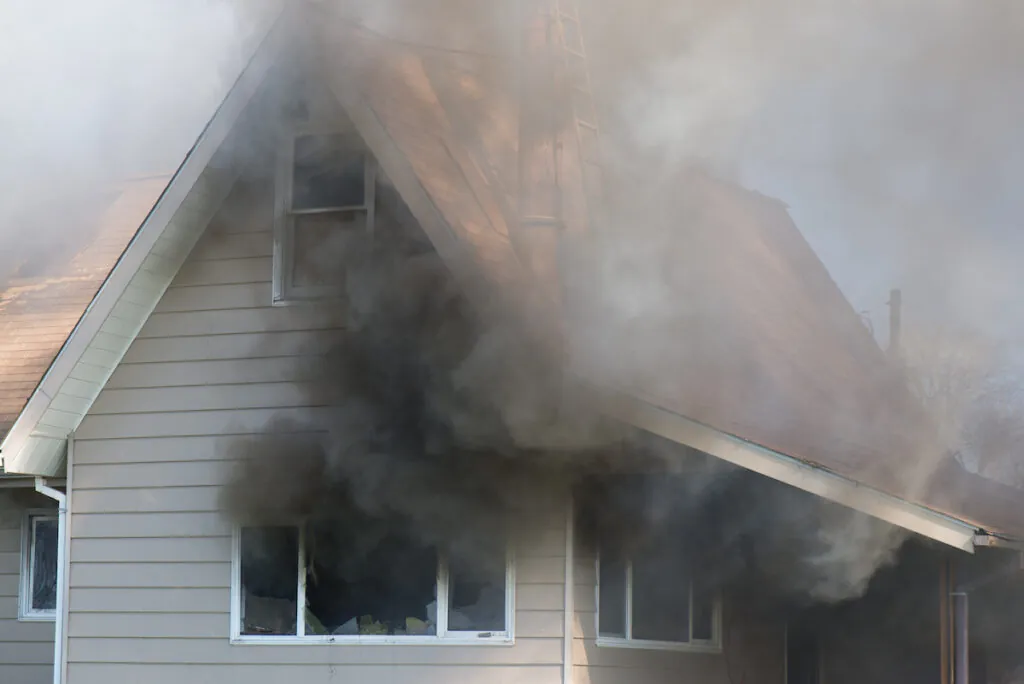
Even after a fire is extinguished, smoke, soot, and odor can continue to affect your home. Fire damage restoration services address visible damage while also helping reduce lingering effects that impact indoor air quality and surfaces.
Explore Our Fire and Smoke Damage Restoration Services
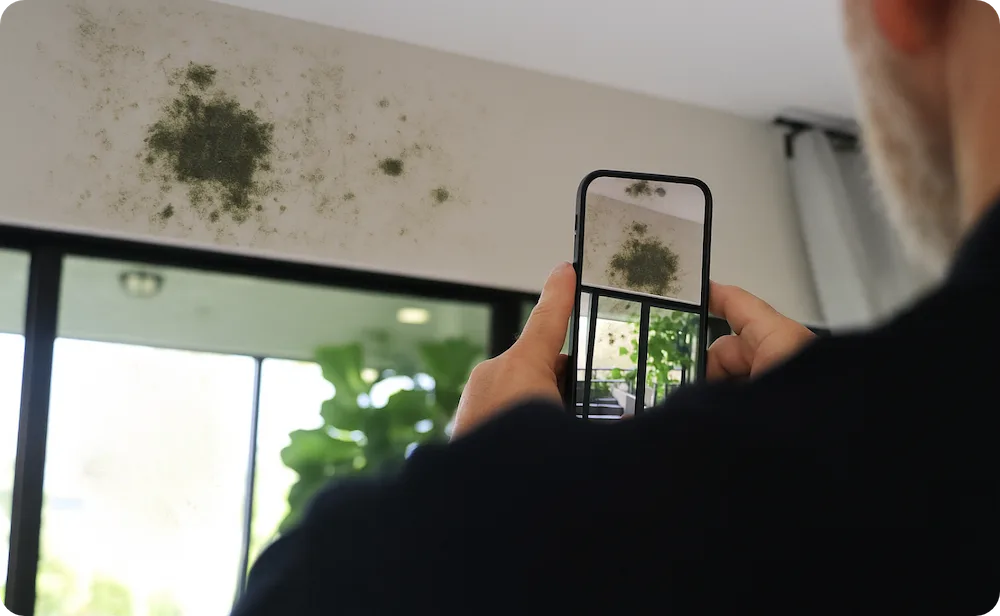
Mold often develops as a result of unresolved moisture or hidden water damage. Professional mold remediation helps identify affected areas, contain growth, and restore healthy indoor conditions.
Explore Our Mold Removal and Remediation Services
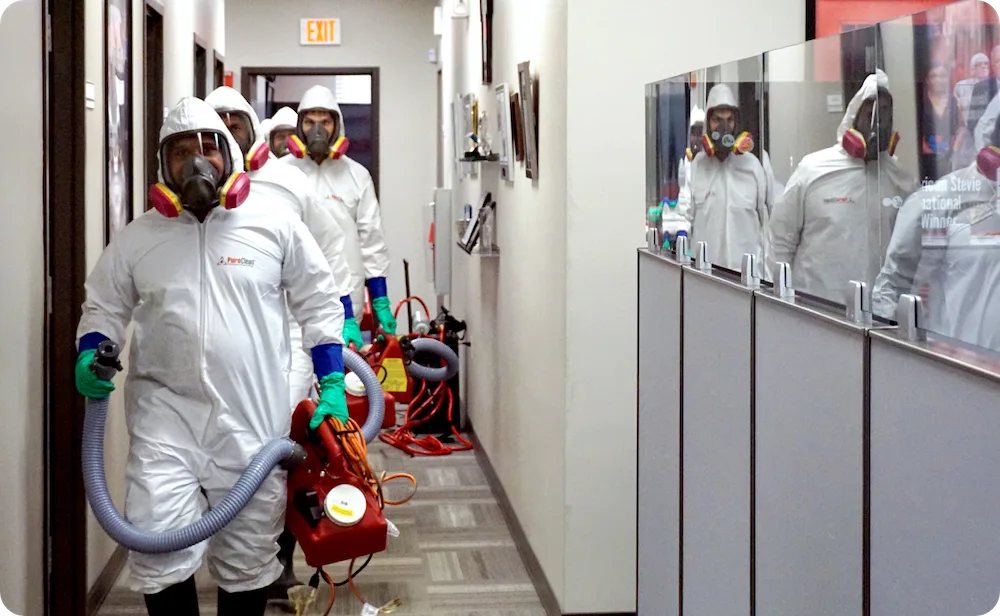
Biohazard situations, including crime scene cleanup and virus decontamination, require specialized cleaning and handling to protect health and safety. Biohazard cleanup services address contamination using proper protocols and professional care.
Explore Our Biohazard Cleanup Services
In some cases, property damage requires repairs beyond cleanup and mitigation. Reconstruction services help restore damaged areas of the home after water, fire, or other incidents, supporting a smoother transition from damage to recovery.
Explore Our Reconstruction Services Services
PuroClean provides 24/7 commercial property damage restoration services for businesses and facilities across the United States.
Explore Our Commercial Services
Water damage can result from unexpected leaks, flooding from storms, plumbing failures, or appliance malfunctions. Our certified teams focus on rapid water removal, drying, and stabilization to help prevent further damage and mold growth.
Explore Our Water Damage Mitigation Services

Answers to the questions Longport homeowners ask most about water, mold, and fire damage restoration.
Because Longport sits at the southern tip of Absecon Island with the bay on one side and the ocean on the other, most of the borough falls within FEMA-mapped flood zones, and water pushed in by tidal surge or storm tide is classified as flood damage rather than a standard water loss. That generally means NFIP flood insurance applies instead of your homeowner’s policy. We’ll document the source, the water line, and affected materials in detail, which is useful whether the claim runs through NFIP, a private flood policy, or out of pocket.
It does. Longport has a high share of seasonal and second homes, and a slow leak that runs undiscovered for weeks behaves very differently than a flood you catch the same day, since moisture has time to migrate into subfloor, framing, and wall cavities well beyond the visible wet area. We’ll use moisture meters and thermal imaging to map the full extent of the damage before proposing a scope, since the visible wet drywall is rarely the whole story in a property that sat unoccupied.
New Jersey’s updated coastal flood elevation requirements primarily affect new construction and substantial renovations, not routine repair following a covered loss, so a typical water mitigation or rebuild after a pipe break or storm event generally doesn’t trigger those elevation rules on its own. That said, if damage is severe enough that repair costs approach a significant share of your property’s value, it’s worth asking your contractor and the borough’s construction office whether the rebuild crosses into substantial-improvement territory, since that can change permitting requirements.
Closed-up beach houses tend to trap smoke odor more stubbornly, since there’s no regular air exchange to help it dissipate before we arrive, and salt air humidity common to oceanfront properties can make odor bond to surfaces faster. We inspect HVAC ductwork, closets, and soft furnishings throughout the home, not just the room where the fire started, and use techniques like thermal fogging or ozone treatment where testing shows odor has settled into materials rather than just lingering in stagnant air.
Generally, yes. Longport’s narrow half-square-mile footprint between the bay and the ocean means humidity stays elevated nearly year-round, and that ambient moisture gives mold a head start whenever there’s an actual water intrusion, whether from a roof leak, plumbing failure, or storm tide. We factor that baseline humidity into our drying targets and recommend post-remediation verification more readily here than we might for an inland property, since visually dry doesn’t always mean moisture-equilibrium dry in this environment.
What Our Customers Say:
When you need water damage restoration services near you, call the experts at PuroClean. We are here day or night, 24/7, to help remove any standing water quickly and begin your water restoration service. We monitor the drying process so you can rest assured that your property is dried thoroughly. We offer commercial water restoration services for businesses and residential water damage restoration for homeowners.

PuroClean of Vineland
(888) 598-1441
3003 N. Mill Road, Building 400, Suite 3, Vineland, NJ 08360

© 2026 PuroClean. All Rights Reserved.