24/7 Emergency Services For Water, Fire, Mold and Biohazard in Somers Point, NJ
Serving Somers Point — Atlantic County’s Oldest Settlement, Surrounded on Three Sides by Water
Somers Point is unlike any other community in PuroClean of Vineland’s service area in one fundamental geographic respect: the city itself tells you. On its own flood information page, Somers Point states it plainly — the city is bounded by water on three sides. Patcong Creek forms the western boundary. Great Egg Harbor Bay and the Ship Channel define the south. Steelman Bay borders the east. The only land connection runs north toward Linwood and Egg Harbor Township. In practical terms, Somers Point is not adjacent to water — it is nearly encircled by it. That is the single most important fact for any homeowner in this city to understand about their property’s flood exposure, and it is why the city recommends flood insurance for every structure within its limits, regardless of whether a specific property sits on the waterfront.
The city’s history runs deeper than any other community in Atlantic County. John Somers purchased 1,500 acres here from Thomas Budd in 1693 — making it the oldest European settlement in what is now Atlantic County, predating the county’s own formation by more than a century. Somers named it Somerset Plantation and established the first ferry service across Great Egg Harbor Bay to Cape May County in 1695. His son Richard built Somers Mansion between 1720 and 1726 — a three-story Flemish-bond brick home overlooking the bay at 1000 Shore Road that remains the oldest existing house in Atlantic County, a State Historic Site listed on the National Register of Historic Places since 1970. The great-grandson of the original settler, also named Richard Somers, became a naval hero who died aboard the USS Intrepid in Tripoli Harbor in 1804. The Somers family name is on the mansion, the street, the bay itself, and more than three centuries of this city’s identity.
Somers Point today is a city of roughly 10,500 year-round residents that carries its bay village character with genuine authenticity. Six marinas line the Great Egg Harbor Bay shoreline. Kennedy Park — once known as High Banks Park — offers waterfront views from the bayfront greenspace that has been the city’s gathering point for generations. Shore Medical Center anchors the healthcare sector and is one of the city’s largest employers, drawing professionals and their families to the established neighborhoods that stretch from the waterfront inland. The Crab Trap restaurant on the bay is the kind of South Jersey institution that stays full on a Tuesday in November, not just in July. The old Tony Mart’s — the legendary Shore Road nightclub that from the 1950s into the 1980s was one of the most storied music venues on the entire East Coast, where Frankie Valli and countless others performed before the building was lost — left a cultural imprint on this waterfront city that residents still reference. And the Circle Liquor Store at the edge of town before the Route 52 causeway, beloved because Ocean City just across the bay is legally dry, has been a landmark in its own particular way for as long as anyone can remember.
PuroClean of Vineland serves all of Somers Point with 24/7 emergency water damage restoration, mold remediation, fire damage cleanup, and sewage decontamination. The city’s three-sided water exposure, its mix of historic homes and mid-century residences, and its significant year-round population of professionals and longtime residents all shape the restoration work we do here.
The property damage calls we handle in Somers Point reflect a bay-encircled city where water exposure is not a localized concern but a citywide condition:
Shore Medical Center’s presence in Somers Point creates a resident demographic of healthcare professionals, physicians, and medical staff who invest significantly in their homes and carry the kind of comprehensive property insurance that supports full restoration. Properties near Shore Medical and in the established neighborhoods along Shore Road represent higher-than-average restoration stakes, and we approach them accordingly.
Somers Point is approximately 35 to 40 minutes from our Vineland location. We take Route 40 east through the mainland shore corridor and then connect to the Garden State Parkway or the local road network south toward the city. The Garden State Parkway’s Exit 30 is signed specifically for Somers Point, and that interchange is our most direct approach from the Parkway. Alternatively, Route 9 heading south from the Pleasantville-Northfield corridor drops directly into the city’s northern streets.
Here is how we navigate to different parts of the city:
Somers Point’s near-peninsula geography creates one logistical reality that affects emergency response during major storm events: access in and out of the city runs primarily north, through the Linwood and Egg Harbor Township land connection. During a significant coastal storm that produces flooding across the city, we plan our response timing carefully to ensure we can access the city and operate effectively. Under normal emergency conditions, access is straightforward and we move without constraint. The Route 52 causeway south to Ocean City and the Garden State Parkway bridge are outbound routes, not our access points. We come in from the north and know that approach well.
The city’s own language is worth quoting directly: Somers Point is bounded by water on three sides. That sentence carries more property damage risk than almost any other geographic description in our service area. It means there is no direction from which storm water, tidal surge, or creek overflow approaches Somers Point that does not have a water body aligned with it. During a coastal storm that drives surge northward through Great Egg Harbor Bay, the water pushes against the city’s southern and eastern boundaries simultaneously. Patcong Creek on the west, which is also a tidal waterway, backs up and rises from the other direction. The city’s interior stormwater system drains toward these same waterways, and when those waterways are elevated by surge, the drainage system backs up rather than discharging. Water accumulates in the city from multiple directions and has limited outward pathways until the event passes.
The Somers Mansion on Shore Road is not just a historic landmark — it is a three-century record of where the water goes. Richard Somers built that house overlooking Great Egg Harbor Bay because the bay view was the most valuable thing this land offered. The homes that grew up around and near the mansion over the following centuries made the same calculation. The waterfront properties along Shore Road, Bay Avenue, and the marina-adjacent streets in Somers Point are the most desirable real estate in the city — and they are the most directly exposed to flood events. A bay-facing home that was worth paying a premium for in 1950 or 1970 or 2005 carries the flood risk that the view price always included. Those properties need flood insurance, they need ongoing maintenance of their moisture management systems, and when a flood event reaches them, they need professional restoration that accounts for the tidal water category involved.
The interior residential stock tells a different story. The ranchers and bungalows on the streets between Shore Road and the Parkway corridor — the majority of Somers Point’s housing inventory by unit count — were built primarily in the 1950s through the 1970s, when the city’s residential expansion extended inland from the original waterfront settlement. These homes are not on the bay and their day-to-day flood risk is lower than the waterfront properties. But they are not insulated from the city’s three-sided water exposure. During the kind of storm that puts all three of Somers Point’s bounding waterways at elevated levels simultaneously, stormwater backing up through floor drains and street flooding reaching below-grade spaces are realistic outcomes for those inland neighborhoods too. And their aging plumbing, older roof systems, and mid-century construction details carry the standard internal water damage risk that applies to any home of that vintage.
The bay and tidal marsh character of the city’s environment also creates a baseline humidity condition that affects every home in Somers Point, not just those on the waterfront. The Great Egg Harbor Bay, Steelman Bay, and Patcong Creek together form a tidal environment that keeps ambient relative humidity elevated throughout the city across all seasons. For homes with crawl spaces, older basement walls without interior drainage, and limited mechanical ventilation, that baseline humidity quietly maintains conditions in the building’s lower envelope that are perpetually closer to the mold growth threshold than an inland home with the same construction details would be. We see this routinely in Somers Point — mold on rim joists and subfloor framing in homes that have not experienced a flooding event, driven solely by the chronic moisture environment the city’s geography produces.
Somers Point sits at Exit 30 on the Garden State Parkway, the last mainland stop before the Parkway bridge crosses into Cape May County’s Upper Township toward Ocean City. That position — the gateway between Atlantic County’s mainland communities and the Cape May County shore destinations — has defined this city’s commercial character since John Somers ran the first ferry across the bay in 1695. The Crab Trap has been making that same argument to every driver crossing the causeway for decades. The city’s deep roots and its genuine waterfront identity are what make restoration here more than a transaction — these are homes that families have held for generations in the oldest settled community in Atlantic County, and we treat the work here with that context in mind.
For homeowners and business owners in Somers Point, understanding water, fire, and mold restoration is essential for protecting property value and ensuring a fast recovery after unexpected damage. Call PuroClean of Vineland today for all your emergency service needs at (888) 598-1441.
Owned & Operated by Rita & Sal Gaetano
3003 N. Mill Road, Vineland, NJ, 08360
(888) 598-1441
Water damage can result from unexpected leaks, flooding from storms, plumbing failures, or appliance malfunctions. Our certified teams focus on rapid water removal, drying, and stabilization to help prevent further damage and mold growth.
 Explore Our Water Damage Mitigation Services
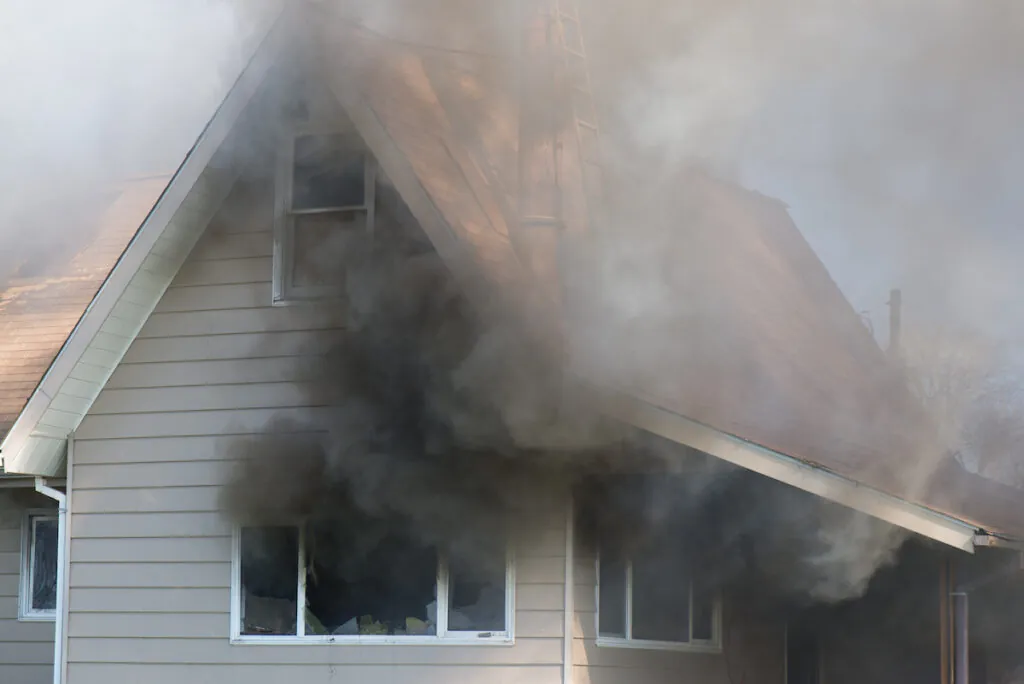
Even after a fire is extinguished, smoke, soot, and odor can continue to affect your home. Fire damage restoration services address visible damage while also helping reduce lingering effects that impact indoor air quality and surfaces.
Explore Our Fire and Smoke Damage Restoration Services
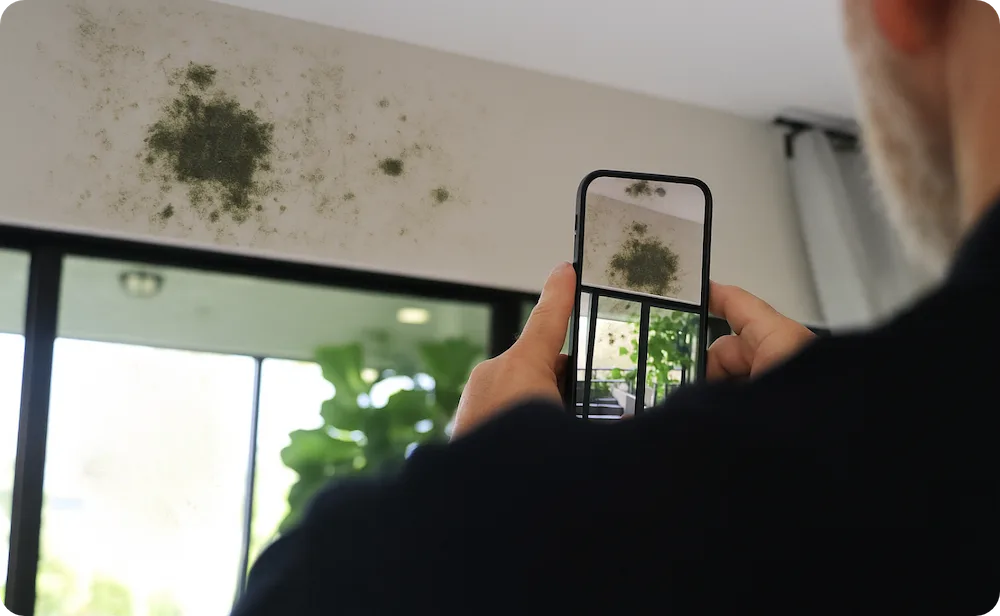
Mold often develops as a result of unresolved moisture or hidden water damage. Professional mold remediation helps identify affected areas, contain growth, and restore healthy indoor conditions.
Explore Our Mold Removal and Remediation Services
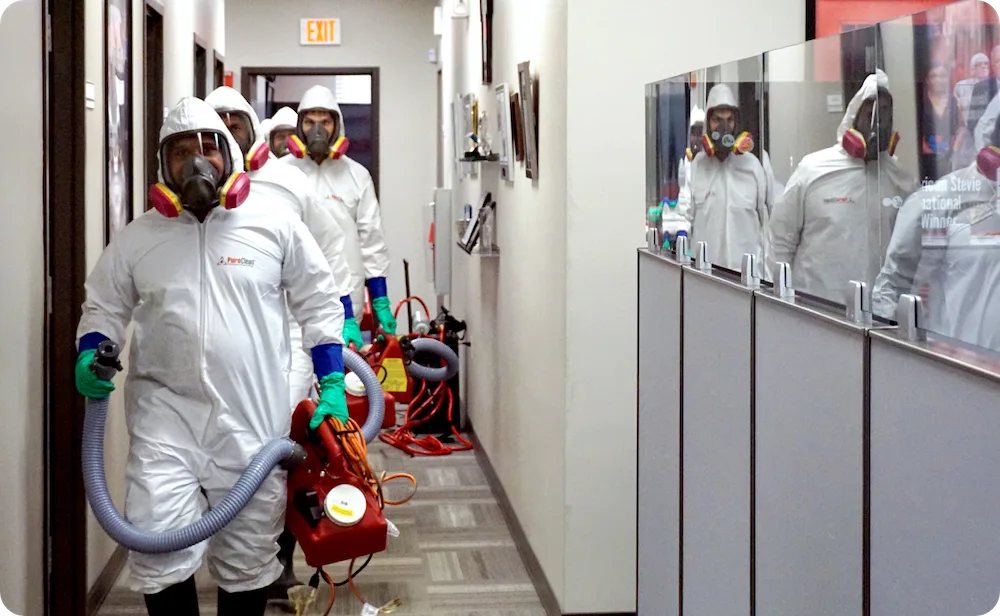
Biohazard situations, including crime scene cleanup and virus decontamination, require specialized cleaning and handling to protect health and safety. Biohazard cleanup services address contamination using proper protocols and professional care.
Explore Our Biohazard Cleanup Services
In some cases, property damage requires repairs beyond cleanup and mitigation. Reconstruction services help restore damaged areas of the home after water, fire, or other incidents, supporting a smoother transition from damage to recovery.
Explore Our Reconstruction Services Services
PuroClean provides 24/7 commercial property damage restoration services for businesses and facilities across the United States.
Explore Our Commercial Services
Water damage can result from unexpected leaks, flooding from storms, plumbing failures, or appliance malfunctions. Our certified teams focus on rapid water removal, drying, and stabilization to help prevent further damage and mold growth.
Explore Our Water Damage Mitigation Services

Answers to the questions Somers Point homeowners and business owners ask most about water, mold, and fire damage restoration.
Likely not under a standard commercial property policy. Somers Point sits directly on Great Egg Harbor Bay, and the city even runs a CodeRED alert system specifically for flooding emergencies, which tells you how seriously the bay’s tidal risk is taken locally. Water pushed in by tide or storm surge is generally classified as flood damage, which requires NFIP or private flood coverage rather than a standard commercial policy. We’ll document the source and extent of the loss thoroughly regardless of which policy ultimately applies.
Yes, it’s a different category of loss entirely. An interior pipe failure is typically Category 1 or 2 water and falls under your homeowner’s or condo policy rather than flood insurance, regardless of how close your building sits to the bay. We also check whether the water affected only your unit or traveled to neighboring units through shared walls or flooring, since waterfront condo buildings often have plumbing stacks that run through multiple units.
It’s worth checking properly rather than guessing. Homes built decades ago in this part of Somers Point often have original construction methods, like older crawlspace vapor barriers or aging window seals, that don’t perform the way current building standards would, and small moisture issues can develop into a musty smell over time without anyone noticing the source. We’ll do a mold inspection with moisture mapping to pinpoint whether it’s an active leak, condensation, or simply trapped humidity, and explain what we find before recommending any remediation.
We do pay closer attention in older homes near the Shore Road historic corridor, since original woodwork, plaster, and period details add value that’s worth preserving where possible. We assess smoke and soot penetration carefully and discuss cleaning options that protect original materials before recommending replacement, and we coordinate with you on any concerns about historic district guidelines if structural repair becomes necessary.
Summer weekend traffic heading to Ocean City and the island towns can genuinely slow travel through this corridor, so during peak season we factor that into our routing and may approach from a different direction depending on the time of day and day of week. We still aim for our standard response window for an active water emergency, but if you’re calling on a Friday afternoon in July, we’ll give you a realistic arrival estimate based on current conditions rather than a generic promise.
What Our Customers Say:
When you need water damage restoration services near you, call the experts at PuroClean. We are here day or night, 24/7, to help remove any standing water quickly and begin your water restoration service. We monitor the drying process so you can rest assured that your property is dried thoroughly. We offer commercial water restoration services for businesses and residential water damage restoration for homeowners.

PuroClean of Vineland
(888) 598-1441
3003 N. Mill Road, Building 400, Suite 3, Vineland, NJ 08360

© 2026 PuroClean. All Rights Reserved.