Professional water damage mitigation and restoration services to help restore your home after unexpected water intrusion.
PuroClean of Vineland provides water damage restoration focused on hidden moisture detection, structural drying, and drying verification. We document conditions from the first inspection—photos, moisture mapping, and monitoring logs—so your home is dried to standard and you have the records your insurance claim typically depends on.
Water damage claims often come down to one thing: what was documented before anything was moved, dried, or discarded—and whether the drying work can be proven after the fact. PuroClean of Vineland provides water damage restoration with an investigation-first approach: we find hidden moisture, build a clear scope, and create a verifiable drying record that supports your insurance file while protecting your home. From the first visit, you can expect careful moisture mapping, photo documentation, and a practical plan for extraction, structural drying, and monitoring. We’ll explain what materials can be dried in place versus what must be removed, and we’ll keep you updated as conditions change. In New Jersey homes, moisture commonly migrates downward and becomes trapped in basements, crawlspaces, and along sill plates—even when the main living area looks “okay.” That’s why we focus on what’s not visible yet, using measurements (not guesswork) to guide every decision and to help prevent secondary damage like swelling, odor, and mold growth.
1) Stop the source if it’s safe: shut off the home’s main water valve; if water is near outlets or appliances, switch off power at the breaker (avoid standing water).
2) Take quick photos/video of affected rooms, the leak source, and any wet materials before you move items.
3) Call PuroClean of Vineland at (888) 598-1441 for an on-site water damage inspection and to start documentation.
4) Move valuables and paper goods to a dry area; place foil or plastic under furniture legs on wet floors.
5) Avoid using household fans on contaminated water (sewage/overflow) and do not pull up flooring or cut drywall until moisture readings confirm what’s wet.
We identify the source, determine contamination level, and perform moisture mapping (including behind surfaces when needed). We photograph conditions and produce an initial scope of affected materials so the “starting point” is clearly recorded.
What Our Customers Say:
The biggest financial risk after a water loss is closing the job without proof. If pre-mitigation conditions aren’t documented, it becomes harder to show what was damaged by the event versus what was “pre-existing,” which can trigger claim disputes. And if moisture logs aren’t kept, secondary damage found later—like warped subfloors or microbial growth behind baseboards—may be challenged because there’s no record showing the structure was (or wasn’t) dried to standard. Expert insight (NJ pattern): In this part of New Jersey, we often find basements and crawlspaces reading “dry” at the surface while rim joists, sill plates, and the first few inches of wall framing stay elevated. Moisture migrates downward and gets trapped where airflow is weakest. That’s why targeted readings in low-wall cavities and subfloor edges matter more than a single surface check.
If you’re filing a claim, documentation is part of protecting the claim—not paperwork after the fact. We help you capture the right evidence early: pre-mitigation photos, affected-room moisture maps, written scope notes, and an itemized record of equipment and monitoring. During drying, we maintain moisture readings and environmental logs to show progress and to support drying verification at completion. If hidden wet areas are discovered later (for example, behind baseboards or under flooring), the earlier logs and inspection notes help show the damage path and why additional work was required. You can also help by saving any plumbing invoices, appliance receipts, and a basic list of damaged personal property. If your adjuster or carrier has questions, we can provide the job file documentation they typically request so decisions are based on measured conditions, not assumptions.
If you’re facing water damage, the most helpful first step is an inspection that documents what’s wet now and proves it’s dry later. Call PuroClean of Vineland at (888) 598-1441 to schedule an on-site assessment. We’ll locate hidden moisture, outline a clear mitigation plan, and provide the photos, readings, and drying records that help support your claim and protect your home.
Find answers to common questions about our services
Visible dryness isn’t reliable—paint and drywall can look normal while framing or insulation remains wet. We verify using moisture meters (pin/pinless), comparative dry standards, and targeted checks around baseboards, outlets (power off), and corners. If readings stay elevated, we adjust the drying plan and continue monitoring until materials meet drying goals.
Yes. Water can travel along framing, under flooring, and into wall cavities by gravity and capillary action. Common clues are odor, slight baseboard swelling, or a persistent humidity spike, but sometimes there are no clues at all. That’s why moisture mapping and verification are part of professional mitigation.
We use professional moisture meters (pin and non-invasive), hygrometers to measure drying conditions, and thermal imaging as a screening tool to locate temperature patterns consistent with moisture. Thermal images are confirmed with direct moisture readings so decisions are based on measurements. When needed, small inspection openings may be recommended to confirm conditions inside a cavity.
Photograph the source (failed supply line, water heater, roof leak area), standing water lines, wet walls/floors/ceilings, and any damaged personal items before moving them. Take wide shots of each room and close-ups of swelling, staining, or buckling. If it’s safe, capture serial/model numbers for appliances involved and keep any broken parts.
A scope of loss is a written description of what was affected and what work is required to return the area to its pre-loss condition. Our team creates a mitigation scope based on inspection findings, measurements, and what materials are wet or contaminated. The carrier/adjuster may also write or review a scope for coverage and repair decisions.
Yes. Basements and crawlspaces dry differently because moisture can remain trapped against foundation walls, in rim joists, and beneath flooring systems. In New Jersey, humid periods can slow evaporation and make dehumidification strategy and monitoring especially important. We focus on moisture migration paths, not just the puddle you can see.
Trained and Certified Restoration Professionals
Our residential water damage restoration team is trained, certified, and experienced in responding to a wide range of water damage situations. Many technicians hold IICRC certifications, and we follow industry standards and proven restoration practices to support safe and effective recovery.
Water damage is stressful enough without confusion. Our team works with insurance providers to help document damage and support the claims process, keeping homeowners informed throughout each stage of restoration.
Some types of water damage require immediate attention. Our team is available 24/7 to respond to residential water damage emergencies when time matters most.
Water damage can result from unexpected leaks, flooding from storms, plumbing failures, or appliance malfunctions. Our certified teams focus on rapid water removal, drying, and stabilization to help prevent further damage and mold growth.
 Explore Our Water Damage Mitigation Services
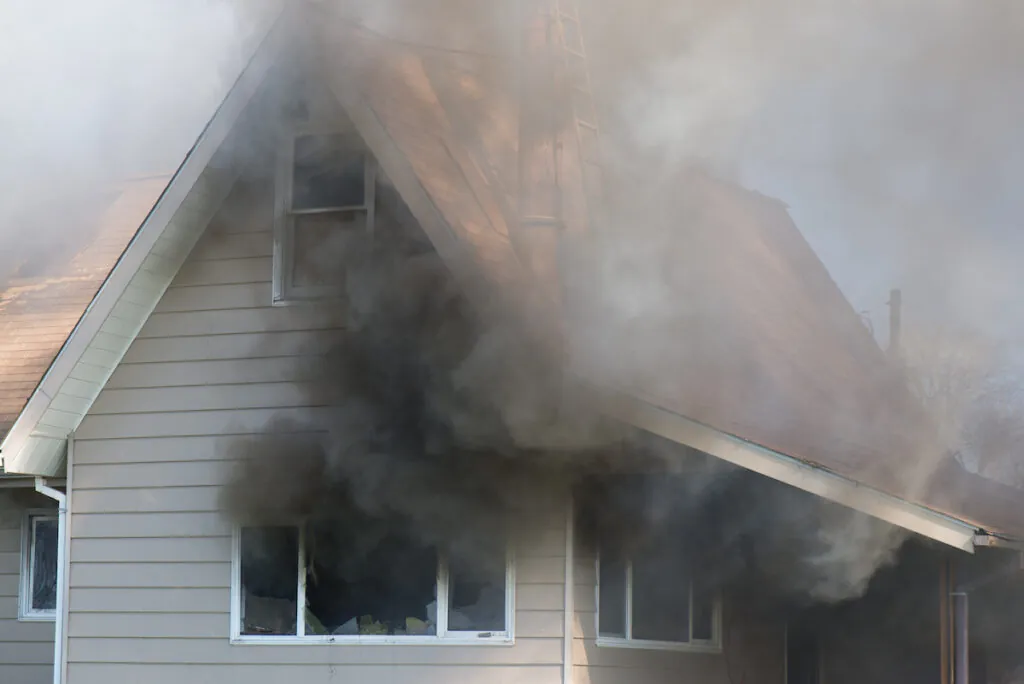
Even after a fire is extinguished, smoke, soot, and odor can continue to affect your home. Fire damage restoration services address visible damage while also helping reduce lingering effects that impact indoor air quality and surfaces.
Explore Our Fire and Smoke Damage Restoration Services
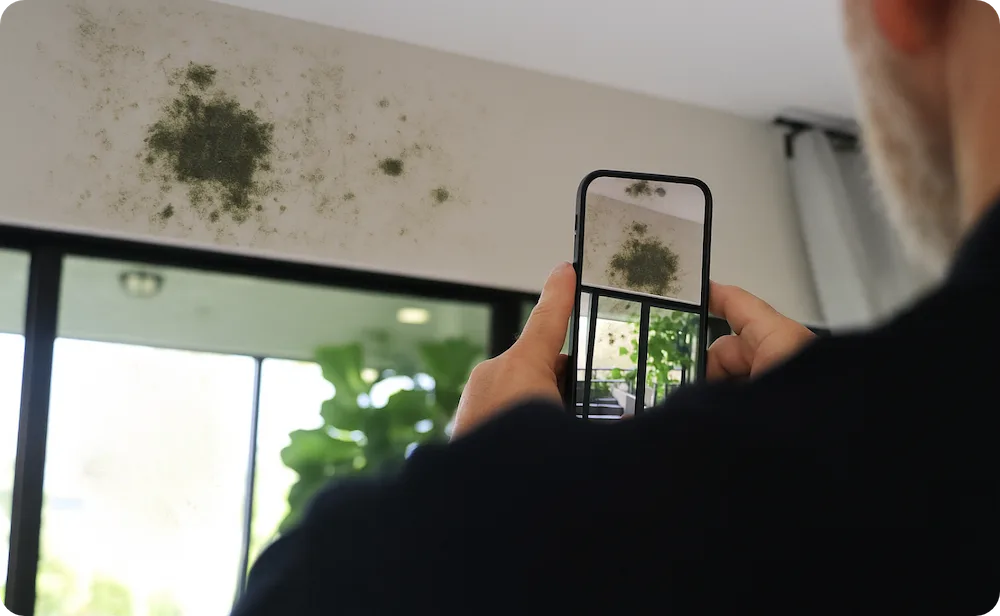
Mold often develops as a result of unresolved moisture or hidden water damage. Professional mold remediation helps identify affected areas, contain growth, and restore healthy indoor conditions.
Explore Our Mold Removal and Remediation Services
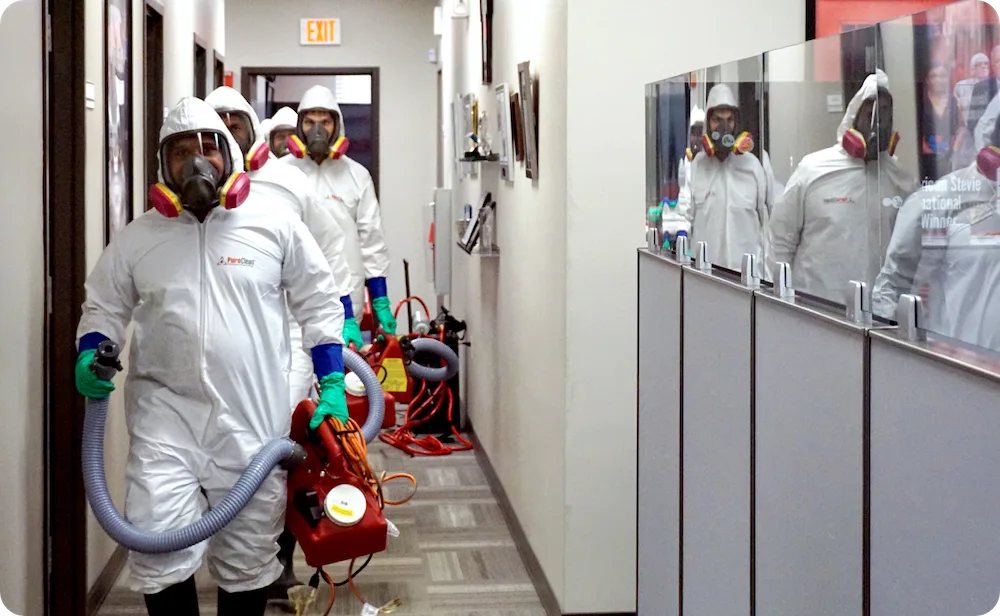
Biohazard situations, including crime scene cleanup and virus decontamination, require specialized cleaning and handling to protect health and safety. Biohazard cleanup services address contamination using proper protocols and professional care.
Explore Our Biohazard Cleanup Services
In some cases, property damage requires repairs beyond cleanup and mitigation. Reconstruction services help restore damaged areas of the home after water, fire, or other incidents, supporting a smoother transition from damage to recovery.
Explore Our Reconstruction Services Services
PuroClean provides 24/7 commercial property damage restoration services for businesses and facilities across the United States.
Explore Our Commercial Services
Water damage can result from unexpected leaks, flooding from storms, plumbing failures, or appliance malfunctions. Our certified teams focus on rapid water removal, drying, and stabilization to help prevent further damage and mold growth.
Explore Our Water Damage Mitigation Services


PuroClean of Vineland
(888) 598-1441
3003 N. Mill Road, Building 400, Suite 3, Vineland, NJ 08360

© 2026 PuroClean. All Rights Reserved.