


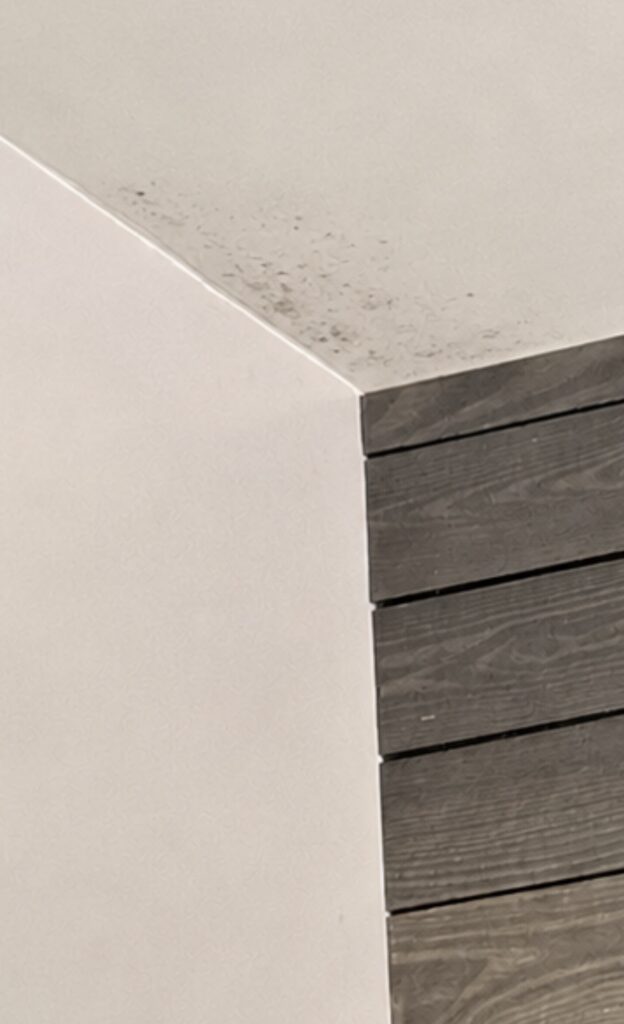

Mold is more than just an unsightly nuisance—it can damage your home, affect indoor air quality, and potentially impact your family’s health. The challenge is that mold isn’t always easy to spot. It often grows in hidden areas where moisture is present, making early detection essential. Here are some key signs homeowners should watch for when identifying mold in their homes.
1. A Persistent Musty Odor
One of the earliest and most common indicators of mold growth is a musty, earthy smell. Even if you can’t see mold, a persistent odor in a room, basement, crawlspace, or attic may signal hidden growth behind walls, under flooring, or inside HVAC systems.
Areas to Check:
- Basements
- Bathrooms
- Laundry rooms
- Crawlspaces
- Under sinks
- Around HVAC vents
2. Visible Discoloration on Surfaces
Mold can appear in a variety of colors and textures, including:
- Black
- Green
- White
- Brown
- Gray
- Orange
It may look fuzzy, slimy, powdery, or stain-like. Homeowners often mistake mold for dirt, soot, or water stains, especially when it appears on walls or ceilings.
Common Locations:
- Drywall
- Ceilings
- Window sills
- Grout and caulking
- Wood framing
- Carpet and padding
3. Water Stains or Past Water Damage
Mold thrives where moisture exists. If your home has experienced:
- Roof leaks
- Plumbing leaks
- Flooding
- Overflowing appliances
- Condensation issues
There is an increased risk of mold growth. Water stains, bubbling paint, warped drywall, or peeling wallpaper can all indicate moisture problems that may lead to mold.
4. Increased Allergy-Like Symptoms
Some people are more sensitive to mold than others. If family members experience symptoms that improve when they leave the home, mold could be a contributing factor.
Possible Symptoms Include:
- Sneezing
- Runny nose
- Nasal congestion
- Coughing
- Watery eyes
- Skin irritation
- Headaches
While these symptoms don’t automatically mean mold is present, they can be a warning sign when combined with moisture issues or musty odors.
5. Excessive Humidity and Condensation
Homes with consistently high humidity levels are prime environments for mold growth. Signs of excessive moisture include:
- Condensation on windows
- Damp walls
- Sweating pipes
- Persistent bathroom moisture
- Humidity levels above 60%
A hygrometer can help homeowners monitor indoor humidity and identify potential problem areas.
6. Warped or Deteriorating Building Materials
As mold grows, it can damage the materials it feeds on, including:
- Drywall
- Wood
- Ceiling tiles
- Insulation
- Carpet
Signs such as warped flooring, soft drywall, crumbling materials, or buckling baseboards may indicate prolonged moisture exposure and possible mold growth.
7. Mold Around HVAC Systems
Heating and cooling systems can spread mold spores throughout a home if mold develops inside ductwork, air handlers, or drip pans.
Watch For:
- Musty smells when the system runs
- Visible growth around vents
- Excess moisture near HVAC equipment
- Increased dust and indoor air quality concerns
What Should Homeowners Do If They Suspect Mold?
If you notice any of these signs, it’s important to identify and address the source of moisture first. Small surface mold issues can sometimes be cleaned, but larger infestations or hidden mold may require professional inspection and remediation.
A professional mold inspection can:
- Locate hidden mold growth
- Identify moisture sources
- Test indoor air quality
- Provide remediation recommendations
Final Thoughts
Mold often starts as a small problem but can quickly become a costly issue if left untreated. By paying attention to musty odors, visible growth, water damage, humidity levels, and health symptoms, homeowners can catch mold early and protect both their property and their family’s well-being.
If you suspect mold in your home, don’t ignore the warning signs. Early detection and prompt action can save thousands of dollars in repairs and help maintain a healthy living environment. Call PuroClean of Vineland at (888) 598-1441 and let us ease your mind by handling your job quickly and professionally.