PuroClean of Burlington — 151 Industrial Dr, Burlington, WI 53105
Lake Geneva’s transformation from a quiet mill town into one of the Midwest’s most storied resort communities began after the Great Chicago Fire of 1871, when wealthy Chicagoans seeking a peaceful retreat discovered the lake’s clear water and dramatic shoreline. Families with names like Wrigley, Schwinn, Maytag, and Conrad Seipp — the Chicago beer baron whose 1888 Black Point Estate still stands today — built the Beaux-Arts manors, Queen Anne cottages, and French-style chateaus that earned the city its nickname, “The Newport of the West.” Many of those mansions remain visible today from the 21-mile Geneva Lake Shore Path, and since 1916 the U.S. Postal Service has delivered mail to lakefront estates the old-fashioned way, with “mail jumpers” leaping from a moving mailboat to shorefront docks — one of the last services of its kind in the country. On the lake’s western shore in Williams Bay sits Yerkes Observatory, built by the University of Chicago in 1897 and home to the world’s largest refracting telescope; Albert Einstein specifically asked to visit during his first trip to America in 1921, and astronomers including Edwin Hubble and Carl Sagan did graduate work under its dome before it closed in 2020 and reopened to the public after a $13 million renovation in 2021. Downtown, the 1932 Riviera Ballroom once hosted Glenn Miller and Louis Armstrong, and the Geneva Lake Museum — along with the city’s status as the birthplace of Dungeons & Dragons through the late Gary Gygax — round out a downtown that blends Gilded Age history with modern tourism.
That downtown, built low along the lake’s northeastern shore and fed by the White River, carries real flood exposure when heavy rain hits the region. In one documented flash flooding event, overnight rain closed Lakeshore Drive at Main Street, sent water rushing south down Wells Street deep enough to reach car windows, and flooded roadways, parks, and basements throughout the city — prompting officials to issue a no-wake notice for the lake itself. The White River, monitored by a USGS gauge at Center Street in the heart of downtown, is fed primarily by rainfall and springs, and its lack of major flood-control dams means it can rise quickly during a sustained downpour. Add over 150 years of dense lakefront and downtown construction — much of it far older than modern drainage standards — and Lake Geneva produces a water damage caseload as layered as its history.
We handle:
Lake Geneva is one of the closest resort communities to our Industrial Drive facility, sitting about 12 miles west of Burlington. We make the trip on WI-36, which runs nearly straight from Burlington into the city, passing through Lyons before reaching downtown Lake Geneva.
That route puts us on scene in roughly 20 minutes under normal conditions — one of the fastest response times in our entire service area. For calls in the downtown core near Main Street, Wells Street, and the Riviera, WI-36 brings us directly into the city center. For lakefront properties along the Geneva Lake Shore Path or the mansion district, we adjust our approach based on the specific estate’s access point, since many of these historic lakefront properties have private drives or shared access roads rather than standard street addresses.
Because Lake Geneva’s downtown sits close to the White River and has documented flash-flood history, we monitor regional weather conditions closely during heavy rain events and can often have a crew staged nearby before flooding peaks, minimizing the gap between when water starts rising and when we’re able to begin extraction.
Lake Geneva’s downtown sits at a low point where the White River passes through the heart of the city, and that river has a documented history of rising quickly during heavy, sustained rain. In one flash flooding event, overnight rain closed Lakeshore Drive at its intersection with Main Street and sent enough water down Wells Street to reach car windows, while roadways, parks, and basements throughout the city took on water and officials issued a no-wake notice for boaters on the lake itself. The White River is monitored by a USGS gauge at Center Street, directly in the downtown core, and because the river’s flow comes primarily from rainfall and springs rather than a controlled reservoir system, water levels can rise fast without the buffering effect a major upstream dam would provide.
Lake Geneva’s building stock adds a second, very different layer of risk. The city’s Gilded Age mansions and downtown commercial buildings — many dating to the decades after the Great Chicago Fire of 1871, when Chicago’s wealthiest families built summer estates here — were constructed well before modern drainage, foundation waterproofing, or electrical standards existed. These historic properties often carry meaningfully higher replacement value than typical residential construction, and water or fire damage in a landmark estate or century-old downtown commercial building calls for a more careful, materials-aware approach than a standard single-family home would need.
Lake Geneva itself is a deep glacial lake — reaching depths well over 100 feet — which means shoreline properties face less of the shallow-lake groundwater pressure common elsewhere in our service area, but more concentrated wave and wind exposure during severe storms crossing the open water. Boathouses, docks, and lakefront outbuildings along the Shore Path corridor see this risk directly, particularly during the high-wind events that regularly accompany the same summer storm systems that drive flash flooding downtown.
Winter freeze risk in Lake Geneva follows building age just as it does throughout our service area: the city’s oldest lakefront estates and downtown buildings, many expanded and renovated across more than a century of use, often have plumbing systems layered in stages that create hidden vulnerability during a hard freeze.
Owned & Operated by Jennifer Wine
151 Industrial Drive., Burlington, WI, 53105
(262) 342-2226
 Antioch
Bohners Lake
Bristol
Browns Lake
Burlington
Caledonia
Camp Lake
Channel Lake
Como
Eagle Lake
Fox Lake
Franksville
Genoa City
Kenosha
Klondike
Lake Catherine
Lake Geneva
Lake Shangrila
Mount Pleasant
New Munster
North Cape
Paddock Lake
Pell Lake
Pleasant Prairie
Powers Lake
Racine
Rochester
Salem Lakes
Silver Lake
Somers
Springfield
Sturtevant
Twin Lakes
Union Grove
Wilmot
Antioch
Bohners Lake
Bristol
Browns Lake
Burlington
Caledonia
Camp Lake
Channel Lake
Como
Eagle Lake
Fox Lake
Franksville
Genoa City
Kenosha
Klondike
Lake Catherine
Lake Geneva
Lake Shangrila
Mount Pleasant
New Munster
North Cape
Paddock Lake
Pell Lake
Pleasant Prairie
Powers Lake
Racine
Rochester
Salem Lakes
Silver Lake
Somers
Springfield
Sturtevant
Twin Lakes
Union Grove
Wilmot
Water damage can result from unexpected leaks, flooding from storms, plumbing failures, or appliance malfunctions. Our certified teams focus on rapid water removal, drying, and stabilization to help prevent further damage and mold growth.
 Explore Our Water Damage Mitigation Services
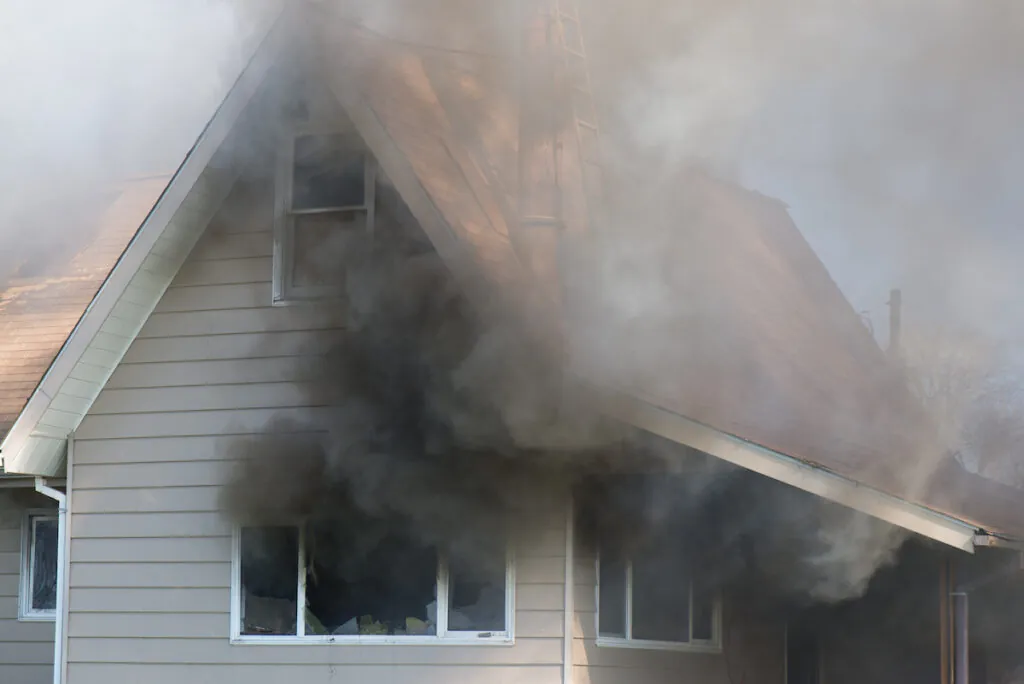
Even after a fire is extinguished, smoke, soot, and odor can continue to affect your home. Fire damage restoration services address visible damage while also helping reduce lingering effects that impact indoor air quality and surfaces.
Explore Our Fire and Smoke Damage Restoration Services
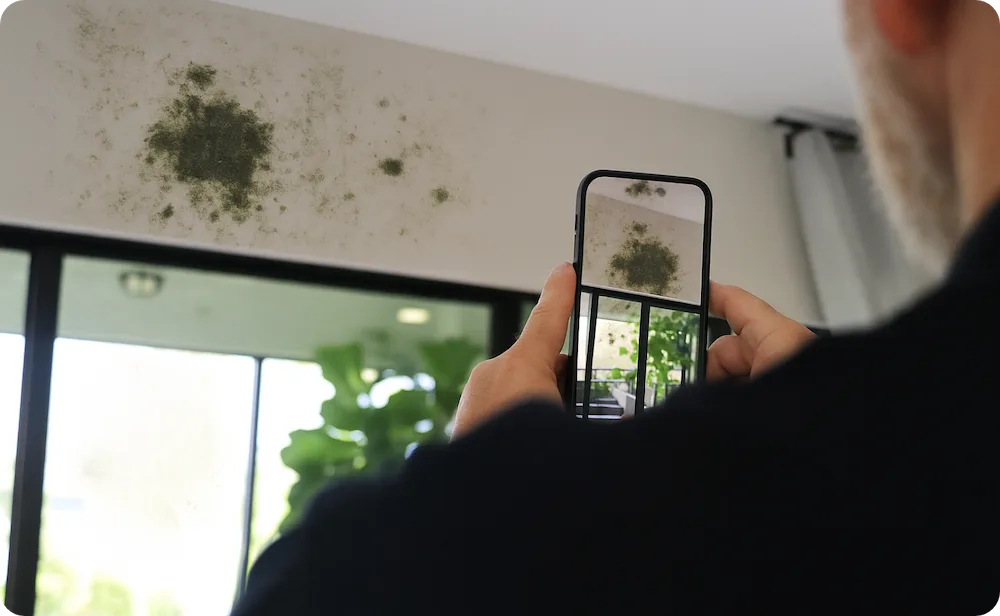
Mold often develops as a result of unresolved moisture or hidden water damage. Professional mold remediation helps identify affected areas, contain growth, and restore healthy indoor conditions.
Explore Our Mold Removal and Remediation Services
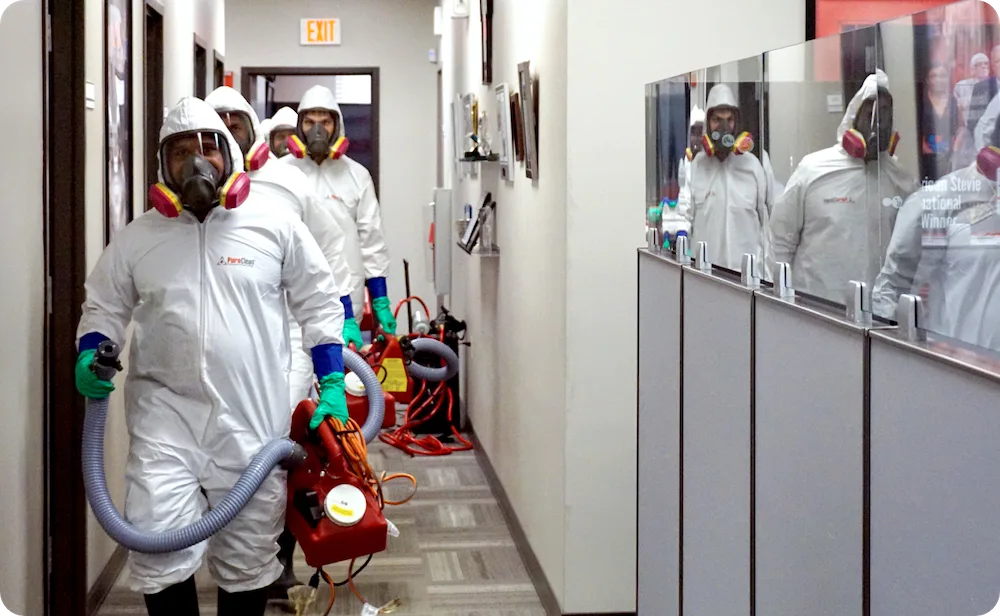
Biohazard situations, including crime scene cleanup and virus decontamination, require specialized cleaning and handling to protect health and safety. Biohazard cleanup services address contamination using proper protocols and professional care.
Explore Our Biohazard Cleanup Services
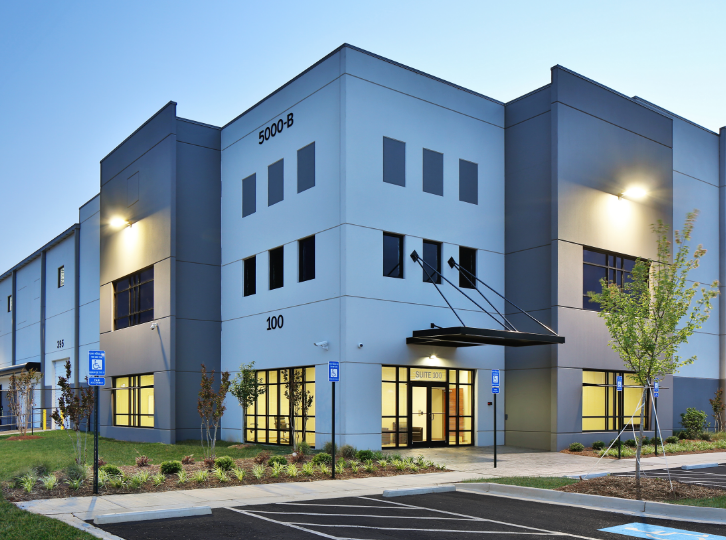
PuroClean provides 24/7 commercial property damage restoration services for businesses and facilities across the United States.
Explore Our Commercial Services
Water damage can result from unexpected leaks, flooding from storms, plumbing failures, or appliance malfunctions. Our certified teams focus on rapid water removal, drying, and stabilization to help prevent further damage and mold growth.
Explore Our Water Damage Mitigation Services
Answers to the questions Lake Geneva homeowners and business owners ask us most
Yes, based on documented flooding history. Downtown Lake Geneva sits at a low point where the White River passes through the city, and during at least one documented flash flooding event, overnight rain closed Lakeshore Drive at Main Street and sent water deep enough down Wells Street to reach car windows, with basements throughout the downtown area taking on water. The White River’s flow comes primarily from rainfall and springs rather than a controlled dam system, so it can rise quickly during sustained heavy rain without the buffering a major reservoir would provide. If your property is in the downtown core near Main Street, Wells Street, or Lakeshore Drive, sump backup protection and confirmed water backup insurance coverage are worth prioritizing.
Significantly. Many of Lake Geneva’s Gilded Age mansions date to the decades after the Great Chicago Fire of 1871, when Chicago’s wealthiest families built summer estates here, and they were constructed well before modern drainage, foundation waterproofing, or electrical standards existed. These properties also frequently carry substantial replacement value and historically significant materials and craftsmanship that a standard modern-construction approach could damage further. We assess construction era, original materials, and any historic designation status before setting equipment or making demolition decisions on a Lake Geneva estate, since preserving what can be preserved often matters as much as the drying itself, and the right approach differs meaningfully from a typical residential job.
It can, particularly if your property sits in or near the downtown core. The USGS gauge at Center Street tracks the White River’s flow and gage height in real time, and because the river’s water comes primarily from rainfall and springs without a major flood-control dam upstream, rising gauge readings during a storm are a genuine early warning sign for downtown flooding. Properties near Main Street, Wells Street, and Lakeshore Drive — areas with documented flash-flood history — are the ones most directly affected by White River rises. If you own property in this area, checking the gauge during a heavy rain forecast can give you a few hours’ notice to move valuables or take other precautions.
It is, particularly during the same severe summer storm systems that cause flash flooding downtown. Geneva Lake is a large, deep glacial lake, and its open water gives wind a long fetch to build wave energy before it reaches shoreline structures like boathouses and docks along the Geneva Lake Shore Path corridor. That combination of depth and open exposure means lakefront outbuildings face concentrated wind and wave risk during storms, even when the same event causes more of a rainfall-driven flooding problem downtown. We handle both water extraction and structural assessment for storm-damaged boathouses and lakefront structures, and can coordinate with your insurance carrier on documenting wind versus water damage separately, since coverage sometimes treats them differently.
Lake Geneva is one of the closest communities to our Burlington base — about 12 miles via WI-36, typically 20 minutes door to door under normal conditions. That makes it one of the fastest response times in our entire service area. Because downtown Lake Geneva has documented flash-flood history tied to the White River, we monitor regional weather closely during heavy rain events and can often have a crew staged nearby before flooding peaks. For lakefront estates with private or shared access roads, we confirm the specific route to your property in advance when possible, so there’s no delay finding the right driveway once we’re in the area.
What Our Customers Say:
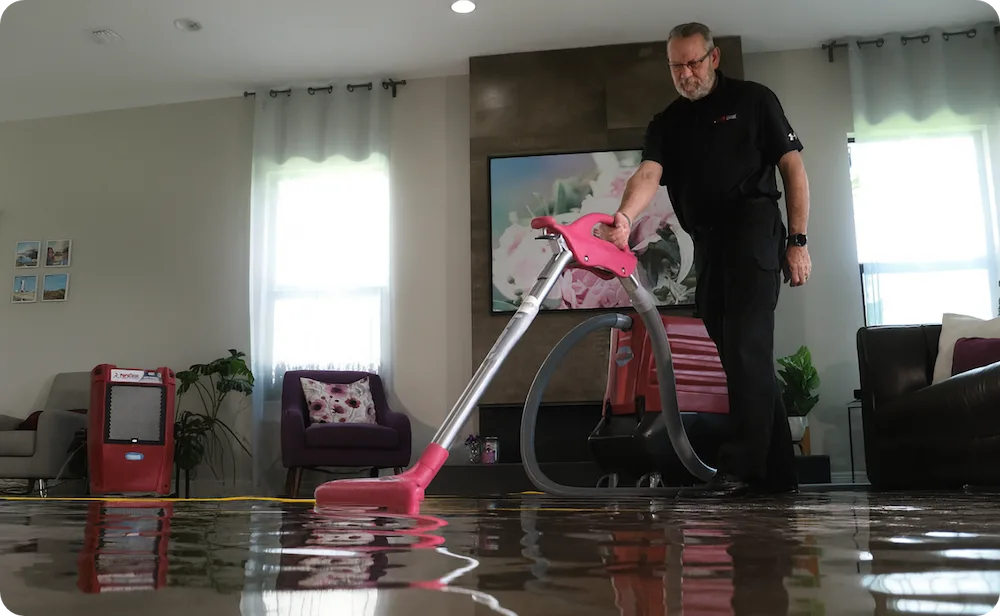
When you need water damage restoration services near you, call the experts at PuroClean. We are here day or night, 24/7, to help remove any standing water quickly and begin your water restoration service. We monitor the drying process so you can rest assured that your property is dried thoroughly. We offer commercial water restoration services for businesses and residential water damage restoration for homeowners.

PuroClean of Burlington
(262) 342-2226
151 Industrial Drive., Burlington, WI 53105


© 2026 PuroClean. All Rights Reserved.